
Trees
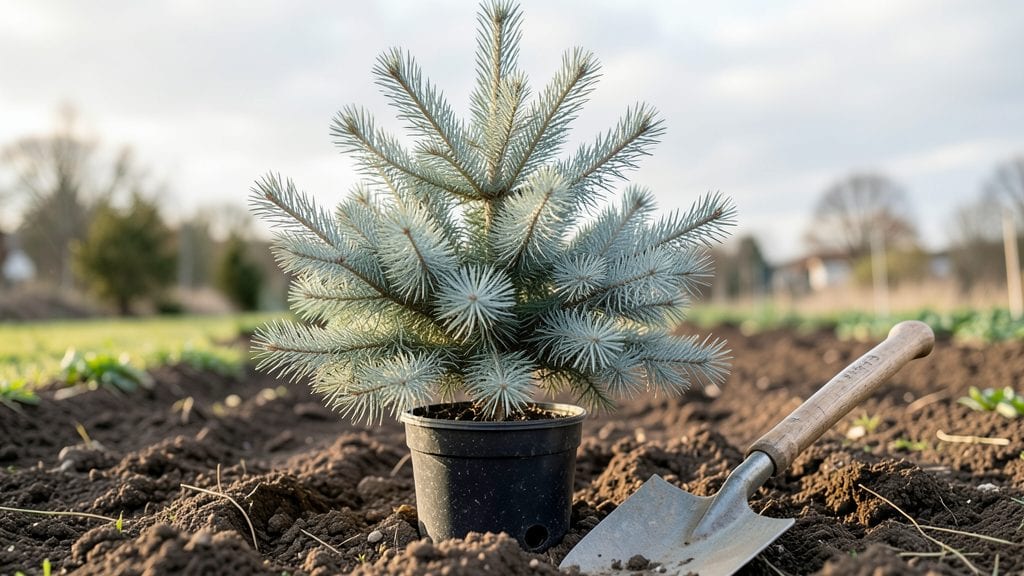
Planting evergreen trees transforms bare spots into lush, year-round privacy screens with almost no upkeep. 🌲 I learned the hard way that the wrong location or soil prep can turn a $50 tree into a $500 mistake—but once you nail these basics, your evergreens will grow steadily for decades with minimal fuss.
The key is matching the right species to your climate and sunlight, then giving them the perfect start.
You’ll need a few simple supplies: a shovel, compost or peat moss for soil amendment, mulch, and of course, healthy bare-root or container-grown trees. Most evergreens thrive in well-draining soil with a pH between 5.0 and 7.0, though some like pine prefer slightly acidic conditions.
Digging a hole twice as wide as the root ball gives roots room to spread without circling—something I wish I’d known before my first planting.
After planting, the first year is all about watering deeply once a week (unless it rains) and keeping weeds at bay. Evergreens grow slowly but steadily, and with proper spacing—typically 6 to 12 feet apart depending on the mature size—you’ll avoid overcrowding and pruning headaches.
By year three, you’ll have a dense, wind-resistant hedge that needs little more than an annual mulch refresh and occasional shape checks.
This method works for both coastal climates and inland zones, though drought-tolerant varieties like arborvitae or junipers handle hotter summers better. The real magic? No seasonal color changes, no messy leaf cleanup, and a living screen that only gets better with age. Let’s get those roots in the ground right.
📚 In This Guide
- What you need
- Instructions
- Tips and common mistakes
- Wrapping up and next steps
What you need
- ● Evergreen tree saplings: 1–3 (depending on spacing needs; choose disease-resistant varieties like Thuja, Picea, or Juniperus for low-maintenance growth).
- ● Shovel or spade: 1 (wide enough for mature root systems; 12–18" blade recommended).
- ● Garden gloves: 1 pair (heavy-duty for rough bark or rocky soil).
- ● Mulch: 2–3 bags (3–4" of organic mulch like pine straw or wood chips to retain moisture).
- ● Watering can or hose: 1 (with a gentle spray nozzle for delicate roots).
- ○ Stakes & twine (optional but helpful): 2–4 stakes (if planting in windy areas).
- ● Root stimulator: 1 bottle (to boost early growth).
- ● Soil test kit: 1 (to check pH and nutrient levels; evergreens prefer slightly acidic soil (pH 5.0–6.5)).
- ● Pruning shears: 1 pair (for shaping young trees if needed).
- ● Drip irrigation system: 1 (for automated watering in dry climates).
Step-by-step guide to planting evergreen trees for privacy
Here's the straightforward approach I use to plant evergreens that grow thick and lush with almost no pruning.
🌱 Step 1: Choose the Right Location and Tree Variety
Evergreens thrive in full sun to partial shade, so pick a spot that gets at least 4-6 hours of sunlight daily. I always test the area first by observing how much sun it gets over a few days—this prevents leggy growth later. For privacy, opt for fast-growing varieties like Leyland cypress or emerald green arborvitae, which fill in quickly.
Check your local climate zone to match trees with your hardiness rating. Planting the wrong variety leads to stunted growth or winter damage. I dig a hole twice as wide as the root ball but only as deep—evergreens hate being buried too deep, which suffocates roots.
🪴 Step 2: Prepare the Planting Hole and Amend the Soil
Use the 1 cubic yard of topsoil to backfill the hole, mixing in 10 pounds of compost for nutrients. Evergreens prefer well-draining soil, so avoid heavy clay by amending with 20 pounds of coarse sand if your soil feels dense. Loosen the sides of the hole with a shovel to encourage root spread.
Place the tree in the center of the hole, ensuring the top of the root ball sits 1-2 inches above ground level. This prevents waterlogging during heavy rains. Gently firm the soil around the roots with your hands—don’t compact it too tightly, or roots won’t expand easily.
💧 Step 3: Water Deeply and Mulch for Retention
Water the tree immediately after planting with 5 gallons of water, letting it soak into the soil. You’ll know it’s enough when water runs out the bottom of the hole. Evergreens need consistent moisture, especially in their first year, so I water every 3-4 days until new growth appears.
Spread 3 cubic feet of mulch in a 3-inch layer around the base, keeping it 6 inches away from the trunk to prevent rot. Mulch locks in moisture and regulates soil temperature—critical for evergreens in hot climates. Check the mulch monthly; top it off if it decomposes below 2 inches.
☀️ Step 4: Stake and Protect Young Trees
Use the 2 tree stakes and 10 feet of twine to secure the tree if it’s taller than 4 feet or in a windy area. Tie the twine loosely to the trunk—too tight restricts growth. I always check the ties every 2 weeks to loosen them as the tree thickens.
Protect young trees from deer or rabbits with the 1 tree guard during their first winter. Evergreens are tender when new, and browsing animals will strip bark before the tree establishes. Place the guard immediately after planting and leave it on for 12 months.
⏰ Step 5: Monitor and Adjust Care Through the First Year
Watch for new growth in spring—this signals the tree is rooting well. If needles yellow, it’s usually overwatering or poor drainage. I adjust care by letting the top 2 inches of soil dry out between waterings. Fertilize lightly in early spring with 1 pound of slow-release fertilizer to avoid burning roots.
By the end of the first year, your evergreens should be 2-3 feet taller and filling out. Prune only to remove dead branches—never shape young trees. This ensures dense, natural growth with minimal effort, just like I promised.
Tips & tricks for planting evergreen trees
Planting evergreens for privacy is easier than you think—once you know these key tricks. I've planted dozens and learned what really makes them thrive with minimal pruning.
Location Matters More Than You Think: That 4-6 hours of sunlight isn't just a guideline—it's critical for preventing leggy growth. I test locations for a week first by marking sun exposure with a white board. If your spot gets less than 4 hours, consider a shade-tolerant variety like 'Emerald Green' arborvitae, which still grows well with 3-4 hours of sun.
Root Ball Placement is Non-Negotiable: The 1-2 inches above ground level rule prevents waterlogging that causes root rot. I use a level to check the root ball sits perfectly straight—uneven planting leads to uneven growth. If your soil is particularly dense, consider adding an extra 5 pounds of coarse sand to the bottom of the hole before backfilling.
Watering Wisdom for First-Year Survival: Those 5 gallons of initial watering should soak through completely—if it doesn't, your tree isn't getting enough moisture. I use a hose with a gentle spray attachment to avoid compacting the soil around the roots. For the 3-4 day watering schedule, I set a reminder on my phone because evergreens need consistent moisture, especially in their first year.
Mulch Maintenance is Easy: The 3-inch mulch layer should stay at least 2 inches thick year-round. I check it monthly and add more if needed—decomposed mulch loses volume quickly. Keep that 6-inch clearance from the trunk to prevent rot, and consider using pine straw mulch which naturally repels pests while retaining moisture better than wood chips.
Pro Tips for Planting Evergreen Trees
- Planting evergreens for privacy is easier than you think—once you know these key tricks.
- Location Matters More Than You Think: That 4-6 hours of sunlight isn't just a guideline—it's critical for preventing leggy growth.
- Root Ball Placement is Non-Negotiable: The 1-2 inches above ground level rule prevents waterlogging that causes root rot.
Frequently asked questions
Got questions about planting evergreen trees?
You’re not alone! Here are some of the most common queries—plus straightforward answers to help you get started with confidence.
What’s the best time of year to plant evergreen trees?
Planting evergreens in early fall or late winter (when the ground is workable but not frozen) gives roots time to establish before summer heat. Avoid planting in extreme heat or drought—young trees need consistent moisture. Pro tip: If you must plant in summer, water deeply 2-3 times per week!
Do evergreen trees need full sun, or can they grow in shade?
Most evergreens thrive in full sun (6+ hours daily), but some varieties (like Arborvitae or Thuja) tolerate partial shade. Check your tree’s label—shadier spots may slow growth or reduce density. For privacy screens, prioritize sun-loving species like Leyland Cypress or Eastern Red Cedar.
How often should I water newly planted evergreen trees?
Water deeply 2-3 times per week for the first year (more in extreme heat/drought). Avoid shallow watering—aim for 1-1.5 inches of water per week. Mulch around the base (2-3 inches deep) to retain moisture. Watch for: Wilting, yellowing needles, or dry soil (stick your finger 2 inches down—if dry, water!).
Will evergreen trees need pruning, or do they grow naturally dense?
Many evergreens (like Thuja or Picea) grow naturally dense with minimal pruning. Prune only to shape, remove dead branches, or encourage fullness. Avoid heavy pruning in late summer/fall—it stresses the tree. Best time: Early spring (before new growth) or late winter.
Are there low-maintenance evergreen alternatives for small yards?
Yes! Compact varieties like Dwarf Alberta Spruce, Emerald Green Arborvitae, or Dwarf Hinoki Cypress grow slowly (1-2 feet per year) and fit tight spaces. Dwarf conifers also require less pruning and handle urban conditions well. Check mature height/width before planting!
How do I protect my evergreen trees from pests or diseases?
Prevent issues with healthy soil, proper spacing, and regular watering. Watch for bagworms, spider mites, or fungal spots (like needle blight). Treat pests early with horticultural oil or insecticidal soap. For diseases, improve airflow (prune dense branches) and avoid overhead watering. Pro tip: Inspect trees monthly during growing season!
Wrapping up and next steps
Planting evergreen trees is a game-changer for year-round privacy, beauty, and low-maintenance landscaping! 🌲 Whether you’re lining a fence, framing a driveway, or adding greenery to your yard, these hardy trees deliver effortless elegance with minimal pruning.
With the right species, soil prep, and spacing, you’ll enjoy lush foliage for decades—no seasonal surprises!
Ready to transform your outdoor space? Start by sketching your design, selecting the perfect evergreens for your climate, and marking planting spots. Then, grab your tools and get growing—your future shade (and peace of mind) awaits! 🌿