
How To
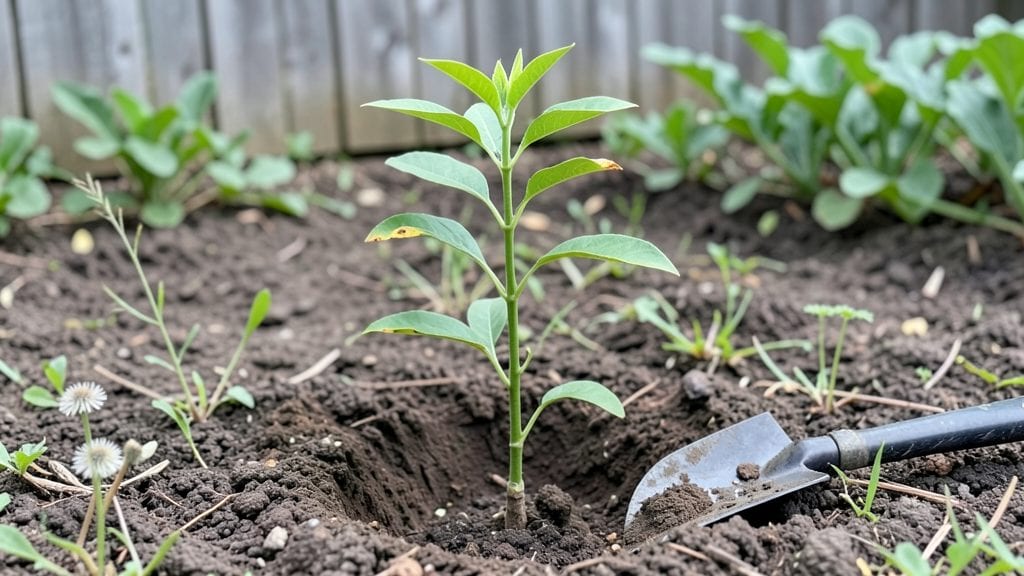
Planting crepe myrtle in clay soil isn’t just possible—it’s where these tough trees shine brightest. 🌿 I’ve watched my own crepe myrtles grow from stubborn saplings into showstopping shrubs in heavy clay, proving they’re built for the challenge.
The secret lies in giving their roots the right head start, because clay’s tight grip can strangle even the hardiest plants if you don’t play by their rules.
First, you’ll need to loosen that dense clay at least 18 inches deep where the roots will spread. Mix in a few inches of compost or aged manure to open up the soil and improve drainage without overwhelming the plant.
Crepe myrtles don’t need perfect soil—they need soil that lets air and water move, even if it’s still heavy. Think of it as giving them a breathing room.
Once planted, the real magic happens with watering. Deep soaks every 5-7 days keep the roots pushing downward where the clay is still workable, while mulch holds moisture and blocks weeds.
Within a year, those roots will have transformed the compacted soil into their own personal oasis, and you’ll see the first flush of those signature blooms—proof that patience pays off.
This method works for both container-grown crepe myrtles and bare-root transplants, making it adaptable to any yard. The key is working with the clay, not against it. Let’s get those roots growing strong!
📚 In This Guide
- What you need
- Instructions
- Tips and common mistakes
- Wrapping up and next steps
What you need
- ● Crepe Myrtle Plants: 1-3 young trees (3-5 ft tall) or bare-root saplings, depending on your desired spacing (aim for 6-10 ft apart for mature trees). Choose disease-resistant varieties like 'Natchez' or 'Arapaho' for clay-heavy areas.
- ● Organic Amendments: 50% compost (well-aged, 2-3 cubic yards per tree)
- ● 30% peat moss or coconut coir (1-2 bags per tree)
- ● 20% perlite or coarse sand (1 bag per tree, to improve aeration)
- ● Soil Conditioners: 10 lbs gypsum (breaks up clay and adds calcium)
- ● 5 lbs lime (if soil pH is below 6.0; test first!)
- ● Mulch: 2-3 inches of pine straw, wood chips, or shredded bark (avoid fresh wood mulch—it can mat and suffocate roots).
- ● Fertilizer: Slow-release, balanced fertilizer (10-10-10 or 12-12-12, 1 lb per tree).
- ● Tools: Shovel (round-point for digging)
- ● Garden fork (for aerating clay)
- ● Wheelbarrow (for mixing amendments)
- ● Garden hose (with spray nozzle)
- ● Gloves & knee pads (because we’re getting hands-on!)
- ● Soil Test Kit: To check pH and nutrient levels before planting (saves guesswork!).
- ● Drainage Tubes: Perforated PVC pipes (4-6 ft long) buried vertically near the root ball to redirect excess water (great for heavy clay spots).
- ● Root Stimulator: A mycorrhizal fungus or seaweed-based root booster to help roots establish faster.
- ● Erosion Control: Straw bales or biodegradable netting if planting on a slope.
Step-by-Step guide for planting crepe myrtle in clay soil
Crepe myrtles handle clay soil better than most—here's how to set them up for success.
🌱 Step 1: Amend the Clay Soil Before Planting
Clay soil drains poorly, so we'll loosen it first. Dig a hole twice as wide as the root ball and 12 inches deep. Mix the excavated clay with 1 part compost (about 5 gallons) and 1 part coarse sand (about 3 gallons) to improve drainage and aeration. This ensures roots won't suffocate.
Break up any large clay clumps with your hands or a trowel—you want the amended soil to feel crumbly, not compact. Avoid adding garden soil, as it worsens drainage. Water the amended mix lightly before planting to help it settle.
🪴 Step 2: Position the Crepe Myrtle Correctly
Place the crepe myrtle in the hole so the top of the root ball sits 1 inch above ground level. This prevents water from pooling around the stem, which causes rot. Gently spread the roots outward if they're circling—crepe myrtles hate root-bound stress.
Fill the hole halfway with the amended soil, then water deeply to remove air pockets. This step is critical—if roots dry out now, they won't establish properly. Tap the soil lightly around the base to firm it without compacting.
💧 Step 3: Mulch and Water for Establishment
Spread 2-3 inches of mulch (like pine straw or shredded bark) over the soil, keeping it 6 inches away from the trunk. This conserves moisture and regulates soil temperature. Water the plant 1-2 times per week for the first 4-6 weeks, ensuring the soil stays moist but not soggy.
Check moisture by sticking your finger 2 inches deep—if it feels dry, water again. Overwatering in clay is just as harmful as underwatering. Once established, crepe myrtles tolerate drought, but young roots need consistent moisture.
☀️ Step 4: Prune for Airflow and Sunlight Access
After planting, prune any broken or crossing branches to encourage strong growth. Crepe myrtles thrive in full sun (6+ hours daily), so avoid planting under dense shade. Thin out lower branches to improve airflow, which prevents fungal diseases common in clay-heavy areas.
Wait until spring to prune further—never cut into old wood, as crepe myrtles won't regrow from those spots. A light pruning now ensures the plant focuses energy on root development rather than repairing damaged branches.
Tips & tricks for planting crepe myrtles in challenging soil
Crepe myrtles can thrive in clay soil with the right approach—here's how to maximize their success.
Soil Amendments Are Non-Negotiable: The 5-gallon compost and 3-gallon coarse sand ratio in Step 1 isn't just about drainage—it's about creating a sponge-like texture. I've seen clay soil compacted so tightly that even amended, it could hold water like a swamp. To test your mix, grab a handful and squeeze: if it holds shape but crumbles when dropped, you're good. If it stays clumped, add more sand. This prevents the dreaded "root suffocation" that kills young plants.
Root Ball Position Matters More Than You Think: That 1-inch elevation above ground level in Step 2 isn't arbitrary—it's a lifesaver in clay. When I first planted mine, I buried the root ball flush with the soil, and within weeks, the stem started rotting. The elevation creates a slight air gap that prevents water from pooling against the trunk. Pro tip: Use a level to ensure the hole is perfectly centered—uneven positioning can cause future growth issues.
Mulch Depth and Placement Save Time Later: The 2-3 inches of mulch in Step 3 isn't just decoration—it's insulation. In my first year of gardening, I used only 1 inch of mulch and spent summer afternoons watering every day. That extra inch of mulch keeps roots consistently moist while regulating temperature swings. And keep that mulch 6 inches from the trunk—piling it against the stem creates a moist, dark environment perfect for fungal growth. I learned this the hard way when my first crepe myrtle developed stem rot.
Watering Schedule Requires a Feel for Clay: The 1-2 times per week guideline in Step 3 is a starting point, but clay soil demands attention. Stick your finger 2 inches deep—if it feels like a damp sponge, wait. If it's dry, water until moisture reaches 4 inches down. Overwatering in clay is just as deadly as underwatering. I've seen plants drown in their own soggy soil when well-meaning gardeners followed rigid schedules without checking moisture.
Pro Tips for Planting Crepe Myrtle In Clay Soil
- Crepe myrtles can thrive in clay soil with the right approach—here's how to maximize their success.
- Soil Amendments Are Non-Negotiable: The 5-gallon compost and 3-gallon coarse sand ratio in Step 1 isn't just about drainage—it's about creating a sponge-like texture.
- Root Ball Position Matters More Than You Think: That 1-inch elevation above ground level in Step 2 isn't arbitrary—it's a lifesaver in clay.
Frequently asked questions
Got questions about growing crepe myrtles in clay soil?
You’re not alone! Here are answers to the most common concerns—plus pro tips to set your plants up for success.
Can crepe myrtles survive in pure clay soil without amendments?
While crepe myrtles are adaptable, pure clay soil can limit root growth and water drainage. Without amendments (like compost or sand), they may struggle with root rot or nutrient deficiencies. Aim to loosen the top 12–18 inches of soil and mix in organic matter to improve aeration and structure. Even small changes make a big difference!
What’s the best time of year to plant crepe myrtles in clay?
Plant in early spring or fall when temperatures are mild (50–70°F). This gives roots time to establish before extreme heat or cold. Avoid planting in summer’s peak—clay soil retains heat, which can stress young roots. If you must plant in summer, water deeply daily for the first 2 weeks to help them acclimate.
Are there alternatives to crepe myrtles for clay-heavy yards?
Yes! If crepe myrtles seem too finicky, try these clay-tolerant shrubs:
- Wax Myrtle: Thrives in poor soil and handles wet clay.
- Oakleaf Hydrangea: Adapts well and blooms reliably.
- Russian Olive: Drought-resistant and tough as nails.
- Redbud Tree: Fast-growing and low-maintenance.
Why are my crepe myrtle leaves yellowing in clay soil?
Yellowing leaves often signal overwatering or nutrient lockout—common in clay. Check for:
- Poor drainage: Poke a hole in the soil; if water pools after 6 hours, amend with sand or gypsum.
- Nitrogen deficiency: Apply a slow-release fertilizer (like 10-10-10) in early spring.
- Fungal issues: Yellowing with black spots? Thin foliage for airflow and avoid overhead watering.
How often should I water crepe myrtles in clay soil?
Water deeply but infrequently—aim for 1–1.5 inches per week (including rain). Clay holds moisture, so:
- Newly planted: Water 2–3 times per week for the first month.
- Established trees: Water every 10–14 days during dry spells.
- Test soil moisture: Stick your finger 2 inches down; if dry, it’s time to water.
Wrapping up and next steps
Planting crepe myrtles in clay soil is absolutely doable—with the right prep and care, these stunning trees will reward you with vibrant blooms and lush foliage for years to come! 🌿✨ Remember, the key lies in amending the soil, improving drainage, and giving your tree space to grow.
With patience and a little elbow grease, you’ll soon enjoy a thriving landscape that defies the challenges of heavy clay.
Ready to take the next step? Mark your calendar for planting season (spring or fall) and gather your tools—your crepe myrtle’s dream home is waiting! 🌱💚