
Trees
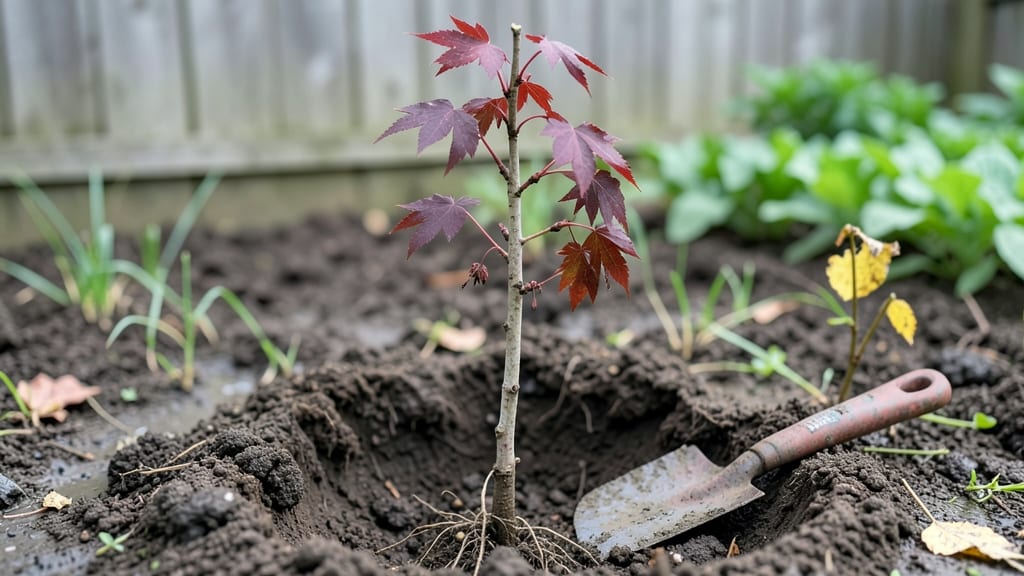
Planting trees in wet soil isn't a lost cause—it's about working with nature's moisture instead of fighting it. 🌳 I've turned soggy backyards into thriving tree havens by focusing on drainage that lets roots breathe while keeping them hydrated.
The key is choosing the right species and giving them the proper foundation to handle saturated conditions.
Start with trees like willows, alders, or bald cypress—they're built for wet feet. For soil prep, mix in 3-4 inches of coarse sand or gravel into the bottom of the planting hole to break up compaction.
This simple layer prevents water from pooling right where roots need to spread. If your soil stays soggy for weeks, consider a raised bed or mound to lift the tree's base above the worst drainage.
You'll see the difference in just 6-8 weeks: roots will grow outward instead of rotting inward, and the tree will stand tall even after heavy rains. The secret is keeping the soil moist but never waterlogged—think of it like a sponge that drains slowly, not a swamp that drowns.
With the right setup, your tree will thrive where others would struggle.
This method works for low-lying areas, flood-prone yards, or any spot where water lingers. The same principles apply whether you're planting a single shade tree or restoring a wetland edge. Let's get those roots growing strong!
📚 In This Guide
- What you need
- Instructions
- Tips and common mistakes
- Wrapping up and next steps
What you need
- ● Tree seedlings or saplings: Choose native species (e.g., willows, bald cypress, or swamp maples) or drought-tolerant varieties like oaks or pines. Quantity: 1–5 per planting session (depending on space).
- ● Amendments for drainage: Peat moss or coconut coir (5–10 gallons)
- ● Composted wood chips (2–3 cubic feet)
- ● Perlite or coarse sand (1–2 bags, 40 lbs each)
- ● Gravel or crushed stone (1–2 bags, 50 lbs each, ½–¾ inch size)
- ● Mulch: Pine straw or shredded bark (3–4 cubic feet)
- ● Shovel: Round-point or spading fork (for digging)
- ● Trenching shovel: For creating drainage channels
- ● Rake: Garden rake (for leveling soil)
- ● Wheelbarrow: (for hauling materials)
- ● Measuring tape: (for precise planting depth)
- ● Gloves & knee pads: (for comfort)
- ○ Optional (but helpful!): Soil moisture meter (to monitor wetness)
- ● French drain kit (for severe waterlogging)
- ● Tree stakes & ties (for support in windy areas)
- ● Test your soil: Conduct a simple percolation test (dig a 12-inch hole, fill with water, and time how long it drains—ideal: 4–6 hours).
- ● Check local regulations: Verify if your area has restrictions on tree species or soil amendments.
- ● Pick the right time: Plant in early spring or fall (avoid waterlogged winter or scorching summer).
- ● Assess sunlight: Ensure the planting site gets at least 4–6 hours of sunlight daily (wet soil + shade = recipe for rot!).
Step-by-Step instructions for planting trees in wet soil
Here's how to plant trees in soggy conditions while giving roots the drainage they desperately need.
🪴 Step 1: Amend the Soil Before Planting
Start by mixing 3 inches of compost into the bottom 12 inches of your planting hole. This improves drainage while providing essential nutrients. I like to add 1 part perlite or coarse sand to 3 parts compost to create a well-draining mix that won't compact when wet. The goal is to create a "sponge layer" that absorbs excess moisture while allowing roots to spread freely.
Don't skip this step—wet soil compacts easily, and roots will suffocate if they can't breathe. Test your mix by squeezing a handful: it should hold its shape but crumble when pressed firmly. If it stays clumped, add more perlite or sand.
🌱 Step 2: Dig a Properly Sized Hole
Dig your planting hole twice as wide as the root ball but only as deep as the container's root system. In wet soil, a wider hole encourages roots to spread horizontally where drainage is better. I use a shovel to loosen the sides of the hole—this prevents soil from compacting back around the roots when you plant.
Step back and check the depth: the top of the root ball should sit 1-2 inches above ground level once planted. This small mound prevents water from pooling around the trunk. If your soil feels mushy when you dig, add a 2-inch layer of gravel at the bottom of the hole before adding amended soil.
☀️ Step 3: Plant and Stake for Stability
Remove the tree from its container and gently loosen any circling roots with your fingers. Place it in the hole so the root flare (where roots meet trunk) is visible above the soil line. Fill around the roots with your amended mix, tamping lightly every 2 inches to eliminate air pockets but not compact the soil.
Stake only if necessary—wet soil makes trees top-heavy. If you do stake, use two stakes at opposite sides, tied loosely with soft fabric strips. Water deeply right after planting to settle the soil, but avoid creating a crater around the trunk. The soil surface should slope gently away from the tree to prevent water pooling.
💧 Step 4: Create a Drainage Berm
Build a 6-inch wide berm of soil around the tree's base, creating a slight mound that slopes outward. This directs water away from the trunk during heavy rains. I like to use the same amended soil mix to maintain consistency. The berm should extend 12-18 inches from the trunk—wide enough to catch runoff but not so large it becomes a maintenance burden.
Cover the berm with 2-3 inches of mulch, keeping it 6 inches away from the trunk to prevent rot. In wet conditions, mulch helps regulate soil temperature and reduces evaporation, but it must never touch the bark. Replenish mulch annually as it breaks down.
⏰ Step 5: Monitor and Maintain Drainage
Check the planting area after heavy rains—if water pools for more than 24 hours, you'll need to improve drainage further. I often add French drains (perforated pipes wrapped in landscape fabric) around the perimeter of the tree's root zone in problem areas. Cover them with 12 inches of gravel before backfilling with soil.
Fertilize lightly in spring with a balanced, slow-release fertilizer to encourage root growth without overwhelming the tree. Avoid high-nitrogen fertilizers—they promote leafy growth at the expense of roots. With proper drainage and care, your tree will establish strong roots that can handle seasonal wetness.
Tips & tricks for planting trees in wet soil
Wet soil can turn tree planting into a risky gamble, but these practical tips will give your trees the drainage they need to thrive.
The Soil Mix Test: When preparing your amended soil mix in Step 1, I learned the hard way that not all compost is created equal. If your mix feels too dense after adding the 3 parts compost to 1 part perlite/sand, try adding ½ cup of coconut coir to the mix—it helps retain structure while improving aeration. The squeeze test is key: if it stays clumped, you need more perlite or sand.
Root Ball Inspection: Before planting in Step 3, gently separate the root ball to check for circling roots—these can strangle your tree as it grows. If you find them, use your fingers to tease them outward. This is especially important in wet soil where roots need maximum access to oxygen. Don't worry about damaging roots; they're tougher than they look!
Berm Construction: For the drainage berm in Step 4, I've found that using a shovel to create a gentle slope—about a 5-degree angle—works better than trying to eyeball it. Start the berm 12 inches from the trunk and build it up gradually. This subtle angle prevents water from pooling while still being wide enough to catch runoff effectively.
Long-Term Drainage: If you're dealing with chronically soggy soil, consider installing a French drain system as mentioned in Step 5, but take it a step further. Add a 1-inch layer of horticultural charcoal above the gravel—it helps filter water while preventing clogging. This is particularly useful if your 24-hour water test shows persistent pooling after heavy rains.
Pro Tips for Planting Trees In Wet Soil
- Wet soil can turn tree planting into a risky gamble, but these practical tips will give your trees the drainage they need to thrive.
- The Soil Mix Test: When preparing your amended soil mix in Step 1, I learned the hard way that not all compost is created equal.
- Root Ball Inspection: Before planting in Step 3, gently separate the root ball to check for circling roots—these can strangle your tree as it grows.
Frequently asked questions
Got questions about tackling wet soil for your new trees? You’re not alone—planting in soggy conditions can feel tricky! Here are some of the most common concerns and straightforward answers to help you get it right.
Can I plant trees in wet soil right after heavy rain?
It’s best to wait 1–2 days after heavy rain to let the soil settle and excess water drain. Planting immediately can compact the soil around roots, reducing oxygen flow. If the ground is still muddy, amend it with compost or organic matter to improve drainage before digging.
How long does it take for wet soil to dry out enough for planting?
This depends on your climate and soil type, but aim for soil that’s moist but not saturated—like a damp sponge. Stick a trowel in the ground; if water drips out after 30 seconds, wait another day or two. Raised beds or mounds can speed up drying if needed.
What’s the best way to improve drainage in permanently wet soil?
For chronically soggy spots, combine organic and inorganic fixes:
- Raise beds: Build mounds or use landscape fabric + gravel under amended soil.
- Amend soil: Mix in compost, coconut coir, or sand (sparingly) to loosen texture.
- Drainage pipes: Install perforated pipes at the base of the planting hole if water pools.
My tree’s leaves are yellowing after planting in wet soil—what’s wrong?
Yellowing leaves often signal root rot or poor oxygen flow. Check for:
- Waterlogged soil (dig a small hole near roots—if it’s soggy, improve drainage immediately).
- Overwatering (wet soil needs less water than dry soil!).
- Compacted roots (gently loosen soil around the base with a fork).
Are there tree species that thrive in wet soil?
Skip drought-lovers like oaks or pines—opt for native wetland species instead:
- Willows (fast-growing, love moisture)
- Bald cypress (tolerates standing water)
- River birch (handles saturated soil well)
- Swamp maple (great for boggy areas)
Wrapping up and next steps
Planting trees in wet soil doesn’t have to be a challenge—with the right drainage hacks, you can give your trees the strong, healthy roots they deserve! 🌱 From choosing the perfect spot to using organic amendments and proper mulching, each step plays a key role in success.
Remember, patience and preparation are your best tools.
Ready to take action? Start by assessing your soil and picking a tree species that thrives in moisture. Then, roll up your sleeves and apply these tips to create an ideal environment for root growth. Your future shade or fruit tree will thank you—one healthy root at a time! 💪