
Propagation
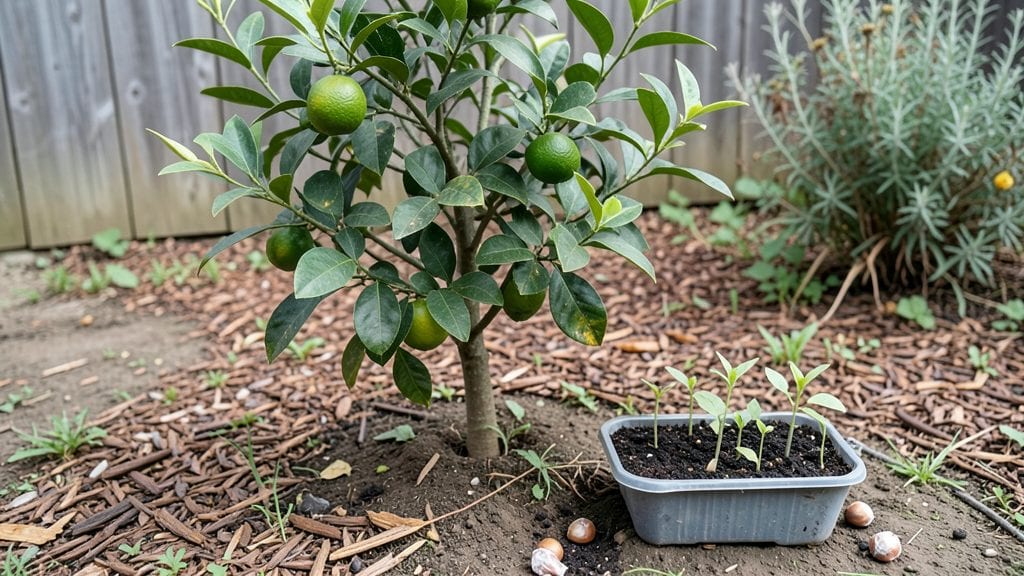
Planting clementine seeds gives you a citrus tree that’s uniquely yours—but patience is key. 🌱 I’ve tried this three times, and the first green shoot always feels like a miracle.
The seeds from store-bought clementines rarely grow true to the parent fruit, but the process itself is rewarding, even if it takes months to see real progress.
The trick starts with fresh seeds—no more than a week old—and a warm, humid environment. You’ll need a shallow tray, sterile potting mix, and a clear plastic bag to trap moisture.
Most people quit after two months when nothing sprouts, but citrus seeds can take 6-12 weeks to germinate, sometimes longer. Keep the soil damp (not soggy) and the tray in bright, indirect light.
Once those first leaves appear, you’ll be hooked. The seedlings grow slowly at first, but with proper care—regular watering, occasional fertilizer, and winter protection—they’ll reach 3-5 feet in 3-5 years. The real payoff? Fresh fruit from a tree you nurtured yourself, even if it takes a decade to bear.
Here’s the catch: seed-grown clementines rarely produce fruit identical to the parent. For faster, more predictable results, consider grafting or buying a young tree. But if you love the adventure, this method builds skills—and maybe a future orchard—one seed at a time.
📚 In This Guide
- What you need
- Instructions
- Tips and common mistakes
- Wrapping up and next steps
What you need
- ● Clementine seeds: 3–5 fresh, plump seeds (harvested from organic clementines for best results).
- ● Small pots or containers: 3–5 (4–6 inches deep) with drainage holes. Use biodegradable pots if transplanting later.
- ● Well-draining potting mix: A blend of cactus/succulent mix (60%) and perlite or coarse sand (40%) for aeration.
- ● Spray bottle: For gentle watering (avoid over-saturating seeds).
- ○ Plastic wrap or humidity dome: To create a mini greenhouse effect (optional but helpful for germination).
- ○ Heat mat (optional but recommended): A seedling heat mat (70–80°F) to speed up germination (citrus seeds love warmth!).
- ● Sunlight or grow lights: A sunny windowsill (south-facing) or LED grow lights (12–14 hours/day).
- ● Fertilizer: A balanced citrus fertilizer (5-5-5 NPK) diluted to half-strength for young seedlings.
- ● Fungicide: A natural spray like neem oil to prevent mold if humidity is high.
- ● Tall, sturdy stakes: For supporting seedlings as they grow (6–12 inches tall).
- ● Larger container: A 1–2 gallon pot for transplanting once seedlings are 6+ inches tall.
Step-by-Step instructions for planting clementine seeds
Here’s how to coax those tiny seeds into sturdy citrus saplings with patience and precision.
🌱 Step 1: Extract and Clean the Seeds
Cut a clementine in half and scoop out the seeds, removing any clinging fruit flesh. Rinse them under lukewarm water to remove residual pulp, then spread them on a paper towel. Let them air-dry for 24 hours—this prevents mold and rot later. You’ll know they’re ready when the outer membranes feel slightly leathery but not sticky.
I like to soak the seeds in a glass of warm water for 12 hours before planting. This softens the tough outer coating and speeds up germination. Just don’t let them sit longer—over-soaking can cause them to sprout prematurely or rot.
🪴 Step 2: Prepare Containers and Soil Mix
Use small pots—3-4 inches deep—with drainage holes to prevent soggy roots. Fill them with a mix of 50% potting soil and 50% perlite or sand for drainage. This lightweight blend mimics the well-draining conditions citrus trees love in nature.
Moisten the mix until it’s damp but not dripping—think of a wrung-out sponge. Press the soil down lightly to remove air pockets, then make a shallow hole about ½ inch deep for each seed. Planting too deep slows germination because the seedling must push through extra soil to reach light.
💧 Step 3: Plant and Maintain Moisture
Drop one seed into each hole and cover it with a thin layer of soil, barely enough to hide it. Mist the surface with water until it’s evenly damp, but avoid soaking the soil. Overwatering at this stage is the fastest way to lose seedlings to damping-off.
Place the pots in a warm, bright spot—70-75°F is ideal—like a sunny windowsill or under a grow light. Keep the soil consistently moist by checking the top inch daily. If it feels dry, water gently until moisture reaches 1 inch deep. You’ll see tiny sprouts in 2-4 weeks, but don’t rush it—citrus seeds can take longer.
☀️ Step 4: Provide Light and Gradual Care
Once the first true leaves appear—those are the second set after the initial cotyledons—move the seedlings to a spot with bright, indirect light for 6+ hours daily. Direct sun now can scorch tender new growth. If using a grow light, keep it 4-6 inches away and run it for 12-14 hours daily.
Fertilize lightly after 4 weeks with a diluted citrus-specific fertilizer (half-strength). Overfeeding now can burn delicate roots. Watch for leggy growth—a sign of insufficient light—and adjust the light source or rotate the pots weekly to encourage even growth.
⏰ Step 5: Transplant and Harden Off
When seedlings reach 6-8 inches tall and have 4-5 true leaves, transplant them into 5-gallon pots with fresh potting mix. Handle the roots gently—citrus trees are sensitive to root disturbance. Water thoroughly after transplanting to help the soil settle.
Start hardening off by placing the pots outside in a shaded area for 1-2 hours daily, gradually increasing time over 2 weeks. This prepares them for outdoor life without shock. Once they tolerate full sun and cooler nights, they’re ready for a permanent spot in your garden—or a larger container if you’re keeping them indoors.
Tips & tricks for growing clementine seedlings
Citrus seeds are stubborn little things—they demand patience, but these tricks will give you the best shot at success.
Germination Timing: The 24-hour drying period in Step 1 is non-negotiable. I’ve seen seeds mold within hours if left damp, and that’s a fast way to lose your crop. After drying, the 12-hour soak in warm water is your secret weapon—it softens the tough outer coating, but don’t exceed this time or you risk premature sprouting before planting. Think of it like prepping a stubborn door: you need just enough moisture to loosen things up, not drown them.
Soil Science: That 50/50 potting soil-perlite mix in Step 2 isn’t just arbitrary—citrus roots need to breathe. I’ve tried heavier mixes and watched seedlings suffocate. The perlite creates air pockets while still holding moisture, mimicking the well-draining Mediterranean soils where clementines thrive. Press the soil lightly after moistening to eliminate air pockets, but don’t compact it—you want fluffy, not dense.
Light Management: The 6+ hours of bright indirect light in Step 4 is critical, but here’s what nobody tells you: rotate your seedlings weekly. I learned this the hard way when my seedlings leaned dramatically toward the window. This simple rotation ensures even growth and prevents those sad, lopsided trees. If using grow lights, keep them 4-6 inches away—closer equals heat stress, farther means weak growth.
Hardening Off Strategy: When you start the 1-2 hour outdoor sessions in Step 5, begin with just one pot. This lets you monitor for stress signs like wilting or yellowing before committing all your seedlings. Gradually increase time over those two weeks, but watch the weather—cloudy days are perfect for longer sessions, while hot afternoons should be avoided until they’re fully acclimated.
Pro Tips for Planting Clementine Seeds
- Citrus seeds are stubborn little things—they demand patience, but these tricks will give you the best shot at success.
- Germination Timing: The 24-hour drying period in Step 1 is non-negotiable.
- Soil Science: That 50/50 potting soil-perlite mix in Step 2 isn’t just arbitrary—citrus roots need to breathe.
Frequently asked questions
Got questions about growing clementine trees from seeds? We’ve got answers! Here are some of the most common queries—and their solutions—to help you navigate the process like a pro.
How long does it take for clementine seeds to germinate?
Patience is key! Clementine seeds typically take 3 to 6 weeks to sprout, depending on temperature and moisture. Keep the soil consistently damp (not soggy) and maintain warmth (around 70–80°F). If you don’t see sprouts in 6–8 weeks, the seeds may need a little more time—or a fresh batch!
What’s the best time of year to plant clementine seeds?
Spring or early summer is ideal (think March to May in most climates). This gives seedlings enough time to establish roots before cooler weather. If you’re in a warm-weather zone, fall planting can also work—but avoid frost-prone months. Pro tip: Start seeds indoors 6–8 weeks before the last frost for a head start!
Will a clementine seed grow into a true clementine tree?
Not exactly! Seed-grown trees are unpredictable—they may produce fruit, but it could be bitter, different in size, or take 5–10 years to bear. For guaranteed clementines, grafted trees or cuttings are better. But hey, the adventure (and potential for a unique citrus variety!) makes it fun!
Why aren’t my clementine seeds sprouting?
Common culprits include:
- Dormancy: Some seeds need a stratification period (chilling). Try soaking seeds in warm water for 24 hours before planting.
- Poor soil: Use well-draining, sterile potting mix. Overwatering can suffocate seeds.
- Temperature: Seeds need warmth (70°F+). A heat mat or sunny windowsill helps.
- Old seeds: Fresh seeds (from ripe fruit) germinate best. Test viability by floating them in water—sinkers are more likely to sprout.
Can I grow clementine seeds in water instead of soil?
Place seeds in a jar of water, changing it every 2–3 days. Roots should appear in 1–3 weeks. Once roots reach 1–2 inches, transplant into soil. This method speeds up germination but requires careful monitoring to prevent mold. Warning: Seedlings grown in water alone may struggle to develop strong stems—soil is still best long-term.
Wrapping up and next steps
Growing clementine seeds into thriving citrus trees is a rewarding journey that blends patience with the joy of nurturing life! 🌱 While germination takes time and care, each step—from selecting healthy seeds to providing the right warmth and light—sets the foundation for a future harvest.
Whether you’re a beginner or a seasoned gardener, your effort will soon be rewarded with fragrant blossoms and sweet fruit.
Ready to take the next step? Start small—plant a few seeds in pots and monitor their progress. Once your seedlings are strong, consider transplanting them outdoors (if you’re in a suitable climate) or keeping them as houseplants.
Who knows? You might just grow the next generation of your favorite citrus trees! 🍊✨