
Shrubs
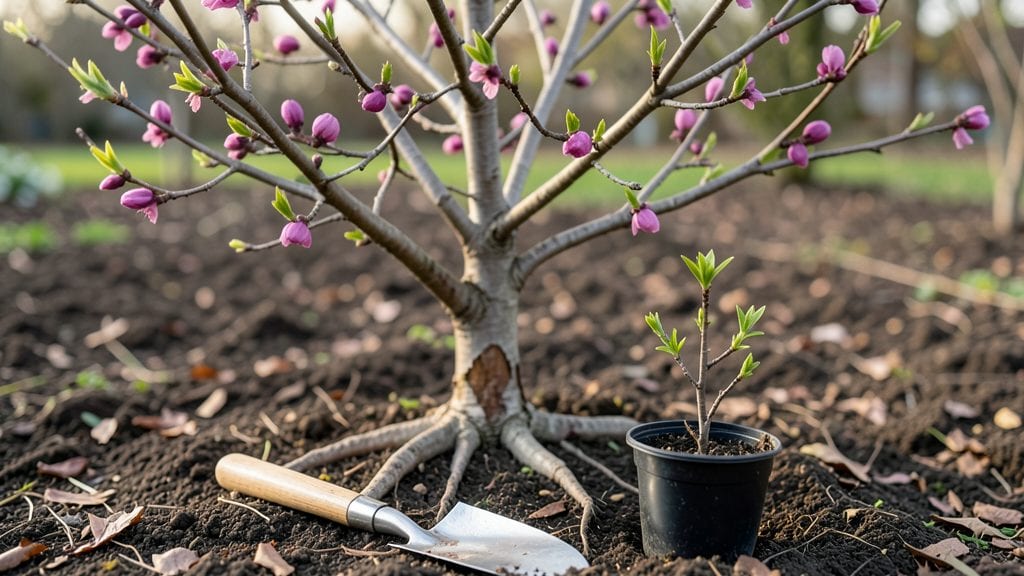
Planting a red bud tree at the right time and in the right soil is the secret to those show-stopping spring blooms you’ve been dreaming of.
Picture this: your yard bursting with vibrant pink and purple flowers in March, while your neighbor’s sad little sapling still looks like a twig. The difference? Timing, soil prep, and a few pro moves most gardeners miss. I’ve planted mine in fall and spring—here’s what worked (and what didn’t).
Red buds thrive in USDA Zone 6a when planted between September and October or in early spring, but getting the soil right is just as critical. Too much clay? Too alkaline? I’ll show you how to fix it before you even dig the hole.
Skip the guesswork and learn the exact steps for spacing, sunlight, and early care that’ll have your red bud blooming like crazy in just a few years—no weak stems or sparse flowers in sight.
Optimal red bud planting time: when to plant for maximum bloom success
The red bud tree (Cercis canadensis) rewards patience with stunning spring blooms—but timing your planting window makes all the difference. Plant too early, and roots may struggle in cold soil.
Too late, and your tree fights to establish before winter. Let’s break down the ideal planting months based on your USDA hardiness zone and climate.
Most gardeners agree that fall planting (September-October) gives red buds a head start. Cooler temperatures reduce transplant shock, while mild weather lets roots establish before dormancy. In southern climates (Zones 7-9), you can extend planting into late fall (November) or even early winter (January) if soil isn’t frozen.
Northern growers (Zones 3-6) should stick to early spring (March-April) to avoid winter stress.
Here’s the key: plant when soil temps are between 50°F and 65°F. This range ensures roots grow actively without overheating. Use a soil thermometer to check—if temps drop below 40°F, wait until spring.
Pro tip: bare-root red buds (common in nurseries) plant best in dormant season (late fall or early spring), while container-grown trees adapt better to spring planting.
Now, let’s compare your options with this quick-reference table to avoid costly mistakes:
<comparison-table>| Planting Window | Best For | USDA Zones | Soil Temp | Root Establishment |
|---|---|---|---|---|
| Late Fall (Sept-Oct) | Bare-root trees | 3-9 | 50°F-65°F | ✅ Excellent (6-8 weeks before frost) |
| Early Spring (March-April) | Container-grown trees | 3-6 | 55°F-70°F | ✅ Good (4-6 weeks before last frost) |
| Winter (Jan-Feb) | Southern climates (Zones 7-9) | 7-9 | 50°F-60°F | ⚠️ Risk of frost damage (plant dormant trees only) |
| Summer (June-Aug) | Avoid (high stress) | All | Above 75°F | ❌ Poor (heat shock, drought risk) |
✅ Best choice | ⚠️ Possible with caution | ❌ Avoid
If you’re in the southern U.S. (Zones 7-9), fall planting is your golden window. The mild winters let roots settle before spring growth. For example, in Georgia or Texas, planting in October gives your red bud time to root before summer heat arrives.
In contrast, northern gardeners (Zones 3-6) should aim for early spring—planting in April ensures roots establish before summer drought or winter freeze.
One common mistake? Planting bare-root red buds in hot summer months. The roots dry out quickly, and the tree struggles to adapt. Always water deeply after planting and mulch heavily (3-4 inches) to retain moisture.
For container-grown trees, spring planting works better because the root ball stays hydrated longer. Just avoid planting after the last frost—new growth can get nipped by unexpected cold snaps.
Climate plays a huge role. In humid southern states, fungal diseases thrive if you plant too late. Wait until October to give roots time to harden off. In dry western regions (like Arizona or Nevada), plant in late fall to take advantage of winter rains.
Even in Zone 4 (e.g., Minnesota or Maine), early May planting works if you protect young trees with burlap wraps during winter.
Here’s a pro tip: Test your soil before planting. Red buds prefer well-draining soil with a pH of 6.0-7.0. If your soil is clay-heavy, amend with compost or sand to improve drainage.
In alkaline soils (common in the West), add peat moss to lower pH. A simple soil test kit (available at garden centers) takes the guesswork out of prep.
Finally, avoid planting near large trees or structures that cast deep shade. Red buds need at least 4-6 hours of sunlight daily to bloom well. If your yard is shady, choose a partial-shade spot near a south-facing wall for reflected light.
With the right planting time and location, your red bud will reward you with vibrant spring flowers for decades.
Soil requirements for red bud trees: pH, drainage, and amendments for healthy growth
Red bud trees (Cercis canadensis) thrive when planted in the right soil conditions, but many gardeners overlook the importance of proper soil preparation. These trees prefer well-draining soil with a slightly acidic to neutral pH—typically between 6.0 and 7.0. If your soil is too alkaline or compacted, your red bud may struggle with nutrient uptake, leading to weak growth or sparse blooms. Let’s break down how to test and improve your soil for the best results.
Before planting, conduct a simple soil drainage test by digging a hole about 12 inches deep and filling it with water. If the water drains within 4-6 hours, your soil is well-draining.
If it pools or drains slowly, you’ll need to amend it with organic matter like compost or coarse sand. Red bud trees hate soggy roots, so improving drainage is critical, especially in clay-heavy soils common in many regions.
| Soil Requirement | Ideal Specification | Amendment Solution |
|---|---|---|
| pH Level | 6.0 - 7.0 (slightly acidic to neutral) | Add sulfur for alkaline soil; lime for acidic soil |
| Drainage | Well-draining (no waterlogging) | Mix in 30% compost or coarse sand |
| Organic Matter | 2-3% (rich in nutrients) | Work in aged compost or leaf mold |
| Clay Soil Fix | Loosen compacted layers | Add gypsum or expanded shale |
| Soil Texture | Loamy (balanced sand, silt, clay) | Blend in perlite or vermiculite |
If your soil tests alkaline (pH above 7.5), your red bud may suffer from chlorosis (yellowing leaves) due to iron deficiency. To fix this, mix in elemental sulfur or use an iron chelate fertilizer designed for ornamental trees.
For acidic soil (pH below 6.0), add pelletized lime to raise the pH gradually. Always test your soil again after amending—aim for that 6.0-7.0 range for optimal growth.
For clay-heavy soils, avoid digging too deep, as this can compact the soil further. Instead, focus on improving the top 12-18 inches with organic amendments like composted manure or coconut coir.
These materials break down slowly, improving soil structure over time. Mulch the surface with 3-4 inches of wood chips to retain moisture and prevent crusting, which can suffocate young roots.
One common mistake is assuming red bud trees tolerate poor soil. While they’re drought-tolerant once established, they still need fertile, well-aerated soil to produce those stunning magenta spring blooms. If your soil is sandy and nutrient-poor, mix in well-rotted compost and a slow-release fertilizer at planting time.
This gives your tree a strong start and reduces the risk of nutrient deficiencies in the first few years.
Finally, avoid waterlogged conditions at all costs. Red bud trees are sensitive to root rot, which thrives in soggy soil. If your yard has poor drainage, consider planting your tree on a slight mound or installing a French drain nearby.
With the right soil prep, your red bud will reward you with vibrant blooms and lush foliage for decades.