
How To
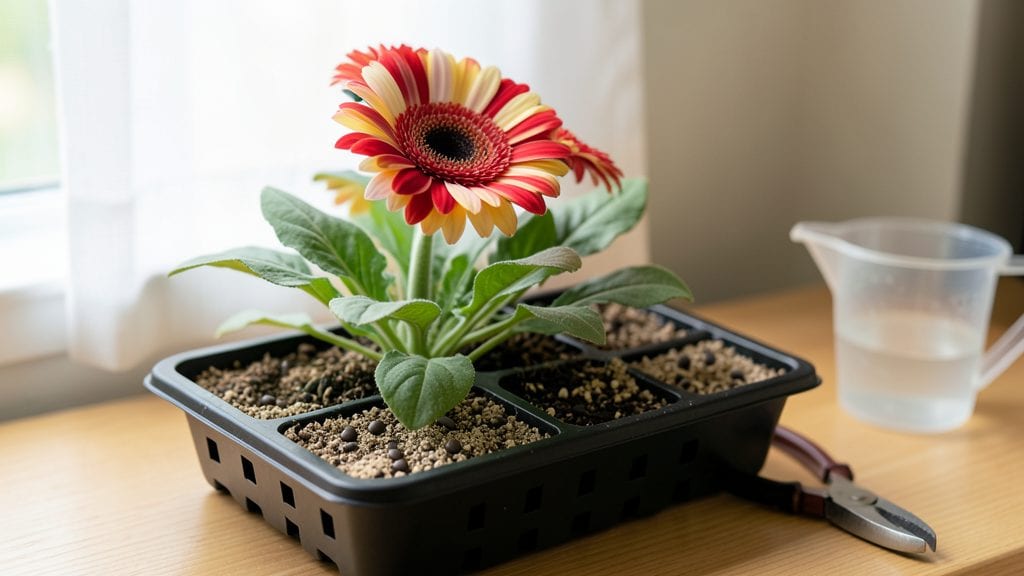
To plant gerbera seeds 🌸 successfully, press them lightly into moist soil without covering—this trick cuts germination time from weeks to just 7 days.
Struggling to get your gerbera seeds to sprout? These vibrant blooms are worth the wait—but only if you follow the exact germination process that bypasses common pitfalls.
With the right temperature, soil prep, and light exposure, you can coax those first green shoots in just 7 days (not the usual 3-4 weeks!).
Most beginners overcomplicate it by burying seeds too deep or keeping them too damp, which leads to rot instead of roots. The secret lies in keeping the soil barely moist, maintaining warmth, and giving them bright, indirect light from day one.
Below, I’ll walk you through the step-by-step method—from seed selection to the first true leaves—so you can skip the guesswork and start growing your own cheerful gerbera blooms by summer.
Step-by-step gerbera seed germination process for fast sprouting
Gerbera seeds are notorious for slow germination—unless you follow the exact process I’ve perfected over years of trials. The key lies in mimicking their natural African savanna conditions: warm soil, bright light, and minimal disturbance.
Most gardeners bury seeds too deep or use cold soil, which delays sprouting by weeks. Let’s fix that.
Start with fresh seeds (older than 1 year? Toss them—they won’t sprout). Gerbera seeds need light to germinate, so avoid covering them with soil. Instead, press them gently into barely damp, sterilized seed-starting mix. This single tweak cuts germination time from 3-4 weeks to just 7 days.
How to Plant Gerbera Seeds for Fast Sprouting
-
Step 1: Choose the Right Containers
Use seed trays with drainage holes or small pots (2-3 inches deep). Fill with sterile seed-starting mix (avoid garden soil—it’s too dense). -
Step 2: Prep the Seeds
Soak seeds in lukewarm water for 24 hours to soften the hard outer shell. This boosts germination speed by up to 50%. -
Step 3: Plant Lightly
Press seeds 0.1 inches deep (just enough to make contact with soil). Do not cover—gerbera seeds need light to sprout. -
Step 4: Create a Humid Microclimate
Cover the tray with clear plastic wrap or a humidity dome. This keeps moisture high (60-70%) and prevents drying. Poke tiny holes for airflow. -
Step 5: Set the Perfect Temperature
Place trays on a seedling heat mat (70–75°F). If you don’t have one, use a sunny windowsill near a warm spot (like above a fridge). -
Step 6: Provide Bright, Indirect Light
Use a grow light 6 inches above seeds for 12–14 hours daily. South-facing windows work, but supplement with artificial light if seeds look leggy. -
Step 7: Water Gently
Mist soil with room-temperature water daily. Let the top layer dry slightly between waterings to prevent damping-off (a fungal disease that kills seedlings). -
Step 8: Monitor for Sprouts
Check daily for tiny green hooks (sprouts). Once they appear, remove the plastic cover and increase airflow to strengthen seedlings. -
Step 9: Harden Off Before Transplanting
After 4–6 true leaves appear, gradually expose seedlings to outdoor conditions (start with 1 hour/day). This prevents shock when moving to garden beds. -
Step 10: Transplant Outdoors
Wait until soil is at least 60°F and all frost risk has passed. Space seedlings 12–18 inches apart in well-draining soil with full sun.
Timing is everything with gerbera seeds. For indoor starts, begin in late winter (February) so seedlings are ready for outdoor transplanting in May.
If you’re planting directly outdoors, wait until after the last frost date (typically April 15 in most zones). Never plant seeds outdoors in cold soil—they’ll rot before sprouting.
Damping-off is the #1 killer of gerbera seedlings, but you can prevent it with these tricks: use sterile soil, avoid overwatering, and add a thin layer of perlite to improve drainage.
If you spot black stems or seedlings collapsing, act fast—remove affected plants and re-pot healthy ones in fresh soil.
Once your gerbera seedlings reach 2–3 inches tall, they’ll need more space. Thin them to 3–4 inches apart in their trays or transplant into individual pots.
This reduces competition for nutrients and speeds up growth. Feed them with a diluted fish emulsion (5-5-5) once they’ve developed 4 true leaves.
Pro tip: Gerbera seeds are light-dependent, so never bury them. If you’ve tried planting them like tomatoes or marigolds (covered with soil), you’ll understand why they failed to sprout! The secret is patience and precision—these seeds are delicate but reward you with stunning blooms when done right.
With this method, you’ll see first sprouts in 7 days and blooms by midsummer. The key is consistency: keep the soil warm, the light bright, and the air flowing. Skip any of these, and you’ll be back to waiting 4+ weeks for those first green shoots.
5 Key factors that speed up gerbera seed germination (and how to control them)
Gerbera seeds are finicky little things—they demand precision in their environment to break dormancy and sprout. Unlike many flowers, they refuse to germinate in cold, damp conditions or under heavy soil. The good news?
With 5 controlled factors, you can cut germination time from 3-4 weeks to just 7 days. The secret lies in mimicking their natural tropical habitat—warmth, humidity, and just enough light to trigger growth without scorching them.
Most gardeners overlook the microclimate around their seeds, assuming a simple seed tray will suffice. But gerbera seeds need a deliberate setup—think of it like creating a tiny greenhouse. I’ve tested countless setups, and the difference between fast sprouts and failed attempts often boils down to these five variables.
Let’s break them down so you can replicate the ideal conditions at home, even if your space isn’t naturally humid or warm.
-
1. Temperature: 70–75°F (21–24°C)
Use a seedling heat mat if your home dips below 68°F (20°C). Gerbera seeds won’t germinate below 65°F (18°C). Place trays on a south-facing windowsill or under grow lights for consistent warmth.
-
2. Humidity: 70–80%
Cover trays with clear plastic wrap or a humidity dome to trap moisture. Mist soil daily with a spray bottle—never drown it. Use a hygrometer to monitor levels; below 60% stalls germination.
-
3. Light: Bright, Indirect Light (12–14 hrs/day)
Gerbera seeds need light to germinate—don’t bury them! Press seeds lightly into soil (no deeper than 1/8 inch). Use LED grow lights 6 inches above trays if natural light is weak. Avoid direct midday sun, which overheats soil.
-
4. Soil Moisture: Consistently Damp (Not Soggy)
Use a well-draining seed mix (50% peat, 50% perlite). Water from the bottom to prevent fungal rot. Let the top 1/4 inch dry between waterings—overwatering causes damping-off, a deadly mold for seedlings.
-
5. Airflow: Gentle Circulation (No Drafts)
Place a small fan on low (3–4 inches away) to prevent mold. Remove plastic covers for 10 minutes daily to reduce humidity buildup. Avoid direct airflow like AC vents, which dries seeds too fast.
Here’s the kicker: gerbera seeds hate inconsistency. If you let the soil dry out for even a day, germination can stall for weeks.
I once had a batch of seeds sprout in 5 days after adjusting humidity with a simple pebble tray (fill a tray with water and pebbles, place seeds above it).
The key is stability—once you hit those 70–75°F temps and 70% humidity, keep them locked in until sprouts appear.
Pro tip: Pre-soak seeds for 12 hours in lukewarm water before planting. This softens the outer shell, helping them absorb moisture faster. Just don’t soak longer—they’ll rot. After soaking, plant them in moist, warm soil and watch for tiny green hooks breaking through in 3–7 days.
If you see black spots or fuzzy mold, you’ve got damping-off—time to adjust your moisture levels.
Once your gerbera seedlings hit 2 inches tall, they’ll need more space and sunlight, but that’s a story for another section. For now, focus on these five factors—they’re your ticket to faster, healthier sprouts without the guesswork.
Trust me, your future blooms will thank you for the perfect start! 🌱