
Planting
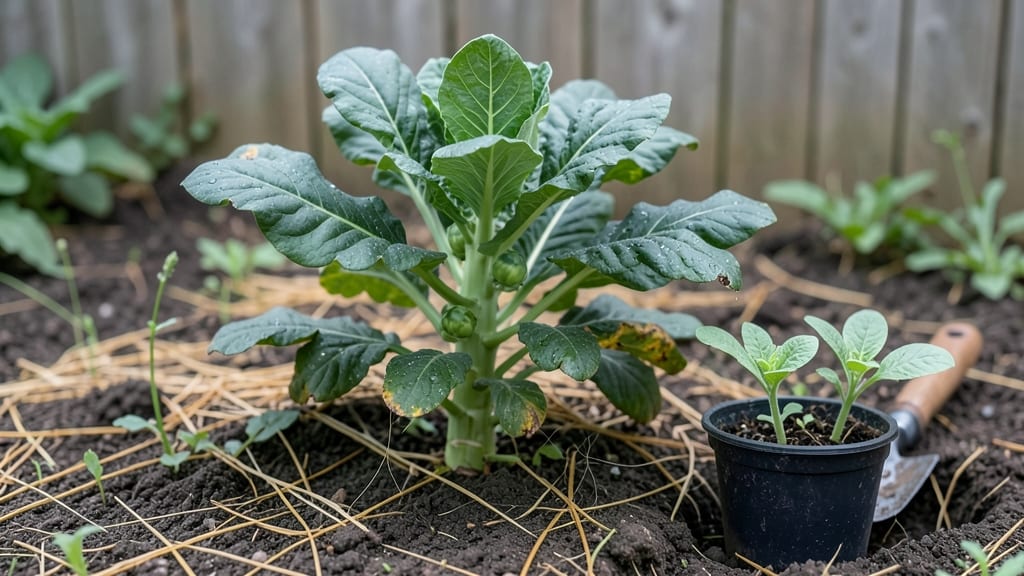
Planting Brussels sprouts in fall delivers sweeter, more tender harvests than spring planting—those cold snaps actually enhance flavor. ✨ I learned this the hard way after my first spring crop tasted bland and tough, but once I switched to fall, my harvest became the talk of the neighborhood dinner table.
The secret lies in timing: sow seeds 6-8 weeks before your first frost, when soil temps hover around 45-50°F. Brussels sprouts thrive in cool weather, and a light frost sweetens their flavor like nothing else.
You’ll need well-draining soil mixed with compost, and spacing plants 18-24 inches apart to give them room to grow their signature stalks.
By winter, you’ll be harvesting bright green, frost-kissed sprouts that snap off cleanly with a twist. The plants stay productive even through light freezes, and fewer pests bother them in fall compared to spring.
Just watch for flea beetles early on—cover seedlings with row fabric if they’re a problem in your area.
This method works best in USDA Zones 3-9, though southern gardeners may need to plant even earlier. For a continuous harvest, stagger plantings every 2-3 weeks in early fall. The payoff? Homegrown Brussels sprouts that outshine anything you’ve ever bought at the store.
📚 In This Guide
- What you need
- Instructions
- Tips and common mistakes
- Wrapping up and next steps
What you need
- ● Brussels sprouts seeds: 1–2 ounces (enough for ~100 plants). Choose cold-hardy varieties like 'Long Island Improved' or 'Ruby Ball'.
- ● Well-draining soil: Loamy, slightly acidic (pH 6.0–7.0). Amend with compost (2–3 inches mixed into the top 12 inches of soil).
- ● Fertilizer: Balanced organic fertilizer (e.g., 5-5-5 or 10-10-10) at planting.
- ● Side-dress with nitrogen-rich fertilizer (e.g., blood meal or fish emulsion) mid-season.
- ● Watering supplies: Drip irrigation or soaker hose (consistent moisture is key!).
- ● Stakes or cages: 4–6 ft tall (Brussels sprouts grow 2–3 ft tall).
- ● Mulch: Straw or shredded leaves (2–3 inches) to retain moisture and protect roots.
- ● Row covers: Frost cloth (for early fall protection) or shade cloth (if temps soar).
- ● Soil thermometer: Ensure soil temps are below 80°F (ideal: 60–70°F for germination).
- ● Epsom salt: 1 tbsp per plant (mixed into soil) for magnesium boost.
- ● Companion plants: Beets, onions, or celery (deter pests naturally).
- ● Garden journal: Track planting dates, watering, and frost dates for next year!
Step-by-Step instructions for planting Brussels sprouts in fall
Here's how to get a head start on next year's harvest by planting these cold-loving greens now.
🌱 Step 1: Prepare the Planting Site for Cool-Season Growth
Brussels sprouts thrive in cool weather, so choose a location that gets full sun (6+ hours daily) but won't bake in summer heat. Work the soil to a depth of 12 inches, breaking up any compacted layers. These plants need loose, well-draining soil to develop their signature flavor.
Mix in 2-3 inches of compost to enrich the soil without over-fertilizing—too much nitrogen early on produces leafy growth at the expense of those prized sprouts. I like to add a handful of aged manure or worm castings for slow-release nutrients. The goal is soil that crumbles easily when you squeeze it, not clumps that hold moisture.
🌿 Step 2: Plant Seeds at the Right Depth and Spacing
Sow seeds ¼ inch deep in rows spaced 18-24 inches apart. Planting too shallow risks drying out the seeds, while burying them deeper delays germination. I like to use a small garden rake to create a shallow trench, drop seeds every 2 inches, then cover lightly with soil.
Water gently right after planting to settle the soil around the seeds. You'll see tiny sprouts in 7-14 days—don't be tempted to thin too early. Wait until seedlings have 2-3 true leaves (not just the first cotyledons) before thinning to 12-18 inches apart in the row. This gives roots room to spread and develop strong stems.
💧 Step 3: Maintain Consistent Moisture Without Overwatering
Brussels sprouts need 1-1.5 inches of water weekly, but they hate soggy feet. Water deeply 2-3 times per week until the top 2 inches of soil feel dry. I use a soaker hose to deliver water at the base, avoiding wetting the leaves—which can lead to rot or fungal issues.
Mulch with 2-3 inches of straw or shredded leaves to retain moisture and regulate soil temperature. This is especially important as winter approaches, when soil can freeze and thaw unpredictably. Check moisture levels by sticking your finger into the soil—it should feel damp but not wet.
☀️ Step 4: Protect Young Plants from Early Frost
While Brussels sprouts tolerate light frosts, young seedlings can be damaged by sudden freezes. If temperatures dip below 25°F, cover plants with frost cloth or row covers secured with stakes. Remove covers during the day to allow sunlight, then replace them at night.
As plants mature, they develop more cold hardiness. By late fall, you can leave them uncovered—even light frosts actually improve flavor. Watch for 3-4 inch sprouts forming along the stem; these are your harvest signal. The smaller they are when picked, the sweeter they'll taste.
✂️ Step 5: Harvest and Extend the Season
Start harvesting from the bottom up when sprouts reach 1-1.5 inches in diameter. Twist gently to remove, leaving the stem intact. This encourages more sprouts to form higher up. I harvest every 2-3 days in late fall, then again in early spring before new growth begins.
If a hard freeze threatens, cover the entire plant with straw or leaves to protect it through winter. Many gardeners find their Brussels sprouts taste sweeter after a light frost—just don't let them sit in prolonged freezing temperatures. With proper fall planting, you'll enjoy fresh harvests for months to come.
Tips & tricks for perfect fall Brussels sprout planting
These practical tips will help you avoid common pitfalls and maximize your harvest when planting Brussels sprouts this fall.
Soil Preparation Secret: When working your soil to 12 inches deep in Step 1, don't just loosen it—break up any compacted layers with a broadfork. Compacted soil restricts root growth, which directly impacts sprout development. I like to add a thin layer of sand to heavy clay soils to improve drainage, especially if your garden tends to stay damp. This ensures those prized sprouts form properly rather than developing leafy tops.
Planting Depth Precision: That ¼-inch planting depth in Step 2 might seem shallow, but it's crucial for quick germination. Use a ruler or seed spacing tool to verify depth—seeds planted too deep may not emerge at all. For extra insurance, I press the soil gently around seeds with my fingers to create good seed-to-soil contact, which helps moisture reach the seeds faster.
Frost Protection Strategy: In Step 4, when temperatures dip below 25°F, don't just throw any old blanket over your seedlings. Use frost cloth specifically designed for plants—it allows sunlight while trapping heat. I secure it with small stakes and leave a small opening at the bottom for air circulation. This prevents condensation buildup that can lead to fungal issues while still protecting your young plants.
Harvest Timing Insight: Those 1-1.5 inch sprouts in Step 5 are your sweet spot for flavor. I harvest in the morning after a light frost when the sprouts are at their peak sweetness. Use sharp scissors to cut stems just above the sprout—this prevents damage to the plant and encourages more sprouts to form higher up. The smaller you pick them, the more sprouts you'll get throughout the season.
Pro Tips for Planting Brussel Sprouts In Fall
- These practical tips will help you avoid common pitfalls and maximize your harvest when planting Brussels sprouts this fall.
- Soil Preparation Secret: When working your soil to 12 inches deep in Step 1, don't just loosen it—break up any compacted layers with a broadfork.
- Planting Depth Precision: That ¼-inch planting depth in Step 2 might seem shallow, but it's crucial for quick germination.
Frequently asked questions
Got questions about planting Brussels sprouts in the fall? You’re not alone! Here are some of the most common queries—and their answers—to help you grow a thriving crop this season.
When is the exact best time to plant Brussels sprouts in fall?
For most U.S. climates, aim to plant 8–10 weeks before your first hard frost (typically late August to early September). This gives sprouts enough time to mature before winter sets in. Check your local frost dates for precision!
Do Brussels sprouts need frost to sweeten?
Yes! A light frost enhances their sweetness, but they’ll still grow (and taste decent) without it. If your fall is mild, just plant early enough for a full harvest before temps drop below 20°F. Overwintering varieties can handle colder climates!
Can I plant Brussels sprouts in containers or small spaces?
Choose dwarf varieties like ‘Long Island Improved’ or ‘Ruby Ball’ for containers (at least 12" deep). Space plants 12–18 inches apart in pots or raised beds. Just ensure they get full sun (6+ hours/day) and consistent moisture.
How do I protect my sprouts from pests like cabbage worms?
Use row covers early in the season to block moths. For existing pests, handpick worms or spray with neem oil or Bt (Bacillus thuringiensis). Healthy soil (rich in compost) also boosts plant resilience!
What if I miss the fall planting window—can I still grow them?
Try a late-winter/early-spring transplant (as soon as soil is workable). Or grow them as a summer crop in cooler climates—just plant in early spring for a harvest before summer heat peaks. Success isn’t guaranteed, but it’s worth a shot!
Should I harvest before or after frost?
Harvest just before a hard frost for the sweetest flavor, but you can keep picking through winter if temps stay above 20°F. Twist sprouts gently from the stalk—don’t cut—to avoid damaging the plant. Leave a few at the top to keep producing!
Wrapping up and next steps
Fall planting is your golden ticket to delicious, frost-sweetened Brussels sprouts—and you’ve got all the know-how to make it happen! 🌱 With the right soil, timing, and care, you’ll enjoy a bountiful harvest just in time for winter meals.
Ready to dive in? Start by gathering your supplies, then mark your calendar for those perfect late-summer planting dates.
Don’t wait—your future self (and your dinner table) will thank you! 🍽️ Next up: grab those seeds, roll up your sleeves, and let’s get growing!