
Pruning
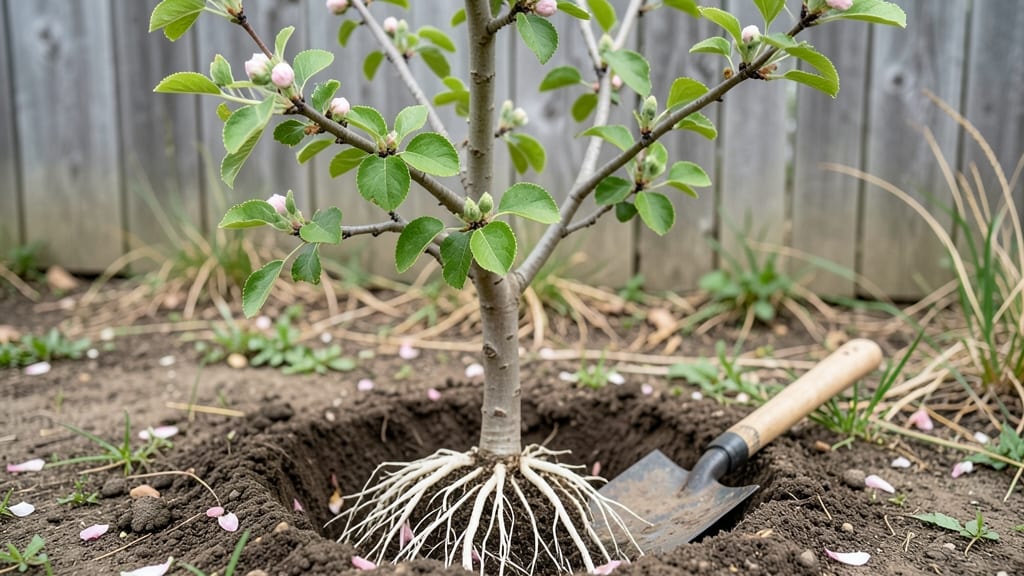
Planting a crabapple tree means adding four-season interest to your yard with almost no fuss—those glossy leaves, delicate blossoms, and persistent fruit keep things lively year-round. I’ve planted three myself, and the secret to their success isn’t in fancy techniques but in getting the basics right from day one.
The right spot, well-prepared soil, and a little patience upfront mean years of effortless beauty with minimal pruning later.
Start by picking a sunny location with good drainage—crabapples hate soggy roots. Dig a hole twice as wide as the root ball but no deeper, then loosen the sides to help roots spread.
Amend heavy soil with compost if needed, but don’t overdo it; these trees thrive in average conditions once established. The best time to plant is early spring or fall, when temperatures are mild and the tree can focus on root growth instead of stress.
After planting, water deeply to settle the soil and remove air pockets, then add a 2- to 3-inch layer of mulch to keep moisture in and weeds out. Prune only to remove broken branches or crossing limbs—crabapples handle neglect well, so resist the urge to shape them aggressively.
Within a year, you’ll see new growth, and by spring, those iconic blossoms will make every neighbor take notice.
This tree works in almost any landscape, from urban backyards to rural properties, and handles both city pollution and country winds surprisingly well. The key is giving it space—15 to 20 feet apart for mature size—and avoiding competition from nearby plants.
Once it’s in the ground, it’s basically set-and-forget with just annual mulching and occasional watering during dry spells.
📚 In This Guide
- What you need
- Instructions
- Tips and common mistakes
- Wrapping up and next steps
What you need
- ● Crabapple tree – Choose a healthy, bare-root or container-grown sapling (1-3 years old). Opt for disease-resistant varieties like 'Royal Raindrops' or 'Adirondack'.
- ● Shovel or digging spade – A round-point shovel (18-24 inches wide) works best for digging holes.
- ● Garden gloves – Heavy-duty, waterproof gloves to protect your hands from thorns and dirt.
- ● Mulch (2-3 inches) – Use organic mulch (pine bark, shredded leaves, or wood chips) to retain moisture and suppress weeds.
- ● Compost or well-aged manure – 1-2 gallons to enrich the soil and provide nutrients.
- ● Watering can or hose with a gentle spray nozzle – For deep, thorough watering without disturbing the soil.
- ○ Staking kit (optional but recommended for young trees) – Includes 2-3 wooden stakes (4-6 feet tall) and soft tree ties to provide support.
- ● Soil test kit – To check pH and nutrient levels before planting.
- ● Tree guard or protective wrap – Plastic or fabric wrap to shield the trunk from pests and sunburn.
- ● Fertilizer (slow-release, 10-10-10 or balanced formula) – Apply sparingly (1 cup per tree) at planting time.
- ● Pruning shears – For light shaping or removing dead branches after planting.
- ● Post-hole digger (if staking) – For easier stake placement in hard soil.
Step-by-Step instructions for planting a crabapple tree
Here’s how to plant your crabapple tree for strong growth and stunning seasonal displays.
Choose the Perfect Planting Spot
Crabapple trees thrive in full sun—select a location with at least 6 hours of direct sunlight daily. They’re adaptable to various soil types but perform best in well-draining, slightly acidic soil with a pH between 5.5 and 7.0. Avoid low-lying areas where water pools, as soggy roots invite disease.
Dig a hole twice as wide as the tree’s root ball but no deeper. This gives roots room to spread horizontally without crowding. If your soil is heavy clay, mix in 2-3 inches of compost from your materials to improve drainage. Test the hole depth by placing the tree in it—when the top of the root ball sits 1-2 inches above ground level, you’ve got the right fit.
Prepare the Tree and Soil
Remove the tree from its container and gently loosen the roots with your fingers if they’re circling tightly. This encourages outward growth instead of girdling. Trim any broken or damaged roots with clean, sharp pruners, but avoid over-pruning—healthy roots are your tree’s anchor.
Place the tree in the hole so it stands upright. Fill the hole with soil, tamping it down lightly as you go to eliminate air pockets. Water deeply to settle the soil around the roots. The goal is firm but not compacted soil—think of it like filling a sponge evenly. If the hole sinks slightly after watering, add more soil to maintain the 1-2 inch root flare above ground level.
Mulch and Water for Establishment
Spread 2-3 inches of mulch over the soil surface, keeping it 6 inches away from the trunk to prevent rot. Use organic mulch like wood chips or shredded bark to retain moisture and regulate soil temperature. Avoid piling mulch against the trunk—this creates a moist environment that attracts pests and disease.
Water the tree deeply once a week for the first month, providing 10-15 gallons total to encourage root growth. After that, water every 2 weeks unless your area experiences drought. You’ll know it’s time to water again when the top 2-3 inches of soil feel dry. Overwatering is just as harmful as underwatering—crabapple roots need oxygen to thrive.
Stake and Protect Young Trees
If your tree is tall or top-heavy, install 2-3 stakes positioned 6-12 inches from the trunk and tie the tree to them with soft, flexible ties (like tree straps). This prevents wind damage while allowing natural movement to strengthen the trunk. Remove stakes after 1 year to avoid girdling the tree as it grows.
Install a tree guard or wire cage around the trunk to deter rabbits and deer from browsing young bark. Crabapple trees are attractive to wildlife, so protection is key during the first 2-3 years. Check the guard monthly for damage and adjust as needed. This small effort saves you from starting over if a hungry critter takes a bite.
Monitor and Maintain Through the First Year
Fertilize lightly in early spring with a balanced, slow-release fertilizer (10-10-10 ratio) to support new growth. Apply it 6 inches away from the trunk and water it in immediately. Avoid heavy fertilization—the goal is to encourage roots, not rapid top growth, which can make the tree unstable.
Prune only to remove dead, diseased, or crossing branches in late winter or early spring. Crabapple trees are low-maintenance, but removing these problem branches now prevents future issues. Use clean, sharp pruners and make cuts just outside the branch collar. Wait until the tree is 2-3 years old before considering any structural pruning—patience here pays off with a stronger tree.
Tips & tricks for planting a crabapple tree
A few simple strategies will help your crabapple tree establish strong roots and thrive for years to come.
Soil Preparation Tip: Before planting, test your soil's pH using a simple kit from your garden center. If your soil falls outside the ideal 5.5-7.0 range, you can adjust it by adding elemental sulfur to lower pH or lime to raise it. This small step prevents nutrient deficiencies that can stress young trees. The 2-3 inches of compost mentioned in Step 1 is especially important if your soil is heavy clay—it improves drainage and provides essential nutrients without overwhelming the tree.
Root Care Secret: When loosening circling roots in Step 2, focus on the outer edges where roots naturally grow. Avoid cutting into the central root mass—these are the tree's lifelines. I've seen beginners trim too aggressively, which can actually damage the tree's ability to absorb water. Think of it like untangling a garden hose—you want to encourage natural spreading, not create new wounds.
Watering Wisdom: The first month is critical for root establishment, so don't skip the weekly deep watering. Use a garden hose with a slow setting or a watering can to deliver the 10-15 gallons evenly. A good test is to stick your finger 2-3 inches into the soil—if it feels dry, it's time to water again. Overwatering is just as harmful as underwatering, so always check before adding more water.
Mulching Mastery: While the 2-3 inches of mulch in Step 3 is perfect, consider adding a layer of straw or pine needles on top of your wood chips. This extra layer helps retain moisture during hot summer months. Just remember to keep all mulch 6 inches away from the trunk to prevent rot. I've seen many gardeners make the mistake of piling mulch against the bark, which creates the perfect environment for disease.
Pro Tips for Planting A Crabapple Tree
- A few simple strategies will help your crabapple tree establish strong roots and thrive for years to come.
- Soil Preparation Tip: Before planting, test your soil's pH using a simple kit from your garden center.
- Root Care Secret: When loosening circling roots in Step 2, focus on the outer edges where roots naturally grow.
Frequently asked questions
Got questions about planting and caring for your crabapple tree? Here are answers to the most common queries to help you get started with confidence!
When is the best time to plant a crabapple tree?
The ideal time to plant a crabapple tree is in early spring (just before buds swell) or fall (4-6 weeks before the first frost). This gives roots time to establish before extreme temperatures. Avoid planting in summer heat or winter frost, as stress can weaken young trees.
How deep and wide should the planting hole be?
Dig a hole twice as wide as the root ball but only as deep as the container or burlap wrap. Loosen the roots gently if they’re circling, then place the tree so the top of the root ball sits 1-2 inches above ground level to prevent settling. A wide hole encourages root spread!
Can I plant a crabapple tree in a small yard or container?
Crabapple trees thrive in full sun and need 6-10 feet of space for mature growth. While they can grow in containers for a few years, they’re best planted in the ground for long-term health. If space is tight, choose a dwarf variety (like ‘Sargent’ or ‘Adirondack’) and prune annually to keep it compact.
What pests or diseases should I watch for after planting?
Crabapple trees are prone to apple scab (fungus causing black spots), cedar apple rust (orange pustules), and borers (tunnels in bark). Prevent issues by watering at the base, avoiding overhead sprinklers, and applying organic fungicide in spring. Monitor for chewed leaves (deer) or sawdust-like frass (borers).
Do crabapple trees need a lot of pruning?
Not at all! These trees are low-maintenance—just remove dead/diseased branches in late winter and shape lightly after flowering (summer). Avoid heavy pruning in fall, as it can invite pests. Focus on opening the canopy for airflow and sunlight to reduce disease risk.
How often should I water a newly planted crabapple tree?
Water deeply 2-3 times per week for the first year (1-2 inches per session), then taper to once a week in dry spells. Mulch around the base (but not touching the trunk) to retain moisture. Mature trees need less water but benefit from drought relief during hot summers.
Wrapping up and next steps
Planting a crabapple tree is a rewarding way to add year-round beauty to your landscape with minimal upkeep—especially when it comes to pruning! These trees offer stunning blooms, vibrant fall foliage, and even edible fruit for wildlife (or you!).
With the right location, soil prep, and a little seasonal care, you’ll enjoy decades of effortless elegance.
Ready to get growing? 🌱 Grab your gloves, pick a sunny spot, and watch your yard transform into a picturesque haven. Next up: Mark your calendar for early spring—it’s the perfect time to plant and start reaping the rewards!