Blooming
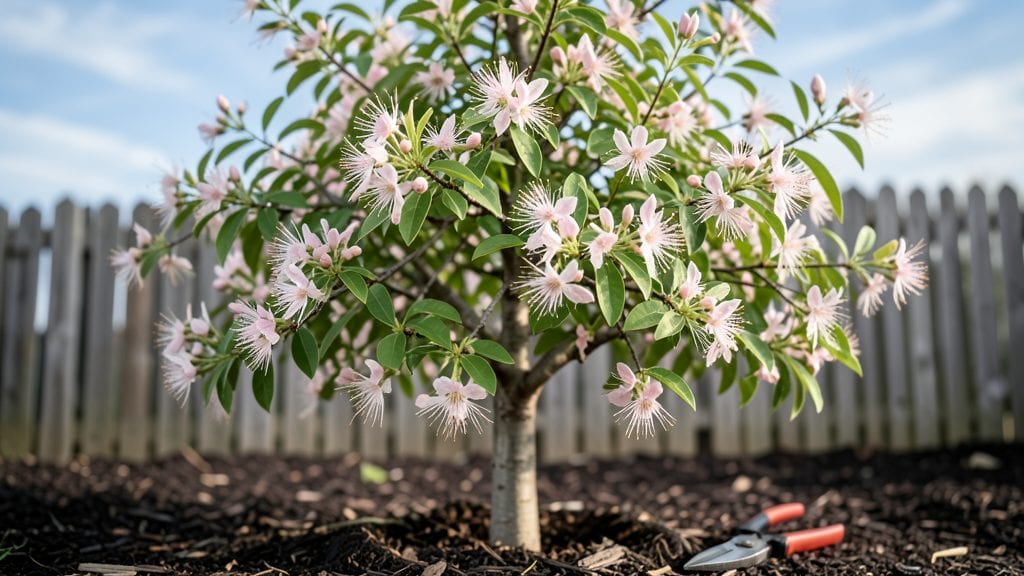
Growing an almond blossom plant transforms your garden into a dreamy spring canvas of pink and white. 🌸 I learned the hard way that these trees need more than just good intentions—they demand pruning precision to keep their blooms lush and their structure strong.
The first year I planted one, I nearly lost it to overwatering and poor timing, but now I know exactly how to coax those delicate flowers into full bloom every season.
Almond trees thrive in well-draining soil and full sun, but they’re surprisingly adaptable once you get the basics right. The key is balancing moisture—too much water drowns the roots, while too little stunts growth.
Pruning in late winter (before buds swell) keeps the tree open enough for sunlight to reach all those blossoms, and it prevents the dreaded "witches' broom" growth that makes trees look scraggly.
With the right care, you’ll get weeks of fragrant blooms that attract bees and fill the air with sweetness.
What makes these trees special is their dual role: they’re as beautiful as they are practical. The blossoms are stunning in cut arrangements, and if you’re lucky enough to grow a variety that produces nuts, you’ll have homegrown almonds too.
The trade-off? They’re frost-sensitive—late spring frosts can wipe out blooms overnight. That’s why timing your pruning and choosing the right location matters so much. A well-cared-for almond tree becomes the star of any landscape, blending ornamental beauty with functional rewards.
Even in small yards, you can grow one in a large container if you’re patient with pruning and watering. The secret to success? Start with a young tree, give it space to establish roots, and never skip the annual pruning.
Once you master the rhythm, your almond blossom plant will reward you with years of effortless elegance—and maybe even a harvest of nuts to boot.
📚 In This Guide
- What you need
- Instructions
- Tips and common mistakes
- Wrapping up and next steps
What you need
- ● Almond tree (Prunus dulcis): Seedling or bare-root sapling (check local nurseries for non-bearing varieties, as bearing trees require cross-pollination)
- ● Age: 1–3 years old for best establishment
- ● Well-draining soil: 60% sandy loam, 30% compost, 10% perlite or pumice (pH 6.0–7.5)
- ○ Optional: Soil test kit to check nutrient levels
- ● Sunlight access: Full sun (6+ hours daily) for optimal blooming
- ● Watering supplies: Drip irrigation system or hose with adjustable nozzle
- ● Watering can (for containers)
- ● Pruning tools: Bypass pruners (sharp, clean)
- ● Loppers (for thicker branches)
- ● Disinfectant (rubbing alcohol or bleach solution)
- ● Fertilizer: Balanced 10-10-10 or citrus-specific fertilizer (spring/fall)
- ○ Optional: Slow-release granules for convenience
- ● Mulch: 2–3 inches of wood chips or straw (retains moisture, regulates temperature)
- ● Container (15–20 gallon pot with drainage holes) for urban growers
- ● Pest control: Neem oil or horticultural oil (for aphids/mites)
- ● Tree support stake (for young saplings in windy areas)
- ● Bloom booster: Epsom salt (magnesium sulfate) for vibrant flowers
- ● Seasonal cover: Frost cloth (if planting in colder climates)
Step-by-Step guide to pruning your almond blossom plant
Here’s how to keep your almond tree looking stunning while encouraging abundant blooms.
✂️ Step 1: Time Your Pruning for Peak Growth
Prune your almond blossom plant in late winter or early spring, just before buds swell but before new growth begins. This timing ensures you remove dead wood while leaving healthy branches to support spring blooms. Avoid pruning in fall—it stresses the tree and invites disease before dormancy.
If you missed the winter window, prune in early summer after flowering, but avoid heavy cuts. Focus on shaping rather than removing large branches. Watch for buds—when you see tight clusters forming, that’s your cue to pause major trimming.
🌿 Step 2: Remove Dead, Diseased, or Crossing Branches
Start by cutting out dead or diseased branches first—these are easy to spot because they’re brown, brittle, or lack leaves. Use clean, sharp pruners to make a smooth cut just outside the branch collar (the swollen area where the branch meets the trunk). This prevents tearing and encourages faster healing.
Next, remove any branches that cross or rub against each other. These create wounds that invite pests and disease. Look for branches growing inward—they’ll compete for sunlight and weaken the tree’s structure. Cut these back to the nearest outward-facing bud or branch.
🌱 Step 3: Thin Out Overcrowded Areas
Almond trees thrive with good airflow, so thin out branches that grow too close together. Aim for a balanced canopy—no branch should block sunlight from reaching the center. Focus on the outer third of the tree, where new growth will be most vigorous. Remove about 20-30% of the total branches to avoid over-pruning.
When thinning, prioritize younger, smaller branches over older ones. Older branches are harder to remove and may leave ugly stubs. Cut back to a healthy bud or side branch at a 45-degree angle to encourage upward growth. You’ll see the tree’s natural shape emerge as you work.
☀️ Step 4: Shape for Optimal Sunlight and Bloom Exposure
Almond trees need full sun to produce their signature fragrant blooms, so shape the tree to maximize sunlight penetration. Open the center by raising the lower branches—cut back any limbs growing below 3 feet from the ground. These branches compete with the main structure and rarely produce quality blooms.
For a balanced silhouette, aim for a rounded or vase-like shape. Avoid a flat-topped look—this traps moisture and blocks light. Step back every few cuts to visualize the tree’s form. If one side looks sparse, focus pruning there to encourage even growth. After shaping, your tree should look open and airy, not dense.
⏰ Step 5: Clean Up and Monitor for New Growth
After pruning, sterilize your tools with rubbing alcohol to prevent spreading disease. Collect and dispose of clippings—don’t leave them under the tree, as they can harbor pests. Water the base lightly to help the tree recover, but avoid soaking the soil, which can rot fresh cuts.
Watch for new shoots emerging within 2-4 weeks. Healthy growth should be green, firm, and upright. If you see yellowing leaves or oozing sap, you may have cut too deeply or stressed the tree. Adjust future pruning to be gentler. With proper care, your almond blossom plant will reward you with vibrant spring flowers and years of beauty.
Tips & tricks for pruning your almond blossom plant
Here’s what I’ve learned after years of pruning almond trees—these small details make all the difference for healthy blooms.
Timing is Everything: In Step 1, that late winter/early spring window is critical. If you prune too early, you risk removing buds that haven’t swelled yet. I mark my calendar for when the forsythia blooms in my area—that’s my cue to prune almonds within a week after. For summer pruning, wait until those tight bud clusters form—you’ll see them swelling like tiny green beads along the branches.
Tool Technique: When removing branches in Step 2, I can’t stress enough how important clean cuts are. Use sharp pruners and make your cut just outside the branch collar—this prevents tearing that creates entry points for disease. Pro tip: Wipe your pruners with rubbing alcohol between cuts to prevent cross-contamination. I also keep a small brush handy to sweep up clippings immediately after pruning.
Visual Pruning Cues: In Step 3, when thinning branches, I look for three things: sunlight penetration, branch thickness, and bud health. Hold your hand about 6 inches from the branch—if you can’t see through to the center, you need to thin more. For the 45-degree angle cuts, I use a small level or even my phone’s protractor app to ensure consistency. This encourages upward growth and prevents those awkward stubs that can collect water.
Post-Pruning Care: After completing Step 5, I always give my tree a light watering at the base—just enough to moisten the soil about 2 inches deep. The key is to avoid wetting the cuts themselves. I’ve found that applying a thin layer of tree wound pruning paste to larger cuts helps them heal faster. Then I monitor for new shoots, which should appear within 2-4 weeks. If I see yellowing leaves, I know I cut too deeply and adjust my technique for next time.
Pro Tips for Almond Blossom Plant
- Here’s what I’ve learned after years of pruning almond trees—these small details make all the difference for healthy blooms.
- Timing is Everything: In Step 1, that late winter/early spring window is critical.
- Tool Technique: When removing branches in Step 2, I can’t stress enough how important clean cuts are.
Frequently asked questions
Got questions about growing and caring for your almond blossom plant?
You’re not alone! Here are some of the most common queries—and their answers—to help you keep your tree thriving.
When do almond blossoms typically bloom?
Almond blossoms usually bloom in late winter to early spring (February to March in most U.S. zones). Timing depends on your climate—warmer regions may see earlier blooms, while colder areas might delay them until late spring. Pro tip: Plant in a sunny spot to encourage vibrant, timely blooms!
How cold can an almond blossom plant tolerate?
Most almond trees thrive in USDA zones 5-9 but can handle brief dips to 15°F (-9°C). Young trees or tender varieties may need winter protection (like mulch or frost cloth) in colder zones. Avoid planting in areas with harsh, prolonged freezes—your tree will thank you with more blossoms!
Can I grow almond blossoms in containers?
Yes! Dwarf almond varieties (like ‘Nonpareil’) work well in 15+ gallon pots with drainage. Use well-draining soil and repot every 2-3 years. Just know: container-grown trees may bloom less prolifically than in-ground plants. Bonus: Move pots to a sunny spot in winter for extra warmth!
Why aren’t my almond blossoms opening?
Blossoms may fail to open due to cold snaps, lack of sunlight, or overwatering. Check for:
- 6+ hours of sunlight daily
- Well-draining soil (avoid soggy roots!)
- Consistent watering (drought stress can halt blooms)
Are almond blossoms edible or toxic to pets?
Almond blossoms are non-toxic to humans and pets, but the leaves and twigs contain amygdalin, which can be harmful if ingested in large amounts. Keep pets away from chewing branches, and avoid eating fallen petals (they’re not nutritious!). Safe tip: Use blossoms in floral arrangements—just admire them!
Wrapping up and next steps
The almond blossom plant brings a touch of springtime magic to your garden year-round—when nurtured with the right pruning precision! 🌸 By mastering techniques like selective trimming and seasonal shaping, you’ll unlock vibrant blooms and lush foliage that turn heads.
Whether you’re a seasoned gardener or just starting, every snip is a step toward a thriving, picturesque landscape.
Ready to transform your outdoor space? Grab your pruners and start small—try a single branch this season, then expand your skills. Your future almond blossom paradise awaits! 🌿✨