
Companion Plants
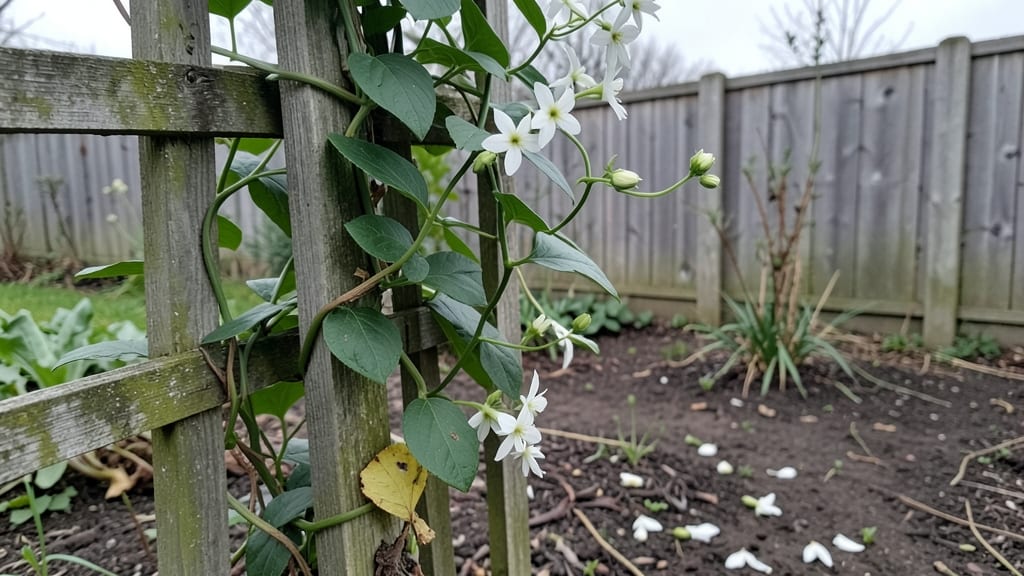
The right perfumed climbing plants can turn any garden corner into a fragrant sanctuary. I’ve designed living walls and trellises with jasmine, clematis, and star jasmine that transform evenings into sensory experiences—just a brush of breeze carries their scent through the air.
These vines don’t just look stunning; they create an atmosphere where every step feels like a stroll through a secret garden. The key lies in placement: near patios, entryways, or windows where fragrance lingers longest and invites you to pause.
Start with sun-loving varieties like star jasmine (Trachelospermum jasminoides) for southern exposures or clematis (Clematis montana) in partial shade. Pair them with complementary textures—think the delicate foliage of ferns or the bold leaves of hostas—to create visual harmony while enhancing their scent.
A well-placed trellis or arbor becomes the centerpiece, drawing the eye upward and filling the space with natural perfume that peaks at dusk. The secret? Prune strategically to encourage dense growth where fragrance releases most abundantly.
By midsummer, your garden will hum with the intoxicating aroma of blooms, especially when paired with evening-blooming varieties. Imagine sipping tea on a porch wrapped in jasmine’s sweetness or waking to the citrusy notes of star jasmine drifting through an open window.
These plants thrive with minimal fuss—just consistent watering and occasional pruning to maintain their shape. The payoff? A living fragrance display that outperforms any candle or spray.
For small spaces, opt for compact climbers like honeysuckle (Lonicera) on vertical fences, while larger varieties like wisteria (Wisteria sinensis) make dramatic statements on pergolas. Test different combinations in your microclimate—some fragrant vines perform best in coastal humidity, while others prefer dry inland air.
The right placement turns your garden into a year-round olfactory journey, one that evolves with each season.
📚 In This Guide
- What you need
- Instructions
- Tips and common mistakes
- Wrapping up and next steps
What you need
- ● Perfumed climbing plants: Choose 3–5 varieties (e.g., Jasmine (Jasminum officinale), Star Jasmine (Trachelospermum jasminoides), Clematis (Clematis spp.), or Honeysuckle (Lonicera spp.)). Start with 2–3 plants per 4' section of trellis.
- ● Trellis or climbing structure: Wooden lattice, metal grid, or PVC pipes (6'–8' tall, depending on plant height). Ensure it’s sturdy and weather-resistant.
- ● Potting soil: 10–15 gallons of well-draining, organic potting mix (amend with perlite or coconut coir for aeration).
- ● Containers or planters: Fabric grow bags (10–15 gallons) or deep pots with drainage holes (1–2 per plant).
- ● Slow-release fertilizer: Balanced 10-10-10 or organic options like composted manure (1–2 tbsp per plant).
- ● Mulch: Wood chips or shredded bark (1–2 inches thick) to retain moisture.
- ● Garden gloves (to protect your hands from thorns or rough textures).
- ● Pruning shears (for trimming and shaping vines).
- ● Watering can or hose with a gentle spray nozzle (climbing plants love consistent moisture!).
- ● Support ties (soft plant ties or Velcro strips to secure vines to the trellis).
- ○ Optional: Peat moss or coco coir (for moisture retention in dry climates).
- ● Organic liquid fertilizer (like fish emulsion, diluted to half-strength).
- ● Decorative lights or solar-powered stakes (for nighttime fragrance highlights!).
- ● Sunlight: Most perfumed climbers need 6+ hours of direct sun daily (adjust for shade-tolerant varieties like Clematis).
- ● Space: Ensure your trellis or wall has 12–18 inches of clearance for vine growth.
- ● Drainage: Verify containers or ground beds have adequate drainage to prevent root rot.
- ● Patience: Climbing plants may take 1–2 seasons to fully establish and bloom.
Step-by-step instructions for cultivating fragrant climbing vines
Here’s how to create a lush, aromatic vertical garden that thrives on trellises or living walls.
Select and Prepare Your Climbing Plants
Choose four fragrant varieties like jasmine (Trachelospermum jasminoides), star jasmine (Trachelospermum asiaticum), or clematis (Clematis spp.)—each brings distinct scents and growth habits. Start with young plants or rooted cuttings for faster establishment. If using seeds, sow them indoors 6-8 weeks before the last frost in sterile seed-starting mix to ensure strong seedlings before transplanting.
Before planting, inspect each plant for pests or disease. Prune any yellowed or damaged leaves to redirect energy into root and vine growth. This ensures your climbers establish quickly and produce abundant foliage for fragrance. I always soak bare-root plants in lukewarm water for 1-2 hours before planting to rehydrate the roots and reduce transplant shock.
Install Support Structures and Amend Soil
Install your trellis or living wall framework at least 6 feet tall to accommodate mature vine heights. Use galvanized metal or treated wood for durability, and secure it firmly to withstand wind. For living walls, attach a coconut coir or plastic mesh backing to the structure to hold soil and plants in place.
Amend the planting area with 3 gallons of compost mixed into the top 12 inches of soil. Climbing plants thrive in well-draining, nutrient-rich soil with a slightly acidic to neutral pH (6.0-7.0). If your soil is heavy clay, blend in 2 gallons of perlite per 4-square-foot area to improve aeration and drainage. This prevents root rot, which can suffocate fragrant vines.
Plant and Train the Vines
Dig holes twice as wide as the root ball but only as deep as the container the plant came in. Position each plant 12-18 inches from the support structure, ensuring the base of the trellis aligns with the plant’s natural growth direction. Gently loosen the roots if they’re circling and place the plant in the hole, backfilling with soil while firming it lightly around the base.
Water deeply immediately after planting to eliminate air pockets and encourage root contact with the soil. Install soft plant ties or spiral twine to guide the vines upward, securing them loosely every 6-12 inches as they grow. Avoid tight bindings—they restrict growth and can damage stems. I like to train vines in a spiral pattern for clematis, as it mimics their natural climbing habit and encourages bushier, more fragrant growth.
Maintain Watering and Fertilization
Water deeply once a week during the first 4-6 weeks to establish roots, then adjust based on rainfall. Aim to keep the top 2 inches of soil consistently moist but never soggy. Fragrant climbers like jasmine and star jasmine are drought-tolerant once established, but young plants need consistent moisture. Mulch with 2 inches of shredded bark around the base to retain moisture and suppress weeds.
Fertilize monthly during the growing season with a balanced, slow-release fertilizer (10-10-10) mixed at ½ strength. Avoid high-nitrogen fertilizers, which promote leafy growth at the expense of fragrance. Instead, focus on phosphorus and potassium to encourage flowering and scent production. You’ll notice stronger aromas within 6-8 weeks of consistent care.
Prune and Encourage Fragrance
Prune in early spring before new growth begins, removing dead or crossing branches to improve airflow and sunlight penetration. For jasmine and star jasmine, cut back one-third of the oldest stems annually to stimulate new, fragrant growth. Clematis benefits from two pruning sessions: first in late winter to shape the plant, and again after flowering to remove spent blooms.
Pinch back new growth when it reaches 6-8 inches to encourage bushier, more aromatic foliage. This technique redirects energy into producing more leaves and flowers rather than long, sparse vines. Harvest lightly fragrant blooms in the morning for the strongest scent, and avoid over-pruning—you want to maintain a balance between growth and fragrance production.
Tips & tricks for perfect perfumed climbing plants
Creating a thriving vertical garden with fragrant vines takes patience and attention to detail—but these insights will help you cultivate a lush, aromatic display that exceeds expectations.
Soil Preparation Matters: The 3 gallons of compost you mix into the top 12 inches of soil isn't just about nutrients—it's about creating the perfect environment for root development. I recommend adding a handful of worm castings to that compost mix, as they introduce beneficial microbes that enhance fragrance production. For heavy clay soils, the 2 gallons of perlite per 4-square-foot area should be sifted in evenly to prevent clumping, which can suffocate roots and reduce scent intensity.
Plant Selection Strategy: When choosing your four fragrant varieties, consider their mature heights and growth habits. Place taller varieties like clematis at the back of your living wall or bottom of your trellis, while lower-growing jasmine should go toward the front. This layering creates visual interest while maximizing fragrance distribution—when you brush past the plants, you'll experience a layered scent experience from bottom to top.
Training Technique Refinement: The spiral training method for clematis mentioned in Step 3 works wonders, but there's a trick to make it even more effective. After securing your vines every 6-12 inches, gently twist each stem clockwise as you attach it. This slight rotation encourages thicker stems that can support more foliage and flowers, resulting in a more robust fragrance output. Just be sure to use soft plant ties—they stretch as the vines grow, preventing the need for frequent adjustments.
Fertilization Timing: The monthly fertilization schedule during growing season is perfect, but there's a timing detail that makes all the difference. Apply your ½-strength 10-10-10 fertilizer right after a deep watering session. This ensures the nutrients are immediately available to the roots rather than sitting in dry soil. I also recommend alternating between liquid fertilizer and slow-release granules every other month to provide continuous nutrition without overloading the plants.
Pro Tips for Perfumed Climbing Plants
- Creating a thriving vertical garden with fragrant vines takes patience and attention to detail—but these insights will help you cultivate a lush, aromatic display that exceeds expectations.
- Soil Preparation Matters: The 3 gallons of compost you mix into the top 12 inches of soil isn't just about nutrients—it's about creating the perfect environment for root development.
- Plant Selection Strategy: When choosing your four fragrant varieties, consider their mature heights and growth habits.
Frequently asked questions
Got questions about growing fragrant climbing plants? You’re not alone! Here are answers to the most common ones—so you can create your dream living wall or trellis with confidence.
What’s the best time of year to plant perfumed climbing vines?
For most fragrant climbers like Jasmine or Clematis, spring (after the last frost) or early fall is ideal. This gives roots time to establish before extreme heat or cold. If planting in containers, you can also try late spring to extend the growing season.
How do I keep these plants smelling fresh all season?
Regular pruning (especially after flowering) encourages new growth and stronger fragrance. Deadhead spent blooms to redirect energy. Water consistently—fragrant climbers like Star Jasmine thrive with 1–1.5 inches of water weekly. Avoid over-fertilizing with high-nitrogen feeds, which can dilute scent.
Why aren’t my perfumed vines climbing or flowering?
Check these fixes:
- Support issues: Ensure trellises or walls are sturdy and positioned for sunlight (most need 6+ hours/day).
- Pruning mistakes: Over-pruning can reduce blooms. Trim only after flowering (except Wisteria, which needs winter pruning).
- Soil/nutrients: Amend soil with compost and use a balanced fertilizer (10-10-10) at planting time.
Are there low-maintenance alternatives to high-scented climbers?
Try Passionflower (mild citrusy scent) or Honeysuckle (sweet, drought-tolerant). For shade lovers, Clematis varieties like ‘Jackmanii’ offer delicate blooms with less upkeep. All three are deer-resistant and attract pollinators.
Can I grow perfumed climbers in containers or small spaces?
Yes! Choose compact varieties like Confetti Bush Honeysuckle or Dwarf Jasmine. Use large pots (15+ gallons) with drainage holes and a well-draining mix. Place near patios or balconies to enjoy the scent up close. Just ensure they get enough sunlight—even in containers, most need full sun to partial shade.
Wrapping up and next steps
Transforming your space with perfumed climbing plants isn’t just about aesthetics—it’s about creating a sensory haven that thrives with nature’s sweetest scents. Whether you’re crafting a living wall or a fragrant trellis, these fragrant vines bring beauty, freshness, and a touch of magic to any corner.
Ready to take the next step? Start small—pick one plant, like jasmine or clematis, and let its aroma inspire your garden’s evolution. 🌿✨
Now, grab your gardening gloves and let the fragrant adventure begin!