
Companion Plants
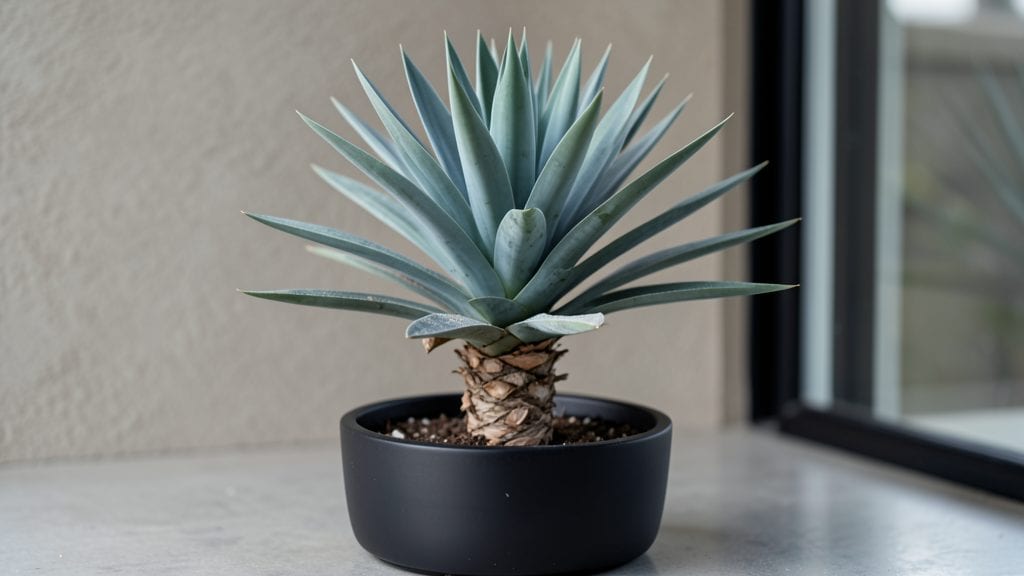
Yucca plants in your garden demand almost no effort but deliver striking architectural beauty year after year. I’ve grown them for over a decade, and their drought tolerance and bold foliage make them the perfect low-maintenance perennial for sunny spots.
The key lies in mimicking their native desert conditions—well-draining soil, full sun, and infrequent watering once established. Most gardeners overwater, turning these tough plants into sad, mushy messes. I’ll show you how to avoid that common mistake and keep yours thriving.
Start with the right location: yucca plants need at least six hours of direct sunlight daily and soil that drains like a sandy loam. Amend heavy clay with coarse sand or gravel to prevent root rot.
Planting is simple—dig a hole twice as wide as the root ball, place the plant so the crown sits just above soil level, and backfill with native soil. Water deeply once after planting, then let nature take over.
These plants store water in their thick leaves, so they’ll survive weeks without a drop.
Pruning comes down to two rules: remove dead or damaged leaves in early spring, and cut back old flower stalks after they fade. The result? Clean, upright plants that keep growing taller and fuller each season.
In my garden, a single clump has expanded into a 6-foot-wide specimen over time—all with zero special care. The real magic happens when you pair them with succulents or ornamental grasses, creating a modern, desert-inspired look that needs almost no attention.
For colder climates, choose cold-hardy varieties like Yucca filamentosa or Yucca gloriosa, which tolerate down to 10°F once established. In warmer zones, they’ll multiply aggressively—divide clumps every few years to share with neighbors or expand your own collection.
The best part? These plants reward neglect with resilience, making them ideal for busy gardeners or anyone tired of fussing over finicky perennials.
📚 In This Guide
- What you need
- Instructions
- Tips and common mistakes
- Wrapping up and next steps
What you need
- ● Yucca plants: 1-3 mature plants (or seeds/cuttings for propagation). Choose varieties like Yucca filamentosa (Adam’s needle) or Yucca rostrata (Spanish dagger) for drought tolerance.
- ● Well-draining soil: 5-10 bags (20 lbs each) of cactus/succulent mix or amend garden soil with 50% perlite/sand to improve drainage.
- ● Sunny planting site: A location with 6+ hours of direct sunlight daily (full sun is ideal!).
- ● Watering can or hose: With a gentle spray nozzle for post-planting hydration.
- ● Garden gloves (1 pair) – Protect your hands from sharp yucca leaves.
- ● Trowel or shovel – For digging holes (6” wide and deep for plants, ¼” deep for seeds).
- ○ Mulch (optional): 2-3 bags of gravel or coarse mulch to suppress weeds and retain moisture.
- ○ Fertilizer (optional): Slow-release granular fertilizer (10-10-10 ratio) for established plants (apply in spring).
- ○ Pruners (optional): For trimming dead leaves or shaping mature plants.
How to plant and care for yucca in your garden
Yucca plants are the ultimate low-maintenance perennials—drought-tolerant, sun-loving, and built to thrive with minimal fuss.
Choose the Perfect Planting Spot
Yucca thrives in full sun—at least 6-8 hours daily—so pick a location that gets plenty of direct sunlight. These plants hate soggy soil, so avoid low spots where water pools after rain. If your yard has heavy clay or compacted soil, amend it with 2-3 inches of coarse sand or gravel to improve drainage.
Test the soil by digging a 6-inch hole—if water sits in it after 30 minutes, you’ll need to improve drainage before planting. Yucca also tolerates heat and wind, making it ideal for exposed areas where other plants struggle. I’ve seen them survive in 100°F+ temperatures with no extra care.
Prepare the Soil and Dig the Hole
Yucca doesn’t need rich soil—it grows just fine in average garden soil, but it performs best in sandy or well-draining loam. If your soil is heavy, mix in 1 part sand or perlite for every 3 parts native soil. Avoid adding compost or fertilizer at planting time—yucca roots are sensitive to excess nutrients, which can cause rot.
Dig a hole twice as wide as the plant’s root ball but only 1-2 inches deeper. Yucca roots spread outward, not downward, so a shallow but wide hole encourages strong growth. Gently loosen the roots if they’re tightly bound, then place the plant in the hole so the crown sits just above soil level. Filling the hole too deep can smother the plant.
Plant and Water Thoroughly
Backfill the hole with soil, pressing lightly to remove air pockets but not compacting too firmly. Water deeply—about 1 gallon per plant—to help roots settle into the soil. After the first watering, let the soil dry out completely before watering again. Overwatering is the fastest way to kill yucca, so resist the urge to keep the soil moist.
Yucca is drought-tolerant once established, but young plants need 1-2 deep waterings per week during their first growing season. You’ll know they’re getting enough water when the soil feels dry 2-3 inches down—stick your finger in to check. Mulch around the base with 1-2 inches of gravel or bark to suppress weeds and retain moisture without suffocating the roots.
Provide Minimal Care for Long-Term Success
Yucca is nearly maintenance-free, but a little attention ensures it stays healthy. Fertilize once a year in early spring with a balanced, slow-release fertilizer (like 10-10-10) at half the recommended strength. Too much fertilizer leads to weak growth and attracts pests. Prune dead or damaged leaves in late winter or early spring to keep the plant looking tidy.
Watch for scale insects or mealybugs, which occasionally infest yucca. If you spot them, wipe the leaves with a soapy water solution (1 tablespoon mild dish soap per gallon of water). Yucca rarely needs repotting—once established, it can stay in one spot for years with minimal care. In fact, the older it gets, the more drought-resistant it becomes.
Protect in Harsh Winters (If Needed)
Most yucca varieties are hardy to USDA zones 4-11, but young plants or tender species (like Yucca filamentosa) may need winter protection in colder climates. If temperatures dip below 20°F, wrap the base of the plant in burlap or cover it with straw mulch. Avoid plastic, which can trap moisture and cause rot.
In spring, remove any winter protection once new growth appears. You’ll notice fresh shoots emerging from the center of the plant—this is a sign it’s recovered from cold and ready to grow. Yucca’s resilience makes it a perfect choice for xeriscaping or low-water gardens, where it adds structure and texture with almost no effort.
Tips & tricks for perfect yucca planting and care
Yucca plants might seem like they don't need much attention, but a few key tricks will help them thrive even longer with even less fuss.
Location is Everything: When selecting your planting spot in Step 1, don't just look for sun—look for the sunniest spot you can find. While 6-8 hours of sun works, I've noticed yucca plants grow most vigorously when they get closer to 8-10 hours, especially in cooler climates. Also, avoid spots where sprinklers might splash water onto the leaves, as this can cause brown spots. The 30-minute soil test is crucial—if water lingers after that time, you absolutely need to amend the soil before planting.
Soil Preparation Matters: In Step 2, when mixing sand or perlite with your native soil, don't be afraid to go a bit heavier on the amendment if your soil is particularly dense. I've seen yucca roots struggle in heavy clay even after the recommended 1:3 ratio—sometimes 2:3 works better. And remember, the crown should sit just above soil level—this prevents rot that can occur when the base stays too wet. A good trick is to mound a small ring of gravel around the base to help with drainage right from planting.
Watering Wisdom: The 1-2 deep waterings per week for young plants in Step 3 can be tricky to judge. I've found it helpful to water in the morning so any excess moisture evaporates during the day. And when checking soil moisture, stick your finger in about 2-3 inches—if it feels completely dry at that depth, it's time to water. For established plants, I've reduced watering to once every 2-3 weeks during summer, and they've thrived without any stress.
Winter Protection Secrets: When temperatures dip below 20°F in Step 5, I've had success with a lighter approach than full burlap wrapping. For young plants, I'll mound extra mulch around the base instead, which provides similar protection. And here's a pro tip: if you're using burlap, make sure it's breathable—plastic or thick fabrics can trap too much moisture and actually harm the plant. I've also seen gardeners use old Christmas lights wrapped around the base for extra warmth in extreme cold snaps.
Pro Tips for Garden Yucca Plants
- Yucca plants might seem like they don't need much attention, but a few key tricks will help them thrive even longer with even less fuss.
- Location is Everything: When selecting your planting spot in Step 1, don't just look for sun—look for the sunniest spot you can find.
- Soil Preparation Matters: In Step 2, when mixing sand or perlite with your native soil, don't be afraid to go a bit heavier on the amendment if your soil is particularly dense.
Frequently asked questions
How often should I water my yucca plant?
Yuccas are drought-tolerant once established—water deeply every 2–3 weeks in summer and monthly in winter. Overwatering is the #1 killer! Let soil dry out completely between waterings, especially in containers. Pro tip: Mulch around the base to retain moisture and deter weeds.
Can yucca plants survive winter in cold climates?
Most yuccas (like Yucca filamentosa or Yucca gloriosa) tolerate USDA Zones 5–10. In colder areas (below 10°F), protect them with mulch or burlap wraps. Young plants may need winter containers moved indoors. Watch for: Brown tips? It’s likely frost damage—trim dead leaves in spring.
Why are my yucca leaves turning brown or yellow?
Brown tips usually mean underwatering or salt buildup (from tap water). Yellowing? Overwatering or fungal issues (like root rot). Check soil moisture and prune dead fronds at the base. Prevent pests: Spray with neem oil if you spot yucca moths or aphids.
What plants pair well with yucca for low-maintenance gardens?
Yuccas love full sun and well-draining soil, so pair them with:
- Agave or sedum (succulents)
- Russian sage (drought-resistant shrub)
- Lavender (repels pests + fragrance)
- Black-eyed Susan (bright annuals)
How do I propagate yucca plants from cuttings?
Snip a healthy leaf or stem in spring/summer, let it callus for 24 hours, then plant in sandy soil. Keep lightly moist (not soggy) and place in bright, indirect light. Roots form in 4–8 weeks. Pro tip: Use a rooting hormone to speed up growth!
Are yucca plants toxic to pets or kids?
Yes! All parts of yucca contain saponins, which can cause mouth irritation, vomiting, or diarrhea if ingested. Keep plants out of reach of curious pets/kids. Symptoms? Contact a vet immediately.
Wrapping up and next steps
Garden yucca plants are the ultimate low-maintenance superstars for sunny spots—whether you're a seasoned gardener or just starting out. Their striking foliage, drought tolerance, and resilience make them a fantastic addition to borders, containers, or even as a bold statement plant.
With just the right soil, sunlight, and occasional pruning, you’ll enjoy years of stunning greenery with minimal effort. 🌵✨
Ready to give them a try? Start small—plant one or two yuccas this season and watch your garden transform into a thriving, sun-soaked oasis. Need inspiration? Mix them with succulents, agave, or ornamental grasses for a desert-inspired paradise that’s as easy to care for as it is beautiful!