Planting
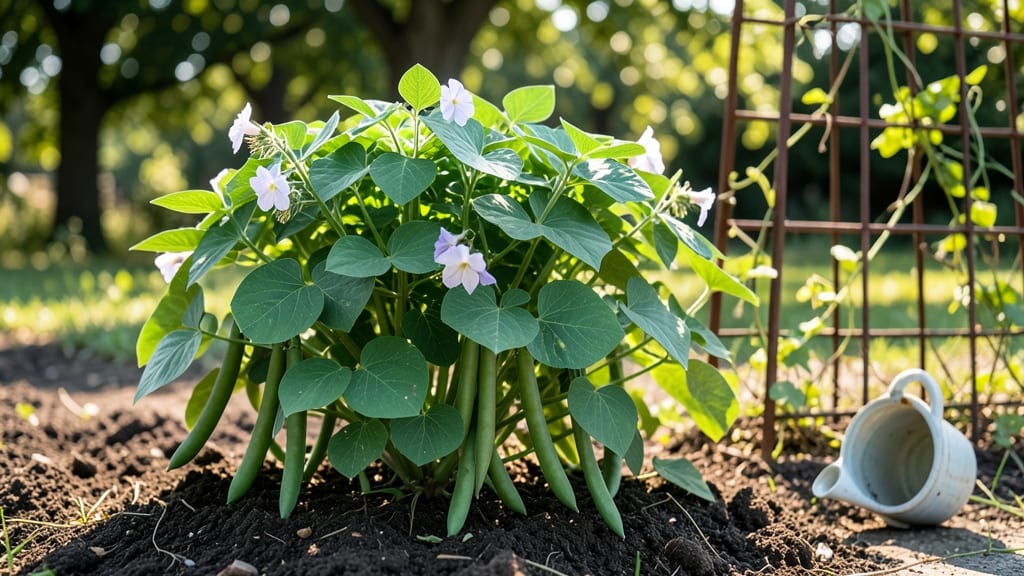
A Chinese beans plant—whether mung or yard-long—turns even small spaces into a high-yielding harvest factory with surprising ease. 🌱 I’ve grown them in containers, raised beds, and in-ground plots—each time producing more than expected with minimal fuss.
The key lies in their compact growth habit and fast maturity, making them perfect for urban gardeners or anyone short on square footage.
These beans thrive in warm climates but can also be grown in cooler seasons with proper planning. Start seeds indoors 6-8 weeks before the last frost or sow directly after soil reaches 60°F, ensuring they get 6-8 hours of sunlight daily.
Well-draining soil enriched with compost ensures strong vines and abundant pods, while consistent moisture prevents flower drop—a common issue for beginners.
By 60-70 days after planting, you’ll harvest tender pods that keep producing for weeks if you pick regularly. The plants stay productive even in small containers, and their vertical growth means you can trellis them to save space.
With the right care, one plant can yield pounds of beans—enough to freeze, dry, or enjoy fresh all season.
Whether you’re growing for stir-fries, salads, or snacks, Chinese beans deliver reliable results with minimal effort. The same techniques work for mung, yard-long, and long beans, so you can experiment with varieties without learning new skills. Let’s get those seeds in the ground!
📚 In This Guide
- What you need
- Instructions
- Tips and common mistakes
- Wrapping up and next steps
What you need
- ● Seeds: 50–100 high-quality Chinese long bean seeds (e.g., Asparagus bean or Yard-long bean varieties). Choose heirloom or organic seeds for best results.
- ● Containers or Garden Bed: For containers: 5–10-gallon pots (1–2 plants per container) with drainage holes. Opt for lightweight materials like fabric grow bags or plastic.
- ● For garden beds: Well-draining soil in a sunny spot (6+ hours of sunlight daily). Raised beds are ideal for compact growth.
- ● Potting Mix: 1–2 bags of high-quality, well-draining potting soil (mix with perlite or vermiculite for aeration). Avoid heavy garden soil.
- ● Fertilizer: Balanced organic fertilizer (e.g., 10-10-10 or compost) for planting.
- ● Slow-release granular fertilizer (e.g., fish emulsion or worm castings) for ongoing nutrition.
- ● Support Structures: Bamboo stakes, trellis nets, or small cages (3–5 ft tall) to guide vining growth.
- ● Twine or soft plant ties to secure vines gently.
- ● Watering Can or Hose: With a gentle spray nozzle to avoid damaging delicate seedlings.
- ● Pruning Shears: Small, sharp shears for trimming and harvesting.
- ● Mulch: Straw or shredded leaves to retain moisture and suppress weeds.
- ● Grow Lights: LED full-spectrum lights (for indoor or winter growing).
- ● Soil pH Test Kit: To ensure optimal pH (6.0–7.0 for Chinese beans).
- ● Pest Control: Neem oil or insecticidal soap (for aphids or spider mites).
- ● Harvest Basket: A small, breathable bag or basket to store freshly picked beans.
Step-by-Step instructions for growing Chinese long beans vertically
Here’s how I turn a small space into a high-yielding bean harvest using proven vertical techniques.
🌱 Step 1: Prepare the Growing Medium and Containers
Chinese long beans thrive in well-draining soil with plenty of organic matter. Fill your 4-gallon containers with a mix of 3 gallons potting mix and 1 gallon compost, blending them thoroughly. The compost provides essential nutrients while the potting mix ensures proper aeration—critical for preventing root rot in these fast-growing plants.
Tap the containers gently on the table to settle the mix, then water until moisture reaches 2 inches deep. You’ll know it’s right when excess water drains freely from the bottom holes without pooling. Avoid compacting the soil; press lightly with your fingers to create a firm but loose surface for seeds.
🌿 Step 2: Plant Seeds at the Correct Depth and Spacing
Sow 2-3 seeds per container at a depth of 1 inch, using the 1 packet of Chinese long bean seeds. Planting too deep slows germination, while shallow planting risks drying out the seeds. Space seeds 2 inches apart in a small cluster—this encourages competition that strengthens the healthiest stem.
Cover the seeds with soil and mist gently with water until the surface feels uniformly damp. Place the containers in a warm spot (70-75°F) with indirect light. Germination should occur in 7-10 days, but don’t be surprised if it takes up to 14 days in cooler conditions—patience is key here.
☀️ Step 3: Provide Support and Optimal Light Early
The moment seedlings reach 2 inches tall, insert a 4-foot trellis into each container. Chinese long beans are vining plants that need vertical support to grow straight and maximize yield. Secure the trellis firmly—these plants will climb aggressively once established.
Move seedlings to a location with 6-8 hours of direct sunlight daily. South-facing windows or a grow light positioned 12 inches above the plants works best. Without enough light, stems grow weak and leggy, producing fewer pods. Watch for deep green leaves—if they’re pale, your plants need more light.
💧 Step 4: Water and Fertilize for Continuous Harvest
Water when the top 1 inch of soil feels dry, which typically means every 2-3 days in warm weather. Overwatering causes root rot, while underwatering leads to blossom-end rot in the pods. I use a watering can with a narrow spout to deliver moisture directly to the soil without disturbing the plants.
Once flowers appear (3-4 weeks after planting), apply ½ teaspoon of 10-10-10 fertilizer dissolved in 1 gallon of water every 2 weeks. This boosts pod production without overloading the plants. Harvest pods when they’re 6-8 inches long—longer beans become tough and fibrous.
✂️ Step 5: Prune and Maintain for Year-Round Production
Pinch off any flowers that appear before the main vines reach the trellis top. This redirects energy to the primary stems, ensuring stronger growth and more productive vines. Regularly check for yellowing leaves—these signal overwatering or nutrient deficiency, both of which reduce yield.
In cooler months, move containers indoors near a south-facing window or under grow lights. Reduce watering slightly since growth slows, but maintain 60-65°F temperatures to keep plants active. With proper care, you’ll harvest every 2-3 weeks for months—far longer than traditional bush beans.
Tips & tricks for perfect vertical Chinese long bean growth
These growth hacks will help you maximize yield in minimal space while avoiding common pitfalls that derail even the most enthusiastic gardeners.
The Soil Mix Secret: The 3:1 ratio of potting mix to compost in Step 1 is non-negotiable for Chinese long beans. I learned this the hard way after my first attempt with garden soil—roots suffocated and plants wilted within weeks. For even better drainage, add a handful of perlite to every 4-gallon container. This prevents the dreaded root rot while maintaining moisture retention.
Germination Temperature Control: Maintaining that 70-75°F range during germination (Step 2) is crucial, but here's the trick I didn't know: place your containers on top of your refrigerator during cooler months. The heat escaping from the coils creates the perfect warm microclimate without needing a heat mat. If your kitchen stays below 65°F, consider using a seedling heat mat—these beans won't germinate reliably below 60°F.
Lighting Strategy: The 6-8 hours of direct sunlight in Step 3 is ideal, but real talk: most urban spaces can't provide this consistently. If you're using grow lights, position them 12 inches above the plants and run them for 14-16 hours daily to compensate. I use LED grow lights on a timer—this mimics summer daylight and prevents the leggy growth that comes from insufficient light. Rotate containers weekly to ensure even growth all around.
Watering Wisdom: That 1-inch dry soil test in Step 4 is your golden rule, but here's what nobody tells you: water in the morning. This gives plants all day to absorb moisture before evening, reducing the risk of fungal issues. For containers, I've found that watering at the base (rather than overhead) prevents soil compaction and keeps those delicate roots happy. If you notice the leaves curling, it's often a sign of inconsistent watering—stick to that 2-3 day schedule religiously.
Pro Tips for Chinese Beans Plant
- These growth hacks will help you maximize yield in minimal space while avoiding common pitfalls that derail even the most enthusiastic gardeners.
- The Soil Mix Secret: The 3:1 ratio of potting mix to compost in Step 1 is non-negotiable for Chinese long beans.
- Germination Temperature Control: Maintaining that 70-75°F range during germination (Step 2) is crucial, but here's the trick I didn't know: place your containers on top of your refrigerator during cooler months.
Frequently asked questions
How long does it take for Chinese beans to grow from seed to harvest?
Chinese beans (or yard-long beans) typically take 60 to 70 days to mature after sowing. However, if you're growing shorter varieties (like the "Asparagus Bean"), you might harvest in as little as 50 days. Keep an eye on pods—once they reach 12 to 18 inches (or your preferred length), they’re ready to pick!
Can I grow Chinese beans indoors or in containers?
Chinese beans thrive in containers at least 12 inches deep with good drainage. Place them in a sunny spot (6+ hours of light daily) or under grow lights. Just ensure the pot stays warm—these plants love temperatures between 70°F and 85°F. A balcony or patio works great if outdoor space is limited!
What pests should I watch out for, and how do I prevent them?
Common pests include aphids, spider mites, and bean beetles. To keep them at bay:
- Use neem oil or insecticidal soap as a natural spray.
- Plant marigolds nearby—they repel pests naturally!
- Inspect leaves regularly and remove damaged foliage.
Do Chinese beans need full sun, or can they tolerate partial shade?
Chinese beans prefer full sun (6+ hours daily), but they can tolerate partial shade (4–6 hours) if you live in a hot climate. In shadier spots, growth may slow, and yields could be smaller. If using shade cloth, opt for 30% coverage max to balance light and temperature.
Are Chinese beans easy to substitute in recipes if I can’t grow them?
Yes! If you can’t grow Chinese beans, try:
- Green beans (similar texture, shorter pods).
- Yard-long beans (same family, slightly sweeter).
- Asparagus beans (flat pods, great stir-fried).
Pro Tip:
Need a quick harvest? Try succession planting—sow new seeds every 2–3 weeks for a continuous supply of fresh pods all season long!
Wrapping up and next steps
Growing your own Chinese beans plant is a rewarding journey that brings fresh, flavorful pods to your table year-round—even in small spaces! 🌱 With the right soil, sunlight, and care, you’ll enjoy a bountiful harvest that’s both nutritious and delicious.
Whether you’re a beginner or a seasoned gardener, these compact growth hacks make it easier than ever to cultivate your green thumb.
Ready to take the next step? Start by planting your first seeds this weekend, and soon you’ll be savoring homegrown Chinese beans straight from your garden. Happy growing! 🌟