
Diseases
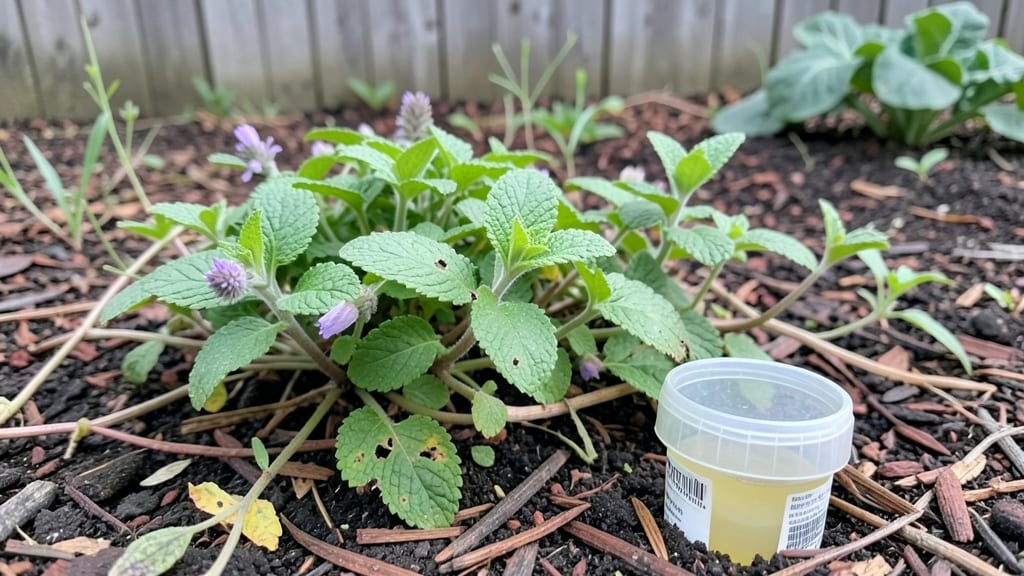
Peppermint plants turn from fragrant powerhouses to sad, spotted messes when diseases strike. 🌿 I’ve watched my vigorous mint bushes go from lush green to gray-and-spotted in just days—until I learned the fast fixes that work.
The good news? Most peppermint diseases respond quickly to simple, organic actions if you catch them early.
Powdery mildew, rust, and bacterial blight are the usual culprits, each leaving telltale marks: white fuzzy patches, orange rust spots, or yellowed, crunchy leaves. The key to stopping them fast lies in removing infected leaves immediately—don’t wait—and boosting airflow around your plants.
I’ve saved entire patches by spraying a mix of water, neem oil, and a splash of baking soda within 24 hours of noticing symptoms.
You’ll see improvement within 3-5 days if you act quickly: fresh green growth pushing through, no more spreading spots, and that signature minty aroma back in full force.
The secret is consistency—check your plants twice a week during humid months, and deadhead spent flowers to prevent fungal spores from taking hold.
Works for container gardens, window-sill pots, or in-ground plantings—just adjust watering to keep soil moist but never soggy. Here’s how to turn those sad plants back into thriving, fragrant bushes in record time.
Root Causes Of Peppermint Problems
Peppermint plants, while hardy and resilient, aren’t immune to disease—especially when environmental or cultural factors create the perfect storm for pathogens. Understanding why these issues arise is the first step to prevention.
Below, we break down the key culprits behind peppermint plant diseases, from fungal invaders to environmental stressors, with clear science-backed explanations.
Fungi thrive in damp, stagnant conditions, making them the most common peppermint plant diseases. Here’s how they take hold:
- Excess Moisture & Poor Drainage Peppermint plants love moisture, but too much water—especially in poorly draining soil—creates a fungal paradise.
Fungi like powdery mildew (Erysiphe cichoracearum) and root rot (Phytophthora spp.) latch onto damp foliage or waterlogged roots, weakening the plant over time. - Why it happens: Fungal spores germinate in humid conditions (above 70% humidity) and spread via splashing water or contaminated tools. - Actionable fix: Space plants for airflow, avoid overhead watering, and amend soil with perlite or sand to improve drainage.
- Stress From Overcrowding When peppermint plants grow too close, airflow is restricted, trapping moisture and heat between leaves.
This creates ideal conditions for rust (Puccinia spp.) and leaf spot (Septoria spp.). - Why it happens: Dense foliage blocks sunlight, reducing evaporation and increasing humidity at the plant base. - Actionable fix: Thin out plants to 12–18 inches apart and prune lower leaves to improve circulation.
Bacteria move quickly, often entering through wounds or weak spots. The two biggest offenders for peppermint:
- Bacterial Leaf Spot (Xanthomonas campestris) This bacterium causes dark, water-soaked spots on leaves, often with yellow halos. It spreads via contaminated water, tools, or even wind-splashed rain. - Why it happens: Bacteria enter through stomata (leaf pores) or injuries (e.g., from pruning or hail).
Warm, wet weather accelerates outbreaks. - Actionable fix: Sterilize pruners with rubbing alcohol, remove infected leaves immediately, and water at the base (not overhead).
- Soft Rot (Erwinia spp.) A bacterial rot that turns stems mushy and black, often starting at the soil line.
It’s common in overwatered or stressed plants. - Why it happens: Bacteria thrive in anaerobic (low-oxygen) soil, which occurs when roots are waterlogged. - Actionable fix: Reduce watering frequency, ensure pots have drainage holes, and avoid compacting soil around stems.
Peppermint plants can’t fight diseases if they’re already struggling. These factors lower their resistance:
- Temperature Fluctuations Peppermint prefers 60–75°F (15–24°C). Extreme heat or cold shocks the plant, making it susceptible to gray mold (Botrytis cinerea) or downy mildew (Peronospora spp.). - Why it happens: Cold stress damages cell walls, creating entry points for pathogens.
Heat stress reduces chlorophyll production, weakening leaves. - Actionable fix: Grow peppermint in partial shade during peak summer or use row covers in frost-prone areas.
- Nutrient Imbalances Over-fertilizing (especially with nitrogen) promotes lush, soft growth that’s prone to fungal diseases. Conversely, magnesium deficiency (yellowing between leaf veins) weakens structural integrity. - Why it happens: Excess nitrogen = more leaf surface area for pathogens to colonize.
Deficiencies = poor cell repair. - Actionable fix: Use a balanced fertilizer (10-10-10) and test soil pH (ideal: 6.0–7.0). Add Epsom salt (magnesium sulfate) if leaves show deficiency signs.
Pests like aphids, spider mites, and slugs don’t just eat peppermint—they create wounds that invite infections.
- Why it happens: Chewed leaves or sap-feeding insects (e.g., aphids) excrete honeydew, a sticky substance that fosters sooty mold (Capnodium spp.).
- Actionable fix: Introduce beneficial insects (ladybugs, lacewings) or use neem oil to deter pests before they cause damage.
Even well-meaning gardeners accidentally invite problems:
- Reusing Contaminated Tools: Fungal spores hitchhike on dirty pruners or gloves.
- Ignoring Mulch Buildup: Thick mulch layers trap moisture against stems, promoting rot.
- Planting in Old Soil: Pathogens persist in soil for years—especially verticillium wilt (Verticillium dahliae), which can lie dormant for decades.
💡 Pro Tip: Rotate crops! Never plant peppermint (or mint family members like basil) in the same spot year after year to break the disease cycle.
Quick Fixes for Peppermint Plant Ailments
Peppermint plants are hardy, but when diseases strike, acting fast can mean the difference between a thriving herb garden and a sad, wilted loss. Below, we’ve mapped out practical, step-by-step solutions for the most common peppermint diseases—plus prevention tips to keep your plants healthy long-term. No green thumb required!
Cause: High humidity, poor airflow, or wet foliage. Fix It:
🔥 Step 1: Isolate the Plant
Remove infected leaves immediately to prevent spread. Place the plant in a quarantine spot (like a shaded patio or greenhouse) until treated.
🍳 Step 2: Apply Fungicide (Natural or Store-Bought)
- Baking Soda Spray: Mix 1 tsp baking soda + 1 quart water + a drop of dish soap.
Spray both sides of leaves every 7–10 days until symptoms fade. - Neem Oil: Dilute 1 tbsp neem oil + 1 tsp mild soap + 1 quart water.
Spray in the early morning or evening (avoid direct sun) to prevent leaf burn. - Commercial Fungicide: For severe cases, use copper-based sprays (like Bonide Copper Fungicide).
🌡️ Step 3: Improve Airflow & Light
- Space plants at least 12–18 inches apart.
- Prune nearby plants to reduce humidity buildup.
- Avoid overhead watering—use a drip irrigation system or water at the base.
💡 Prevention Tips:
✔ Water in the morning so leaves dry quickly. ✔ Rotate plants occasionally for even sunlight exposure. ✔ Plant in well-draining soil (peppermint hates soggy roots!).
Cause: Contaminated water, tools, or wounds from pruning. Fix It:
👨🍳 Step 1: Sterilize Your Tools
Wipe pruners with rubbing alcohol (70% or higher) before and after use to prevent spreading bacteria.
🥘 Step 2: Remove & Destroy Infected Leaves
Snip off spotted leaves with clean scissors and dispose of them in the trash (not compost). Do not compost diseased plant material!
🔪 Step 3: Apply Copper or Antibacterial Spray
- Copper fungicide (like Copper Soap) can help prevent bacterial spread.
- Hydrogen peroxide spray (3% solution) can be used as a disinfectant (test on a small leaf first).
⏰ Step 4: Adjust Watering Habits
- Water at the base, not the leaves.
- Use rainwater or filtered water (chlorine can stress plants).
- Ensure pots have drainage holes—stagnant water = bacterial paradise.
🎯 Prevention Tips:
✔ Rotate crops if growing peppermint in the same spot yearly. ✔ Avoid working with wet leaves (bacteria love moisture!). ✔ Use fresh potting mix every season to avoid soil-borne pathogens.
Cause: Overwatering, poor drainage, or compacted soil. Fix It:
💦 Step 1: Check the Roots
Gently dig up the plant and inspect roots. Healthy roots are firm and white; rotten roots are mushy and brown/black.
🌱 Step 2: Prune & Repot (If Necessary)
- Trim away mushy roots with sterilized scissors.
- Repot in fresh, well-draining soil (mix potting soil + perlite or sand).
- Choose a pot with drainage holes (terracotta is ideal).
🔥 Step 3: Adjust Watering
- Let the top 1–2 inches of soil dry out before watering again.
- Use a moisture meter if you’re unsure—peppermint prefers moderate moisture, not soggy soil.
🌡️ Step 4: Boost Airflow & Light
- Move to a sunnier spot (peppermint needs 4–6 hours of sunlight daily).
- Space plants properly to improve airflow.
💡 Prevention Tips:
✔ Never let peppermint sit in water—empty saucers after watering. ✔ Mulch lightly (1–2 inches) to retain moisture without suffocating roots. ✔ Avoid over-potting—roots need room to breathe!
No matter the issue, these proactive steps keep peppermint plants resilient:
- Rotate plants every 2–3 years to prevent soil depletion.
- Test soil pH (ideal: 6.0–7.0)—use lime to raise pH or sulfur to lower it.
- Inspect plants weekly for early signs of stress.
- Harvest regularly to encourage new growth (stressed plants are more susceptible).
Remember: Peppermint is tough, but early action is key! With these fixes, your plants should bounce back—and stay disease-free for seasons to come. 🌿✨
Frequently asked questions
Why do my peppermint leaves develop white powdery spots?
That’s powdery mildew—a fungal disease thriving in humid conditions. The white, flour-like coating blocks sunlight and weakens your plant. To stop it, spray leaves with a mix of 1 tsp baking soda + 1 quart water + a drop of dish soap every 7-10 days. Improve airflow by spacing plants 12-18 inches apart and avoid overhead watering.
Can I still use peppermint leaves if they have brown spots?
Only if the spots are small and isolated—remove the affected leaves immediately to prevent spread. For bacterial leaf spot (dark spots with yellow halos), discard those leaves entirely. Healthy leaves can still be used for tea or cooking, but avoid using leaves with fungal growth like rust or mildew.
How often should I check my peppermint plants for diseases?
Inspect your plants twice weekly during humid months (spring/fall) and weekly in dry seasons. Focus on the undersides of leaves where fungal spores often hide. Early detection is key—catching issues within 24 hours of symptoms appearing gives you the best chance of saving your plants.
Will neem oil harm beneficial insects in my garden?
When used correctly, neem oil targets pests and fungi without harming most beneficial insects. Apply in the early morning or evening when pollinators are less active, and avoid spraying directly on flowers. Always dilute neem oil properly (1 tbsp per quart of water) to minimize any potential impact on helpful bugs.
Can I save a peppermint plant with root rot?
Sometimes! First, remove the plant and trim away all mushy, black roots with sterilized scissors. Repot in fresh, well-draining soil with perlite or sand mixed in. Water only when the top 1-2 inches of soil are dry, and move to a sunnier location. If most roots are healthy, your plant has a good chance of recovery.