
Diseases
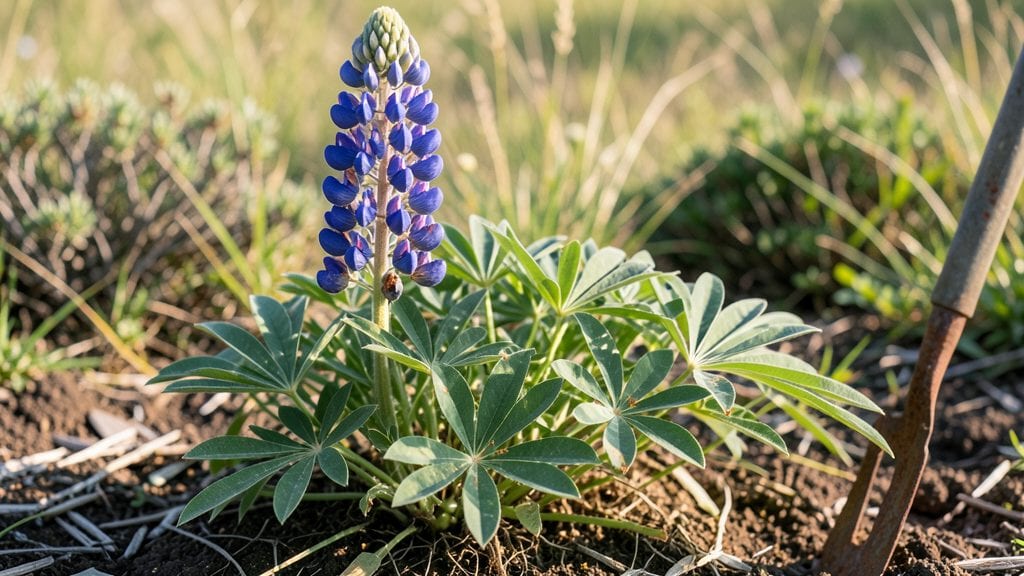
Lupine plant diseases can turn vibrant blooms into sad, spotted messes—fast. 🌿 I’ve lost entire patches to rust and mildew, but I’ve also saved others by catching problems early. The key is knowing what to watch for before your lupines go from showstopper to sad sapling.
Most issues start with water or air—too much moisture breeds rust and powdery mildew, while crowded plants trap humidity. My lupines thrived after I spaced them wider and watered at the base, not overhead.
Organic sprays with neem oil or baking soda work wonders for early-stage fungal spots, but severe cases might need pruning or even removal.
You’ll spot rust as orange pustules on leaves, mildew as white dust, and bacterial spots as dark, water-soaked patches. Act fast: cut off affected leaves, sterilize your tools, and improve airflow. With the right care, your lupines can bounce back stronger than ever—just like mine did after that rough spring.
Prevention is easier than cleanup, so focus on soil health, proper spacing, and smart watering. Once you’ve mastered these basics, your lupines will stay lush and disease-free for years. Let’s get those plants back to their best!
Root Causes Of Lupine Struggles
Lupine plants, with their striking blooms and nitrogen-fixing superpowers, aren’t immune to trouble. Understanding why diseases strike is the first step to protecting your garden. Let’s break down the science behind the chaos—so you can outsmart these pesky pathogens.
Fungi are the #1 culprit behind lupine diseases, thriving in damp, crowded conditions. Here’s how they sneak in:
- Overhead Watering: Fungi like Phytophthora and Fusarium love moisture. When water splashes leaves and stems, spores hitch a ride straight to your plant’s weak spots. 💡 Pro Tip: Water at the base, not from above, to keep foliage dry.
- Poor Air Circulation: Dense plantings or thick foliage trap humidity, creating a fungal paradise. Botrytis blight (gray mold) thrives in these conditions, turning leaves to mushy gray sludge.
- Stressed Plants: Drought, nutrient deficiencies, or compacted soil weaken lupines, making them easy targets. Fungi exploit stress like a shoplifter hitting an unlocked door.
🔍 Spot the Sign: Yellowing leaves, black spots, or powdery white growth? That’s fungi throwing a party on your lupines.
Bacteria like Xanthomonas and Pseudomonas don’t just appear—they hitch rides on tools, insects, or even your hands. Here’s how they take over:
- Contaminated Tools: Pruners, gloves, or even rainwater can carry bacterial spores. A single cut with a dirty blade? Instant infection highway.
- Warm, Wet Weather: Bacteria multiply like rabbits in spring when temps hit 70–85°F (21–29°C) and humidity spikes. 🌡️ Watch for: Oozing lesions or water-soaked brown patches on stems.
- Insect Vectors: Aphids and beetles can transfer bacterial diseases from plant to plant. It’s like a disease game of telephone—except the message is “You’re doomed.”
🚨 Red Flag: If your lupine’s leaves look like they’ve been dipped in coffee (brown, greasy spots), bacteria are likely the culprits.
Not all diseases act alone—some team up with pests to wreak havoc. Here’s how insects turn lupines into all-you-can-eat buffets:
- Root-Knot Nematodes: These microscopic worms burrow into roots, creating galls that stunt growth and open doors for fungal infections. 🔥 Result: Wilting, yellowing, and a plant that looks like it’s drowning—even when the soil is dry.
- Aphids & Spider Mites: These sap-suckers weaken plants, making them vulnerable to secondary infections. Their sticky honeydew? A magnet for sooty mold fungi.
- Cutworms & Slugs: While they don’t cause disease directly, their feeding creates wounds where pathogens can slip in. It’s like leaving the front door unlocked after a party.
🕵️♂️ Dig Deeper: Check soil and stems for tiny holes, chewed edges, or silky webbing—signs pests are turning your lupines into a disease buffet.
Lupines aren’t just fighting pathogens—they’re battling Mother Nature. These conditions create the perfect breeding ground for trouble:
| Factor | How It Helps Diseases | What You Can Do |
|---|---|---|
| 💧 Excess Moisture | Fungi and bacteria thrive in soggy soil. Root rot and leaf spots flourish when feet stay wet. | Improve drainage with compost or raised beds. Avoid overwatering—lupines hate “wet socks.” |
| ☀️🌡️ Extreme Heat | Heat stress weakens plants, making them susceptible to sun scorch and fungal infections. | Provide afternoon shade in hot climates. Mulch to keep roots cool. |
| 🌪️ Poor Ventilation | Stagnant air traps humidity, ideal for powdery mildew and rust diseases. | Space plants 12–18 inches apart. Prune to improve airflow. |
✨ Silver Lining: Lupines are hardy, but even superheroes need backup. Adjusting these factors can drastically reduce disease risks.
Practical fixes for lupine ailments
Lupine plants may be hardy, but they’re not immune to disease. The good news? Most issues have clear solutions—whether you’re dealing with fungal infections, bacterial blights, or pest-related stress. Below, we’ll break down cause-specific fixes, from quick remedies to long-term prevention, so your lupines stay vibrant and healthy.
Fungi like powdery mildew, rust, and root rot thrive in damp conditions. Act fast to prevent them from taking over.
🔥 Treat Powdery Mildew & Rust
- Remove infected leaves 🍂: Snip off yellowed or spotted foliage and dispose of it in a sealed trash bag (don’t compost!).
- Apply neem oil spray 🌿: Mix 1 tsp neem oil + 1 tsp mild soap + 1 quart water, spray on both leaf surfaces, and repeat every 7–10 days until symptoms fade.
- Improve airflow 💨: Prune crowded stems and space plants 12–18 inches apart to reduce humidity around leaves.
- Prevent recurrence: 💡 Pro Tip – Dust plants lightly with sulfur powder (1 tbsp per gallon of water) as a preventative fungicide in early spring.
🍄 Combat Root Rot
- Adjust watering habits 💧: Let the top 1–2 inches of soil dry between waterings.
Use pots with drainage holes if growing in containers. - Fumigate the soil 🔥: Mix 1 part hydrogen peroxide (3%) to 10 parts water, pour into the soil, and let it sit for 10 minutes before rinsing. - Boost soil health 🌱: Amend heavy clay soil with perlite or sand (50/50 mix) to improve drainage.
Avoid over-fertilizing with nitrogen.
Bacteria and viruses spread quickly—sanitation is key.
🦠 Fix Bacterial Leaf Spot
- Sterilize tools ⚔️: Wipe pruners with 70% isopropyl alcohol before and after use to prevent cross-contamination.
- Use copper fungicide 🛡️: Spray with a copper-based bactericide (like Bordeaux mixture) every 2 weeks until new growth appears.
- Remove and destroy infected plants 🚫: If bacteria spreads to the entire plant, pull it up and do not compost—bag and discard it.
🦠 Handle Viral Symptoms (e.g., Mosaic Virus)
- Isolate infected plants 🏝️: Move them at least 10 feet away from healthy lupines to prevent aphid spread (common virus carriers).
- Encourage beneficial insects 🐞: Release ladybugs or lacewings to control aphids naturally.
- Prevent future outbreaks: ✨ Pro Tip – Plant marigolds or nasturtiums nearby as aphid repellents.
Pests like aphids, spider mites, and slugs weaken lupines, making them susceptible to disease.
🐜 Eliminate Aphids & Spider Mites
- Blast them off 💦: Spray plants with a strong stream of water to dislodge pests, then follow up with insecticidal soap (1.5 tbsp per gallon of water).
- Introduce predator insects 🐝: Buy parasitic wasps (like Aphidius colemani) from garden centers—they’ll hunt aphids for you!
- Use diatomaceous earth 🏖️: Sprinkle food-grade DE around the base of plants (reapply after rain) to dehydrate mites.
🐌 Stop Slug & Snail Attacks
- Set beer traps 🍺: Bury a shallow dish filled with beer near plants—slugs will crawl in and drown.
- Create barriers 🛡️: Surround plants with crushed eggshells or copper tape (slugs hate the sensation!).
- Handpick at night 🌙: Shine a flashlight after dusk and remove slugs by hand (drop them in soapy water).
Sometimes, diseases are a symptom of poor growing conditions.
🌡️ Fix Overwatering or Poor Drainage
- Test your soil 📊: Stick a finger 2 inches deep—if it’s soggy, cut back on water.
Lupines prefer moderately moist, well-draining soil. - Raise beds or use containers 🏗️: If your garden has compacted soil, grow lupines in raised beds with compost or terracotta pots.
🌡️ Address Nutrient Deficiencies
- Yellow leaves? 🍃 Lack of nitrogen → Apply balanced fertilizer (10-10-10) lightly in spring.
- Purple stems? 💜 Phosphorus deficiency → Mix in bone meal at planting time.
- Weak growth? 🌱 Potassium shortage → Use wood ash (sparingly) or a potassium-rich fertilizer.
Keep lupines thriving with these easy habits: ✅ Rotate crops – Don’t plant lupines in the same spot yearly (wait 3 years before replanting). ✅ Clean up debris 🧹 – Remove old leaves and stems in fall to eliminate fungal overwintering sites. ✅ Water at the base 💧 – Avoid wetting foliage to prevent fungal spores from splashing onto leaves. ✅ Monitor regularly 👀 – Check undersides of leaves weekly for early signs of pests or disease.
Final Thought: Most lupine diseases are preventable with good hygiene and proactive care. Once you spot a problem, act quickly—your plants will thank you with bold blooms and lush foliage all season long! 🌸
Frequently asked questions about lupine plant diseases
What are the most common signs my lupines have a fungal disease?
Watch for orange pustules (rust), white powdery coatings (mildew), or black spots with yellow halos on leaves. These are classic fungal red flags. Check the undersides of leaves first—they’re where spores love to hide.
Can I save my lupines if they already have bacterial leaf spot?
You can try, but severe cases often require removal. Start by sterilizing tools with rubbing alcohol and pruning infected leaves. For mild cases, apply copper fungicide every 2 weeks—but if the whole plant is oozing brown lesions, it’s best to bag and discard it to prevent spread.
Why do my lupines get diseases even when I water them properly?
Diseases often strike from poor airflow or crowded planting, not just water. Space lupines 12–18 inches apart and prune to improve circulation. Even with perfect watering, humidity trapped in dense foliage creates fungal paradises.
Is neem oil safe to use on lupines with flowers?
Yes, but use it early in the morning so it dries before afternoon sun. Neem oil is organic and non-toxic to bees and beneficial insects when used correctly. Avoid spraying directly on blooms—focus on leaves and stems instead.
How can I tell if my lupines have nematode damage?
Look for stunted growth, yellowing leaves, and gnarled roots when you dig up a plant. Nematodes create tiny knots on roots—soak roots in water for 10 minutes to see them better. If you suspect nematodes, rotate crops for 3 years and improve soil drainage.