
Plants
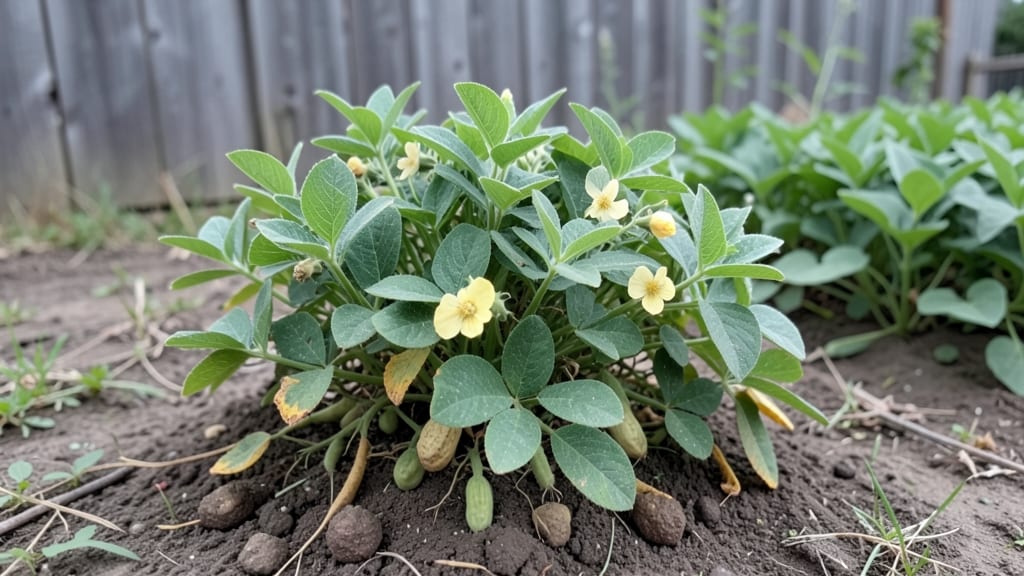
Harvesting your peanut plant at the right time ensures those creamy, flavorful nuts you’ve been dreaming about 🥜 — and missing the mark can leave you with bitter, underdeveloped pods.
Harvesting peanuts at the wrong time can mean the difference between rich, nutty flavor and bland, underdeveloped pods—so timing is everything. If you dig too early, you’ll end up with soft, watery nuts that won’t store well. Wait too long, and the pods shrivel into dry husks.
Here’s the secret: watch for yellowing foliage and pods that turn tan or brown—signs they’re ready to pull when soil temps stay above 60°F. In USDA Zone 6a, that’s usually September to October, about 120-150 days after planting.
Below, I’ll walk you through the exact visual cues, soil checks, and regional tweaks to lock in that perfect harvest window—plus how to dry and store them for maximum flavor.


How to identify peanut pods ready for harvest by color & size
Knowing exactly when to harvest your peanut pods ensures you get the best flavor and texture. The key lies in watching for color changes and pod firmness, but soil conditions also play a critical role.
If you harvest too early, the peanuts will be underdeveloped and bland. Too late, and they risk rotting underground.
Peanut pods start as bright green when they first form, but as they mature, they gradually shift to tan or yellow-brown. This color change signals the pods are nearing harvest readiness. However, the exact timing can vary based on your climate zone and soil temperature.
Here’s a quick reference to help you spot the perfect moment to dig up your peanuts:
<summary-table>| Stage | Pod Color | Size | Firmness | Soil Temp | Action |
|---|---|---|---|---|---|
| Early Development | Bright Green | Small (<1 inch) | Soft | 70-75°F | Not ready |
| Maturing | Green-Yellow | 1-2 inches | Slightly firm | 75-80°F | Monitor closely |
| Ready to Harvest | Tan/Brown | 2+ inches | Firm, dry skin | 80-85°F | Harvest now! |
| Overripe | Dark Brown | 2+ inches | Hard, shriveled | Cooling | Risk of rot |
Pay close attention to the pod size—ready-to-harvest peanuts typically measure about 2 inches long and feel firm when gently squeezed. If the pods are still soft or green, they need more time in the ground.
Conversely, if the pods turn dark brown and shriveled, they may have overstayed their welcome.
Soil temperature is another critical factor. Peanuts thrive in warm soil (80-85°F). If your area experiences early cooling temperatures or frost, the pods may not mature properly. In cooler climates, aim to harvest before the first frost—usually between September and October—depending on your USDA hardiness zone.
Don’t rely solely on color—check the leaves too. When the foliage starts to yellow and die back, it’s a strong signal that the underground pods are ready. This is often called the "pegging" stage, where the pods form and grow into the soil.
One common mistake is assuming all peanuts mature at the same time. In reality, pods on a single plant may ripen at different rates. To ensure you don’t miss any, dig up a few pods every 3-5 days once they start turning tan.
This way, you’ll catch the perfect batch without waiting too long.
If you’re growing peanuts in containers or raised beds, keep an eye on the soil moisture. Overwatering can lead to soft, mushy pods, while underwatering may cause them to dry out prematurely. Aim for consistent moisture without waterlogging the soil.
Once you’ve identified the perfect pods, it’s time to dig carefully. Use a hand fork or trowel to avoid damaging the pods. After harvesting, spread them out in a well-ventilated, dry area for about 1-2 weeks to cure before storing. This step is crucial for developing their rich, nutty flavor.
Pro tip: If you’re unsure whether your peanuts are ready, dig up just one or two plants to test. Split open a pod—if the inside is firm and white, you’re on track! If it’s still pale or watery, give them a few more days.
Peanut harvesting timeline: when to dig based on plant growth stages
Timing your peanut harvest correctly ensures those nutty, flavorful pods you’ve been waiting for. Unlike many crops, peanuts develop underground, so knowing when to dig is crucial.
The process starts with flowering and ends with pod maturity, but the exact timeline depends on your climate zone and soil conditions.
In warm climates (USDA Zones 8-10), peanuts typically mature in 120-135 days after planting, while cooler zones (6-7) may need 140-150 days. Missing these windows can leave you with underdeveloped pods or even rotten harvests if left too long.
Let’s break down the key growth stages and when to dig for the best results.
Peanut plants produce yellow flowers that last about 2-3 days. After pollination, pegs (stems) grow downward into the soil.
Pegs enter the soil and begin forming pods. Soil temperature must stay above 75°F for successful pegging.
Pods grow and fill with seeds. Green pods turn tan or brown as they mature.
Foliage begins to yellow and die back, signaling pods are nearly ready. Dig when 50% of leaves are yellow.
Dig when pods are firm and brown on the surface. In cool climates, harvest before first frost (typically September-October).
If you’re in a short-season climate, opt for early-maturing varieties like Early Spanish or Virginia types, which can mature in 100-120 days. In warmer regions, Runner varieties may take 140-150 days but yield larger pods. Always monitor soil moisture—drought stress can stall pod development.
Pro tip: Use a soil thermometer to ensure temperatures stay above 70°F during pegging. If nights drop below 60°F, pods may not mature properly. Once you see brown, dry pods peeking through the soil, it’s time to dig—don’t wait too long, or you risk shriveled or moldy peanuts.
After digging, spread pods in a dry, shaded area for 2-3 weeks to cure. Proper timing now means crunchy, flavorful peanuts later—worth the patience! 🥜