
Blooming
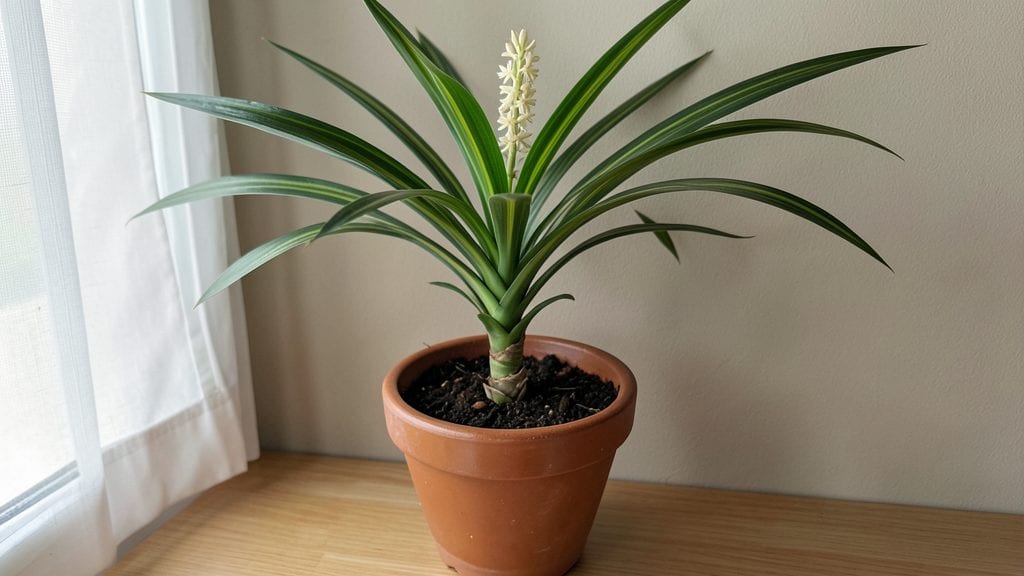
Unlocking the dracena plant bloom indoors is like discovering a hidden treasure—most people never witness those elusive, fragrant flower spikes, but with patience and the right care, your plant can surprise you. 🌿 I’ve watched mine produce creamy-white blooms twice now, and the key isn’t luck but patience combined with the right conditions.
The myth that dracaenas never bloom indoors is just that—a myth.
These tropical plants need bright, indirect light for at least 6 hours daily, warm temperatures year-round, and soil that stays slightly moist but never soggy. Most people overwater, which stresses the plant and stops blooming entirely.
The trick is mimicking their jungle habitat: high humidity, occasional misting, and a balanced fertilizer every 4-6 weeks during growing season.
When you nail the conditions, you’ll see those first flower buds emerge in late winter or early spring—small, tight clusters that unfurl into delicate, vanilla-scented blooms.
The plant itself stays lush and upright, with arching leaves that add drama to any room. It’s not instant, but the payoff is worth the wait.
Outdoor dracaenas bloom more reliably, but with the right care, indoor plants can too—especially varieties like Dracaena fragrans or Dracaena marginata. The secret isn’t forcing blooms but creating the perfect environment for them to happen naturally. Let’s get your plant ready.
📚 In This Guide
- What you need
- Instructions
- Tips and common mistakes
- Wrapping up and next steps
What you need
- ● Dracaena plant (preferably Dracaena fragrans 'Massangeana' or Dracaena marginata—both can bloom with care!)
- ● Well-draining potting mix (3-4 gallons, blend of peat moss, perlite, and orchid bark for aeration)
- ● Pot with drainage holes (12-16 inches in diameter, slightly larger than the plant’s root ball)
- ● Balanced liquid fertilizer (10-10-10 or 20-20-20, diluted to half-strength)
- ● Watering can with a fine rose (to avoid disturbing soil)
- ○ Humidity tray or pebble tray (optional but helpful for tropical varieties)
- ● Grow lights or sunny windowsill (bright, indirect light for 6+ hours/day)
- ● Pruning shears or sharp scissors (sterilized with rubbing alcohol)
- ● Spray bottle (for misting leaves, especially in dry climates)
- ● Slow-release fertilizer pellets (for steady nutrient delivery)
- ● Plant food rich in phosphorus (to encourage blooming, like bone meal)
- ● Digital hygrometer (to monitor humidity levels, ideal: 40-60%)
- ● Rooting hormone (if propagating from cuttings)
- ● Decorative pot cover or shade cloth (to protect from harsh midday sun)
How to encourage your Dracaena to bloom indoors
Dracaena plants reward patience with stunning blooms—here’s how to coax yours into flower.
🌱 Step 1: Provide the Right Light Conditions
Dracaena thrives in bright, indirect light—this is non-negotiable for blooming. Place your plant near an east-facing window or within 4-6 feet of a south-facing window, where it receives gentle morning sun and softer afternoon light. Avoid harsh direct sunlight, which scorches leaves and stresses the plant, diverting energy away from flowering.
If your home lacks natural light, supplement with a full-spectrum LED grow light positioned 12-18 inches above the plant. Keep it on for 12-14 hours daily to mimic natural daylight cycles. Watch for leaves stretching toward the light—this signals insufficient light intensity. Adjust the light closer or increase duration until growth remains compact and vibrant.
☀️ Step 2: Mimic Seasonal Temperature Shifts
Dracaena blooms best when exposed to cool nights and warm days, mimicking its natural tropical rhythm. During growing season (spring and summer), maintain daytime temperatures between 70-78°F and drop nighttime temps to 60-65°F. Use a small fan to circulate air lightly, which helps regulate temperature and prevents stagnant humidity around the plant.
In fall and winter, reduce nighttime temps further to 55-60°F for 4-6 weeks—this triggers flowering hormones. Avoid sudden drafts or cold blasts, which shock the plant. If your home stays consistently warm, move the plant to a cooler room (like a basement with natural light) for the required period. You’ll see buds form within 6-8 weeks of this temperature adjustment.
💧 Step 3: Master Watering for Optimal Growth
Overwatering is the #1 killer of blooming dracaena. Let the top 2-3 inches of soil dry completely between waterings—stick your finger in the soil to check. Water deeply until it drains from the bottom, then empty the saucer to prevent root rot. In cooler months, reduce watering to every 10-14 days, as growth slows and moisture evaporates more slowly.
Use room-temperature water to avoid shocking the roots. Fertilize lightly with a balanced liquid fertilizer (10-10-10) every 4-6 weeks during active growth. Stop fertilizing in fall and winter—too much nutrients in low-light periods leads to weak, non-flowering growth. Yellowing leaves often signal overwatering; brown, crispy edges mean underwatering or low humidity.
✂️ Step 4: Prune Strategically to Encourage Blooms
Prune leggy or overgrown stems in early spring to redirect energy toward flowering. Cut just above a leaf node (where leaves emerge) using sterilized pruning shears. Remove no more than 1/3 of the plant’s foliage at once—aggressive pruning stresses the plant and delays blooming. Discard healthy cuttings in compost; avoid rooting them, as flowering energy is better spent on the parent plant.
After pruning, place the plant in a bright, slightly cooler spot for 2-3 weeks to recover. This mimics natural stress signals that trigger flowering in many tropical plants. Avoid fertilizing immediately after pruning—wait 4-6 weeks to let the plant adjust. You’ll notice new growth emerging within 3-4 weeks, signaling the plant is ready to focus on producing flowers.
🪴 Step 5: Repot for Better Nutrient Uptake
Repot your dracaena every 2-3 years or when roots circle the pot. Choose a container 1-2 inches larger in diameter with drainage holes—dracaena roots need oxygen and hate soggy conditions. Fill the new pot with well-draining potting mix (a blend of peat, perlite, and orchid bark works well). Gently remove the plant, loosen roots if matted, and place it in the center of the new pot.
Water lightly after repotting and place the plant in bright, indirect light for 2 weeks to minimize stress. Repotting in early spring gives the plant time to establish roots before the active growing season. Avoid repotting during flowering—disturbing roots mid-bloom can drop buds prematurely. If your plant hasn’t bloomed in years, repotting often jumpstarts its natural cycle.
Tips & tricks for perfect Dracaena blooms
These subtle adjustments make all the difference between a leafy green houseplant and one that bursts into flower.
Light Intensity Matters: In Step 1, when positioning your dracaena near that east-facing window, watch for leaves that stretch dramatically toward the light—this is your plant's way of saying "I need more!" If you're using a grow light, the 12-14 hour daily cycle is non-negotiable for flowering. I've found that moving the light just 2 inches closer often makes the difference between compact growth and those telltale leafy "fingers" reaching upward.
Temperature Timing is Critical: The 4-6 week cool period in Step 2 triggers flowering hormones, but timing is everything. Start this temperature shift in early fall when your plant naturally begins its dormant phase. I've seen buds form within 6-8 weeks when nighttime temps hit that 55-60°F range consistently. If your home stays warm year-round, consider moving the plant to an unheated garage or basement with natural light for this crucial period.
Pruning Precision: When you prune in early spring (Step 4), focus on removing only the most leggy stems—never more than 1/3 of the foliage. I've learned this the hard way after accidentally turning a healthy dracaena into a sad, sparse shadow of itself. After pruning, that 2-3 week recovery period in cooler conditions helps the plant redirect its energy toward flower production rather than new leaf growth. The key is patience—new growth should appear within 3-4 weeks if you've pruned correctly.
Repotting Strategy: The 2-3 year repotting schedule in Step 5 is perfect for mature plants, but younger dracaena may need repotting every 1-2 years. When you do repot, choose a container that's only 1-2 inches larger in diameter—this prevents the plant from focusing all its energy on root growth instead of flowering. The well-draining mix is crucial too; I've had the most success with a blend that includes perlite and orchid bark, which mimics the plant's natural tropical environment while preventing soggy conditions.
Pro Tips for Dracena Plant Bloom
- These subtle adjustments make all the difference between a leafy green houseplant and one that bursts into flower.
- Light Intensity Matters: In Step 1, when positioning your dracaena near that east-facing window, watch for leaves that stretch dramatically toward the light—this is your plant's way of saying "I need more!"
- Temperature Timing is Critical: The 4-6 week cool period in Step 2 triggers flowering hormones, but timing is everything.
Frequently asked questions
Got questions about coaxing your Dracaena into bloom or keeping those vibrant flowers around? Here are some of the most common queries—and their answers—to help you master the magic of Dracaena blooms!
Why won’t my Dracaena plant bloom?
Most Dracaena varieties (like Dracaena fragrans) are slow to bloom indoors because they need specific conditions to trigger flowering. Low light, inconsistent watering, or lack of seasonal temperature shifts (like cooler nights) can stall blooms. If your plant is mature (3+ years old) but still not flowering, try moving it near a bright, indirect light source and mimic seasonal changes with adjusted care.
How long does it take for a Dracaena to bloom?
Patience is key! Dracaena plants typically take 3 to 5 years to mature enough for blooming, even under ideal conditions. Once they reach flowering age, blooms may appear seasonally (often spring/summer) or sporadically, depending on the variety. Some tropical species, like Dracaena marginata, rarely bloom indoors—so don’t be discouraged if yours takes longer than expected!
Can you force a Dracaena to bloom indoors?
Yes, but it requires strategic care tweaks. To encourage blooming:
- Temperature shifts: Simulate seasons by lowering nighttime temps to 60–65°F (15–18°C) for a few weeks.
- Watering routine: Let the top 2–3 inches of soil dry out between waterings to mimic drought stress.
- Light boost: Supplement with a grow light for 12–14 hours/day if natural light is dim.
What do Dracaena flowers look like, and how long do they last?
Dracaena blooms are unique and striking! They typically produce spiky, arching racemes (like Dracaena fragrans) with tiny white or greenish flowers, often accompanied by a sweet, jasmine-like fragrance. Blooms last 2–4 weeks, but the plant may rebloom if conditions remain ideal. Note: Some varieties (e.g., Dracaena deremensis) have red or pink bracts that add dramatic color!
My Dracaena bloomed, but now the leaves are turning yellow—what’s wrong?
Yellowing leaves after blooming are common and usually not cause for alarm! The plant is redirecting energy to recover post-flowering. To help:
- Trim dead/dying leaves to redirect nutrients.
- Adjust watering: Overwatering stresses the plant—let soil dry slightly between waterings.
- Fertilize lightly with a balanced houseplant fertilizer to support regrowth.
Wrapping up and next steps
Witnessing your dracena plant bloom is a rewarding experience that brings vibrant life to your indoor jungle! 🌿 With the right care—like bright indirect light, proper watering, and occasional fertilizer—you’ll unlock stunning year-round color.
Don’t let challenges like yellow leaves or slow growth discourage you; troubleshoot with confidence and enjoy the process.
Ready to turn your dracena into a blooming superstar? Start by monitoring its needs and celebrating small victories, like new leaves or that first bloom. Happy gardening—your plant (and your space!) will thank you! ✨