
Plants
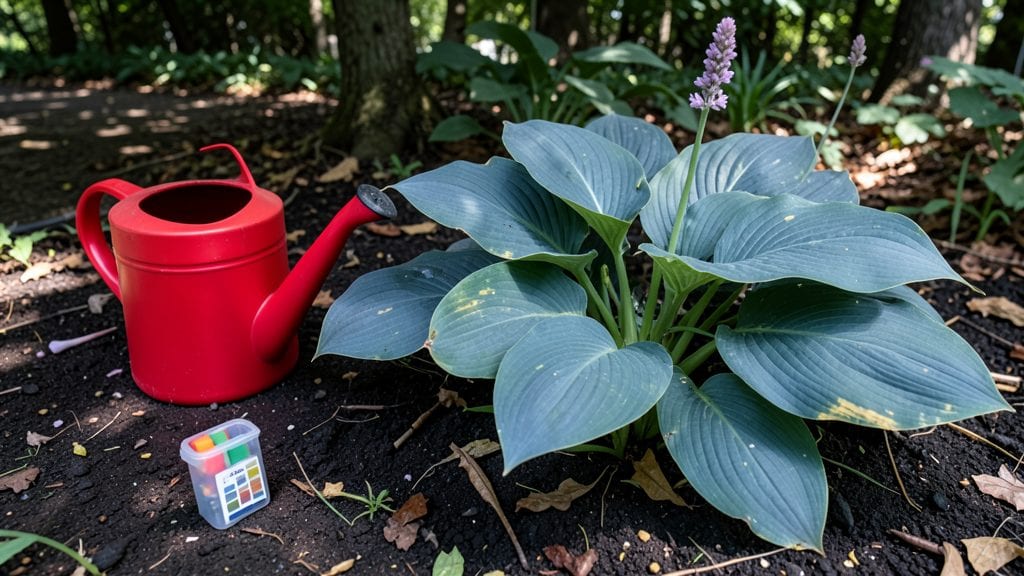
Hosta plants with yellow leaves can turn your shade garden from lush to limp in a hurry—especially when it’s fungal stress or nutrient deficiency. 🌿 I’ve seen this happen after a rainy spring when leaves turn yellow overnight, and the fix isn’t always what you’d expect.
The good news? Most cases respond within 2-3 weeks if you act fast.
Overwatering, fungal diseases like leaf spot, or even too much shade can trigger those telltale yellow patches. The first step is checking the soil moisture—hostas hate soggy roots—and inspecting leaves for dark spots or slimy trails (a sign of slugs or bacterial rot).
A simple soil test or leaf scrape can reveal if it’s a nutrient issue or something more serious.
You’ll likely need a balanced fertilizer (like 10-10-10) for nutrient stress, while fungal problems call for neem oil sprays and better airflow between plants. Prune affected leaves immediately to stop the spread, and mulch properly to keep roots stable. The results? Healthier green foliage by midsummer.
This works for both container hostas and in-ground plantings, though larger varieties may need extra care. If yellowing spreads despite your efforts, it might be time to call a local nursery or extension service—they can test for hidden pests or soil pH issues.
Let’s get those hostas back to their best!
Root Causes Behind Yellowing Hostas
When your hosta leaves start turning yellow, it’s often a cry for help from your plant—whether due to environmental stress, hidden pests, or underlying health issues. Understanding the why behind the yellow is the first step to saving your hostas.
Below, we break down the most common culprits, backed by science, so you can diagnose and treat the problem like a pro.
Hostas thrive in moist but well-drained soil, and when they’re overwatered or left sitting in soggy conditions, their roots suffocate from a lack of oxygen. This triggers anaerobic conditions, where harmful bacteria and fungi (like Phytophthora) take over, causing root rot.
Yellowing leaves, especially with a mushy texture or foul smell, are classic signs of this issue.
💡 Pro Tip: Test your soil’s moisture by sticking your finger 2 inches deep—if it’s damp after 24 hours, you’re overwatering. Amend heavy clay soil with organic matter (like compost or perlite) to improve drainage. Ensure pots or garden beds have adequate drainage holes to prevent waterlogging.
Hostas are shade-loving plants, and when exposed to too much direct sunlight, their leaves can develop yellow patches or even scorch. This happens because the chlorophyll breaks down under intense UV rays, a process called photooxidative stress. Young, tender leaves are especially vulnerable.
🌿 Key Signs:
- Yellowing on exposed edges of leaves
- Crispy or browned leaf tips (sunburn)
- Leaves curling upward to shield themselves
🔥 Fix It: Gradually acclimate hostas to more light if moving them from deep shade. Use dappled shade (like under trees) or provide afternoon shade with a sheer curtain if growing in containers. Mulch around the base to regulate soil temperature and reduce stress.
Fungal diseases like leaf spot (Cercospora), anthracnose, or powdery mildew are common culprits behind yellowing hosta leaves. These fungi thrive in humid, stagnant conditions and attack through wounds, old leaf debris, or splashing water. Look for:
| Disease | Symptoms | Yellowing Pattern |
|---|---|---|
| Leaf Spot | Dark spots with yellow halos, often on older leaves | Spots expand, turning yellow/brown before falling out |
| Powdery Mildew | White, powdery coating on leaves (especially tops) | Leaves yellow under the mildew layer |
| Anthracnose | Sunken, water-soaked spots that turn yellow/brown | Leaves may crinkle or die back |
✨ Prevention & Treatment:
- Remove infected leaves immediately and dispose of them in the trash (not compost).
- Space plants for air circulation (avoid crowding).
- Apply copper fungicide or neem oil as a preventive spray every 2–3 weeks during humid seasons.
- Water at the base (not overhead) to keep foliage dry.
Yellowing hosta leaves can signal a nutrient deficiency, particularly if the yellowing starts on older leaves (a sign of mobility issues where the plant can’t transport nutrients fast enough). Here’s what to watch for:
| Deficiency | Yellowing Pattern | Other Clues |
|---|---|---|
| Nitrogen (N) | Pale yellow or uniform yellowing on older leaves | Stunted growth, weak stems |
| Magnesium (Mg) | Yellow interveinal chlorosis (yellow between veins) on older leaves | Veins stay green; leaves may curl |
| Iron (Fe) | Yellowing on new growth (young leaves) | White or greenish veins; common in alkaline soil |
| Potassium (K) | Yellowing on leaf edges (scorching effect) | Weak stems, poor disease resistance |
💪 Action Steps:
- Test your soil pH (hostas prefer 6.0–7.5). Amend with sulfur for alkaline soil or lime for acidic soil.
- Apply a balanced fertilizer (10-10-10 or 20-20-20) in early spring for nitrogen, or use Epsom salt (magnesium sulfate) for Mg deficiency.
- For iron deficiency, use chelated iron or apply compost tea to boost microbial activity.
Sap-sucking pests like aphids, slugs, snails, or hosta borers can drain nutrients from leaves, causing them to yellow or wilt. Here’s how to spot them:
- Aphids: Sticky residue (honeydew) on leaves; yellowing on new growth.
- Slugs/Snails: Irregular holes or ragged edges on leaves; slime trails at night.
- Hostas Borers: Wilting or yellowing mid-summer; sawdust-like frass near the crown.
🔪 Combat Them:
- Blast aphids off with a strong water spray or use insecticidal soap.
- Set up beer traps or use iron phosphate bait for slugs/snails.
- For borers, prune and destroy infested stems in late summer; apply beneficial nematodes to the soil.
🎯 Remember: The key to fixing yellow leaves is identifying the
Quick fixes for hosta leaf stress
Yellowing hosta leaves can be frustrating, but the good news is that most causes have simple, effective fixes. Whether your hostas are struggling from nutrient deficiencies, fungal infections, or environmental stress, these targeted solutions will help restore their vibrant green foliage. Let’s dive into the best ways to diagnose and treat the issue—plus, how to keep your hostas thriving long-term.
If your hostas are showing yellow leaves due to poor soil nutrition, the solution is straightforward: feed them the right nutrients!
🔥 Step 1: Test Your Soil
Before adding fertilizers, check your soil’s pH and nutrient levels. A simple soil test kit (available at garden centers) will reveal deficiencies in nitrogen, iron, magnesium, or potassium.
Hosta leaves often yellow when they lack: - Nitrogen (yellowing in older leaves) - Iron (yellowing between veins, especially in acidic soil) - Magnesium (yellow patches on older leaves)
🍳 Step 2: Amend the Soil
- For nitrogen deficiency: Apply a balanced fertilizer (like 10-10-10) or a slow-release organic option (composted manure, fish emulsion).
- For iron deficiency: Sprinkle iron sulfate or chelated iron around the base of the plant.
Acid-loving hostas thrive in slightly acidic soil (pH 6.5–7.5)—add sulfur or peat moss if your soil is alkaline. - For magnesium deficiency: Work Epsom salt (magnesium sulfate) into the soil (1 tablespoon per plant) or dissolve it in water for a foliar spray.
👨🍳 Step 3: Improve Soil Drainage
Poor drainage can prevent roots from absorbing nutrients.
If your hostas are in clay-heavy or compacted soil, mix in: - Compost (1–2 inches worked into the topsoil) - Perlite or sand (to improve aeration) - Mulch (2–3 inches of shredded bark or leaves to retain moisture and regulate temperature)
If yellow leaves are accompanied by spots, wilting, or slimy stems, a fungal disease (like leaf spot, anthracnose, or slime mold) may be to blame. Act fast to prevent spread!
🔪 Step 1: Remove Infected Leaves
- Snip off yellow or spotted leaves with clean pruners, then dispose of them in the trash (not compost).
- Avoid wetting foliage when watering—water at the base in the morning to allow leaves to dry quickly.
🌡️ Step 2: Apply Fungicide
Use copper-based fungicides (like copper hydroxide) or neem oil (a natural antifungal).
For severe cases, try: - Baking soda spray (1 tsp baking soda + 1 quart water + a drop of dish soap—spray undersides of leaves). - Organic fungicides (e.g., Mycorrhizal fungi or beneficial bacteria like Bacillus subtilis).
✨ Step 3: Improve Air Circulation
Fungi thrive in humid, stagnant conditions. Space hostas 12–18 inches apart and prune nearby plants to increase airflow.
Once your hostas are back to their lush green selves, keep them healthy with these pro tips:
| Problem | Prevention Tip |
|---|---|
| Nutrient loss | Feed with balanced fertilizer in early spring and mid-summer. |
| Fungal spread | Mulch with pine needles (natural fungicide) or gravel (reduces moisture). |
| Overwatering | Water deeply but infrequently—hostas hate soggy roots! |
| Pests (slugs/snails) | Use copper barriers or beer traps (slugs love beer!). |
| Sunburn | Gradually acclimate hostas to sun or plant in partial shade. |
- Divide clumps every 3–4 years to prevent overcrowding (which stresses plants).
- Monitor for pests—aphids and slugs love hostas! Remove them with soapy water or manual picking.
- Avoid heavy foot traffic near hostas—their leaves bruise easily.
With these fixes, your hostas should bounce back in 2–4 weeks. Keep an eye on them, adjust care as needed, and soon you’ll have glossy, vibrant foliage that’s the envy of the garden! 🌿✨
Frequently asked questions
Why do my hosta leaves turn yellow in patches but stay green in others?
Patchy yellowing often signals fungal infections like leaf spot or anthracnose, where spores attack specific areas. Check for dark spots with yellow halos or powdery white coatings—these are classic signs. Prune affected leaves immediately and apply copper fungicide or neem oil to stop the spread.
Can I still use my hosta leaves if they're yellow from pests?
Only if the yellowing is minor and caused by aphids or slugs (not fungal/bacterial rot). Remove pests first with soapy water or beer traps, then monitor for 2 weeks. If leaves were chewed or slimy, discard them—they may harbor harmful bacteria.
How do I tell if my hosta needs more sun or less sun?
Yellowing on leaf edges with crispy tips = too much sun. Move to partial shade. Yellowing between veins on older leaves = nutrient stress (not light). Test soil first—hostas need dappled shade (like under trees) for ideal growth.
Will dividing my hosta help with yellow leaves?
Yes, but only if overcrowding is the issue. Divide clumps every 3-4 years in early spring. This improves airflow (reducing fungal risk) and gives roots better access to nutrients. Avoid dividing if yellowing is from pests or disease—wait until the plant recovers.
Can I save my hosta if the crown is mushy and yellow?
Probably not—mushy crowns mean root rot from overwatering or fungal infection. Dig up the plant, trim healthy roots, and replant in fresh, well-draining soil. If the rot spreads, discard the plant to prevent infecting others. Prevent future issues by watering only when the top 1-2 inches of soil are dry.