
Watering
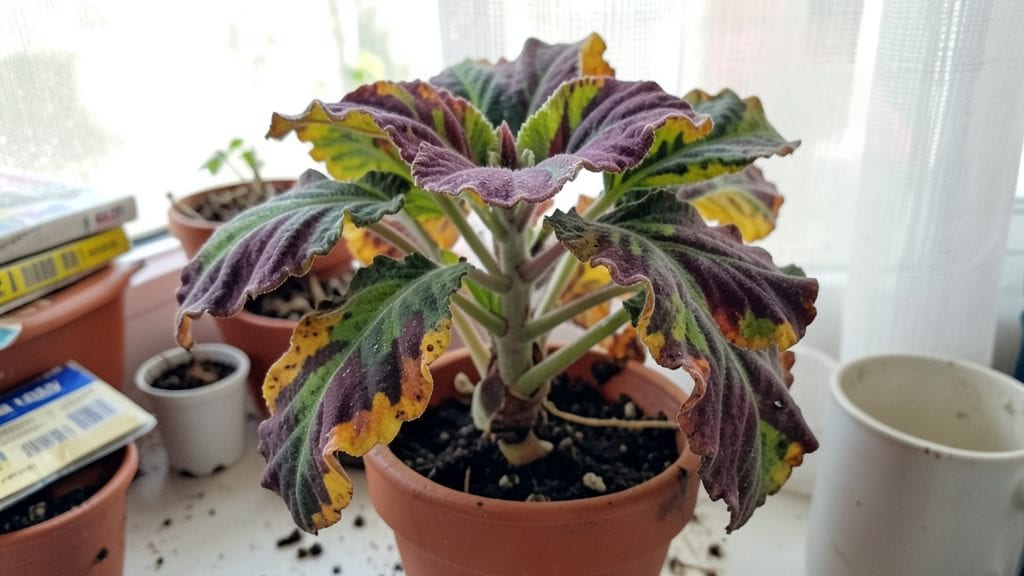
This overwatered coleus plant with its droopy leaves and yellowing stems isn’t a death sentence—just a sign it’s had too much love. 🌱 I’ve nursed back more than a few soggy coleus plants, and the fix is simpler than you’d think: stop watering. check the roots, and give it fresh air.
The key is acting fast before root rot sets in.
Most people overwater coleus because they assume it needs constant moisture like tropical plants do. But soggy soil suffocates roots, turning leaves yellow and stems mushy. A quick finger test in the soil tells you everything—if it’s damp more than an inch down, you’re overdoing it.
Coleus thrives when the top inch of soil dries out between waterings.
Within a week, you’ll see new growth pushing through as the plant recovers its balance. The leaves will firm up, regain their vibrant colors, and you’ll have a bushy, thriving coleus again. Just keep an eye on that soil moisture—your plant will thank you for the breather.
This works for both potted coleus and those in garden beds, though containers need closer monitoring. Once you’ve revived it, adjust your watering routine to match your climate—usually every 5-7 days in summer, less in cooler months. Your coleus will bounce back faster than you’d expect.
The Hidden Triggers Behind Soggy Coleus
When your vibrant coleus starts wilting despite your best efforts, the issue is often lurking below the soil—not just in the watering can. Overwatering doesn’t happen by accident; it’s usually the result of a few sneaky but common gardening missteps.
Let’s dig into the real reasons your plant is drowning in excess moisture and how to fix them.
Coleus plants, like most tropical foliage, hate soggy roots. If your pot lacks drainage holes or the soil retains water like a sponge, excess moisture lingers, suffocating the roots. Here’s why it happens:
- Clay or dense soil: Heavy soils (like clay) compact easily, blocking water flow and trapping moisture around roots. Coleus thrives in well-aerated, loamy mixes that allow water to drain within 10–15 minutes of watering.
- No drainage holes: Pots without holes act like bowls, holding water against the roots. Even "self-watering" containers can become death traps if not monitored.
- Over-potting: Using a pot too large for your coleus means more soil to stay damp longer. A root-bound plant in a 6-inch pot needs less water than the same plant in an 11-inch container.
💡 Pro Tip: Test your soil’s drainage by filling a cup with water, adding a handful of potting mix, and timing how long it takes to drain. If it takes over 30 minutes, amend with perlite or sand (20% of the mix).
Sticking to a rigid watering schedule—like every Tuesday and Thursday—is a fast track to overwatering. Coleus plants don’t follow calendars; they respond to environmental cues. Here’s what throws them off:
- Ignoring humidity levels: High humidity (common in bathrooms or kitchens) slows evaporation, keeping soil damp longer. In these spots, coleus may need water half as often as in a dry living room.
- Overlooking seasonal changes: Winter air is drier, but cooler temps also reduce water evaporation. Many gardeners water more in winter, thinking the plant needs it—when in reality, it’s already waterlogged.
- Using the "finger test" incorrectly: Sticking your finger 1 inch deep is good, but if you’re checking the surface (top ½ inch), you’ll overwater. Coleus roots thrive when the top 2 inches of soil are dry.
✨ Actionable Fix: Water only when the top 2 inches of soil feel dry to the touch. Use a moisture meter for accuracy, especially in high-humidity areas.
Not all potting soils are created equal. A mix that’s too fine or organic-heavy can smother roots, leading to overwatering even if you’re careful. Here’s how it backfires:
- Peat-heavy soils: Pure peat moss holds water like a sponge, starving roots of oxygen. Coleus needs a balanced mix with perlite, vermiculite, or coconut coir to improve aeration.
- No amendments: Plain garden soil compacts and drains poorly, trapping moisture. Coleus in garden beds often drown unless planted on a mound with gravel underneath.
- Fresh compost: While compost adds nutrients, fresh compost breaks down quickly, creating a dense, water-retentive mat around roots.
🔥 DIY Fix: Repot your coleus in a mix of 60% potting soil, 20% perlite, and 20% orchid bark or coconut coir. This ratio mimics the fast-draining conditions coleus loves.
Once you identify the root cause (pun intended), your coleus will bounce back faster. The key? Drainage + timing + the right soil. Next, we’ll show you how to revive a waterlogged plant in just 3 simple steps!
Reviving Your Coleus Quickly
Overwatering can turn your vibrant coleus into a sad, droopy mess—but don’t worry! With the right steps, you can nurse it back to health and keep it thriving. Below, we’ll break down the cause-specific fixes to save your plant, plus prevention tips to avoid future mishaps.
Cause: Soggy soil suffocates roots, leading to rot and yellowing. Fix:
- 🔥 Remove the Plant Gently Carefully lift the coleus from its pot, shaking off excess soil to inspect the roots. Healthy roots are firm and white; mushy or black roots are rotten and must be trimmed.
- 🍳 Prune the Roots Use sterilized scissors to snip away any dark, slimy, or soft roots. Keep only the firm, white portions—this helps the plant redirect energy to healing.
- 👨🍳 Repot in Fresh Soil Choose a well-draining potting mix (add perlite or sand if yours retains too much moisture). Repot the coleus in a container with drainage holes—no exceptions!
- ⏰ Let It Dry Out Hold off on watering for 3–5 days to let the roots recover. Place it in bright, indirect light (no direct sun yet) to avoid stress.
💡 Pro Tip: If repotting isn’t an option, top-dress the soil with a 1-inch layer of fresh, dry mix to improve aeration.
Cause: Overwatering disrupts nutrient uptake, causing wilting even if the soil feels damp. Fix:
- 🔥 Run a Soil Flush Place the pot in a sink and slowly pour water until it drains completely from the bottom. Repeat 2–3 times to leach out excess salts and chemicals.
- 🍳 Adjust Your Watering Routine Coleus hate soggy feet! Wait until the top 1–2 inches of soil are dry before watering again. Stick your finger in—if it’s damp past your first knuckle, wait longer.
- 🌡️ Optimize Light & Humidity Move your coleus to a bright, indirect spot (east or north windows are ideal). If your home is dry, mist the leaves lightly 1–2 times a week or use a pebble tray.
✨ Prevention: Use a moisture meter or glazed pot (you can see moisture levels through the sides) to track soil dryness.
Cause: Stagnant, wet air encourages fungal issues like brown tip burn or leaf drop. Fix:
- 🔥 Improve Air Circulation Place a small fan on low near the plant (but not blasting it) to mimic outdoor breezes. This prevents humidity buildup around leaves.
- 🍳 Trim Damaged Foliage Snip off yellow, brown, or crispy leaves with clean scissors. This redirects energy to new growth.
- 👨🍳 Treat Fungal Issues (If Present) If you spot black spots or powdery mildew, spray leaves with a 1:10 hydrogen peroxide-water mix (3% strength) or neem oil solution (1 tsp neem oil + 1 quart water). Reapply every 7–10 days.
🎯 Prevention: Space plants 2–3 inches apart and avoid overcrowding in pots.
Once your coleus is back on track, prevent future overwatering with these habits: - ✅ Use the "Finger Test": Stick your finger in the soil—if it’s damp below 1 inch, wait. - ✅ Upgrade Your Pot: Terracotta pots dry out faster than plastic. - ✅ Water Deeply but Less Often: Give it a thorough soak until water runs out the drainage hole, then let it dry completely. - ✅ Fertilize Lightly: Overwatering + fertilizer = root burn.
Use a balanced, diluted liquid fertilizer (half-strength) every 6–8 weeks in spring/summer.
🔥 Remember: Coleus are drought-tolerant once established—underwatering is easier to fix than overwatering! With these steps, your plant will bounce back in 1–2 weeks, and you’ll spot the signs of overwatering before they become a crisis.
Frequently asked questions about coleus watering
Why do my coleus leaves turn yellow when I water them regularly?
Yellowing leaves are a classic sign of root rot from overwatering. Coleus roots need oxygen—when soil stays soggy, they suffocate and turn mushy. Check the roots: if they're black or smelly, you've got rot. Let the soil dry completely between waterings to prevent this.
How often should I water my coleus plant?
Water coleus only when the top 1-2 inches of soil feel dry to the touch. In summer, this might be every 5-7 days, while winter watering can stretch to every 10-14 days. Always use pots with drainage holes to prevent waterlogging.
Can I save a coleus with black stems and mushy leaves?
Yes, but act fast! Trim away all mushy stems and black roots, then repot in fresh, well-draining soil. Withhold water for 3-5 days to let roots recover. Place in bright, indirect light and avoid watering until new growth appears. This gives your coleus a fighting chance.
What's the best soil mix for preventing overwatering?
Use a light, airy mix of 60% potting soil, 20% perlite, and 20% orchid bark or coconut coir. This prevents compaction and improves drainage. Avoid heavy garden soil or peat-only mixes that trap moisture.
Will my coleus recover if I've been overwatering it for weeks?
With severe long-term overwatering, recovery depends on how much root damage exists. Trim all black/mushy roots, repot in fresh mix, and give it time. Expect new growth in 2-4 weeks if you catch it early. For chronic cases, propagation from healthy stems may be needed.