
Companion Plants
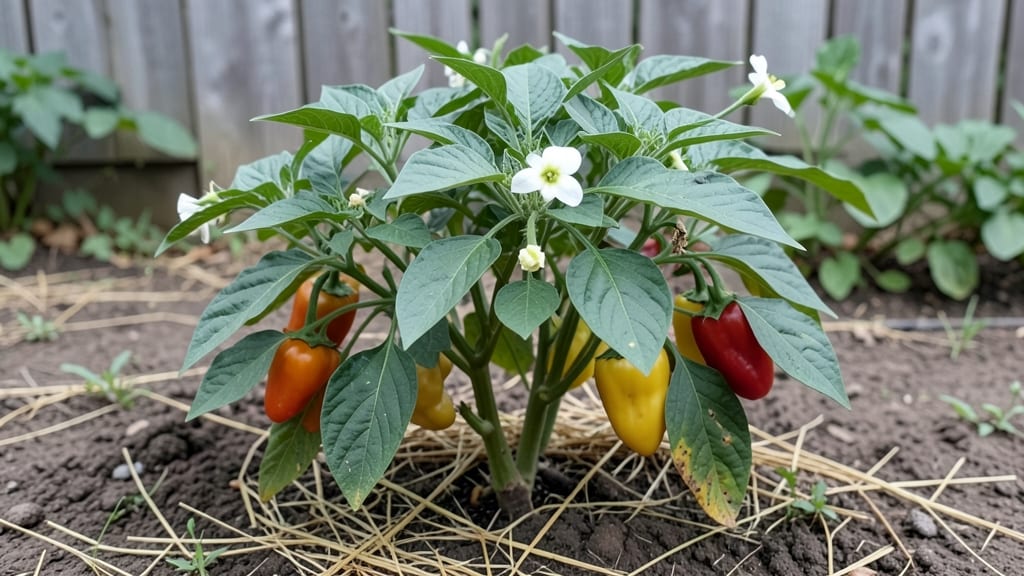
Growing Mexibell pepper plants means adding a flavor powerhouse that doubles as a natural pest repellent to your garden. 🌿 These hybrid wonders combine the sweetness of bell peppers with the heat of jalapeños, creating a versatile fruit that thrives when planted alongside tomatoes, basil, and onions.
The real magic happens when you tuck them into sunny spots—they reward you with glossy leaves and prolific harvests that keep pests at bay.
Start with well-draining soil rich in compost and a spot that gets at least 6-8 hours of sunlight daily. Mexibell plants love warmth, so wait until after the last frost when nighttime temps stay above 55°F.
They’re not fussy about containers either—just ensure pots have drainage holes if growing in pots, and space plants 18-24 inches apart to give them room to flourish. The key to their success? Consistent moisture without soggy soil, and a balanced fertilizer every 4-6 weeks once fruiting begins.
What you’ll love most is how these peppers transform from tiny buds into vibrant fruits that range from mild to medium-spicy. Harvest when firm and glossy, and you’ll get a crop that’s perfect for stuffing, grilling, or fresh snacking.
Plus, their strong scent deters common garden pests like aphids and spider mites, making them the ultimate multitasker in your plot. The first harvest will have you hooked—trust me, there’s nothing like biting into a homegrown Mexibell straight off the vine.
Fair warning: these plants can get leggy if crowded, so prune regularly to encourage bushier growth. And if you notice blossom-end rot (those dark, sunken spots on the fruit), it’s usually a sign of uneven watering—keep soil consistently moist to prevent it.
With the right care, you’ll be enjoying a bountiful harvest that’s as rewarding as it is delicious. Ready to give them a try?
📚 In This Guide
- What you need
- Instructions
- Tips and common mistakes
- Wrapping up and next steps
What you need
- ● Mexibell pepper seeds or seedlings: 3–5 plants (check seed packets for variety specifics like 'Mexibell Red' or 'Mexibell Yellow').
- ● Well-draining potting mix: 5–10 gallons (opt for a blend with perlite or coconut coir, pH 6.0–6.8).
- ● Containers or garden space: Containers: 5–7 gallon pots with drainage holes (1 per plant).
- ● Garden beds: Full sun (6+ hours/day), raised beds preferred for poor soil.
- ● Fertilizer: Balanced organic fertilizer (10-10-10 or compost) or pepper-specific formula.
- ● Watering can or hose with gentle nozzle: Avoid wetting leaves to prevent disease.
- ● Mulch: Straw or shredded leaves (2–3 inches) to retain moisture and deter weeds.
- ● Hand trowel or small shovel: For transplanting or loosening soil.
- ● Pruning shears: To trim leggy growth or remove damaged leaves.
- ● Garden gloves: Protect your hands from thorns (especially on mature plants!).
- ○ Support stakes or cages (optional): For heavy pepper varieties (e.g., 'Mexibell Red').
- ○ Row covers or netting (optional): To shield young plants from pests like aphids.
- ○ pH test kit (optional): Ensure soil stays in the ideal 6.0–6.8 range.
- ● Warmth: Mexibell peppers thrive in 70–90°F (21–32°C)—wait until after the last frost to plant.
- ● Sunlight: Commit to a south-facing spot or supplement with grow lights (12+ hours/day).
- ● Patience: Germination takes 10–20 days; harvest in 75–90 days (varies by variety).
Step-by-step instructions for growing Mexibell pepper plants
Here’s my foolproof method for growing these vibrant, pest-repelling peppers that thrive in full sun.
🌱 Step 1: Start Seeds Indoors or Buy Healthy Transplants
Mexibell peppers love warmth, so I start seeds indoors 6-8 weeks before the last frost using the 1 packet of Mexibell pepper seeds provided. Fill small pots with 2 gallons of seed-starting mix—keep it moist but not soggy. Plant seeds ¼ inch deep and cover lightly with more mix. Place pots in a warm spot (70-80°F) like a sunny windowsill or under a grow light.
If you prefer transplants, choose healthy 4 pepper plants from a nursery. Look for sturdy stems and vibrant green leaves—avoid leggy or yellowing plants. Harden them off for 1 week before moving outside by gradually increasing their time in sunlight.
☀️ Step 2: Plant in Full Sun with Well-Draining Soil
Mexibells crave full sun (6-8 hours daily) and rich, well-draining soil. Amend your garden bed with 1 gallon of compost to improve fertility. Space plants 18-24 inches apart—they’ll spread as they grow. Dig a hole slightly larger than the root ball, place the plant in, and backfill with soil, pressing gently to remove air pockets.
Water deeply right after planting to settle the soil. Use the 1 gallon of water from your supplies to ensure roots establish well. Mulch around the base with 2 inches of straw mulch to retain moisture and suppress weeds—this keeps soil consistently damp without overwatering.
💧 Step 3: Water Consistently and Fertilize for Bold Flavor
Keep soil evenly moist but not waterlogged—Mexibells hate soggy roots. Water at the base 1-2 times per week, adjusting for rain. Use the 1 gallon of water as a guide; you may need more in extreme heat. Yellowing leaves signal overwatering, while wilting means it’s time to hydrate.
Feed plants every 2-3 weeks with 1 cup of balanced fertilizer (10-10-10) dissolved in water. This boosts fruit production and flavor. Stop fertilizing 4-6 weeks before harvest to let peppers sweeten naturally. Watch for pests—Mexibells naturally repel some bugs, but aphids may appear. Spray with neem oil if needed.
✂️ Step 4: Prune for Airflow and Harvest at Peak Ripeness
Pinch off early flowers if your plants are small to encourage bushier growth. Once established, let them bloom freely. Prune any yellow or diseased leaves with clean pruning shears to keep plants healthy. Thin crowded stems to improve airflow—this reduces humidity-related diseases.
Harvest peppers when they reach full color and firm texture—usually 70-90 days after transplanting. Use sharp scissors to cut stems cleanly. Pick regularly to encourage more production. Store unripe peppers in the fridge for 1-2 weeks or let them ripen on the counter for sweeter flavor.
🌿 Step 5: Extend the Season with Simple Care
Mexibells thrive in warm weather but can be coaxed into fall with a little effort. If frost threatens, cover plants with frost cloth or move pots indoors to a sunny window. Reduce watering slightly in cooler months—overwatering stresses plants in low-light conditions.
Save seeds from your best peppers for next year! Let a few fruits fully ripen on the plant, then scoop out seeds, rinse, and dry them on paper towels. Store in a cool, dark place until spring. With proper care, your Mexibells will reward you with bold flavor and pest-resistant vigor for years.
Tips & tricks for growing thriving Mexibell pepper plants
Here's what I've learned from years of growing these vibrant peppers—simple tricks that make all the difference between a decent harvest and a bountiful one.
Timing is Everything: The 6-8 weeks before last frost is non-negotiable for starting seeds indoors. I use a seedling heat mat set to 80°F under my grow lights to speed up germination—seeds typically sprout in 5-7 days with this setup. If you're in a cooler climate, start even earlier to ensure mature plants by summer. The key is getting them established before the last frost date in your area.
Soil Secrets: Mexibells hate soggy roots, so I always mix 1 gallon of compost into the planting hole to improve drainage. For container growing, use a high-quality potting mix with perlite or vermiculite. I also recommend testing your soil pH—Mexibells prefer slightly acidic soil around 6.0-6.8. If your soil is heavy clay, consider raised beds for better drainage and root development.
Watering Wisdom: That 1 gallon of water guideline works perfectly in moderate climates, but I adjust based on heat and humidity. In summer, I water every other day in extreme heat, while in cooler weather, once a week suffices. Always water at the base to prevent fungal diseases. I've found that mulching with 2 inches of straw keeps moisture consistent and reduces watering frequency by 30%.
Pest Prevention: While Mexibells naturally repel many pests, I've found that companion planting with basil and marigolds creates a pest-free zone. For aphid issues, I spray with a mix of 1 tablespoon neem oil and 1 quart water every 7-10 days as a preventive measure. The key is early intervention—don't wait until you see visible damage.
Pro Tips for Mexibell Pepper Plants
- Here's what I've learned from years of growing these vibrant peppers—simple tricks that make all the difference between a decent harvest and a bountiful one.
- Timing is Everything: The 6-8 weeks before last frost is non-negotiable for starting seeds indoors.
- Soil Secrets: Mexibells hate soggy roots, so I always mix 1 gallon of compost into the planting hole to improve drainage.
Frequently asked questions
Got questions about growing Mexibell pepper plants? You're not alone! Here are some of the most common queries—plus quick, actionable answers to help you cultivate these flavor-packed, pest-repelling superstars with confidence.
How long does it take for Mexibell pepper plants to produce fruit?
With proper care, Mexibell peppers typically start flowering 60–70 days after transplanting and produce fruit within 10–14 days after pollination. In warmer climates (Zones 9–11), you might see peppers as early as 8–10 weeks, while cooler regions may take 12–16 weeks. Patience pays off—these peppers reward consistency with bold, sweet heat!
Can Mexibell peppers survive frost or cold snaps?
Mexibell peppers are tender annuals and cannot tolerate frost—even light freezes (below 32°F/0°C) will damage or kill them. Start seeds indoors 8–10 weeks before your last frost date and transplant after all danger of frost has passed. For cooler climates, opt for container growing so you can move plants indoors or to a greenhouse when temps dip.
Why are my Mexibell pepper leaves turning yellow or curling?
Yellowing or curling leaves usually signal one of three issues:
- Overwatering: Check soil moisture—peppers prefer well-draining soil and hate soggy roots. Let the top 1–2 inches dry out between waterings.
- Pests: Spider mites or aphids love pepper plants. Spray leaves with neem oil or insecticidal soap if you spot tiny webs or sticky residue.
- Nutrient deficiency: Yellowing between veins? Add balanced fertilizer (10-10-10) or compost to boost nitrogen, magnesium, or iron.
What are the best companion plants for Mexibell peppers?
Mexibell peppers thrive alongside herbs, brassicas, and legumes—here’s a winning combo:
- Basil, cilantro, or oregano: Repel pests and enhance flavor.
- Tomatoes or eggplants: Share similar care needs and improve soil health.
- Avoid planting near fennel or dill—they can stunt pepper growth.
Are Mexibell peppers hotter than jalapeños or bell peppers?
Yes! Mexibell peppers are a hybrid cross between jalapeños and bell peppers, offering a mild to moderate heat (1,000–5,000 Scoville units)—think slightly spicy with sweet undertones. They’re hotter than bell peppers but milder than jalapeños. For reference, a jalapeño averages 2,500–8,000 SHU, while a Mexibell leans toward the lower end of that range. Perfect for salsas, stir-fries, or pickling!
Wrapping up and next steps
Growing Mexibell pepper plants is a rewarding way to enhance your garden’s flavor, beauty, and pest resistance—all while keeping things low-maintenance! These sun-loving companions thrive with minimal fuss, offering a delicious harvest and natural protection for nearby plants.
Whether you’re a seasoned gardener or just starting out, their versatility makes them a must-have addition.
Ready to get started? Plant your Mexibell peppers today and watch your garden transform—both in taste and resilience! 🌱✨ Happy growing!