
Companion Plants
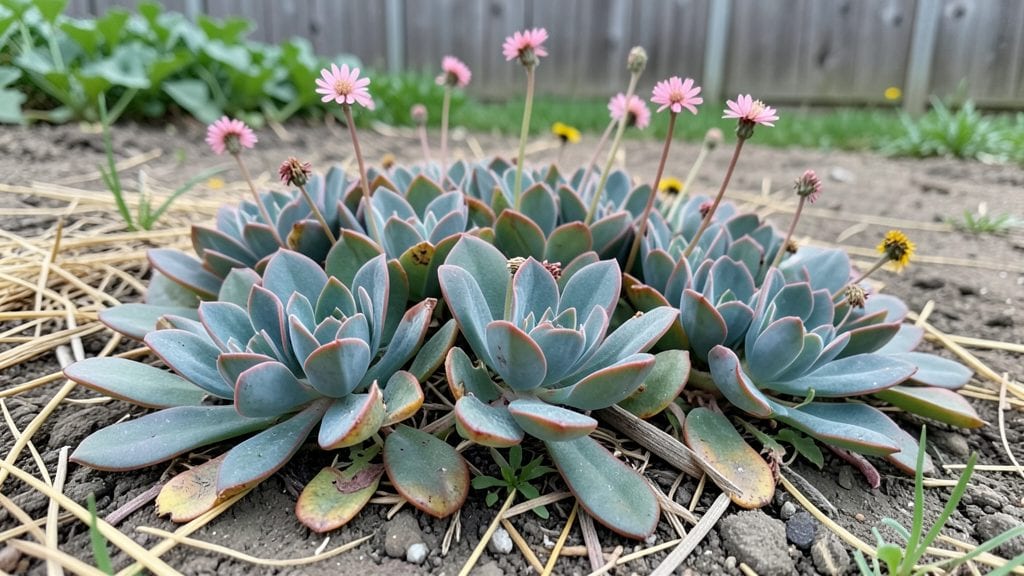
Low flowering plants are the secret weapon for effortless color in any garden spot—whether you're framing a path, spilling over a pot, or filling gaps between taller plants. 🌿 I’ve designed countless borders with these plants because they stay compact, bloom reliably, and never demand pruning to stay neat.
The best part? Many thrive in partial shade, so they work even where sun-loving flowers fail.
Think creeping thyme with its tiny lavender blooms hugging the ground, or ajuga with its striking purple spikes that pop against dark soil. These plants top out at 6 inches or less, making them perfect for edging, cascading in containers, or creating pollinator-friendly carpets.
They’re also drought-tolerant once established, so they won’t wilt during dry spells like some fussy annuals.
You’ll end up with a garden that looks polished year-round, with blooms from early spring through frost. The textures alone—velvety foliage, delicate petals, and lush ground covers—create visual layers that feel professional but require zero upkeep. Plus, they attract bees and butterflies without competing with vegetables for space.
Works for sunny borders, shady corners, or even rocky slopes where other plants struggle. Here’s how to pick the perfect mix for your space—no pruning, no guilt, just color that lasts.
📚 In This Guide
- What you need
- Instructions
- Tips and common mistakes
- Wrapping up and next steps
What you need
- ● Low-growing flowering plants: Choose from varieties like ajuga, heuchera, creeping thyme, or lamium. Quantity: 3–5 plants per square foot, depending on spacing needs.
- ● Well-draining potting mix: A blend of 50% peat moss, 30% perlite, and 20% compost (or a pre-mixed organic potting soil). Quantity: Enough to fill containers or garden beds (1–2 cubic feet per plant).
- ● Containers or garden bed: Containers: 6–12" diameter pots with drainage holes (Quantity: 1 per plant).
- ● Garden beds: Raised or in-ground beds with 6+ inches of soil depth and full sun to partial shade (6+ hours of light).
- ● Slow-release fertilizer: A balanced 10-10-10 or 20-20-20 formula (Quantity: 1 tbsp per plant at planting time).
- ● Watering can or hose with a gentle spray nozzle: For even moisture distribution.
- ● Garden trowel or small shovel
- ● Gloves (for handling soil and plants)
- ○ Pruning shears (for light trimming, optional but helpful)
- ● Mulch: Shredded bark or straw to retain moisture (Quantity: 1–2 inches over soil).
- ● Plant markers: Small stakes or labels to track varieties.
- ● Organic liquid fertilizer: Fish emulsion or compost tea for a mid-season boost.
- ● Grow lights: If planting indoors (LED or fluorescent, 12+ hours/day).
Step-by-Step guide to selecting and planting low flowering plants
Skip the high-maintenance blooms and create a lush, vibrant garden with these easy-care, low-growing beauties.
🌱 Step 1: Choose the Right Low-Flowering Varieties
Start with 4-6 plants of ajuga, creeping thyme, oregano, or sedum—these stay compact and thrive year-round. I love ajuga for its striking purple foliage and tiny blue flowers that pop in spring, while creeping thyme adds a fragrant, drought-resistant ground cover. Check your hardiness zone to pick plants that handle your climate—zones 3-9 work for most low growers.
Look for healthy, well-established plants with no yellowing leaves or leggy stems. These plants should feel firm when you gently squeeze the stems—soft or mushy ones are stressed. If buying bare-root plants, ensure the roots look moist and white, not dry or brown.
🪴 Step 2: Prepare the Planting Area
Clear the space of weeds and loosen the soil to 6 inches deep with a garden fork. Mix in 2-3 inches of compost to enrich the soil—this boosts drainage and nutrients without overwhelming the plants. Low growers hate soggy roots, so if your soil drains poorly, add 1 inch of coarse sand to improve aeration.
For containers, use 5-7 gallon pots with drainage holes and fill with well-draining potting mix. I like to add a handful of perlite to the mix to prevent compaction. Place pots in a spot where they’ll get 4-6 hours of sunlight daily—most low flowering plants tolerate partial shade but bloom best with morning sun.
☀️ Step 3: Plant at the Correct Depth and Spacing
Dig holes twice as wide as the root ball but only as deep as the container’s base. Gently remove the plant from its pot and loosen any circling roots with your fingers. Place it in the hole so the top of the root ball sits level with the soil surface—burying too deep can suffocate the plant, while planting too high leaves roots exposed.
Space plants 12-18 inches apart for full coverage—closer spacing encourages dense growth and fewer gaps. Water deeply right after planting to settle the soil and remove air pockets. You’ll know it’s done when water drains freely from the bottom of the pot or the soil around the plant looks evenly moist.
💧 Step 4: Water and Mulch for Long-Term Success
Water once a week for the first month, letting 1 inch of water soak into the soil. After that, most low flowering plants only need water when the top 2 inches of soil feel dry—they’re drought-tolerant once established. I water in the morning so the foliage dries quickly, reducing disease risk.
Spread 2-3 inches of mulch (like shredded bark or straw) around the plants, keeping it 2 inches away from the stems to prevent rot. Mulch locks in moisture, suppresses weeds, and regulates soil temperature. Replenish it every 6-12 months as it breaks down.
✂️ Step 5: Minimal Maintenance for Year-Round Beauty
Prune only when you see overly leggy growth or spent blooms—low flowering plants rarely need heavy pruning. Snip back 1/3 of the plant’s height in early spring to encourage bushier growth. I use clean, sharp scissors to make 45-degree cuts just above a leaf node to promote new shoots.
Fertilize lightly once in early spring with a balanced, slow-release fertilizer (like 10-10-10). Too much nitrogen makes plants grow fast but weak, while too little leaves them struggling. Watch for pests like aphids—spray with soapy water if you spot sticky residue on leaves. These plants are tough, so don’t stress over perfection!
Tips & tricks for perfect low flowering plant gardens
Creating a stunning, low-maintenance garden with ajuga, creeping thyme, oregano, and sedum is easier than you think—once you know these game-changing tips!
Selection Tip: Don't just grab any plants at the nursery! Look for ajuga with vibrant purple foliage and creeping thyme that smells amazing when you brush against it. For oregano, choose plants with dense, bushy growth rather than leggy stems. The key is selecting healthy specimens with firm stems and no yellowing—these are the ones that'll thrive for years with minimal fuss.
Soil Preparation Strategy: The 6-inch deep soil loosening in Step 2 is crucial, but here's the secret: if your soil is particularly heavy clay, mix in 1 part coarse sand to 3 parts soil for better drainage. I've seen low growers struggle in compacted soil, but this simple tweak makes all the difference. For containers, that 5-7 gallon pot size gives roots plenty of room to spread without becoming root-bound.
Planting Depth Visual: When placing your plants in Step 3, imagine the root ball sitting like a pancake on the soil—level with the surface, not buried like a pancake in syrup. The top of the root ball should be flush with the surrounding soil. A good trick is to use a pencil to mark the depth before removing the plant from its pot, so you have a reference point.
Watering Wisdom: That 1 inch of water per week during the first month might seem like a lot, but it's essential for establishing roots. After that, let the top 2 inches of soil dry out between waterings—these plants are tough once settled! I've found morning watering prevents fungal issues by letting foliage dry quickly during the day.
Pro Tips for Low Flowering Plants
- Creating a stunning, low-maintenance garden with ajuga, creeping thyme, oregano, and sedum is easier than you think—once you know these game-changing tips!
- Selection Tip: Don't just grab any plants at the nursery!
- Soil Preparation Strategy: The 6-inch deep soil loosening in Step 2 is crucial, but here's the secret: if your soil is particularly heavy clay, mix in 1 part coarse sand to 3 parts soil for better drainage.
Frequently asked questions
Got questions about low flowering plants? You’re not alone!
These hardy beauties bring color to your garden year-round with minimal upkeep. Here are some of the most common questions—and answers—to help you get started.
What are the easiest low flowering plants for beginners?
Start with ajuga (bugleweed), creeping thyme, or lamium. These plants thrive in partial shade, require little maintenance, and spread effortlessly. Sedum (stonecrop) is another great pick for sunny spots—it’s drought-tolerant and blooms like crazy!
How long does it take for low flowering plants to establish and bloom?
Most low-growing perennials establish within 1–2 years, with some (like ajuga or heuchera) blooming in their first season if planted in spring. Annuals like lobelia or sweet alyssum may flower in as little as 6–8 weeks after sowing.
Can I grow low flowering plants in containers or hanging baskets?
Try trailing lobelia, calibrachoa, or petunias for cascading color. Use well-draining soil and containers with drainage holes. For ground cover, creeping jenny or dichondra work beautifully in window boxes or raised beds.
What pests commonly attack low flowering plants, and how do I prevent them?
Watch for aphids, slugs, and spider mites. Encourage beneficial insects like ladybugs, or use organic sprays (neem oil works wonders). Mulch around plants to deter slugs, and water in the morning to reduce fungal issues.
How can I create a low-maintenance, colorful ground cover without mowing?
Layer ajuga (purple foliage), heuchera (vibrant leaves), and creeping phlox (spring blooms). Mix in clover or wild strawberries for texture. These plants suppress weeds, spread naturally, and keep your garden lush with zero pruning!
Wrapping up and next steps
Low-flowering plants are the perfect solution for adding vibrant color to your garden with minimal effort! 🌸 From hardy ground covers to cheerful annuals, these plants thrive year-round, offering beauty without the pruning hassle.
Whether you're a busy gardener or simply love low-maintenance landscapes, they’re an easy way to elevate your outdoor space.
Ready to transform your garden? Start by choosing a few varieties that suit your climate and style, then plant them with confidence. With the right care, you’ll enjoy a lush, colorful landscape that keeps giving—without the upkeep!