Pruning
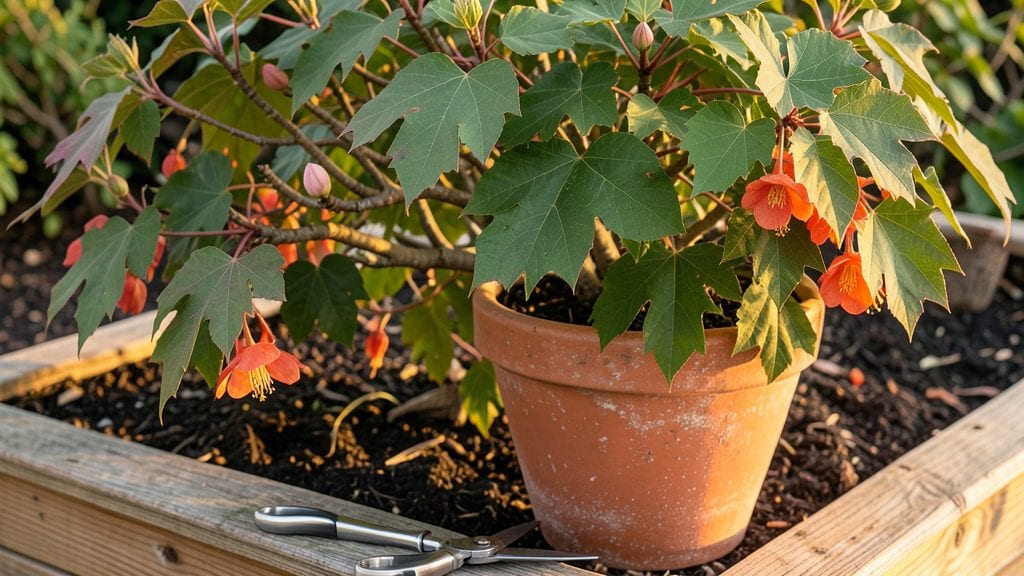
Pruning abutilon plants transforms them from scraggly to spectacular—three strategic cuts a year can turn your flowering maple into a nonstop bloom machine. 🌿 I’ve pruned mine for five seasons, and the difference between a well-shaped plant and one left to its own devices is night and day.
The key isn’t just when you cut but how you shape the plant to encourage dense growth and more flowers.
You’ll need sharp bypass pruners, rubbing alcohol for sterilizing cuts, and a clear day to work—abutilons hate soggy conditions.
Start with a late-winter cleanup to remove dead wood, then follow up with a light trim after flowering to maintain shape, and finish with a summer shaping to keep the plant compact. Each cut should target about one-third of the plant’s growth at most to avoid stress.
The payoff is immediate: pruned plants burst with vibrant red, orange, or yellow blooms for months, and their bushier form fills out gaps in borders or containers. My abutilon now gets compliments at every neighborhood gathering—something that never happened before I learned the right timing and technique.
The secret is patience; let new growth sprout before pruning again.
Works for both indoor and outdoor abutilons, though outdoor plants handle heavier pruning in colder climates. If you’re new to pruning, start small—even a single branch trimmed correctly will show you how much more your plant can do with just a little guidance. Let’s get those shears ready!
📚 In This Guide
- What you need
- Instructions
- Tips and common mistakes
- Wrapping up and next steps
What you need
- ● Pruning shears: Bypass pruners (sharp, clean, and sterilized to prevent disease). Size: 5–7 inches (for medium branches). Quantity: 1 pair.
- ● Hand pruners: Bypass or anvil type (for smaller stems). Quantity: 1 pair.
- ● Gloves: Garden gloves (nitrile or leather for grip and protection). Quantity: 1 pair.
- ● Disinfectant: Rubbing alcohol (70%+) or hydrogen peroxide (3%) to clean tools between cuts. Quantity: Small bottle.
- ○ Pruning sealant (optional): Pruning wax (for large cuts > ½ inch). Quantity: Small jar.
- ● Loppers: For thicker stems (if your abutilon grows over 3 feet tall). Quantity: 1 pair.
- ● Sharpie or marker: To label cuts if you’re experimenting with propagation.
- ● Plant tie or twine: To support heavy branches post-pruning (if needed).
- ● Compost bin: For collecting pruned branches (great for mulch!).
- ○ ✅ Best time to prune: Early spring (before new growth) or late winter. Optional: Light trims after blooming to encourage more flowers.
- ● ✅ Weather: Mild, dry conditions (avoid pruning in rain or extreme heat).
- ● ✅ Plant health check: Remove dead, diseased, or crossing branches first—even if you’re not doing a full trim.
Step-by-Step guide to pruning abutilon for continuous blooms
Master these three seasonal cuts to coax your abutilon into nonstop flowering.
✂️ Step 1: Early Spring Renewal Cut (Before New Growth)
Start in late winter or early spring, just as buds begin to swell but before fresh leaves emerge. Using clean, sharp pruners, cut back each stem to about one-third its height—this removes last year's leggy growth and stimulates bushier regrowth. I like to make cuts just above a leaf node or outward-facing bud to encourage branching.
Remove any dead or crossing branches first—they compete with healthy growth for energy. You'll see fresh green shoots within 2-3 weeks, signaling your plant is responding well. This cut is the foundation for the rest of the year's shape and bloom production.
✂️ Step 2: Mid-Summer Bloom Maintenance (After Flowering Spikes)
Once you see spent flower clusters (the drooping, empty seed pods), it's time for your second trim. Using the same pruners, cut back each flowering stem to just above the nearest healthy leaf node that has at least two sets of leaves. This removes the old blooms and redirects energy to new growth.
Here's the thing—abutilon blooms on new wood, so you're not just cleaning up, you're forcing more buds. I space these cuts every 4-6 weeks during peak growing season. After each trim, give the plant a light feeding with balanced fertilizer to support the flush of new growth.
✂️ Step 3: Late Summer Light Pruning (For Shape and Airflow)
In late summer, shift focus to shaping and airflow. Remove any stems that are growing inward or crossing others—these create congestion and invite pests. Cut back overly long stems by half their length, always making cuts at a 45-degree angle just above an outward-facing bud.
This is also when I deadhead any remaining spent blooms to prevent seed formation, which saps energy. Watch for new buds forming at the leaf nodes—these will become your fall and winter flowers. Abutilon can bloom year-round with consistent care, but this final trim ensures the best display through cooler months.
⏰ Step 4: Winter Dormancy Check (Minimal Maintenance)
During winter dormancy, pruning is minimal but essential. Simply remove any dead or diseased stems completely at the base. Avoid heavy cuts—your plant is resting, and drastic pruning now stresses it. I also check for any leggy growth and give it a light haircut to maintain shape without stimulating new growth.
This is the moment that matters: if you see new buds forming in late winter, that's your signal to hold off on heavy pruning until spring. Abutilon's resilience means it can handle a little neglect, but consistent light trims keep it flowering like clockwork.
Tips & tricks for perfect abutilon pruning
Mastering the art of pruning abutilon isn't just about timing—it's about understanding how each cut influences your plant's growth cycle. Here's what I've learned after years of coaxing these beauties into nonstop blooming.
The Timing Factor: In Step 1, those 2-3 weeks of waiting for new shoots to appear are crucial. If you see no signs of growth after 3 weeks, your plant might need more sunlight or a light feeding of balanced fertilizer to kickstart regrowth. I always check soil moisture too—dry soil can delay new growth, so keep it consistently moist but not soggy.
Tool Technique: Your pruners are your most important tool, and they need to be sharp. Dull blades crush stems instead of making clean cuts, which invites disease. I sterilize my pruners with rubbing alcohol between cuts, especially when dealing with diseased branches. This simple step prevents cross-contamination that could spread problems throughout your plant.
Bud Awareness: During Step 2 and Step 3, always look for those outward-facing buds when making cuts. These buds contain growth hormones that will direct new stems to grow away from the center, creating that lush, bushy shape. I train myself to scan each stem before cutting—this one habit makes the biggest difference in your abutilon's final form.
Seasonal Strategy: The winter dormancy check in Step 4 is where many gardeners go wrong. While it's tempting to give your plant a heavy haircut during winter, resist the urge. Abutilon stores energy in its stems during dormancy, and drastic cuts now can weaken it for next year's blooms. Think of winter pruning as a gentle maintenance session, not a transformation.
Pro Tips for Pruning Abutilon Plants
- Mastering the art of pruning abutilon isn't just about timing—it's about understanding how each cut influences your plant's growth cycle.
- The Timing Factor: In Step 1, those 2-3 weeks of waiting for new shoots to appear are crucial.
- Tool Technique: Your pruners are your most important tool, and they need to be sharp.
Frequently asked questions
Got questions about pruning your Abutilon? You’re not alone!
Here are answers to the most common concerns—from timing to troubleshooting—to keep your Chinese lantern plant thriving and blooming all year.
When is the best time to prune abutilon plants?
Prune your Abutilon in early spring (just as new growth starts) for shaping and late summer (after blooming) to encourage more flowers. Light trims can happen year-round, but avoid heavy pruning in winter unless needed for shape—your plant may be dormant!
How much can I cut back my abutilon?
You can trim up to 1/3 of the plant’s height in one go, but avoid overdoing it. Focus on removing dead, leggy, or overcrowded stems first. For bushier growth, cut just above a leaf node (where new branches form). Pro tip: Never remove more than half the plant at once—it can stress the roots!
What if my abutilon stops blooming after pruning?
Lack of blooms often means too much shade or over-fertilizing with nitrogen. After pruning, move your plant to bright, indirect light and switch to a balanced bloom-boosting fertilizer (like 10-10-10). Deadhead spent flowers too—this encourages more buds! If issues persist, check for pests or root-bound roots.
Can I prune abutilon in winter?
Yes, but lightly! Winter pruning is best for removing dead or damaged branches or shaping if needed. Avoid heavy cuts—your plant may be dormant and slower to recover. If you must prune heavily, do it early winter (before frost) so it has time to adjust before spring growth.
What’s the difference between pruning and pinching?
Pruning
= Cutting back stems with shears (for shaping or rejuvenation). Pinching = Pinching off new growth with your fingers (to encourage bushiness). For Abutilon, pinch young stems in early spring to promote dense foliage, then prune later for flowers. Think of pinching as "micro-pruning" for baby plants!
Wrapping up and next steps
Pruning your abutilon plants isn’t just about keeping them tidy—it’s the secret to nonstop blooms and a bushier, healthier plant! By mastering the three precision trims (early spring, mid-summer, and light winter touch-ups), you’ll encourage vibrant growth and prevent leggy stems.
Remember: sharp tools, clean cuts, and patience are your best friends.
Ready to see your abutilon thrive? Grab those shears and start shaping! Next, explore how to propagate those pruned cuttings—because every trim is a chance to grow more beauty. 🌸✂️