
Pests
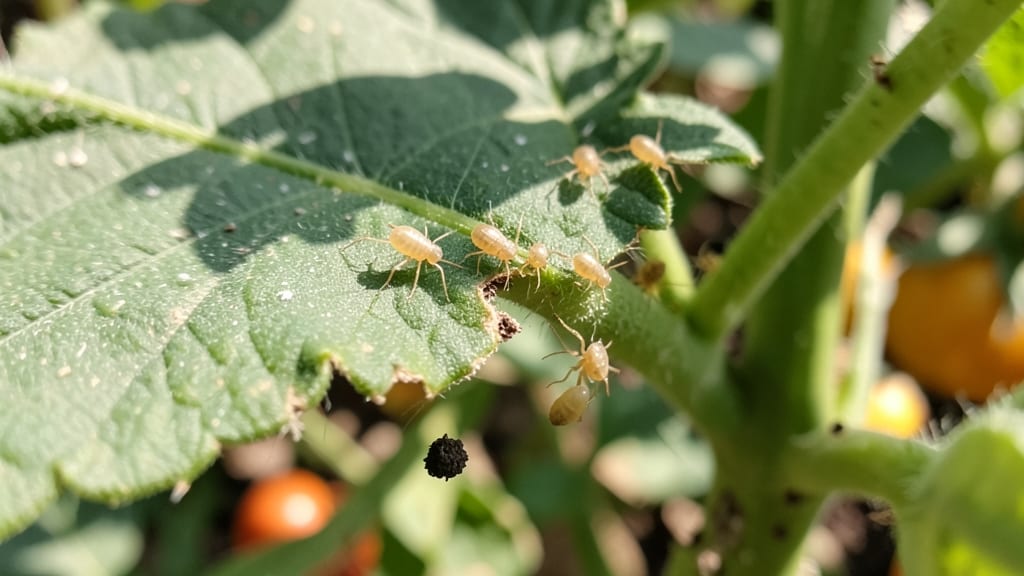
Those little bugs on tomato plants may seem harmless, but they can strip your vines bare in just days. I’ve battled aphids, spider mites, and whiteflies on my own tomatoes, and I’ll show you how to spot them early—before they ruin your harvest.
The key is acting fast with simple, chemical-free fixes that actually work.
Most of these bugs thrive in warm, humid conditions, and they multiply faster than you can say "blight." Aphids cluster on new growth, spider mites weave fine webs on undersides, and whiteflies flutter like snowflakes when you shake the leaves.
The damage? Sticky residue, curled leaves, and stunted fruit—all signs your plants are under siege.
With just three natural steps—neem oil sprays, companion plants like basil or marigolds, and a quick handpick of the worst offenders—you’ll reclaim your tomatoes in under an hour. No harsh chemicals needed, just smart garden defense that keeps your plants thriving until the first frost.
Works for greenhouse tomatoes, container plants, or backyard beds—no matter where your vines grow. Let’s get those bugs off your plants for good.
Root Causes of Tiny Plant Invaders
When you spot tiny bugs on tomato plants, it’s rarely a random event—these pests are drawn to your garden for specific reasons. Understanding why they show up is the first step to kicking them out for good.
Below, we break down the most common triggers, backed by science, so you can address the problem at its source.
Tomatoes thrive in space, but when plants are too close together, they struggle to develop strong stems, leaves, and fruit. This weakness makes them prime targets for pests like aphids, whiteflies, and spider mites, which seek out plants with easy access to sap and tender growth.
- Why it happens: Poor air circulation and competition for nutrients create stressed plants. Pests exploit this by feeding on weakened foliage, which is already low in defensive compounds like alkaloids (natural pest repellents in tomatoes).
- Science behind it: Studies show that stressed plants emit volatile organic compounds (VOCs) that attract herbivorous insects. In other words, your struggling tomato plants are basically sending out a “help, I’m vulnerable” signal.
- Actionable fix:
- Space plants 18–24 inches apart for optimal airflow.
- Prune lower leaves to improve circulation and reduce humidity (a breeding ground for pests).
- Use balanced fertilizer (10-10-10) to boost plant resilience.
Tomatoes love water, but too much moisture—especially on leaves—turns your garden into a pest paradise. Fungal gnats, slugs, and even aphids thrive in damp conditions because:
“High humidity slows leaf drying, creating a sticky surface that traps pests and their eggs.”
—Dr. Mary Louise Flint, Entomologist, Purdue University
- Why it happens:
- Fungal gnats and shore flies lay eggs in moist soil and leaf litter.
- Whiteflies and aphids prefer humid environments because they can’t survive prolonged dryness.
- Fungal diseases (like early blight) weaken plants, making them more attractive to sap-sucking bugs.
- Actionable fix:
- Water at the base (not overhead) in the early morning to allow foliage to dry quickly.
- Use drip irrigation or soaker hoses to reduce leaf wetness.
- Space mulch 2–3 inches away from stems to prevent fungal growth.
If your tomato plants are leafy but fruity, they’re likely getting too much nitrogen. While nitrogen fuels lush growth, it weakens structural defenses and attracts pests that love tender, fast-growing tissue.
| Symptom | Likely Pest | Why It Happens |
|---|---|---|
| Soft, pale green leaves | Aphids, whiteflies | Excess nitrogen dilutes phenolic compounds (natural pest deterrents) in leaves. |
| Stunted growth, curled leaves | Spider mites | High nitrogen increases plant stress, making them more susceptible to mites. |
| Yellowing lower leaves | Fungal gnats | Over-fertilized soil attracts microbial pests that thrive in rich organic matter. |
Actionable fix:
- Switch to a low-nitrogen, high-phosphorus fertilizer (5-10-10) to encourage root and fruit development.
- Add compost or worm castings for slow-release nutrients without overfeeding.
- Test your soil annually to avoid nutrient imbalances.
Tomatoes are magnets for bugs because they produce volatile organic compounds (VOCs) that signal “I’m a food source!” Here’s what makes them irresistible:
- Sugary sap: Aphids and whiteflies are drawn to the high sugar content in tomato leaves, especially in young growth.
- Fruiting signals: As tomatoes ripen, they emit ethylene gas, which can attract fruit flies and other pests.
- Weakened defenses: Hybrid varieties often have lower natural pest resistance than heirlooms, making them easier targets.
Actionable fix:
- Plant repellent companions like basil, marigolds, or nasturtiums to mask tomato scents.
- Use neem oil or insecticidal soap as a preventive spray to disrupt feeding.
- Harvest tomatoes as soon as they ripen to reduce ethylene buildup.
Some tiny invaders don’t choose your garden—they’re already there or blown in from nearby areas. Here’s how it happens:
- Overwintering eggs: Aphids, whiteflies, and spider mites lay dormant eggs on plant debris, soil, or even garden tools. When spring arrives, they hatch and seek out fresh hosts—like your tomatoes.
- Windborne pests: Tiny bugs like thrips and fungus gnats hitch rides on wind currents and land in gardens miles away from their original habitat.
- Wildlife spread: Birds, squirrels, and even compost piles can transport pest eggs or larvae to your plants.
Actionable fix:
- Clear garden debris before planting season to remove overwintering eggs.
- Use fine mesh row covers early in the season to block migrating pests.
- Inspect new plants before transplanting—quarantine them for a week if pests are present.
Pro Tip: 🔥 Combine fixes for maximum impact! For example, improving airflow + reducing nitrogen + using repellent plants creates an environment where pests can’t survive. The key is breaking the cycle at multiple points.
Natural Ways to Eliminate Garden Pests
Now that you’ve identified the tiny invaders wreaking havoc on your tomato plants, it’s time to act! 🚀 The good news? You don’t need harsh chemicals to reclaim your garden.
Below are targeted, eco-friendly solutions for the most common culprits—aphids, spider mites, whiteflies, and fungus gnats—along with prevention tips to keep your tomatoes thriving.
Aphids may be small, but their damage adds up fast. These sap-sucking pests leave sticky residue (called honeydew) that attracts mold and weakens your plants.
🍳 How to Remove Them Fast
- Blast them off 💦: Use a strong stream of water from your hose to dislodge them.
Repeat every 2–3 days until gone. - Neem oil spray 🌿: Mix 1 tsp neem oil + 1 tsp mild soap + 1 quart water in a spray bottle. Coat the undersides of leaves (where aphids hide) and reapply weekly. - Introduce ladybugs 🐞: These natural predators love aphids.
Buy them online or attract them by planting marigolds and dill nearby.
💡 Prevention Tips
✔ Encourage beneficial insects by planting basil, fennel, or dill—they repel aphids. ✔ Inspect new plants before adding them to your garden (aphids hitchhike on stems!). ✔ Prune infected leaves immediately to stop the spread.
These microscopic pests thrive in hot, dry conditions and spin webs on leaves, causing yellowing and stunted growth.
👨🍳 How to Treat Them
- Wipe leaves with soapy water 🧼: Dampen a soft cloth with 1 tsp castile soap + 1 quart water and gently rub both sides of leaves.
- Spray with horticultural oil 🛢️: Use 1 tbsp oil (like neem or canola) + 1 tsp soap per gallon of water.
Apply at dusk to avoid burning leaves. - Increase humidity 🌧️: Spider mites hate moisture. Use a fine mist sprayer daily or place a tray of water near plants.
🌡️ Prevention Tips
✔ Mulch heavily to retain soil moisture and deter mites. ✔ Avoid over-fertilizing—too much nitrogen attracts them. ✔ Shake plants outdoors weekly to dislodge mites before they multiply.
Whiteflies flutter away when disturbed but leave behind sticky honeydew and sooty mold. They love the undersides of leaves!
🔪 How to Eradicate Them
- Sticky traps 🕸️: Hang yellow sticky cards near plants to catch adults. Replace every 2 weeks.
- Diatomaceous earth (DE) 🪨: Sprinkle food-grade DE on soil and leaf undersides.
It dehydrates them (reapply after rain). - Insecticidal soap blast 💨: Spray 2 tbsp soap + 1 quart water directly on leaves (focus on undersides).
✨ Prevention Tips
✔ Reflective mulch (like aluminum foil) confuses whiteflies and deters them. ✔ Remove old plant debris—they overwinter in dead leaves. ✔ Use row covers early in the season to block adults from laying eggs.
These tiny black flies lay eggs in moist soil, and their larvae munch on tomato roots, stunting growth.
⏰ How to Get Rid of Them
- Let soil dry between waterings 💧: Fungus gnats love dampness.
Water only when the top inch of soil is dry. - Yellow sticky traps 🎣: Place traps 1 inch above soil to catch adults before they reproduce. - Beneficial nematodes 🐛: Mix photonematodes (microscopic worms) into soil—they eat larvae naturally.
🎯 Prevention Tips
✔ Add sand or perlite to potting mix to improve drainage. ✔ Cover seeds with cinnamon (natural fungicide) before planting. ✔ Use saucers under pots to catch excess water (gnats breed in standing water).
No matter the pest, these proactive steps help:
- Rotate crops yearly to disrupt pest life cycles.
- Plant companion plants like marigolds, garlic, or nasturtiums to repel bugs.
- Inspect plants weekly—early action = easier fixes!
With these natural, chemical-free methods, you’ll send those little bugs packing and keep your tomato plants strong, healthy, and productive all season. 🍅✨
Frequently asked questions
What are the most common tiny bugs found on tomato plants?
The most frequent culprits include aphids (tiny green/black clusters), spider mites (red/yellow specks with webbing), and whiteflies (tiny white moth-like bugs that flutter when disturbed). Fungal gnats (tiny black flies) and thrips (tiny brown insects) also appear often.
How do I tell if my tomato plants have a bug problem?
Look for sticky residue (honeydew from aphids/whiteflies), yellowing or curled leaves (spider mites), tiny webs on undersides (spider mites), or black specks in soil (fungus gnat larvae). Check leaf undersides first—they’re prime hiding spots!
Can I use chemical pesticides on my tomato plants?
While chemical pesticides work, they can harm beneficial insects and leave residues on edible fruit. For organic gardens, start with neem oil or insecticidal soap—both are effective against most common pests. If chemicals are necessary, choose pyrethrin-based sprays and apply at dusk to protect bees.
Will these bugs kill my tomato plants?
Most tiny bugs won’t kill healthy tomato plants outright, but they can stunt growth, reduce yields, and transmit diseases like wilt. Severe infestations (especially spider mites or whiteflies) can weaken plants enough to invite fungal infections. Act fast to prevent long-term damage!
How often should I check my tomato plants for bugs?
Inspect your plants every 3-4 days during warm weather when pests multiply fastest. Focus on new growth and leaf undersides—these are hotspots for early infestations. Morning checks work best when bugs are sluggish from cool temperatures.