
Planting
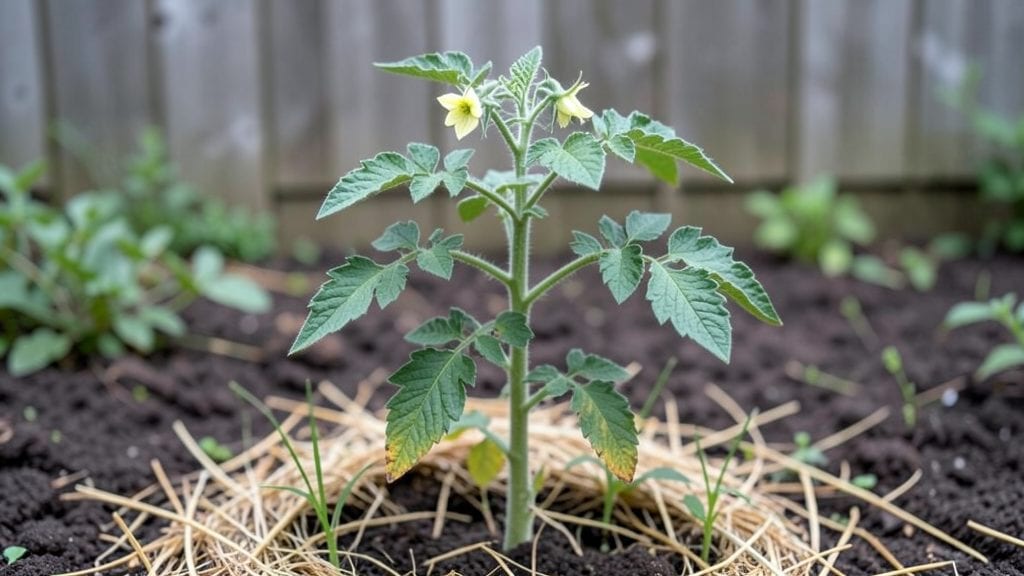
Nurturing your baby tomato plant into a thriving vine begins with the right care from day one. My first baby tomato plant nearly died because I overwatered it—don’t make that mistake. The secret to strong growth lies in balancing sunlight, soil, and moisture without smothering those delicate roots.
You’ll need a sunny spot with at least 6-8 hours of direct light, well-draining soil mix, and a container at least 5 gallons for dwarf varieties. Water only when the top inch feels dry, and always use a small pot to prevent root stress.
Most beginners overdo it with water or shade, but these simple steps keep plants thriving.
Within 4-6 weeks, you’ll see sturdy stems and the first flower buds forming. Healthy plants develop glossy leaves and grow steadily upward. If you notice yellowing or wilting, it’s usually overwatering or poor drainage—adjust quickly to avoid setbacks.
This method works for patio containers, raised beds, or even indoor grow lights. Once you master the basics, you’ll harvest pint-sized tomatoes by early summer—no backyard required. Let’s get those plants growing strong!
📚 In This Guide
- What you need
- Instructions
- Tips and common mistakes
- Wrapping up and next steps
What you need
- ● Baby tomato plant(s): 1-3 compact varieties (e.g., 'Tiny Tim,' 'Patio,' or 'Micro Tom'). Choose disease-resistant types for best results.
- ● Containers: 5-gallon pots or fabric grow bags (minimum 12" deep) for each plant. Ensure they have drainage holes!
- ● High-quality potting mix: 1-2 bags of well-draining, organic mix (avoid garden soil—it compacts too easily).
- ● Balanced fertilizer: 10-10-10 or organic tomato fertilizer (follow label instructions for dilution).
- ● Support system: Small cages (6-8" tall) or stakes (12-18" long) to keep plants upright.
- ● Watering can or hose with a gentle nozzle: For consistent moisture without over-saturating roots.
- ○ Mulch (optional but helpful): Straw or shredded leaves to retain moisture and suppress weeds.
- ● Pruning shears: For trimming suckers and shaping plants (sterilize with rubbing alcohol between uses!).
- ● pH test kit: To check soil acidity (ideal range: 6.0-6.8 for tomatoes).
- ● Grow lights or sunny windowsill: If indoors, provide 6-8 hours of light daily (south-facing is best!).
- ● Café or compost: For enriching soil naturally (add sparingly to avoid over-fertilizing).
- ● Plant labels: To track varieties and watering schedules (especially useful for multiple plants!).
Step-by-Step instructions for growing baby tomato plants
Transform those tiny seedlings into productive plants with these proven techniques.
Select the Right Containers and Soil Mix
Choose 5-gallon containers with drainage holes for each plant—tomatoes need room to develop strong root systems. I prefer fabric grow bags because they prevent root circling and allow excess moisture to evaporate naturally. Fill each container with a blend of 60% premium potting mix and 40% compost, mixed thoroughly to create a loose, well-aerated medium.
Moisten the mix until it reaches the consistency of a damp sponge—you should be able to squeeze a handful without water dripping out. This balance prevents compaction while ensuring roots have access to moisture. Tap the container gently on the table to settle the soil without compacting it further.
Transplant Seedlings Carefully
Remove seedlings from their nursery pots and gently tease apart the roots if they're crowded. Plant each seedling at the same depth it grew in its original container—burying too deep can cause stem rot, while planting too shallow stunts root development. Place one seedling per container, spacing them 18 inches apart if growing multiple in a raised bed.
Press the soil firmly around the base to eliminate air pockets, then water deeply until moisture runs out the drainage holes. This initial watering helps settle the roots and removes any air gaps that could stress the young plant. Avoid wetting the leaves to prevent fungal diseases.
Provide Optimal Light and Temperature
Tomatoes thrive in full sun, so place your containers in a location receiving at least 6-8 hours of direct sunlight daily. If growing indoors, supplement with a grow light positioned 6-12 inches above the plants for 14-16 hours per day. You'll notice leaves darkening and stems thickening as they adapt to stronger light.
Maintain soil temperatures between 70-85°F—cooler temperatures slow growth, while excessive heat stresses plants. Use a heat mat if needed, especially in early spring or fall. Monitor for signs of stress: yellowing leaves indicate too much water or poor drainage, while wilting suggests underwatering or insufficient humidity.
Fertilize and Prune for Compact Growth
After the first true leaves appear, apply a balanced fertilizer (10-10-10) at half-strength every 2-3 weeks. This encourages steady growth without overwhelming young plants. I like to mix the fertilizer with water and apply it directly to the soil, avoiding contact with leaves to prevent burns.
Pinch off the first flower clusters that appear—this may seem counterintuitive, but redirecting energy to foliage and root development produces stronger plants. Once the plant reaches 12 inches tall, begin pruning suckers (the small shoots that form in the leaf axils) to promote bushier growth. You'll see more compact, productive plants within a few weeks.
Support and Train for Maximum Yield
Install a cage or stake as soon as the plant reaches 6 inches tall to provide support. Tomatoes grow quickly, and without support, they sprawl and develop weak stems. Tie the main stem loosely to the stake with soft plant ties, adjusting as the plant grows to avoid restricting its movement.
Rotate the containers a quarter turn weekly to ensure even growth toward the light. You'll notice the plant developing a more uniform shape and stronger stems. As fruit begins to set, reduce watering slightly to concentrate flavor—let the top inch of soil dry out between waterings, but never allow the plant to wilt.
Tips & tricks for perfect baby tomato plants
Real talk: Growing baby tomato plants successfully hinges on a few key details that most beginners overlook. Here's what nobody tells you—until now.
Container Selection: While 5-gallon containers work perfectly, consider adding a layer of landscape fabric at the bottom before filling with your soil mix. This prevents weeds from growing through drainage holes while still allowing excess water to escape. I've found that fabric grow bags actually outperform plastic containers—they breathe better and reduce the risk of root rot by preventing moisture buination.
Root Development Strategy: When transplanting in Step 2, make a small trench around each seedling's root ball before pressing soil firmly. This creates a natural reservoir that holds moisture while encouraging roots to spread outward rather than circling. After watering deeply, gently press the soil around the trench to maintain contact without compacting. You'll see stronger root systems develop within just 2-3 weeks.
Light Optimization: The 14-16 hours of grow light specified in Step 3 is non-negotiable for indoor success. Position your lights so they're just 6 inches above the plants initially, then raise them gradually as the plants grow. I've noticed that using a timer for grow lights eliminates human error—consistent light cycles prevent the plants from stretching toward light sources, which leads to weak stems and poor fruit set.
Pruning Insight: When you reach Step 4 and begin pruning suckers, focus on removing only the ones that are larger than a pencil diameter. These larger suckers compete directly with your main stem for nutrients. I've found that pruning every 7-10 days maintains the plant's energy balance better than waiting for them to grow larger. The key is to work when the plant is dry—wet plants are more susceptible to disease when pruned.
Pro Tips for Baby Tomato Plant
- Real talk: Growing baby tomato plants successfully hinges on a few key details that most beginners overlook.
- Container Selection: While 5-gallon containers work perfectly, consider adding a layer of landscape fabric at the bottom before filling with your soil mix.
- Root Development Strategy: When transplanting in Step 2, make a small trench around each seedling's root ball before pressing soil firmly.
Frequently asked questions
about growing baby tomato plants—because even the tiniest gardeners deserve answers!When is the best time to plant baby tomato plants?
For compact cherry or grape tomato varieties, plant seeds indoors 6–8 weeks before your last frost date or buy starter plants in early spring. Transplant outdoors after soil temps hit 55°F+ (use a soil thermometer!). In warmer climates, you can even plant in fall for a second harvest.
How do I keep my baby tomato plants from wilting in heat?
Heat stress is common! Mulch heavily (straw or grass clippings) to retain moisture, water deeply at the base in the morning, and provide afternoon shade with a lightweight row cover or shade cloth. Dwarf varieties like 'Tiny Tim' or 'Balcony Red' handle heat better than larger types.
Can I grow baby tomatoes in containers? If so, what size pot?
Use pots at least 12–18 inches deep (bigger for indeterminate varieties). Add a balanced fertilizer (like 10-10-10) when planting, and ensure pots have drainage holes. Dwarf varieties thrive in 5-gallon buckets, while vining types need cages or trellises to save space.
Why are my baby tomato leaves turning yellow or curling?
Yellow leaves often signal overwatering or nutrient deficiencies (like nitrogen). Curl could mean aphids, spider mites, or heat stress. Check soil moisture, adjust watering, and spray leaves with neem oil or insecticidal soap if pests are present. Prune affected leaves to redirect energy.
Are baby tomato plants perennial, or do I replant yearly?
Nope—tomatoes are annuals, but you can extend harvests! In mild climates, plant successionally every 2–3 weeks for continuous fruit. Save seeds from heirloom varieties for next year, or try greenhouse growing in winter for a year-round supply.
Pro Tip:
For bigger yields, pinch off the first few flowers on young plants to encourage foliage growth before fruiting. This helps dwarf varieties stay compact while maximizing harvests!
Wrapping up and next steps
Growing baby tomato plants is a rewarding way to enjoy fresh, homegrown tomatoes—no matter your garden size! With the right variety, containers, and care, you’ll harvest sweet, compact fruits year-round. Whether you’re a beginner or a seasoned gardener, these little powerhouses prove that big flavors come in small packages.
Ready to dive in? Start by picking your favorite baby tomato plant variety and grab your supplies—your first harvest could be just a few months away! 🌱🍅