Pests and Diseases
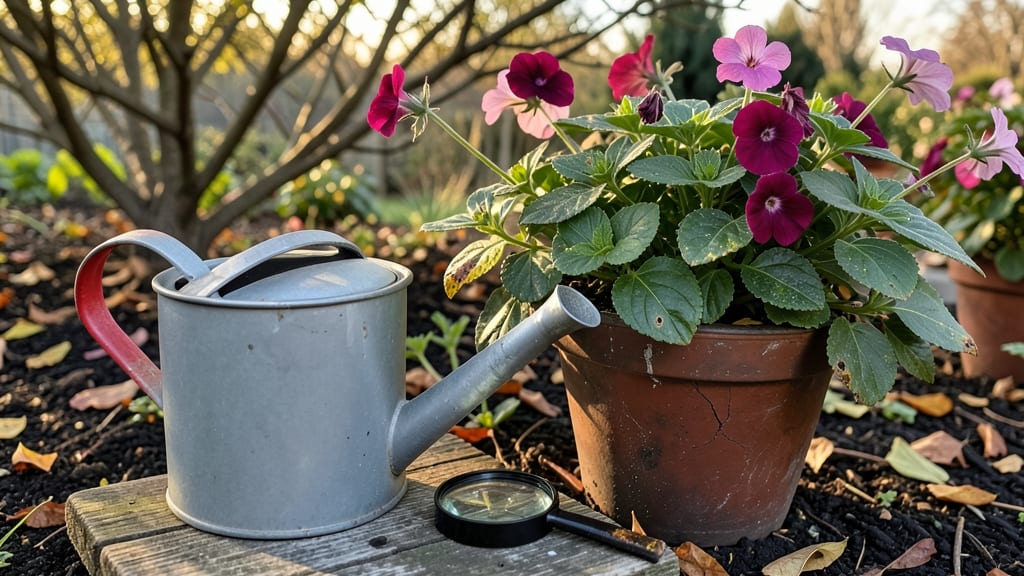
Impatiens plant diseases strike fast—those yellow spots or fuzzy growth can turn vibrant blooms into a sad sight in just days. 🌱 I’ve seen downy mildew turn a whole bed of impatiens into a wilting mess, but there’s hope: catching these fungal foes early means you can save your plants before they’re gone.
The worst offenders—downy mildew, bacterial blight, and powdery mildew—love damp leaves and crowded plants. Poor airflow or overhead watering turns your shade garden into a fungal buffet.
The good news? A few simple tweaks—like spacing plants properly, watering at the base, and removing infected leaves—can stop the spread before it starts.
With the right mix of pruning, fungicides, and prevention, you’ll see new growth within weeks. The key is acting fast: strip off infected foliage, apply a copper-based spray, and keep your plants dry. Your impatiens will bounce back with bold blooms that steal the show again.
Works for container impatiens, hanging baskets, or garden beds—just adjust your care routine to keep those fungal foes at bay. Let’s get your plants back to their best in no time.
Root Causes of Impatiens Struggles
Impatiens plants—with their vibrant blooms and lush foliage—can quickly become a gardener’s nightmare when struck by disease. But why do these delicate beauties fall prey to fungal foes so often? The answer lies in a mix of environmental stress, poor cultural practices, and the relentless persistence of pathogens.
Understanding these root causes is the first step to preventing and treating outbreaks before they spiral out of control.
Fungal pathogens like Phytophthora and Botrytis thrive in stagnant, humid conditions—exactly what happens when impatiens are planted too closely together. Overcrowding creates a microclimate where moisture lingers on leaves and stems, giving fungi the perfect breeding ground.
- Why it matters: Poor airflow traps spores near plant tissues, increasing infection rates by up to 400% in dense plantings (studies from the American Phytopathological Society confirm this).
- Actionable fix: Space impatiens 12–18 inches apart and prune surrounding foliage to improve circulation. Elevate containers slightly to prevent water pooling.
Impatiens roots are sensitive to soggy soil, and waterlogged conditions invite Pythium and Phytophthora root rot. Even well-draining soil can become a problem if irrigation is inconsistent or containers lack drainage holes.
- Why it matters: Roots deprived of oxygen (hypoxia) weaken the plant’s defenses, making it 3x more susceptible to fungal invasion (per University of Minnesota research).
- Actionable fix:
- Use pots with drainage holes and a 50/50 mix of potting soil and perlite.
- Water only when the top 1–2 inches of soil are dry.
- Avoid overhead watering—use drip irrigation or soaker hoses instead.
Many impatiens diseases are soil-borne, meaning they lurk in garden beds, containers, or even dirty pruners from previous plantings. Pathogens like Alternaria and Fusarium can persist for years in dormant spores, waiting for the right conditions to strike.
- Why it matters: A single infected plant can contaminate an entire garden if spores spread via water splashes, tools, or even compost made from diseased plant debris.
- Actionable fix:
- Sterilize tools with 70% isopropyl alcohol or a 10% bleach solution between uses.
- Replace contaminated soil with sterilized potting mix or solarize soil (cover with clear plastic for 4–6 weeks in summer).
- Avoid reusing containers without cleaning—scrub with hot, soapy water and disinfect.
Impatiens prefer moderate temperatures (60–75°F) and relative humidity below 70%. When nights dip below 50°F or days exceed 85°F, their stress response weakens, making them vulnerable to fungal attacks like downy mildew.
- Why it matters: High humidity (above 80%) combined with warm nights creates the "perfect storm" for fungal spores to germinate and infect leaves within 24–48 hours.
- Actionable fix:
- Use shade cloth (30–50%) during peak sun hours to reduce heat stress.
- Improve airflow with oscillating fans (set to low speed) in greenhouses or indoor setups.
- Water in the early morning to allow foliage to dry before humidity spikes at night.
Impatiens need a balanced diet—too little or too much fertilizer disrupts their natural defenses. Nitrogen-heavy fertilizers promote lush, soft growth that’s highly attractive to fungi, while phosphorus/potassium imbalances weaken cell walls.
- Why it matters: Plants deficient in calcium or magnesium develop weakened cell membranes, making them easier targets for pathogens like Botrytis.
- Actionable fix:
- Use a slow-release, balanced fertilizer (10-10-10 or 14-14-14) every 4–6 weeks.
- Add egg shells or crushed limestone to soil for extra calcium.
- Avoid synthetic fertilizers high in nitrogen—opt for organic options like fish emulsion or compost tea.
By tackling these underlying issues, you’ll dramatically reduce the risk of impatiens diseases taking hold. Prevention is always easier than cure—so give your plants the right conditions to thrive from the start!
Quick Fixes for Common Impatiens Troubles
Reviving your impatiens doesn’t have to be a guessing game—once you spot the issue, act fast with targeted solutions. Below are practical, step-by-step fixes for the most common fungal and bacterial diseases, plus smart prevention tips to keep your plants thriving.
Think of it as a first-aid kit for your garden!
Fungi thrive in damp, crowded conditions, so speed is key to saving your impatiens.
🔥 Downy Mildew: Scrape and Spray
Signs: Yellow spots on top leaves, fuzzy gray growth underneath. Fix:
- Remove infected leaves immediately—don’t compost them! Toss in the trash to prevent reinfection.
- Prune back 2–3 inches below the damaged area to encourage new, healthy growth.
- Apply a copper fungicide (like Bonide Copper Fungicide) or a baking soda spray (1 tsp baking soda + 1 quart water + a few drops of dish soap).
- Space plants wider (12–18 inches apart) for better airflow.
- Water in the morning so leaves dry quickly—fungi love nighttime moisture.
💡 Pro Tip: Rotate fungicides if downy mildew keeps returning—resistance builds up over time!
🍳 Powdery Mildew: Brush and Bake (Soda Style)
Signs: White, powdery coating on leaves, stunted growth. Fix: 1. Gently brush off mildew with a soft cloth or sponge (damp, not soaking wet).
- Spray with a homemade remedy: - Neem oil spray: 1 tbsp neem oil + 1 tsp mild soap + 1 quart water.
Shake well and spray undersides of leaves. - Baking soda spray: Mix 1 tsp baking soda + 1 quart water + a drop of soap. Reapply every 7–10 days. 3. Improve airflow by thinning out nearby plants or moving impatiens to a sunnier spot (but avoid scorching).
- Avoid overhead watering—use drip irrigation or water at the base.
🌡️ Heat Hack: Powdery mildew loves humidity. If your area is prone to it, water early in the day and mulch with straw to keep soil moisture even.
👨🍳 Root Rot: Rescue Before It’s Too Late
Signs: Wilting, yellowing leaves, mushy stems, foul smell at the base. Fix: 1. Stop watering immediately—let the soil dry out completely.
- Repot the plant if possible: - Remove from the pot, trim away blackened roots with sterilized scissors. - Repot in fresh, well-draining soil (add perlite or sand for aeration).
- Move to a brighter spot (but avoid direct sun while recovering).
- Water only when the top inch of soil is dry—overwatering is the #1 killer.
- Disinfect your pots with a 10% bleach solution (1 part bleach to 9 parts water) before reuse.
✨ Emergency Fix: If repotting isn’t an option, top-dress with dry coconut coir to absorb excess moisture and improve drainage.
Bacteria spread like wildfire—quarantine infected plants to protect your garden.
🔪 Bacterial Leaf Spot: Burn and Sterilize
Signs: Water-soaked brown spots with yellow halos, holes in leaves. Fix:
- Remove and destroy all infected leaves and stems (do not compost).
- Sterilize pruners with rubbing alcohol between cuts.
- Apply a copper-based bactericide (like Copper Soap) every 5–7 days.
- Water only at the base and avoid splashing leaves.
- Rotate crops next season—don’t replant impatiens in the same spot for 2+ years.
🎯 Prevention Shield: Solarize your soil in late summer by covering it with clear plastic for 4–6 weeks to kill bacteria naturally.
The best cure? Avoid the problem in the first place! Follow these easy habits to keep your impatiens disease-free:
- ⏰ Water wisely: Early morning is best—aim for 1 inch of water per week (including rain). - 🌿 Space them out: Crowded plants = fungal paradise.
Give them room to breathe! - 🌞 Sunlight balance: Most impatiens love partial shade (morning sun, afternoon shade). - 🪴 Healthy soil: Amend with compost and ensure good drainage (raise pots if needed). - 🧼 Clean tools: Sterilize pruners and pots between uses to prevent cross-contamination. - 🌱 Choose resistant varieties: Look for impatiens cultivars labeled as disease-resistant (e.g., ‘Super Elfin’ series).
Final Thought: Most impatiens diseases are manageable with quick action and smart care. Catch them early, act decisively, and your plants will bounce back stronger than ever! 🌸
Frequently asked questions
What are the first signs of impatiens fungal infections?
Watch for yellowing leaves with fuzzy gray growth (downy mildew) or white powdery coatings (powdery mildew) on leaf surfaces. These appear within 3–7 days of infection, often starting on lower leaves first. Act fast—remove infected foliage immediately to prevent spread.
Can I save an impatiens plant with bacterial leaf spot?
Yes, but it requires aggressive action. Prune away all infected leaves (don’t compost them!) and sterilize tools with 70% isopropyl alcohol. Apply a copper-based bactericide every 5–7 days while improving airflow. If the plant is severely infected, consider replacing it to prevent cross-contamination.
How do I prevent impatiens diseases in containers?
Use pots with drainage holes and a 50/50 mix of potting soil and perlite to prevent waterlogging. Water only at the base in the morning, and avoid overhead sprinkling. Elevate containers slightly to improve airflow, and sterilize pots between uses with a 10% bleach solution.
Will neem oil work for impatiens diseases?
Neem oil is effective against powdery mildew and some fungal infections, but it won’t cure bacterial diseases. Mix 1 tablespoon neem oil with 1 teaspoon mild soap and 1 quart water, then spray undersides of leaves. Reapply every 7–10 days for prevention. For severe cases, combine with copper fungicide.
Can I reuse soil from an infected impatiens plant?
No—soil-borne pathogens like Phytophthora and Fusarium can persist for years. Replace contaminated soil with sterilized potting mix or solarize it (cover with clear plastic for 4–6 weeks in summer). If reusing containers, scrub with hot, soapy water and disinfect with a 10% bleach solution.