Flowers
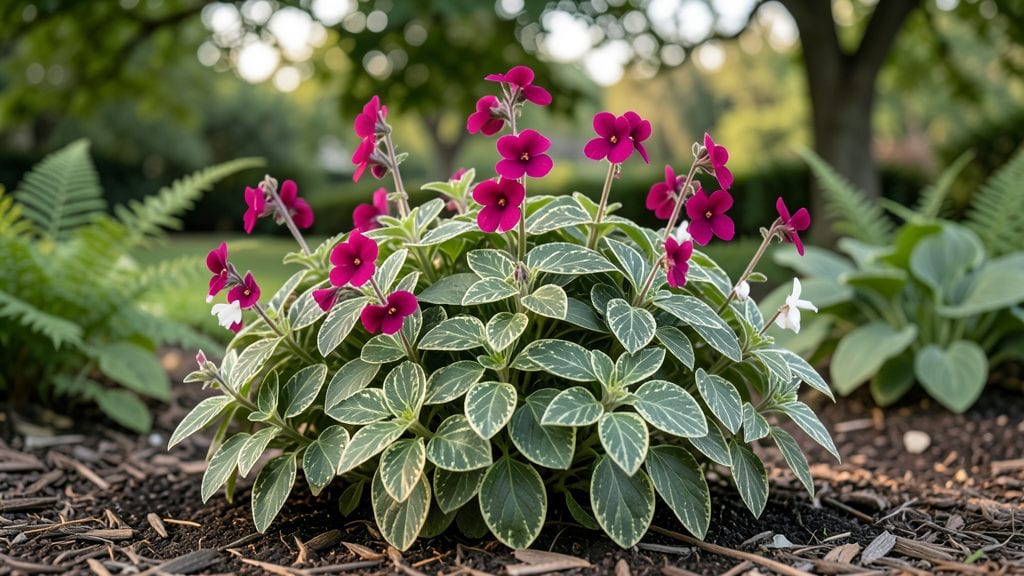
Variegated impatiens plants bring a burst of color to shady spots where most flowers refuse to grow. 🌿 I’ve grown them for years, and their striped foliage and cheerful blooms never fail to brighten up dark corners—whether in hanging baskets or woodland garden beds.
The key is matching their love of moisture and partial shade, which makes them the perfect shade-loving workhorse for gardeners who want drama without full sun.
These plants thrive in well-draining, rich soil that stays consistently damp, not soggy. A mix of potting soil and compost works wonders, and they’ll reward you with blooms from early summer until frost if you keep them happy.
Mulching helps retain moisture, which is critical since impatiens wilt fast in dry conditions. For containers, choose pots with drainage holes and place them where they get bright, indirect light—think dappled shade under trees or on north-facing porches.
What you’ll love most is how effortlessly they fill space. Their trailing habit makes them ideal for baskets, while their bushy growth works beautifully in garden borders. Pinch back leggy stems early to encourage fuller plants, and deadhead spent blooms to keep flowers coming.
Within weeks, you’ll have a lush, blooming display that turns heads—and no one will guess it’s thriving in shade.
They’re fuss-free for beginners but also love a little extra care from seasoned gardeners. Just watch for aphids and powdery mildew, which can crop up if air circulation is poor.
With the right setup, these plants will outperform most shade annuals, giving you vibrant color with almost no effort. Let’s get yours growing!
📚 In This Guide
- What you need
- Instructions
- Tips and common mistakes
- Wrapping up and next steps
What you need
- ● Variegated impatiens plants: Choose healthy seedlings or transplants (6–12 plants per container or garden bed, depending on desired density). Look for varieties like Impatiens walleriana or Impatiens hawkeri with striking variegated foliage (e.g., white, pink, or yellow stripes).
- ○ Well-draining potting mix: 1–2 bags (10–15 quarts each) of a high-quality, peat-based or coco-coir mix blended with perlite or vermiculite (for aeration). Optional: Add a handful of compost for extra nutrients.
- ● Containers or garden bed: Containers: 6–12-inch pots (1–2 per plant) with drainage holes. Pro tip: Use self-watering pots for low-maintenance care! 💡
- ● Garden beds: A shaded area with loose, moist soil (amend with compost if soil is heavy or sandy).
- ● Garden trowel or small hand shovel (for transplanting).
- ● Pruning shears (to trim leggy stems or dead foliage).
- ● Watering can or hose with a gentle spray nozzle (variegated impatiens love moisture!).
- ○ Mulch (optional but recommended): 1–2 bags of shredded bark or pine straw to retain soil moisture and suppress weeds.
- ○ Fertilizer (optional): Balanced liquid fertilizer (10-10-10 or 20-20-20) or
- ● Slow-release granular fertilizer (like osmocote) mixed into the soil at planting.
- ○ Plant labels (optional): Mark varieties if growing multiple types for easy identification.
- ● Shade: Partial to full shade (2–6 hours of indirect sunlight daily). Variegated impatiens hate harsh sun!
- ● Temperature: Plant after the last frost (when soil temps are above 50°F/10°C). They thrive in USDA zones 10–11 but can be grown as annuals in cooler climates.
- ● Water: Keep soil consistently moist—never let it dry out completely.
How to grow thriving variegated impatiens in containers
Here’s how I keep these shade-loving beauties blooming all season—no fuss, just vibrant color.
🌱 Step 1: Choose the Right Containers and Soil Mix
Variegated impatiens need well-draining soil to prevent root rot, so I use 6-inch pots with drainage holes for each plant. These containers hold enough soil to keep roots happy while allowing excess water to escape. Fill each pot with a mix of 50% peat moss and 50% perlite—this light blend mimics their natural, moist but airy habitat.
Press the mix down gently so it’s firm but not compacted. The soil should crumble easily when squeezed—if it clumps, add more perlite. I like to pre-moisten the mix with warm water until it’s damp but not soggy, so the roots can settle in without shock.
🪴 Step 2: Plant Seedlings at the Correct Depth
Dig a hole in the center of each pot twice as deep as the root ball of your variegated impatiens seedlings. Gently remove the plant from its nursery pot and place it in the hole, ensuring the top of the root ball sits ½ inch below the soil line. This prevents stem rot while keeping roots stable.
Fill the hole with soil and press lightly around the base to eliminate air pockets. Avoid packing too hard—you want the soil to stay loose so roots can spread easily. Water immediately after planting to help settle the soil and remove any air gaps.
☀️ Step 3: Position for Partial to Full Shade
Variegated impatiens thrive in partial to full shade, so place your pots where they’ll receive 2-6 hours of morning sun and afternoon shade. A north-facing window or a spot under a tree with dappled light works perfectly. Too much direct sun will scorch their delicate leaves, while too little light slows blooming.
Rotate the pots a quarter turn weekly to ensure even growth—you’ll notice leaves leaning toward the light if they’re not getting balanced exposure. If your space is dim, supplement with a grow light for 12 hours daily to keep them vibrant.
💧 Step 4: Water and Feed for Continuous Blooms
Keep the soil consistently moist but never soggy. Water when the top inch feels dry—stick your finger in the soil to check. I water at the base in the morning to avoid fungal issues, and I use room-temperature water to prevent shocking the roots. Variegated impatiens wilt easily if they dry out, so consistency is key.
Feed every 2 weeks with a balanced liquid fertilizer (10-10-10) diluted to half strength. You’ll see a surge in blooms within a week of fertilizing—just don’t overdo it, or the leaves will grow lush at the expense of flowers. Prune spent blooms regularly to encourage more vibrant new ones.
✂️ Step 5: Prune and Maintain for Long-Lasting Beauty
Pinch back leggy stems to encourage bushier growth, and remove any yellow or damaged leaves immediately. Variegated impatiens respond well to light pruning—cutting back 1 inch above a leaf node prompts fresh side shoots. This keeps the plant compact and full, with more space for blooms.
Watch for aphids or spider mites, which love variegated foliage. Wipe leaves with a damp cloth weekly to prevent pests. If you see sticky residue on leaves, spray with neem oil—it’s gentle but effective. With proper care, your variegated impatiens will bloom nonstop from spring until frost.
Tips & tricks for perfect variegated impatiens
These simple strategies will help you keep your variegated impatiens thriving with vibrant color and continuous blooms all season long.
Soil Mix Secret: The 50-50 peat moss and perlite blend is crucial—peat holds moisture while perlite ensures proper drainage. I find that adding a handful of orchid bark to the mix improves aeration even more. This combination prevents the compacting that leads to root rot, which is especially important for these delicate plants.
Planting Depth Tip: When you're planting in Step 2, that ½-inch below soil line is critical for stability. I like to use a pencil to mark the depth on the pot before planting—this visual cue prevents over-deepening, which can cause stem rot. Gently patting the soil around the base after planting eliminates air pockets that could suffocate new roots.
Light Positioning: The 2-6 hours of morning sun is a perfect window—any more than that risks scorching those delicate variegated leaves. I've found that placing pots on a wheeled cart makes it easy to rotate them weekly for even growth. If you notice leaves leaning toward one direction, that's your plant's way of telling you it needs repositioning.
Watering Wisdom: Checking that top inch of soil with your finger is the best way to gauge moisture. I've learned the hard way that variegated impatiens wilt dramatically when thirsty, but they also hate soggy conditions. Using room-temperature water prevents temperature shock to the roots, which can stress the plant. A self-watering pot can help maintain consistent moisture without the guesswork.
Pro Tips for Variegated Impatiens Plants
- These simple strategies will help you keep your variegated impatiens thriving with vibrant color and continuous blooms all season long.
- Soil Mix Secret: The 50-50 peat moss and perlite blend is crucial—peat holds moisture while perlite ensures proper drainage.
- Planting Depth Tip: When you're planting in Step 2, that ½-inch below soil line is critical for stability.
Frequently asked questions
Got questions about growing variegated impatiens?
Here are the answers to the most common ones—so you can enjoy their stunning striped blooms with confidence!
How do I keep my variegated impatiens from getting leggy or sparse?
Variegated impatiens love shade but still need bright, indirect light to prevent legginess. Rotate pots occasionally for even growth and pinch back leggy stems to encourage bushier foliage. Avoid overcrowding—thin seedlings to 6–8 inches apart for better airflow and blooms. Pro tip: A light fertilizer (like 10-10-10) every 4–6 weeks keeps them lush!
When is the best time to plant variegated impatiens?
Plant them after the last frost when soil temps hit at least 60°F (15°C). For containers, start seeds indoors 8–10 weeks before transplanting. In warmer climates, you can plant as early as late winter. Warning: They’re frost-sensitive—never expose them to temps below 40°F (4°C)!
Why are my variegated impatiens’ leaves turning yellow or brown?
Yellow leaves often signal overwatering or poor drainage, while brown edges can mean underwatering or too much sun. Check soil moisture—keep it consistently moist but not soggy. If leaves crisp in direct sun, move them to a shadier spot. Fungal issues (like powdery mildew) can also cause browning—improve airflow and avoid wetting foliage.
Can I grow variegated impatiens in hanging baskets or containers?
They thrive in containers with well-draining soil and frequent watering. Choose baskets or pots with drainage holes, and use a mix of potting soil and perlite for aeration. For extra vibrancy, pair them with fuchsias or calibrachoas. Just ensure they get morning sun and afternoon shade to prevent stress.
What’s a good alternative if variegated impatiens don’t grow well in my area?
If your climate is too hot/dry or humid, try these shade-loving alternatives:
- Begonias (e.g., wax or angel wing)—tolerate humidity and partial shade.
- Coleus—adds bold foliage with minimal care.
- Fuchsias—produce stunning flowers in similar conditions.
- Heuchera (coral bells)—offers colorful leaves and thrives in shade.
Wrapping up and next steps
Variegated impatiens plants bring a burst of color and life to shady gardens, offering easy care and stunning visuals. Whether you’re a seasoned gardener or just starting out, their adaptability and vibrant blooms make them a must-have for low-light spaces.
Ready to transform your garden? Plant a few today—your shady corners will thank you!
🌱 Next Steps:
- Pick your spot: Choose a partially shaded area with moist, well-draining soil.
- Grab your plants: Visit a local nursery or order online for variegated impatiens varieties.
- Plant and enjoy: Follow the care tips above, and watch your garden bloom with effortless beauty!