Diseases
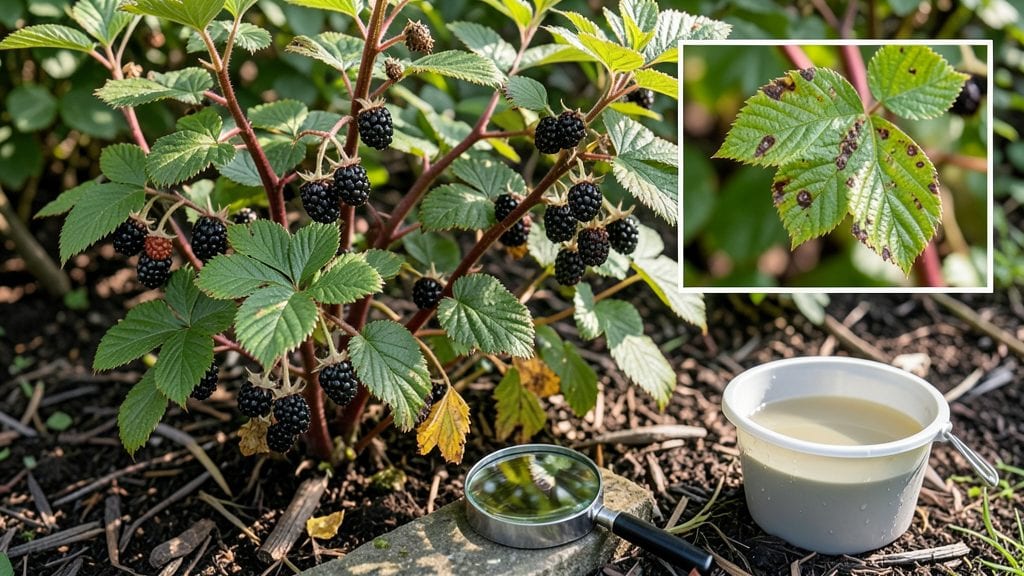
Blackberry plant diseases can turn your thriving bramble into a sad, spotted mess in weeks—if you don’t act fast. 🌿 I’ve seen anthracnose and rust turn healthy canes into crispy shadows, but the right moves can save your harvest before the season’s over.
The key is catching problems early, when a quick spray or prune can make all the difference.
Most fungal threats—like anthracnose or rust—love warm, wet conditions, so prevention starts with spacing plants for airflow and avoiding overhead watering. Once you spot the first yellow spots or orange pustules, you’ve got a 3-day window to treat before the disease spreads.
Organic options like copper fungicide or neem oil work fast, but pruning infected canes at the base stops the spread like a firebreak.
By the time you’re done, your blackberries will be vibrant and productive again, with fewer spots and stronger canes. The secret isn’t just treating—it’s staying ahead with clean tools, mulch that dries faster, and a sharp eye for early warning signs. Let’s get those berries back on track.
Works for both primocanes and floricanes, whether you’re growing in rows or along a fence. The same principles apply no matter your setup—just adjust the scale. Here’s how to keep your patch healthy all season.
Root Causes of Blackberry Ailments
Blackberry plants, like all living organisms, are vulnerable to diseases due to a mix of environmental stressors, microbial invaders, and cultural mismanagement. Understanding why these issues arise is the first step to preventing them.
Below, we break down the key triggers—from invisible pathogens to human habits—that turn your thriving brambles into a battleground.
Fungi are the #1 culprit behind blackberry diseases, thriving in damp, warm conditions. These microscopic organisms release spores that latch onto plant tissues, disrupting nutrient flow and causing visible symptoms like rust, mold, or rotting canes.
- Overhead Watering 💦 Splashing water onto leaves and canes creates the perfect breeding ground for fungal spores. Unlike direct irrigation (which targets roots), overhead sprinklers or rain mimic this effect, promoting diseases like anthracnose and botrytis blight.
- Poor Air Circulation ⛈️ Dense plantings or thick foliage trap moisture, giving fungi a foothold. Fungal spores need high humidity (70%+) to germinate—something crowded blackberry patches provide in spades.
- Weakened Plant Defenses 🛡️ Stressed blackberries (from drought, nutrient deficiencies, or physical damage) have lower resistance to fungal attacks. For example, blackberry rust (Kuhnia eugeniae) exploits plants weakened by nitrogen deficiency or injury.
Bacteria move quickly, often entering plants through wounds (pruning cuts, thorns, or insect bites). Unlike fungi, they don’t need spores—they hitch a ride on tools, water, or even your hands.
- Contaminated Tools 🔪 Pruners, trellises, or stakes harbor bacteria like Xanthomonas campestris pv. pruni (cause of bacterial canker). A single cut with an infected blade can introduce the pathogen directly into the plant’s vascular system.
- Wet Canes After Rain 🌧️ Bacteria thrive in standing water on canes, leading to oozing lesions (a hallmark of bacterial leaf spot). Prune infected canes before rain to avoid spreading the disease.
- Insect Damage 🐜 Sap-sucking pests (like spider mites or aphids) create entry points for bacteria. Their saliva also weakens plant tissues, making blackberries more susceptible to secondary infections.
Blackberries aren’t just fighting microbes—they’re also battling weather, soil, and location-based challenges that lower their disease resistance.
- Extreme Temperatures ❄️☀️ Cold snaps followed by warm spells stress plants, while heatwaves (above 90°F) scorch leaves, making them vulnerable to powdery mildew. Sudden temperature swings also disrupt the plant’s natural defenses.
- Compacted or Waterlogged Soil 💧 Poor drainage leads to root rot (Phytophthora species), while compacted soil restricts root growth, starving the plant of nutrients. Weak roots = easier fungal/bacterial entry.
- High Humidity + Stagnant Air 🌬️ Blackberries grown in low-lying areas or without proper spacing suffer from prolonged moisture on leaves. This is a red flag for **gray mold (Botrytis cinerea), which thrives in still, damp air.
Even the best-intentioned gardener can accidentally invite diseases. These cultural mistakes create opportunities for pathogens to strike.
- Over-Fertilizing with Nitrogen 🌿 Too much nitrogen promotes lush, soft growth—a fungal buffet. It also delays hardening before winter, leaving blackberries susceptible to cane blight.
- Ignoring Pruning Hygiene ✂️ Leaving dead canes or debris in the patch creates hibernation spots for fungal spores. Always sterilize tools with rubbing alcohol and remove all infected plant material.
- Planting in Contaminated Soil 🌱 Reusing soil from a previously diseased patch or planting near infected wild brambles introduces pathogens. Solarize soil (cover with plastic for 4–6 weeks) to kill lurking microbes before replanting.
Some insects don’t just damage plants—they spread diseases like silent couriers.
- Japanese Beetles 🐞 Their feeding weakens leaves, making blackberries prone to anthracnose. Handpick adults or use neem oil to disrupt their life cycle.
- Thrips & Aphids 🐜 These sap-suckers transmit virus diseases (like blackberry yellow mottle virus), which stunt growth and reduce fruit quality. Introduce ladybugs or use insecticidal soap for control.
Diseases don’t appear out of nowhere—they exploit weaknesses in your blackberry’s environment, health, or care routine. By addressing moisture, spacing, sanitation, and plant vigor, you can starve pathogens** before they take hold. 🚫🍄🦠
Quick Fixes for Blackberry Fungal Foes
Fungal infections can turn your thriving blackberry bushes into a sad, spotted mess—but don’t panic! With the right moves, you can revive your plants and keep future outbreaks at bay. Below, we’ve mapped out practical, step-by-step solutions for the most common blackberry diseases, plus prevention tips to protect your harvest.
Think of this as your blackberry bush’s emergency repair kit—no green thumb required!
**🔥 Cause: Fungal spores thrive in wet, humid conditions, turning leaves into a sad, crinkled mess with dark spots.
👨🍳 Fix It Fast:
- Prune the Problem 🔪
- Snip off
- Dispose of clippings in the trash (not compost)—this stops spores from recycling!
- Fungicide Rescue Mission 💊 - Spray with a copper-based fungicide (like Copper Soap or Cheshunt Compound) or a baking soda mix (1 tbsp baking soda + 1 quart water + a drop of dish soap).
Reapply every 7–10 days until new growth appears. - Pro Tip: 🌡️ Timing is key! Apply fungicide at dawn or dusk to avoid burning leaves in the sun.
- Boost Airflow 💨
- Thin out crowded canes to improve circulation—fungi love hiding in damp, shaded spots.
- Space plants 3–4 feet apart if replanting.
**🛡️ Prevent It:
- Water at the base (avoid overhead sprinkling—🚫 wet leaves = fungus party).
- Remove fallen leaves from the ground (they’re spore hotels!).
- Plant resistant varieties like ‘Triple Crown’ or ‘Arapaho’ if anthracnose is a repeat offender.
🔥 Cause: Those bright orange pustules on leaves? That’s rust fungus, spreading via wind and water.
👨🍳 Fix It Fast:
- Rust-Proof Your Bush 🛡️
- Prune for sunlight: Rust loves shade—thin canes to let light and air reach the center.
- Fungicide Strike ⚔️
- Use a
- Copper Barrier 🛡️
🛡️ Prevent It:
- Avoid overhead watering—use drip irrigation instead.
- Rotate crops if growing blackberries in the same spot yearly (rust builds up in soil).
- Plant rust-resistant varieties like ‘Natchez’ or ‘Ouachita.’
🔥 Cause: Soft, gray, fuzzy spots** on berries and leaves? That’s Botrytis cinerea, loving moisture and poor airflow.
**👨🍳 Fix It Fast:
- Emergency Fruit Rescue 🍇
- Dispose of them in sealed bags (not compost).
- Fungicide Blitz ⚡
- Spray with
- Dry It Out 🌞
- Water early in the day so leaves dry before evening.
🛡️ Prevent It:
- Thin fruit clusters to improve airflow (overcrowded berries = mold paradise).
- Avoid late-season nitrogen (too much leafy growth = more hiding spots for fungus).
- Use mulch (straw or wood chips) to keep soil dry—but don’t pile it against canes.
✨ Pro Tips for All Fungal Foes:
- Clean tools 🧼—sterilize pruners and shears with rubbing alcohol between cuts.
- Rotate fungicides—don’t use the same one repeatedly (fungi get resistant!).
- Test soil pH 📊—aim for 5.5–6.5 (too acidic? Add lime; too alkaline? Use sulfur).
- Plant in full sun ☀️—6+ hours of sunlight = fewer fungal hangouts.
💡 Final Thought: Most blackberry diseases are manageable—it’s all about early action and prevention. Once you spot the first signs, act fast, and your bushes will bounce back stronger than ever. Happy pruning!** 🌱🔥
Frequently asked questions
What are the first signs of blackberry fungal infections?
Watch for dark, sunken spots on leaves (anthracnose) or orange pustules (rust fungus). Berries may develop gray fuzzy mold (Botrytis), and canes can show blackened, oozing lesions (bacterial issues). These symptoms appear most often after rainy periods or when humidity stays high.
Can I save my blackberries if they already have fungal spots?
Yes, but act fast! Prune infected canes immediately and apply a copper-based fungicide or neem oil spray. Remove all fallen leaves/debris (they harbor spores). For severe cases, consider replacing heavily infected plants to prevent soil contamination.
How often should I spray fungicide on blackberry plants?
Apply every 7-14 days during humid seasons or after rain. For prevention, do a pre-bloom spray (copper fungicide) and a post-harvest treatment. Rotate products to avoid resistance—never use the same fungicide repeatedly.
Are there organic ways to prevent blackberry diseases?
Use baking soda spray (1 tbsp baking soda + 1 quart water + soap), compost tea, or garlic/chili pepper spray (natural fungicides). Improve airflow by thinning canes and water at the base (never overhead). Mulch with straw to keep soil dry.
Why do my blackberries get diseases even after treating them?
Common reasons include re-infection from spores in soil/debris, poor airflow (crowded plants), or contaminated tools. Always sterilize pruners, remove all infected plant material, and avoid overhead watering to break the disease cycle.