Pests and Diseases
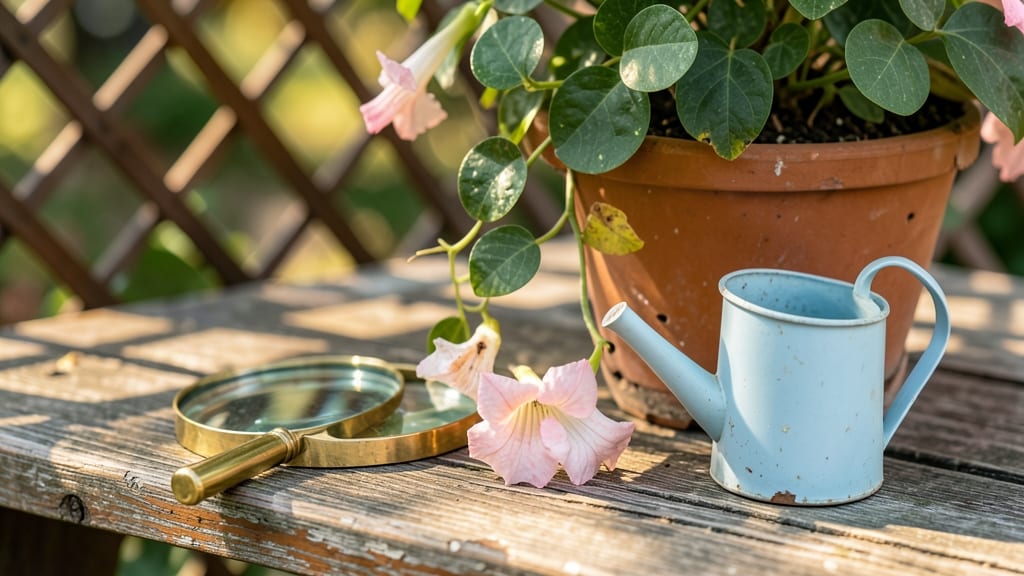
Mandevilla plant diseases can turn your vibrant tropical beauty into a sad, struggling vine in just weeks—unless you catch the signs early. I’ve seen powdery mildew turn glossy leaves white overnight, and root rot turn healthy plants into mushy stalks within days.
The key isn’t just treating symptoms; it’s understanding why your mandevilla is sending up distress signals before the damage gets irreversible.
Most problems start with poor airflow or overwatering, which creates the perfect damp, humid conditions fungi and bacteria love. My first year growing mandevilla, I ignored the yellowing leaves until they dropped—turns out, it was a fungal infection from water pooling at the base.
The fix? Adjusting watering habits and spacing plants so leaves dry faster. You’ll also want to keep an eye out for tiny black spots (sooty mold) or sticky residue (aphids), which often hide behind the glossy foliage.
Once you spot the issue, treatment depends on the disease: fungal infections respond to neem oil or copper fungicide, while bacterial problems may need a stronger antibiotic spray. The good news? Mandevillas are tough once you get ahead of the problem.
With the right care, you’ll have those trumpet-shaped blooms back in full force by summer. Let’s tackle the most common issues so your plant stays lush and healthy.
This isn’t just about saving a struggling plant—it’s about preventing future headaches. I’ll walk you through the early warning signs, the exact products to use, and how to adjust your care routine so your mandevilla thrives year after year. No more guessing what’s wrong or watching your investment wilt away.
Root Causes Of Mandevilla Struggles
Mandevilla plants, with their vibrant blooms and lush foliage, are prized for their beauty—but they’re not immune to stress. When diseases strike, it’s almost always due to a mix of environmental factors, poor care habits, or underlying weaknesses.
Understanding why these issues arise is the first step to keeping your Mandevilla thriving. Let’s break down the science behind the most common culprits.
Mandevillas are tropical plants, but they hate soggy roots. When soil stays too wet for too long, it creates the perfect breeding ground for Phytophthora (a water mold) and Fusarium (a soil-borne fungus). These pathogens thrive in anaerobic (low-oxygen) conditions, attacking roots and stems.
Why it happens:
- Compacted or clay-heavy soil doesn’t drain well, trapping excess moisture near roots.
- Lack of drainage holes in pots forces water to pool at the bottom.
- Overzealous watering—especially in cooler weather—when the plant’s roots slow down absorption.
- Mulch piled too high around the base, suffocating roots and trapping humidity.
💡 Pro Tip: Stick your finger 2 inches into the soil before watering. If it’s damp, wait. Mandevillas prefer slightly dry soil between waterings—think of a wrung-out sponge, not a soggy washcloth.
Fungi like Botrytis (gray mold) and Alternaria love warm, damp air. When humidity hovers above 70% and airflow is stagnant, spores land on leaves and stems, causing brown spots, wilting, or powdery growths.
Why it happens:
- Poor air circulation—crowded pots or indoor placement without fans lets humidity linger.
- Wet foliage from overhead watering or morning dew that doesn’t dry by evening.
- Sudden temperature drops (below 60°F/15°C) weaken the plant’s defenses, making it vulnerable.
- Organic debris (fallen leaves, mulch) near the plant provides food for fungal spores.
✨ Prevention Hack: Space plants 3–4 feet apart outdoors and use a fan indoors to keep air moving. Water in the morning so leaves dry by night—fungi need darkness to spread!
Bacteria like Xanthomonas and Pseudomonas enter through cuts, tears, or insect damage, causing oozing lesions, yellowing, and rapid decline. These pathogens spread quickly in warm, wet conditions.
Why it happens:
- Pruning with dirty tools—bacteria hitchhike on unsterilized scissors or shears.
- Physical damage from hail, strong winds, or rough handling during transplanting.
- Over-fertilizing with nitrogen promotes soft, succulent growth that’s easier for bacteria to invade.
- Splashing water during irrigation carries bacteria from soil to leaves.
🎯 Action Step: Always sterilize pruners with 70% isopropyl alcohol or a 10% bleach solution (1 part bleach to 9 parts water). Make clean cuts at a 45-degree angle to help wounds heal faster.
A Mandevilla starved for key nutrients or drowned in salts becomes stressed, making it easier for pests and diseases to take hold. Yellowing leaves, stunted growth, or weak stems often signal underlying deficiencies.
Why it happens:
- Over-fertilizing—especially with high-salt fertilizers—burns roots and disrupts microbial balance in the soil.
- Under-fertilizing weakens the plant’s immune system, leaving it susceptible to attacks.
- pH imbalances (soil too acidic or alkaline) lock out essential nutrients like magnesium or iron.
- Hard water buildup in pots leaves toxic mineral deposits that inhibit root function.
💪 Fix It: Test your soil’s pH (ideal range: 6.0–6.5) and flush pots annually with reverse-osmosis water to remove salt buildup. Use a balanced, slow-release fertilizer (like 10-10-10) in spring and summer.
Most Mandevilla diseases aren’t random—they’re opportunities created by environmental mismatches. By addressing these root causes, you’ll give your plant the resilience it needs to fight back. Next up: how to spot these issues early and treat them effectively! 🚀
Quick Fixes for Mandevilla Troubles
When your Mandevilla starts showing signs of distress—whether it’s yellowing leaves, black spots, or wilting vines—acting fast is key.
Below, we’ve mapped out the most common issues to their fixes, so you can get your plant back to its vibrant, blooming best. Prevention tips are sprinkled in to keep problems at bay for good!
🔥 Signs: White powdery coating, dark spots with yellow halos, or mushy stems/roots.
🍳 How to Treat It
- Prune the Problem Areas
- Use sterilized scissors (wipe with rubbing alcohol) to cut off infected leaves, stems, or roots. Do not compost them—toss in the trash instead.
- Focus on 10-15% of the plant at a time to avoid shocking it.
- Apply Fungicide
- Neem oil solution (1 tbsp neem oil + 1 tsp mild soap + 1 quart water) – spray early in the morning to avoid burning leaves.
- Copper fungicide (like Bonide Copper Fungicide) for stubborn cases—follow label instructions.
- Improve Airflow & Drainage
- Move the plant to a sunnier spot with partial shade (Mandevillas love bright, indirect light).
- Repot if needed into a well-draining mix (add perlite or sand to regular potting soil).
💡 Prevention Tips
- Water at the base (not overhead) to keep foliage dry.
- Space plants 12+ inches apart to reduce humidity buildup.
- Avoid overwatering—let the top 1-2 inches of soil dry out between waterings.
🔥 Signs: Sticky residue, white cottony clusters, tiny webs, or chewed leaves.
👨🍳 How to Treat It
- Blast Off Pests
- Spray with soapy water (1 tsp mild dish soap + 1 quart water) directly on infested areas. Repeat every 3-4 days.
- Rub off mealybugs with a cotton swab dipped in 70% isopropyl alcohol.
- Introduce Beneficial Insects
- Neem oil spray (as above) disrupts pest life cycles.
- Isolate the Plant
- Quarantine the Mandevilla for 1-2 weeks to prevent spreading to other plants.
🌡️ Prevention Tips
- Inspect new plants before bringing them home (especially if buying online).
- Use reflective mulch (like aluminum foil) to deter pests—it confuses them!
- Encourage natural predators by planting marigolds or basil nearby.
🔥 Signs: Crispy brown edges, drooping leaves, or yellowing foliage.
⏰ How to Fix It
- Adjust Watering Habits
- Overwatered? Let soil dry out completely before watering again. Check drainage holes!
- Underwatered? Water deeply until it drains from the bottom, then reduce frequency.
- Protect from Harsh Sun
- Move to a spot with morning sun + afternoon shade (especially in hot climates).
- Use a light sheer curtain if growing indoors near a window.
- Fertilize Gently
- Use a balanced liquid fertilizer (10-10-10) diluted to half-strength every 4-6 weeks in spring/summer.
✨ Prevention Tips
- Group Mandevillas with other plants to create a microclimate with stable humidity.
- Mulch with bark or straw to retain moisture without soggy roots.
- Monitor soil moisture with a moisture meter for precision.
🔥 Signs: Soft, black stems at the base, foul smell, or leaves wilting despite wet soil.
🔪 How to Revive It
- Emergency Repotting
- Remove the plant from its pot and trim away mushy roots with sterilized shears.
- Soak remaining roots in a 1:10 hydrogen peroxide solution (3%) for 10 minutes to kill fungus.
- Repot in Fresh Soil
- Use a cactus/succulent mix (or add perlite to regular potting soil).
- Choose a pot with drainage holes and avoid saucers that trap water.
- Adjust Care Routine
- Water only when the top 2 inches of soil are dry.
- Avoid fertilizing until new growth appears (wait 4-6 weeks).
🎯 Prevention Tips
- Never let Mandevillas sit in saucers of water—empty them after watering.
- Use terracotta pots (they dry out faster than plastic).
- Avoid winter watering—reduce to every 3-4 weeks when growth slows.
Remember: The key to happy Mandevillas is consistency. Once you spot a problem, act fast but gently—your plant will bounce back with the right care! 🌿
Frequently asked questions about Mandevilla plant diseases
Why do my Mandevilla leaves suddenly turn yellow?
Yellowing leaves usually signal overwatering or nutrient deficiencies. Check the soil moisture—if it stays damp for more than 2 days, roots may be suffocating. Also verify your fertilizer balance; too much nitrogen causes yellowing without new growth. Test soil pH (ideal: 6.0–6.5) and flush pots annually to remove salt buildup.
Can I save a Mandevilla with black spots and mushy stems?
Yes, but act fast! Trim infected stems with sterilized shears and repot in fresh, well-draining soil. Soak roots in a 1:10 hydrogen peroxide solution for 10 minutes to kill fungus. After repotting, reduce watering and avoid fertilizing until new growth appears (wait 4-6 weeks).
How do I prevent powdery mildew on Mandevilla plants?
Powdery mildew thrives in humid, stagnant air. Space plants 3–4 feet apart outdoors and use a fan indoors to improve airflow. Water at the base (not overhead) and avoid evening watering—leaves need 4+ hours to dry. Apply neem oil spray weekly as a preventative during humid seasons.
Are chemical fungicides safe for Mandevilla?
Most copper-based fungicides (like Bonide Copper Fungicide) are safe when used as directed. Always apply in the early morning and avoid spraying when blooms are open. For organic options, neem oil or potassium bicarbonate spray work well. Test any treatment on a small leaf area first to check for sensitivity.
What’s the difference between fungal and bacterial infections?
Fungal infections (like powdery mildew or root rot) cause powdery coatings, mushy stems, or yellow halos around spots. Bacterial issues (e.g., Xanthomonas) create oozing lesions with watery edges and often spread faster. Bacterial problems rarely respond to fungicides—use copper or antibiotic sprays instead.