
Companion Plants
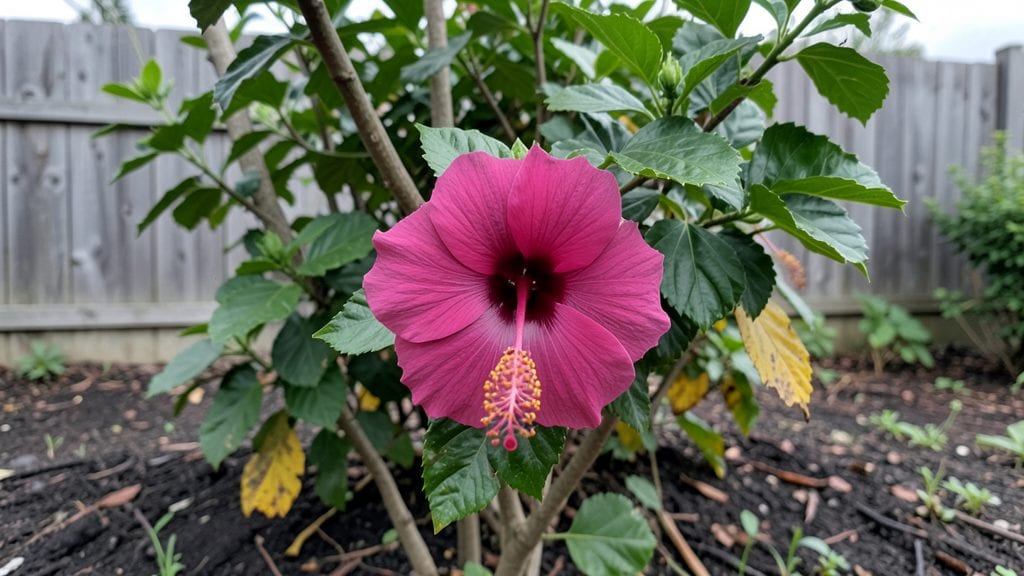
Growing huge hibiscus plants starts with the right spot and a little patience—these tropical giants can reach 10-15 feet tall in ideal conditions, turning any garden into a lush, year-round privacy screen. 🌿 I planted mine against a south-facing fence, and within two seasons, they transformed a bare wall into a vibrant green barrier that even my skeptical neighbors admired.
The key isn’t just water or sun—it’s the way their glossy leaves catch the light, creating a dappled effect that feels like a tropical escape right in your backyard.
You’ll need space—hibiscus thrive when planted 8-10 feet apart—and rich, well-draining soil mixed with compost to support their deep roots. Pair them with dwarf banana plants or canna lilies for a layered look, or let them stand alone as dramatic focal points.
The trade-off? They demand consistent moisture and protection from harsh winds, but the payoff is a garden feature that’s impossible to ignore. Even in cooler climates, their evergreen foliage keeps the drama going year-round.
By summer, you’ll have a 12-foot-tall living wall that blocks noise, filters sunlight, and adds value to your property. The flowers—when they come—are a bonus, but it’s the bold, leathery leaves that do the heavy lifting in design.
Just be ready for their size: hibiscus aren’t shrubs to trim lightly. They’re the kind of plants that make neighbors stop and ask, “What are those?”—and your answer will be, “The best privacy screen I’ve ever grown.”
Works best in USDA Zones 9-11, but with winter protection (mulch, frost cloth), they’ll survive in Zone 8 too. For smaller spaces, consider the dwarf hibiscus varieties—they still pack punch without the same footprint. Here’s how to make them the star of your garden without the guesswork.
📚 In This Guide
- What you need
- Instructions
- Tips and common mistakes
- Wrapping up and next steps
What you need
- ● Hibiscus plants: Choose Hibiscus rosa-sinensis (tropical hibiscus) or Hibiscus syriacus (hardy hibiscus) for large growth. Buy 3–5 mature plants (3–5 ft tall) for a full privacy screen or 1–2 plants per 6 ft of space for spacing.
- ● Well-draining potting mix: 50% garden soil, 30% compost, and 20% perlite/sand (for tropical hibiscus). For hardy hibiscus, use equal parts soil and compost.
- ● Fertilizer: Balanced fertilizer (10-10-10) – 1 lb per plant (spring/fall).
- ● Slow-release organic fertilizer (e.g., fish emulsion or composted manure) – 1 cup per plant (monthly during growing season).
- ● Mulch: 2–3 inches of organic mulch (wood chips or straw) to retain moisture and regulate soil temp.
- ● Watering can or hose with a gentle spray nozzle – Hibiscus loves deep, consistent watering (1–2 gallons per plant, 2–3x/week).
- ● Pruning shears – Bypass pruners (sharp, clean) for trimming dead blooms or shaping.
- ○ Stakes or trellis (optional but helpful) – 6–8 ft bamboo stakes or metal cages to support tall varieties.
- ● Sunlight: Full sun (6+ hours/day) for tropical hibiscus; partial shade (4–6 hours) for hardy varieties in hot climates.
- ● Space: Allow 6–10 ft of width per plant (they’ll spread!). For a 10-ft privacy screen, plant 3–5 hibiscus 4–6 ft apart.
- ● Climate zone: Tropical hibiscus: USDA zones 9–11 (or grow in containers and overwinter indoors).
- ● Hardy hibiscus: USDA zones 5–9 (cold-hardy to 10°F).
- ● Drainage: Hibiscus hates soggy roots—ensure pots or garden beds have drainage holes or raised beds.
- ● Test your soil! Hibiscus thrives in slightly acidic to neutral soil (pH 6.0–7.0). Adjust with lime (to raise pH) or sulfur (to lower it).
- ● Feed them right: Use a high-phosphorus fertilizer (e.g., 5-10-5) during blooming season for more flowers!
- ● Container growers: Use large pots (15+ gallons) with saucers to prevent root rot.
Instructions for cultivating towering hibiscus as living privacy screens
Here's my battle-tested approach to growing hibiscus that reach 10+ feet tall—dense, lush, and fast.
🌱 Step 1: Select the Right Variety and Planting Site
Choose tropical hibiscus varieties like 'Dwarf Red' or 'Pink Giant' for their vigorous growth habit. These thrive in USDA zones 9-11, but with winter protection, they'll survive colder climates. Plant in full sun—at least 6-8 hours daily—and avoid low-lying areas where cold air pools.
Dig a hole twice as wide as the root ball but only as deep as the container's base. Hibiscus hate buried stems, which rot easily. Mix the excavated soil with 3-4 inches of compost to improve drainage—hibiscus roots despise soggy conditions. Real talk: if your soil drains poorly, amend it or plant in raised beds.
🪴 Step 2: Plant and Stake for Early Support
Remove the plant from its container and loosen the roots if they're circling. Place it in the hole so the top of the root ball sits level with the surrounding soil—never deeper. Backfill with the amended soil mix, pressing gently to eliminate air pockets. Water deeply to settle everything.
Install a 5-foot bamboo stake immediately and tie the main stem loosely with soft garden twine. Hibiscus grow fast but can flop under their own weight. I use 3-4 stakes per plant for larger specimens, arranging them in a square pattern. This prevents leaning and encourages bushier growth from the base.
💧 Step 3: Water Deeply and Fertilize for Rapid Growth
Water once weekly during the first growing season, providing 1-2 gallons per plant until the soil feels 4 inches deep is moist. Hibiscus roots grow deep, so shallow watering encourages weak, surface roots. Mulch with 3 inches of wood chips to retain moisture and regulate soil temperature—this is non-negotiable in hot climates.
Fertilize every 4-6 weeks with a balanced 10-10-10 formula during the growing season. I switch to a low-nitrogen 5-10-10 in late summer to promote flowering and reduce leafy but leggy growth. Always water before applying fertilizer to prevent root burn.
☀️ Step 4: Prune Strategically for Height and Density
Prune hibiscus twice yearly: once in late winter (before new growth) and again in mid-summer after flowering. Cut back one-third of the oldest stems to the ground to encourage new shoots from the base. This rejuvenates the plant and creates a fuller, wider screen.
Remove any crossing or inward-growing branches to improve airflow and sunlight penetration. I also pinch back the top 2-3 inches of new growth to stimulate bushier growth. Never prune into old wood—always cut just above a leaf node where new growth can emerge.
✂️ Step 5: Protect and Maintain Through Seasons
In zones 8 or colder, wrap young plants in burlap and cover with 1-2 inches of mulch before the first frost. Mature plants can handle 20°F with proper protection, but hibiscus are tropical at heart. I've seen them bounce back from 15°F with heavy mulch and frost cloth.
Monitor for aphids and whiteflies—common pests that sap hibiscus strength. Spray with neem oil at the first sign of infestation. You'll know it's working when new growth appears within 2-3 weeks of treatment. Regular pruning and fertilization keep hibiscus healthy enough to resist most pests naturally.
Tips & tricks for towering hibiscus privacy screens
Here's what I learned after years of growing hibiscus that reach 10+ feet—these are the secrets that make all the difference between a struggling shrub and a lush, towering privacy screen.
The Sunlight Factor: That 6-8 hours of full sun daily isn't just a suggestion—it's non-negotiable for vigorous growth. I've seen hibiscus in partial shade grow leggy and weak. If your yard has afternoon shade, consider planting in a location that gets morning sun instead. South-facing walls or fences provide ideal reflected sunlight that boosts growth.
Root Ball Placement: In Step 1, when you're planting, pay special attention to the root ball depth. The top should sit level with the surrounding soil—never buried. I've seen gardeners plant too deep, which causes the stem to rot. If you're unsure, use a level tool to check before backfilling with your amended soil mix.
Staking Strategy: Those 5-foot bamboo stakes aren't just for show—they're essential for preventing flopping. For larger specimens, I install 3-4 stakes arranged in a square pattern around the plant. Use soft garden twine to tie stems loosely, allowing room for growth. Tight bindings can girdle the stems as they thicken.
Winter Protection: The 20°F tolerance with proper protection is impressive, but don't push it. In zones 8 or colder, wrap young plants in burlap and add 1-2 inches of mulch before frost. For mature plants, heavy mulch plus frost cloth can push survival to 15°F. I've seen hibiscus bounce back from near-freezing temps when protected properly—just be patient with new growth in spring.
Pro Tips for Huge Hibiscus Plants
- Here's what I learned after years of growing hibiscus that reach 10+ feet—these are the secrets that make all the difference between a struggling shrub and a lush, towering privacy screen.
- The Sunlight Factor: That 6-8 hours of full sun daily isn't just a suggestion—it's non-negotiable for vigorous growth.
- Root Ball Placement: In Step 1, when you're planting, pay special attention to the root ball depth.
Frequently asked questions
Got questions about growing huge hibiscus plants for privacy screens?
You’re not alone! Here are answers to the most common queries—from planting to maintenance—so you can confidently transform your space with bold tropical beauty.
How fast do huge hibiscus plants grow, and when will they provide privacy?
Hibiscus plants like Hibiscus rosa-sinensis or Hibiscus syriacus grow 2–5 feet per year under ideal conditions. With consistent care (sunlight, water, and fertilizer), you’ll see significant height and spread within 1–2 years, offering lush privacy in about 3 years if planted closely together. Patience pays off—these giants reward you with dramatic foliage!
Are huge hibiscus plants cold-hardy, or do they need winter protection?
It depends on the variety! Tropical hibiscus (e.g., H. rosa-sinensis) thrive in USDA Zones 9–11 and need winter protection (mulch, frost cloth, or indoor overwintering) in colder climates. Hardy hibiscus (e.g., H. syriacus) handle Zones 5–9 and tolerate light frosts. Pro tip: Monitor local frost dates and adjust care accordingly—hibiscus hate soggy roots in winter!
How often should I water huge hibiscus plants, especially in hot climates?
Water deeply 2–3 times per week during hot, dry spells, ensuring the top 6–12 inches of soil stay moist. Mature plants are drought-tolerant but wilting or yellow leaves signal thirst. Mulch heavily (3–4 inches) to retain moisture and regulate soil temperature. In winter, reduce watering to once every 1–2 weeks unless in a container.
Can I grow huge hibiscus plants in containers, or do they need to be planted in the ground?
Yes! While they prefer ground planting for privacy screens, hibiscus thrive in large containers (15+ gallons) with drainage holes. Use a well-draining potting mix and repot every 2–3 years to prevent root-bound stress. Container tip: Move pots to bright, indirect light in winter and fertilize monthly during growing season for optimal growth.
What pests or diseases should I watch for in huge hibiscus plants?
Common issues include:
- Aphids/spider mites: Spray with neem oil or insecticidal soap.
- Whitefly: Use yellow sticky traps and prune infested leaves.
- Fungal diseases (powdery mildew): Improve airflow, avoid overhead watering, and apply copper fungicide if needed.
- Root rot: Ensure well-draining soil and avoid waterlogging.
Prevention tip: Inspect plants weekly and prune dead leaves to keep them healthy!
Wrapping up and next steps
Growing huge hibiscus plants is a rewarding way to add tropical flair and natural privacy to your outdoor space! Their lush foliage and vibrant blooms create a stunning backdrop year-round, while their fast growth means faster results.
Whether you’re a seasoned gardener or just starting, these bold beauties are a game-changer for any landscape.
Ready to transform your yard? Start by selecting the perfect hibiscus variety for your climate, then gather your tools and soil amendments. With a little care and patience, you’ll soon enjoy a thriving, eye-catching privacy screen that’s as functional as it is gorgeous! 🌺✨