Pruning
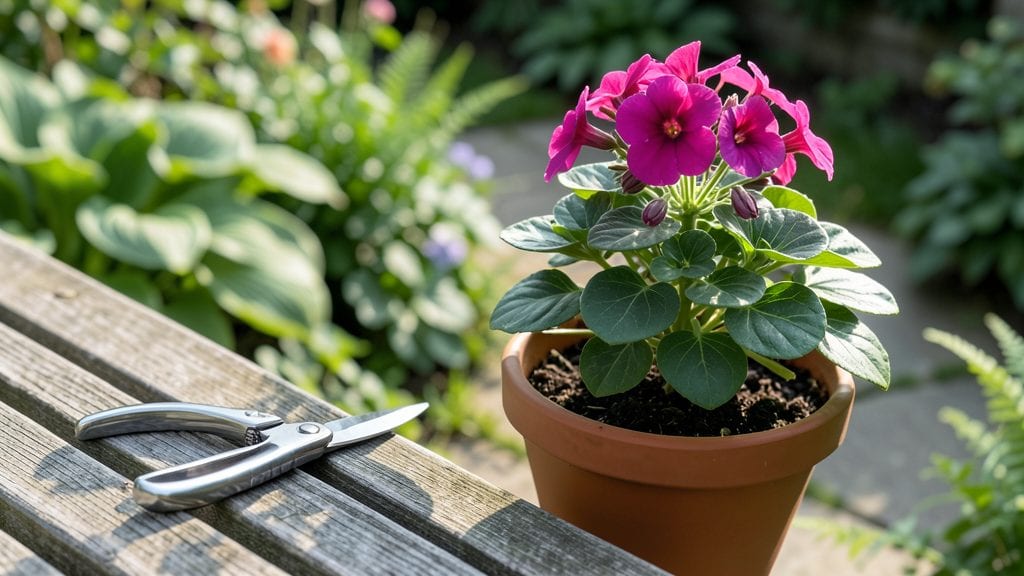
Pruning impatiens plants isn't just about keeping them tidy—it's the secret to nonstop blooms from spring until frost. 🌿 I've learned the hard way that skipping this step means leggy stems and fewer flowers, but with the right cuts, your plants will stay compact and packed with color all season long.
The best time to prune is early in the season when you see new growth, and again after flowering to encourage another round of blooms.
You only need sharp scissors or pruning shears, and the technique is simpler than it looks: cut just above a leaf node at a 45-degree angle to prevent water from pooling.
Over-pruning is the real danger here—too many cuts stress the plant, so aim for one-third of the plant's height at a time.
After pruning, your impatiens will bounce back with new growth within 2-3 weeks, and those pinched stems will branch out into bushier plants. The key is consistency—check them weekly during peak growing months, and you'll enjoy vibrant blooms until the first frost.
Just avoid heavy pruning in late summer, or you might delay fall flowers.
This method works for both garden beds and containers, and it's especially useful if your impatiens look tired after their first flush of blooms. The payoff is worth the effort—plants that keep flowering instead of fading out by midsummer. Let's get those shears ready!
📚 In This Guide
- What you need
- Instructions
- Tips and common mistakes
- Wrapping up and next steps
What you need
- ● Sharp pruning shears – Bypass pruners (4-6 inch blades) work best to avoid crushing stems.
- ○ Clean, sterilized scissors or pruning saw – For thicker stems (optional but helpful).
- ○ Gloves (optional but recommended) – Nitrile or garden gloves to protect from thorns or sap.
- ● Disinfectant (rubbing alcohol or bleach solution) – 70% isopropyl alcohol or 1 part bleach to 9 parts water to sterilize tools.
- ○ Small container or bucket – For collecting pruned stems (optional but eco-friendly!).
- ● Garden twine or plant ties – For supporting leggy stems post-pruning (if needed).
- ● Plant food or fertilizer – Balanced liquid fertilizer (10-10-10 or 20-20-20) to boost recovery after pruning.
- ● Mulch (compost or shredded bark) – To retain moisture and protect roots.
- ● Spray bottle with water – For a quick refresh post-pruning.
- ● Notebook & pen – To track pruning dates and plant responses.
How to prune impatiens for bushier, longer-lasting blooms
This is the secret to keeping your impatiens looking fresh all season. A few minutes of pruning now means vibrant flowers until frost.
🌿 Step 1: Remove Dead and Damaged Flowers and Stems
Start by pinching off any spent blooms at their base—these are called deadheading. Use your fingers or clean pruners to avoid tearing the stem. I always work from the bottom up, so I don’t miss any hidden spent flowers hiding under healthy ones.
Next, look for stems that are yellowing, browning, or showing signs of disease. Snip these completely off at the base with your pruners, cutting at a 45-degree angle just above a leaf node. This prevents water from pooling and encourages new growth from the healthy parts of the plant.
If you spot any leggy stems—those long, bare stems with just a few leaves at the top—trim them back by about one-third. This might seem drastic, but impatiens bounce back quickly, and you’ll get bushier growth with more blooms.
✂️ Step 2: Trim Back Overgrown Stems for Shape and Growth
Now, step back and assess the overall shape of your impatiens. If it’s looking too tall and sparse, it’s time to give it a haircut. Using your pruners, cut back the longest stems by about half their length. Always cut just above a set of leaves or a leaf node, never at a bare stem.
For a fuller look, focus on the outer stems first. This opens up the center of the plant, allowing more light and air to reach the inner leaves and buds. You’ll notice new side shoots forming within 7-10 days—this is your plant’s way of saying, “Thanks for the trim!”
If your impatiens has become too woody at the base, you can even cut it back to 6 inches tall. It might look shocking at first, but impatiens are surprisingly resilient and will regrow quickly with a fresh flush of new growth and blooms.
💧 Step 3: Encourage New Growth with Water and Fertilizer
After pruning, give your impatiens a deep drink of water to help it recover. Water at the base of the plant in the morning so the foliage has time to dry out during the day, reducing the risk of fungal issues. You’ll know it’s had enough when water runs out of the drainage holes at the bottom of the pot.
Feed your impatiens with a balanced, water-soluble fertilizer (like 10-10-10) diluted to half strength. This gives it a gentle boost to support new growth. I like to fertilize right after pruning and then again in 4-6 weeks to keep the blooms coming.
Keep your pruned impatiens in a spot with bright, indirect light for the first few days. Too much direct sun right after pruning can stress the plant, so a partially shaded area is ideal while it recovers. Within 2-3 weeks, you should see fresh new leaves and buds forming, ready to burst into bloom.
Tips & tricks for perfect impatiens pruning
A few simple tricks can transform your impatiens from leggy and sparse to lush and blooming all season long.
The Angle Matters: When cutting stems in Step 1, that 45-degree angle isn't just decoration—it's essential. Cutting at an angle increases the surface area where new growth can emerge, while keeping the cut just above a leaf node directs energy to healthy parts of the plant. I've seen impatiens regrow from cuts made this way within just 7-10 days!
Pruning Timing Secret: The best time to prune is in the morning after a good watering. The plant is fully hydrated, so it can better handle the stress of pruning. I always do my pruning right after watering in Step 3—this gives the plant immediate moisture to recover from the trimming.
Rescue Strategy for Overgrown Plants: If your impatiens has become completely leggy with no leaves except at the very top, don't panic! You can cut it back to just 6 inches tall, right above a leaf node. It might look shocking at first, but impatiens are incredibly resilient. Within 2-3 weeks, you'll see fresh new growth from the base, and you'll have a bushier plant with more blooms than before.
Fertilizer Tip: That balanced 10-10-10 fertilizer mentioned in Step 3 should be diluted to half strength—this prevents burning the plant's roots. I like to mix it with water in a spray bottle and apply it to the soil around the base rather than pouring it directly. This gives the plant a gentle boost without overwhelming it right after pruning.
Pro Tips for Pruning Impatiens Plants
- A few simple tricks can transform your impatiens from leggy and sparse to lush and blooming all season long.
- The Angle Matters: When cutting stems in Step 1, that 45-degree angle isn't just decoration—it's essential.
- Pruning Timing Secret: The best time to prune is in the morning after a good watering.
Frequently asked questions
Got questions about keeping your impatiens thriving with the perfect prune? You’re not alone! Here are answers to the most common concerns—so you can confidently snip, shape, and enjoy those vibrant blooms all season long.
When is the best time to prune impatiens for maximum blooms?
Prune impatiens after they’ve bloomed for the first time (usually early summer) to encourage a second flush of flowers. Light trims can happen throughout the season, but avoid heavy pruning in late summer—it may stunt fall blooms. Think of it like a haircut: timing is everything!
How much can I cut back without harming the plant?
You can safely trim up to one-third of the plant’s height or leggy stems in a single session. Focus on removing spent blooms and overcrowded foliage. For woody stems, cut just above a leaf node (the bump where leaves grow). Over-pruning can stress the plant, so go easy—think "less is more" for happy impatiens!
Should I prune impatiens before rain or after?
Prune before rain if possible—it gives the cuts time to dry and reduces the risk of fungal infections. If rain is imminent, wait until after the storm passes. Wet conditions can turn pruning wounds into a buffet for pests and disease. Pro tip: Use clean, sharp shears to make precise cuts (no jagged edges!).
Can I use the pruned stems for propagation?
Impatiens root easily from stem cuttings. Snip 3–4 inch sections just below a leaf node, strip the lower leaves, and dip in rooting hormone (optional). Plant in moist potting mix and keep humid (a plastic bag works!). In 2–4 weeks, you’ll have baby impatiens ready to transplant. Free blooms = win!
Why did my impatiens turn yellow after pruning?
Yellowing leaves after pruning usually means over-pruning or stress. If only a few leaves yellow, it’s normal—new growth will replace them. For widespread yellowing, check for pests (like aphids) or root rot (soggy soil). Adjust watering (keep soil moist but not soggy) and fertilize lightly to help recovery. Patience is key!
Are there alternatives to pruning for bushier impatiens?
If pruning feels daunting, try pinching (removing the top set of leaves) to encourage branching. You can also thin out crowded stems or use a balanced fertilizer (like 10-10-10) to promote dense growth. For container plants, rotate them occasionally to ensure even sunlight exposure. Less snipping, same happy plants!
Wrapping up and next steps
Pruning your impatiens isn’t just about tidying up—it’s the secret to vibrant, long-lasting blooms that keep your garden popping all season! With the right tools, timing, and technique, you’ll transform leggy plants into lush, flowering powerhouses.
Now that you’re armed with the know-how, there’s no better time to grab those shears and get pruning—your impatiens will thank you with nonstop color! 🌸
Ready to take it further? Experiment with deadheading or try propagating those pruned cuttings for even more plants. Happy gardening!