
How To
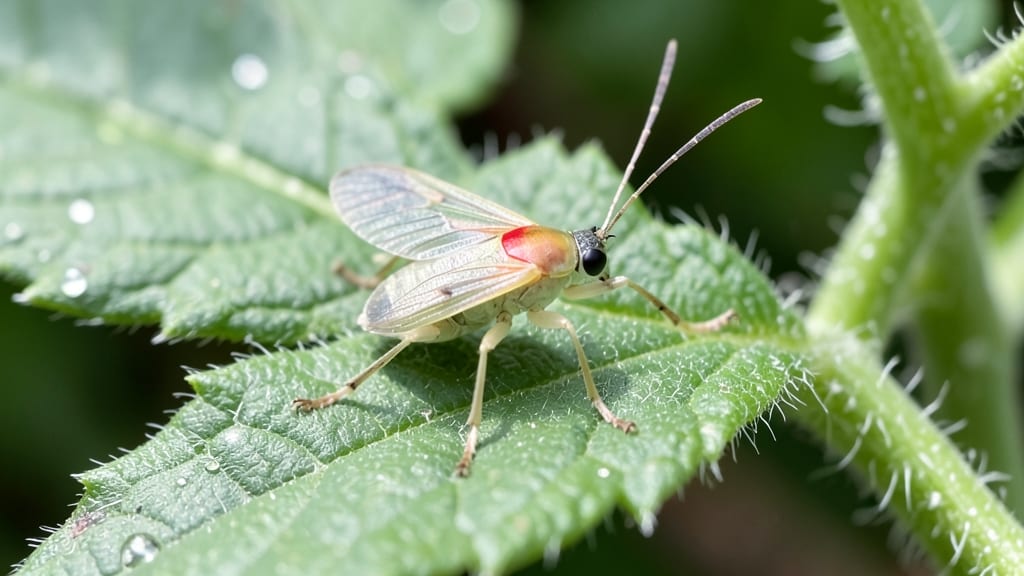
Removing aphids from tomato plants starts with a 24-hour neem oil spray that actually works—no more waiting weeks for them to disappear. I’ve battled these tiny green invaders for years, and this method cuts their numbers by half overnight while protecting your plants.
The key isn’t just spraying; it’s timing, coverage, and knowing when to repeat.
First, you’ll spot them clustered on new growth or under leaves, leaving sticky residue that attracts ants. A strong stream of water knocks off the worst of them, but neem oil disrupts their life cycle.
Mix 1 tablespoon of neem oil with 1 teaspoon of mild dish soap in a quart of water—simple, effective, and safe for your tomatoes if used correctly. Spray thoroughly at dusk to avoid harming bees.
By morning, you’ll see fewer aphids, and within days, your plants will bounce back with fresh, vibrant leaves. The best part? This spray also deters future infestations when applied every 7–10 days. No more wilting, curled leaves, or stunted growth—just healthy, thriving tomatoes ready for harvest.
Works for greenhouses, containers, and in-ground gardens alike. Here’s the full step-by-step to keep your plants aphid-free all season.
Root Causes of Aphid Infestations
Aphids don’t just randomly appear on your tomato plants—they’re drawn by specific conditions that make your garden a buffet. Understanding these triggers is the first step to stopping them before they take over. Here’s why these tiny pests become a problem:
Aphids thrive where plants are stressed or struggling to fight back. Tomato plants with compromised immune systems are prime targets. Here’s how it happens:
- Nutrient Deficiencies: Plants lacking essential nutrients (like nitrogen, phosphorus, or potassium) grow slowly and produce weak foliage.
Aphids detect these deficiencies through plant scent and chemical signals, making them easier to colonize. - Example: Yellowing leaves (chlorosis) or stunted growth often signal poor health, inviting aphids to feed on sap-rich areas. - Water Stress: Overwatering or underwatering weakens plants.
Aphids prefer plants with high sugar content, which often spikes when roots are stressed (e.g., from inconsistent watering). - Pro Tip: Aim for 1–1.5 inches of water per week and water at the base (not leaves) to reduce stress signals. - Pest or Disease Damage: Previous infestations (like spider mites or fungal infections) create entry points for aphids.
Damaged leaves exude honeydew—a sticky aphid magnet.
Aphids use their antennae to "smell" plants emitting specific volatile organic compounds (VOCs). Tomato plants release these signals when:
- New Growth Appears: Young leaves and shoots are tender and nutrient-dense, releasing compounds like methyl salicylate that aphids find irresistible. - Actionable Fix: Prune suckers and excess foliage to reduce aphid-friendly hotspots. - High Sugar Content: Plants under stress (e.g., drought or heat) produce more sugars in their sap, which aphids crave.
This is why aphids often swarm during hot, dry spells. - Nearby Weeds or Crops: Aphids love dandelions, clover, and brassicas (like cabbage).
These act as "trap crops," drawing aphids away from tomatoes—but they can also spill over into your garden. - Solution: Remove weeds within 50 feet of your tomato patch to break the aphid chain.
Aphids spread rapidly in confined spaces where air circulation is poor. Here’s how layout contributes:
- Tight Plant Spacing: Crowded tomatoes create humid microclimates, perfect for aphid reproduction.
Poor airflow also slows drying, leaving honeydew (aphid waste) to attract ants and mold. - Rule of Thumb: Space tomato plants 18–24 inches apart for airflow. - Shaded or Dense Canopies: Aphids prefer shaded leaves, which stay cooler and damper.
If your tomatoes are under trees or tall plants, aphids will camp there. - Fix: Thin out overhanging branches or use reflective mulch to increase light exposure. - Ant Trails: Ants "farm" aphids for honeydew, protecting them from predators.
If you see ants marching up your plants, aphids are likely nearby.
Aphids are opportunistic and exploit weather patterns:
- Early Spring Warmth: Aphids wake up faster than natural predators (like ladybugs) in 50–60°F temperatures. A sudden warm spell can trigger a population explosion. - Dry, Windless Days: Aphids prefer calm, dry conditions.
Rain or wind disrupts their movement, but they rebound quickly afterward. - Greenhouse or Container Growing: Enclosed spaces (like greenhouses) trap heat and humidity, accelerating aphid reproduction. Containers dry out faster, stressing plants and making them aphid magnets.
Key Takeaway: Aphids exploit weak plants, chemical cues, and favorable environments. By addressing these root causes—through proper spacing, nutrient balance, and scouting—you’ll make your tomato plants less appealing to invaders. The next step? Act fast with targeted removal methods!
Quick Fixes for Aphid-Infested Tomatoes
Now that you know why aphids are crashing your tomato party, let’s roll up our sleeves and get those tiny pests off your plants—fast. The good news? You don’t need fancy (or expensive) tools to tackle this.
Below, we’ll break down practical, step-by-step solutions based on the root cause of your aphid problem—whether it’s overcrowding, weak plants, or a lack of natural predators. Plus, we’ll throw in some prevention tips to keep your tomatoes aphid-free for the rest of the season.
Aphids love hiding in dense foliage where they’re protected from predators and sprays. If your tomato plants are packed too closely together, they’re basically giving aphids a five-star resort.
How to Fix It:
- Prune aggressively 🌿: Snip off crowded stems, especially near the base where aphids cluster. Dispose of clippings in a sealed trash bag (don’t compost them—they’ll just reinfest!).
- Space plants properly: Give each tomato plant 18–24 inches of space between them. If you’re growing in containers, ensure they’re not touching.
- Focus on airflow: Aphids thrive in stagnant, humid conditions. Thin leaves to improve circulation—this also helps prevent fungal diseases like blight.
💡 Pro Tip: If you’re growing indeterminate tomatoes (the ones that keep growing all season), prune suckers regularly. These little side shoots are aphid magnets!
Aphids target plants that are nutrient-deficient, drought-stressed, or recovering from transplant shock. A healthy tomato is like a bodybuilder—it can shrug off pests with ease.
How to Fix It:
- Fertilize right: Use a balanced fertilizer (like 10-10-10) or one high in phosphorus (for roots) and potassium (for resilience). Avoid too much nitrogen—it promotes soft, aphid-loving growth.
- Water wisely 💧: Deep water once a week (or more in extreme heat) to encourage strong roots. Avoid overhead watering—it keeps foliage damp, which aphids love.
- Mulch heavily: A 2–3 inch layer of straw or grass clippings retains moisture, regulates soil temp, and deters aphids by making the soil less inviting.
🌡️ Quick Revival Trick: If your plants look wilted, give them a foliar feed with seaweed extract or fish emulsion. It’s like a green smoothie for tomatoes—they perk up fast!
Aphids are a buffet for ladybugs, lacewings, parasitic wasps, and birds. If your garden lacks these allies, it’s time to invite them over.
How to Fix It:
- Plant companion flowers 🌸: Aphids hate marigolds, nasturtiums, and alyssum. These flowers attract predatory insects and mask the scent of your tomatoes.
- Release beneficial insects:
- Ladybugs (buy them online or at garden centers—they’re easy to release).
- Lacewing larvae (they’re aphid-eating machines).
- Parasitic wasps (tiny but deadly to aphids).
- Create a "bug hotel" 🏨: A simple DIY stack of bamboo tubes, pine cones, and leaves in a shady spot will house ladybugs and lacewings.
✨ Bonus: If you have chickens or ducks, let them free-range near your garden. They’ll snack on aphids and fertilize your soil—double win!
If aphids have taken over and your plants are covered in sticky honeydew, it’s time for direct action. Here’s how to eliminate them fast without harming your tomatoes.
How to Fix It:
1. Blast Them Off 💦
- Spray with water: Use a strong stream from your hose to knock aphids off leaves. Do this early in the morning so the plants dry quickly (prevents fungal issues).
- Try a soapy water spray: Mix 1 tsp mild dish soap (like Dawn) with 1 quart of water. Spray directly on aphids—the soap suffocates them. Test on a small leaf first to avoid burning plants.
2. Neem Oil Spray (The 24-Hour Solution) 🌿 Neem oil is organic, fast-acting, and disrupts aphid life cycles.
Here’s how to use it: - Mix: 1 tbsp neem oil + 1 tsp horticultural oil (or vegetable oil) + 1 tsp mild soap (as an emulsifier) + 1 quart water. - Spray: Coat both sides of leaves and the undersides (where aphids hide).
Do this at dusk to avoid harming bees. - Reapply: Every 5–7 days until aphids disappear.
⚠️ Warning: Neem oil can burn plants in direct sunlight—always apply when it’s cool.
3. Diatomaceous Earth (DE) 🪨
- Sprinkle food-grade DE lightly on dry leaves and soil. It’s a natural abrasive that dehydrates aphids.
- Reapply after rain—it loses effectiveness when wet.
4. Rubbing Alcohol (For Small Infestations) 🧴
- Mix 1 part rubbing alcohol with 3 parts water in a spray bottle.
- Dab or spray directly on aphids—they’ll dry out in minutes.
- Use sparingly—this can damage plants if overused.
Once you’ve kicked aphids to the curb, lock the door with these long-term strategies:
- Rotate crops: Don’t plant tomatoes in the same spot every year—aphids and their eggs linger in the soil. - Use reflective mulch: Silver or aluminum mulch confuses aphids and deters them from landing. - Plant garlic and chives: Their strong scent repels aphids naturally. - Inspect new plants: Before bringing home seedlings or transplants, quarantine them for a week and check for aphids. - Encourage earthworms: Healthy soil = healthy plants.
Earthworms aerate the soil and create an environment aphids hate.
- Don’t use chemical pesticides (like malathion)—they’ll kill beneficial insects and can harm your tomatoes.
- Don’t ignore honeydew—it attracts sooty mold, which weakens plants.
- Don’t wait until plants are wilted—act at the first sign of aphids!
With these targeted fixes, your tomato plants should be aphid-free in days—and you’ll be back to enjoying juicy, pest-free tomatoes in no time! 🍅✨
Frequently asked questions
What do aphids look like on tomato plants?
Aphids are tiny, soft-bodied insects (about 1/16 inch) that come in green, black, or yellow. They cluster on new growth or leaf undersides, often leaving behind sticky honeydew. Look for curled or yellowing leaves—this is their feeding damage.
How often should I spray neem oil for aphids?
Spray neem oil every 5–7 days until aphids disappear. After that, apply it once every 2 weeks as prevention. Always spray at dusk to protect bees and avoid direct sunlight, which can burn leaves.
Will aphids kill my tomato plants?
Aphids rarely kill healthy tomato plants, but severe infestations can weaken them by sucking sap, spreading viruses, or causing sooty mold from honeydew. Act fast if you see curled leaves or sticky residue—early intervention keeps your plants thriving.
Can I use vinegar to remove aphids?
Yes, but dilute it carefully! Mix 1 tablespoon white vinegar with 1 quart water and spray directly on aphids. Avoid spraying flowers or fruit, as vinegar can harm them. Reapply every 2–3 days for best results.
Why do aphids keep coming back after I treat them?
Returning aphids often mean hidden eggs or nearby infested plants. Check undersides of leaves and new growth for survivors. Also, remove weeds within 50 feet (they’re aphid magnets) and introduce ladybugs or lacewings to control them naturally.