
Diseases
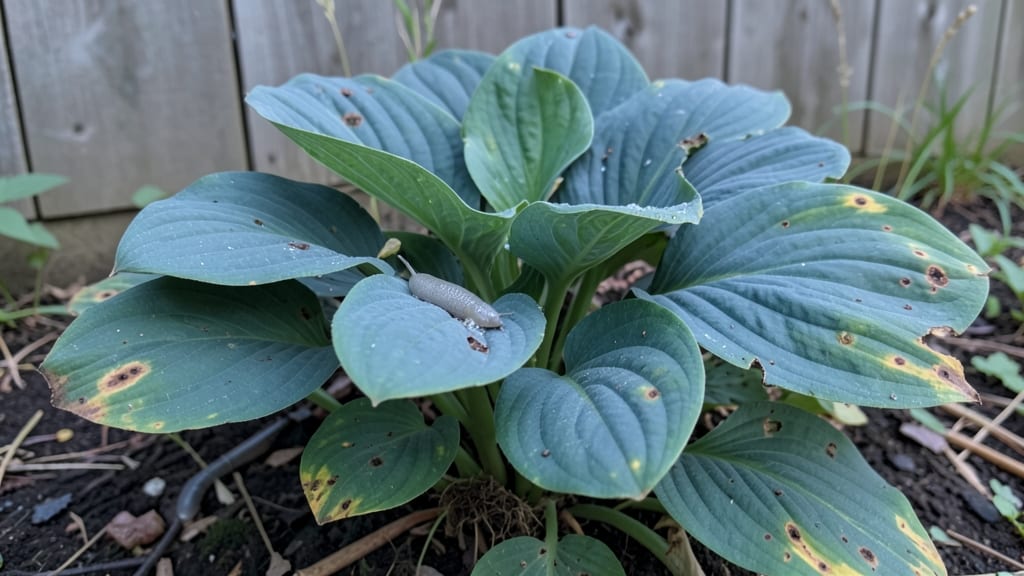
Hosta plants pests and diseases can turn your lush foliage into a chewed-up mess faster than you'd think. 🌿 I’ve watched slugs skeletonize entire leaves overnight, and fungal spots spread like wildfire after just one rainy week—until I learned the fast fixes that stop these problems in their tracks.
The worst offenders are slugs, aphids, and fungal infections like leaf spot, but the good news is most issues respond quickly to targeted action. Slugs leave shiny trails and ragged holes, while aphids cluster on undersides of leaves, and fungal spots start as tiny brown dots that multiply.
The key is catching these early—before they become a full-blown garden crisis.
With the right mix of preventive barriers, organic sprays, and proper watering habits, you’ll keep your hostas thriving all season. We’re talking crisp, undamaged leaves by midsummer, not a sad pile of half-eaten foliage. Let’s tackle these pests before they tackle your plants.
This works whether you’re growing hostas in shady backyard beds, raised containers, or even hanging baskets. The same principles apply—just adjust the timing for your local climate. Here’s how to outsmart the threats before they even show up.
Root Causes Of Hostile Invaders
Hostas may seem like low-maintenance garden stars, but their lush foliage and tender roots make them prime targets for pests and diseases. Understanding why these problems arise is the first step to protecting your plants. Let’s break down the science—and the sneaky strategies—behind the most common threats.
Hostas thrive in shaded, moist environments—but too much shade and tight spacing create the perfect storm for fungal diseases like leaf spot and powdery mildew. Here’s why:
- Fungal Favorites: Fungi (like Alternaria or Cercospora) spread via spores, which linger in damp, stagnant air. When hostas grow too close, airflow stalls, trapping humidity and giving fungi a foothold. - Root Stress: Crowded roots compete for nutrients and water, weakening plants.
Stress makes them more vulnerable to slugs, snails, and nematodes, which exploit weakened defenses. - Moisture Traps: Dense foliage blocks sunlight, slowing evaporation. Wet leaves stay wet longer—ideal for bacterial leaf blight and downy mildew.
Actionable Fix: Space hostas 18–24 inches apart in well-draining soil. Prune surrounding plants to improve airflow, and avoid overhead watering.
Hostas love moisture, but too much water turns their roots into a buffet for pests and pathogens. Here’s the breakdown:
- Root Rot Culprits: Fungal pathogens like Phytophthora and Pythium thrive in waterlogged soil, rotting roots and killing plants from the ground up. - Slug & Snail Magnet: Slugs and snails are drawn to damp, shaded areas where hostas often grow.
Their mucus trails leave plants ragged overnight. - Bacterial Blooms: Excess moisture encourages bacterial soft rot (Erwinia) and leaf blight, which spread rapidly in soggy conditions.
Actionable Fix:
- Ensure containers or beds have drainage holes or raised beds.
- Water early in the day so foliage dries by evening.
- Use mulch sparingly (1–2 inches) to retain moisture without suffocating roots.
A hosta that’s hungry or malnourished is an easy target. Here’s how deficiencies invite trouble:
- Nitrogen Deficiency: Yellowing leaves (chlorosis) signal low nitrogen, weakening plants and making them susceptible to aphids, spider mites, and viral infections.
- Potassium Shortage: Brown leaf edges or weak stems reduce resistance to fungal diseases and crown rot.
- Over-Fertilization: Too much salt or synthetic fertilizer burns roots, stressing plants and attracting nematodes (microscopic worms that feed on roots).
Actionable Fix:
- Test soil annually and amend with compost or balanced fertilizer (10-10-10).
- Avoid synthetic fertilizers in late summer—they promote tender new growth that pests love.
- Epsom salt (magnesium sulfate) can help with yellowing leaves, but use sparingly.
Hostas are hardy, but sudden temperature changes or extreme heat/cold stress plants, lowering their pest resistance:
- Early Spring Frost: New shoots damaged by frost become entry points for bacterial infections and slugs.
- Summer Heatwaves: Drought-stressed hostas attract aphids, spider mites, and thrips, which feed on weakened sap.
- Fall Moisture Traps: Cool, damp autumn nights extend leaf wetness, perfect for powdery mildew and anthracnose.
Actionable Fix:
- Mulch heavily in winter (3–4 inches) to protect roots from freeze-thaw cycles.
- Shade cloth in peak summer can prevent heat stress.
- Remove dead leaves in fall to reduce fungal overwintering sites.
Many hosta problems start with human help—contaminated tools, infected nursery stock, or even windborne spores:
- Toolborne Diseases: Pruners or shovels carrying bacterial leaf blight or viral ringspot can infect healthy plants.
- Nursery Risks: Buying hostas with hidden nematodes or fungal spores introduces problems before you even plant them.
- Wind & Wildlife: Slugs, snails, and even deer can spread pathogens between plants.
Actionable Fix:
- Sterilize tools with 70% rubbing alcohol or bleach solution between uses.
- Inspect new plants for chewed leaves, discoloration, or sticky residue (signs of pests).
- Quarantine new additions for 2–3 weeks before planting near existing hostas.
Soil pH and salinity play a surprising role in hosta health:
- High pH (Alkaline Soil): Locks out magnesium and iron, causing yellowing leaves and weakening plants against fungal diseases.
- Salty Soil: From over-ferilizing or poor drainage, salt buildup stresses roots, inviting nematodes and root rot.
- Acid-Loving Pests: Some pests (like vine weevils) prefer slightly acidic soil (pH 6.0–7.0)—hostas thrive in this range, making them vulnerable.
Actionable Fix:
- Test soil pH and amend with sulfur (to lower pH) or lime (to raise pH) as needed.
- Flush soil annually with water to reduce salt buildup.
- Avoid synthetic fertilizers with high salt content (look for "low-salt" labels).
Fixing Hosta Problems Fast
Now that you’ve identified the culprits wreaking havoc on your hostas, it’s time to take action! Whether it’s pesky slugs, fungal infections, or aphid infestations, these practical, step-by-step solutions will help you restore your hostas to their lush, healthy glory.
Prevention tips are sprinkled throughout to keep future issues at bay.
Slugs and snails leave behind telltale slime trails and ragged holes in hosta leaves. To evict these slimy invaders:
🔥 Set Up Physical Barriers
- Copper tape or wire: Slugs hate the electric-like shock from copper. Wrap a strip around pots or garden beds.
- Crushed eggshells or diatomaceous earth: Sprinkle a thin layer around hostas—these create a sharp, abrasive barrier slugs avoid.
- Beer traps: Bury a shallow dish filled with beer near hostas. Slugs crawl in but can’t crawl out (and get tipsy!).
🍳 Natural Baits & Traps
- Iron phosphate pellets: Safe for pets and kids, these kill slugs on contact. Sprinkle in damp areas at dusk.
- Garden-safe slug traps: Use saucers filled with water and a drop of dish soap to drown them overnight.
💡 Pro Tip: Water hostas in the morning instead of evening to reduce slug activity—these pests thrive in damp, dark conditions.
Fungal issues like leaf spot, powdery mildew, or crown rot thrive in humid, shaded gardens. Act fast to prevent spread:
👨🍳 Prune & Disinfect
- Remove infected leaves immediately: Drop them in a sealed bag (not compost) to prevent spores from spreading.
- Sterilize pruners: Wipe blades with rubbing alcohol between cuts to avoid cross-contamination.
- Thin out foliage: Improve airflow by spacing plants 12–18 inches apart.
🥘 Fungicide Treatments
- Neem oil: Mix 1–2 tbsp with 1 quart of water and spray on both sides of leaves. Reapply every 7–10 days.
- Baking soda spray: For powdery mildew, combine 1 tbsp baking soda, 1 tsp dish soap, and 1 gallon of water. Spray in the evening.
- Copper fungicide: Use as a last resort for severe infections (follow label instructions).
🌡️ Prevention Tips
- Water at the base, not overhead, to keep leaves dry.
- Avoid overhead irrigation in late afternoon or evening.
- Mulch properly: Use 2–3 inches of organic mulch (like shredded bark) to improve drainage and reduce humidity near the soil.
Tiny pests like aphids or spider mites suck sap, causing curled leaves and sticky residue. Combat them with these methods:
🔪 Blast Them Off
- Strong spray of water: Use a hose to dislodge aphids from leaves (do this in the morning).
- Insecticidal soap: Mix 2 tbsp mild liquid soap (like Castile) with 1 quart of water. Spray directly on pests.
- Neem oil: Also effective against mites—spray undersides of leaves where they hide.
🎯 Introduce Beneficial Insects
- Ladybugs: Release them in the evening—they devour aphids voraciously.
- Lacewings: Their larvae are aphid-eating machines. Buy eggs or adults online.
- Predatory mites: For spider mite control, these tiny helpers can be ordered from garden centers.
✨ Prevention Tips
- Encourage diversity: Plant garlic, chives, or marigolds nearby to repel pests naturally.
- Avoid over-fertilizing: Soft, new growth attracts aphids—use a balanced fertilizer sparingly.
- Inspect new plants: Quarantine recently purchased hostas for 2 weeks to spot hitchhiking pests.
Problems like crown rot, root rot, or fungal infections often stem from poor soil conditions. Fix them with these steps:
🔧 Improve Drainage
- Amend heavy clay soil: Mix in compost, perlite, or coarse sand to create better drainage.
- Raise beds: If your garden floods, consider planting hostas in elevated containers with drainage holes.
- Check soil pH: Hostas prefer slightly acidic to neutral soil (6.0–7.0). Test with a kit and adjust with lime or sulfur if needed.
💪 Boost Soil Health
- Add organic matter: Work in well-rotted compost or leaf mold to improve structure and microbial activity.
- Avoid overwatering: Let the top 1–2 inches of soil dry out between waterings.
- Mulch correctly: Use 2–3 inches of organic mulch (like shredded leaves or straw) to regulate soil temperature and moisture.
Final Reminder: Consistency is key! Check your hostas weekly for early signs of trouble, and act at the first sign of distress. With these solutions, your hostas will bounce back stronger—and you’ll be the hero of your garden! 🌿💚
Frequently asked questions
What are the most common signs of slug damage on hosta leaves?
Look for irregular holes with smooth edges and silver slime trails on leaves or soil. Slugs typically feed at night, leaving larger leaves half-eaten while smaller ones disappear entirely. Check under mulch or large leaves where they hide during the day.
How can I tell if my hosta has a fungal infection vs. pest damage?
Fungal issues show as powdery white coatings (mildew), brown spots with yellow halos (leaf spot), or black mushy patches (crown rot). Pests leave physical damage—holes, chewed edges, or sticky residue (aphids). Fungal problems often appear on leaf surfaces, while pests target leaf edges or undersides.
Is neem oil safe to use on hostas, and how often should I apply it?
Yes, neem oil is completely safe for hostas when used correctly. Mix 1-2 tablespoons with 1 quart of water and spray on both leaf sides. Apply every 7-10 days for pests or fungal prevention. Always spray in the evening to avoid harming beneficial insects active during the day.
Why do my hostas get yellow leaves even when I water them regularly?
Yellowing leaves often signal nutrient deficiencies (especially nitrogen) or overwatering. Check soil moisture—hostas prefer consistently moist but not soggy soil. Test your soil pH (ideal: 6.0-7.0) and amend with compost. Yellowing from tips suggests potassium deficiency, while uniform yellowing indicates nitrogen needs.
Can I still save a hosta plant if the crown is rotting?
You might! First, remove the plant carefully and inspect the roots. Trim away all black, mushy roots with clean shears. Replant in fresh, well-draining soil with 1 inch of compost and keep the area dry for 2 weeks. If the crown was severely infected, consider propagating from healthy leaves or starting fresh with disease-resistant varieties.