
Companion Plants
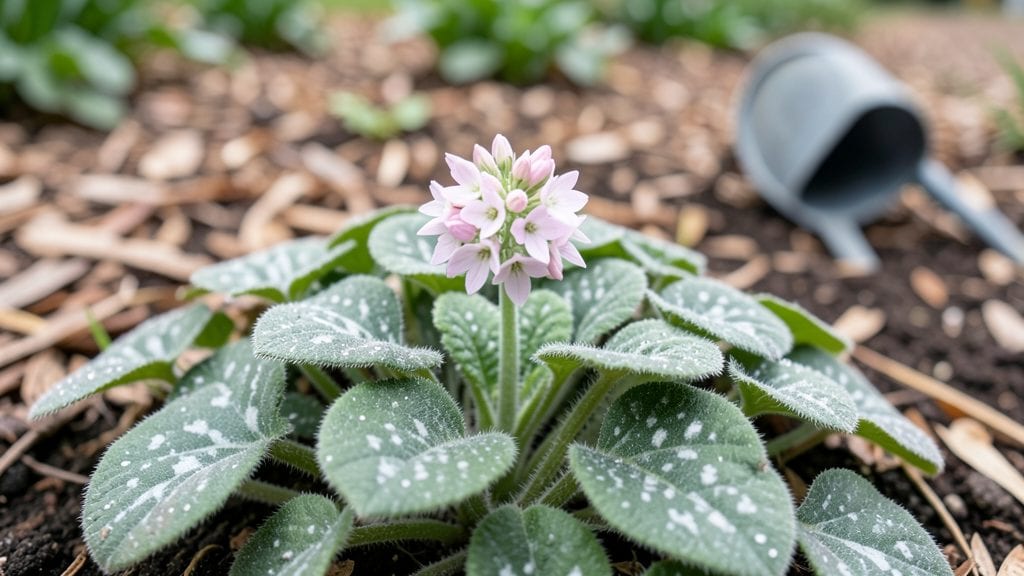
Slugs hate these plants—your garden’s new secret weapon. 🌿 I’ve lost entire lettuce patches to slugs until I discovered the plants that send them packing without chemicals. The key is their strong scents, fuzzy textures, or even mild toxicity that slugs instinctively avoid.
Start with rosemary, thyme, or mint—their pungent aromas confuse slugs’ navigation systems. Or try geraniums (especially the lemon-scented variety) and fuchsias, whose sticky leaves deter slugs from climbing. Even garlic and chives work as living repellents when planted near vulnerable crops.
You’ll notice fewer slimy trails overnight, and your hostas or tomatoes will finally thrive. The best part? These plants often double as edible herbs or flowers, so you’re not just fighting pests—you’re adding beauty and flavor to your garden.
Works in containers, borders, or as ground covers—no fancy setup required. Just plant strategically, and let nature handle the rest. Here’s how to make it work for your space.
📚 In This Guide
- What you need
- Instructions
- Tips and common mistakes
- Wrapping up and next steps
What you need
- ● Slug-hating plants (pick 3–5 varieties): 1–2 Lamium galeobdolon (Yellow Archangel) – 1 plant per 4 sq ft
- ● 1–2 Geranium robertianum (Herb Robert) – 1 plant per 3 sq ft
- ● 1–2 Allium spp. (Garlic, Chives, or Onions) – 1 plant per 2 sq ft
- ● 1–2 Thyme (Creeping or Common) – 1 plant per 5 sq ft
- ● 1–2 Mint (Peppermint or Pennyroyal) – 1 plant per 4 sq ft (use sparingly—it spreads!)
- ● Companion plants for borders: 1–2 Dianthus (Pinks) – 1 plant per 3 sq ft
- ● 1–2 Saxifraga (Strawberries or Stonecrop) – 1 plant per 2 sq ft
- ○ Soil amendments (optional but helpful): 1–2 cups compost per planting hole (for nutrient boost)
- ● 1 tbsp Epsom salt (magnesium sulfate) per hole (enhances slug resistance)
- ● Gardening tools: 1 trowel (for planting)
- ● 1 hand pruners (for trimming)
- ● 1 garden gloves (to protect your hands)
- ● 1 watering can or hose (with a gentle spray nozzle)
- ○ Optional (but handy!): 1 mulch (gravel, pine needles, or straw) – 2–3 inches deep (keeps soil dry and deters slugs)
- ● 1 copper tape (1–2 ft wide) – for extra perimeter protection
- ● 1 slug traps (beer traps or shallow dishes) – temporary backup
How to create a slug-repellent plant barrier in your garden
Here’s how to design a natural, long-lasting defense against slugs using plants they despise.
🌱 Step 1: Select Slug-Repellent Plants for Your Layout
Slugs avoid plants with strong aromas, fuzzy textures, or toxic compounds. I recommend lavender, rosemary, geraniums, and thyme—these emit scents slugs find overwhelming. Plant them in clusters around vulnerable areas like vegetable beds or hosta patches. For extra protection, add alliums (garlic chives, onions) along borders—their pungent roots deter slugs from crossing.
Choose 4-6 plants per section to create a dense barrier. Place them 12-18 inches apart so foliage connects as they grow. Slugs won’t crawl through thick, aromatic foliage, and the scent lingers even after rain. If space is tight, opt for compact varieties like ‘Lemon Lime’ thyme or ‘Annual Scented Geraniums.’
🌿 Step 2: Plant Strategically Around High-Risk Zones
Focus on areas where slugs cause the most damage—hosta gardens, lettuce beds, or near compost piles. Dig holes twice as wide as the root ball and same depth to avoid burying stems. Gently remove plants from containers, loosen roots if pot-bound, and place them in the hole. Fill gaps with existing garden soil (no amendments here—slugs love enriched soil).
For a continuous barrier, plant slug-repellent species in two staggered rows—one along the garden edge and another 18 inches inward. This creates a double defense that slugs can’t bypass. Water deeply after planting to settle soil, but avoid overwatering—slugs thrive in damp conditions. Let the soil dry slightly between waterings.
✂️ Step 3: Maintain the Barrier for Maximum Effectiveness
Trim back leggy growth every 4-6 weeks to keep plants dense and aromatic. Slugs target weak, sparse foliage, so regular pruning ensures a thick, impenetrable scent wall. Deadhead spent flowers on geraniums and lavender to redirect energy into leaf production—their fragrance is your best weapon. Use clean, sharp shears to avoid tearing leaves, which slugs might nibble on if stressed.
Fertilize lightly once in early spring with a balanced 10-10-10 formula—slug-repellent plants don’t need heavy feeding. Over-fertilizing can make them soft and slug-attractive. Instead, mulch with coarse pine needles (if available) to discourage slugs from hiding near the base. This also slows soil moisture evaporation, reducing slug-friendly dampness.
☀️ Step 4: Combine with Companion Planting for Extra Defense
Boost your barrier’s effectiveness by interplanting slug-repellent herbs among vulnerable crops. For example, tuck thyme or rosemary between tomato plants—their scent confuses slugs and masks the smell of tender tomato leaves. Similarly, garlic chives near strawberries deter slugs while adding flavor to harvests. This multi-layered approach works better than a single row of plants.
Rotate your barrier annually to prevent slugs from learning gaps. If lavender loses potency after two years, replace it with new mint or lemon balm—both are slug-deterrents and spread aggressively (contain them in pots if needed). The key is variety: slugs can’t adapt to a rotating menu of scents and textures. Test different combinations each season to refine your garden’s natural defense system.
Tips & tricks for creating an effective slug-repellent plant barrier
These practical strategies will help you maximize your slug-repellent plant barrier and ensure long-lasting protection against garden pests.
Plant Selection Strategy: Focus on plants with the strongest aromas—lavender and rosemary are particularly effective because their essential oils create a natural scent barrier that slugs find intolerable. For compact spaces, opt for 'Annual Scented Geraniums' which pack a powerful fragrance into a small footprint. Remember, the more intense the scent, the more effective the deterrent.
Barrier Density Matters: When creating your two staggered rows, aim for continuous foliage coverage. The 12-18 inch spacing between plants in Step 1 ensures leaves will eventually connect, creating an impenetrable scent wall. If you notice gaps developing, fill them with additional compact thyme or garlic chives—their strong roots help maintain the barrier's integrity.
Maintenance Timing: The 4-6 week pruning schedule in Step 3 is critical for maintaining your barrier's effectiveness. Slugs are more likely to attack plants that appear stressed or sparse, so regular trimming keeps foliage dense and aromatic. Deadheading spent flowers on geraniums and lavender redirects energy to leaf production, which is where the slug-repelling power lies.
Soil Management: Avoid using enriched soil when planting, as slugs are attracted to nutrient-rich environments. Instead, use the existing garden soil and consider adding a layer of coarse pine needles as mulch. This creates an additional barrier while also slowing moisture evaporation—slugs thrive in damp conditions, so keeping the soil slightly drier helps maintain your defense system.
Pro Tips for Plants Slugs Hate
- These practical strategies will help you maximize your slug-repellent plant barrier and ensure long-lasting protection against garden pests.
- Plant Selection Strategy: Focus on plants with the strongest aromas—lavender and rosemary are particularly effective because their essential oils create a natural scent barrier that slugs find intolerable.
- Barrier Density Matters: When creating your two staggered rows, aim for continuous foliage coverage.
Frequently asked questions
Got questions about keeping slugs at bay with plants? You’re not alone! Here are some of the most common concerns—and straightforward answers—to help you create a slug-proof garden with confidence.
Which plants are the most effective at repelling slugs?
Slugs despise strong scents and textures like geraniums, lavender, rosemary, and foxgloves. For edible gardens, try garlic, onions, or thyme. These plants disrupt slugs’ slimy trails and deter them naturally. Plant them in clusters around vulnerable areas for best results!
How long does it take for these plants to start working?
Some plants, like lavender or rosemary, may show slug-repelling effects within weeks as their scent matures. Others, such as geraniums, take a full growing season to establish strong roots and foliage. Consistency is key—keep replanting or refreshing mulch to maintain their potency.
Can I use these plants instead of chemical slug bait?
Plant-based repellents are safer for pets, kids, and beneficial insects like bees. While they won’t eliminate every slug, they’re a proactive, eco-friendly alternative. Combine them with physical barriers (like copper tape) for a two-pronged defense.
What if slugs ignore my "hate plants"?
If slugs persist, they might be hiding under dense mulch or seeking moisture. Try:
- Adding diatomaceous earth (food-grade) around plants.
- Watering in the morning to reduce slug activity at night.
- Hand-picking slugs after rain (they’re sluggish then!).
Do slug-hating plants work in shady gardens?
Yes! While sun-loving plants like lavender thrive in full sun, shade-tolerant options like hostas (with their tough leaves) or heuchera (with fuzzy foliage) can also deter slugs. Pair them with moss or ferns for a lush, slug-resistant understory.
Wrapping up and next steps
Ready to reclaim your garden from slimy invaders? 🌱 By planting slug-repelling companions like lavender, mint, or geraniums, you’re not just creating a beautiful space—you’re building a natural fortress against pests. The best part? These plants thrive alongside your veggies, making your garden both productive and protected.
Start small—pick one or two slug-hating plants this season and watch the difference! For even better results, combine barriers (like copper tape) with companion planting for a slug-proof zone. Happy gardening! 🌿