
Planting
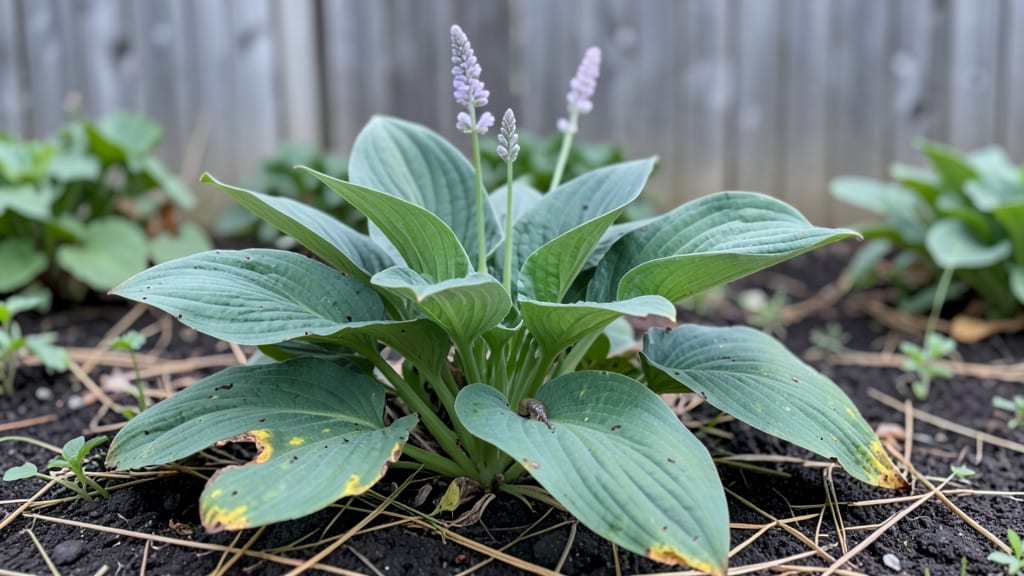
Hosta leaves turning yellow or looking ragged can ruin a shady garden in minutes—here’s how to diagnose and fix the most common hosta plant problems before they spiral. 🌿 I’ve nursed back more hostas than I’ve lost, and the key is acting fast when you spot the first signs of trouble, whether it’s chewed edges, brown spots, or leaves that flop like overcooked pasta.
The culprits are usually one of three things: hungry pests, fungal infections, or simple growing mistakes like too much sun or not enough water. Slugs leave slimy trails and ragged holes, while fungal leaf spot creates dark, crusty patches that spread like gossip.
Nutrient deficiencies show up as pale centers or crispy edges, and even well-meaning gardeners overwater or plant hostas in spots that are too bright.
With the right quick fixes—copper barriers for slugs, neem oil sprays for fungus, and a little shade adjustment—you’ll have hostas that stay lush and vibrant all season.
The best part? Most problems can be reversed in a matter of weeks, not months. Let’s get those plants back to their glossy, healthy selves.
Whether you’re dealing with a single plant or a whole border, these solutions work for every hosta size and variety. The secret is catching issues early and giving your hostas the exact conditions they crave—moist but well-drained soil, dappled shade, and a little TLC when they start looking stressed.
Root Causes Of Hosta Struggles
Understanding why your hosta plants are underperforming starts with uncovering the hidden triggers behind their distress. These resilient perennials are beloved for their lush foliage, but they’re not immune to environmental stress, biological threats, or cultural mismanagement.
Let’s break down the science behind the most common hosta problems—so you can tackle them head-on.
Hostas thrive in moist but well-drained soil, but when their roots sit in soggy conditions, they suffocate. Here’s why it happens:
- Compacted or Clay Soil: Heavy soils retain too much water, cutting off oxygen to roots.
Without airflow, roots rot (Phytophthora fungi thrive in these conditions), leading to yellowing leaves and mushy stems. - Overzealous Watering: Hostas need 1–1.5 inches of water per week, but excessive irrigation (especially without drainage) forces roots to drown.
Look for wilting despite wet soil—a red flag for root rot. - Lack of Mulch or Improper Layering: Mulch should be 2–3 inches thick and never pile against stems.
Too much mulch (or organic matter breaking down too fast) can create a waterlogged mat, trapping moisture against roots.
Pro Tip: 💡 Test drainage by digging a 6-inch hole, filling it with water, and timing how long it takes to drain. If it’s slower than 4 hours, amend with sand, perlite, or compost to improve aeration.
Hostas are shade-lovers, but even partial sun can turn their leaves crispy or yellow if they’re chronically dehydrated. Here’s the science:
- Transpiration Overload: In hot weather, hostas lose moisture faster than their roots can absorb it. Without deep watering, leaves curl, scorch, or develop brown edges (a sign of marginal burn). - Shallow Root Systems: Hostas have fibrous roots that spread horizontally.
If the topsoil dries out, roots can’t reach deeper moisture reserves, leading to wilting even in moist subsoil. - Soil Moisture Mismatch: Sandy or fast-draining soils dry out quicker. Hostas in these conditions need frequent, deep watering (every 2–3 days in summer) to keep roots hydrated.
Pro Tip: 🌡️ Water in the early morning to reduce evaporation and avoid wetting leaves (which can cause fungal issues). A soaker hose delivers moisture directly to roots without waste.
Hostas are a buffet for pests, and their damage often goes unnoticed until leaves look like Swiss cheese. Here’s why they strike:
- Slugs & Snails 🐌: These nocturnal nibblers leave irregular, jagged holes and silver slime trails.
They’re drawn to hostas because: - Hostas have soft, tender leaves (easy prey). - High humidity (from poor drainage or shade) keeps their bodies hydrated. - Decaying mulch or organic matter provides hiding spots. - Aphids & Spider Mites 🕷️: These sap-suckers cause: - Sticky residue (honeydew) on leaves (aphids). - Yellow stippling or webbing (mites). - Curling or distorted leaves (both pests inject toxins as they feed). - Japanese Beetles 🐞: Adults skeletonize leaves, leaving only veins.
They’re attracted to: - Stressed plants (drought or nutrient-deficient hostas are easier targets). - Nearby roses or grapes (they’ll migrate from these preferred hosts).
Pro Tip: ✨ Beer traps (bury a cup filled with beer) work for slugs, while neem oil disrupts pests’ life cycles. For beetles, handpick them early morning when they’re sluggish.
Yellowing leaves aren’t always about water—sometimes, they’re starving for nutrients. Here’s the breakdown:
| Symptom | Likely Deficiency | Why It Happens |
|---|---|---|
| Yellowing between veins (chlorosis) | Iron (Fe) | Hostas in alkaline soil (pH >7) can’t absorb iron, even if it’s present. |
| Purple undersides | Phosphorus (P) | Poor root development or old, depleted soil limits energy for growth. |
| Stunted growth + dark green leaves | Nitrogen (N) | Over-mulching with carbon-rich materials (like untreated wood chips) ties up N. |
| Yellowing at leaf edges | Potassium (K) or Magnesium (Mg) | Overwatering leaches K/Mg, while calcium (Ca) imbalance (from hard water) blocks Mg uptake. |
Pro Tip: 💪 Test your soil (DIY kits are cheap!) and amend with:
- Iron chelate (for chlorosis in alkaline soil).
- Bone meal (for phosphorus).
- Compost or worm castings (for slow-release N).
Fungi love damp, shady conditions—and hostas provide the perfect Petri dish. Here’s how they take hold:
- Powdery Mildew 🍄: Appears as white, powdery patches on upper leaves.
It spreads when: - Air circulation is poor (crowded plants). - Leaves stay wet (from overhead watering or high humidity). - Nitrogen is excessive (soft, sappy leaves are easier targets). - Leaf Spot (Alternaria or Septoria) 🍃: Causes brown, circular lesions with yellow halos.
Thrives when: - Leaves splash with dirty water (from mulch or soil). - Humidity stays above 75% for prolonged periods. - Old debris isn’t removed (fungal spores overwinter in fallen leaves). - Root Rot (Phytophthora) 💀: Turns leaves yellow, then black, and stems mushy at the base.
Occurs when: - Soil stays waterlogged >48 hours. - Fungal spores (from infected plants or tools) hitch a ride to fresh hostas.
Pro Tip: 🎯 Prevent fungi with:
- 3–4 inches of space between plants for airflow.
- Water at soil level (use a watering wand).
- Remove infected leaves immediately (don’t compost them!).
- Apply copper fungicide as a preventive spray in spring.
Quick Fixes for Common Hosta Issues
Now that you know what’s causing your hosta’s distress, let’s roll up our sleeves and get those plants back to their lush, healthy selves! 🌿✨ Whether it’s yellowing leaves, slug attacks, or fungal woes, these practical solutions will help you diagnose and treat the problem—plus, we’ll share tips to keep your hostas thriving long-term.
Cause: Overwatering, underwatering, nutrient deficiency, or fungal infections (like leaf spot). Fix:
- Check the Soil Moisture 💧
- Stick your finger 1–2 inches into the soil. If it’s soggy, your hosta is drowning. If it’s bone-dry, it’s thirsty.
- Solution: Water deeply but infrequently (1–1.5 inches per week, depending on climate). Ensure pots have drainage holes.
- Adjust Watering Habits 🔄 - Overwatered? Let the top 2–3 inches of soil dry out before watering again.
Move potted hostas to a shadier spot if they’re baking in the sun. - Underwatered? Water slowly at the base (avoid wetting leaves to prevent disease) and mulch with shredded bark or straw to retain moisture.
- Fertilize for a Boost 💪 - Yellowing from nutrient deficiency? Feed your hosta a balanced, slow-release fertilizer (10-10-10 or 20-20-20) in early spring and mid-summer.
Avoid high-nitrogen fertilizers in fall—they encourage tender new growth that’s vulnerable to frost. - Pro Tip: 🌡️ Test your soil (kits are cheap!) to confirm deficiencies. Hostas love slightly acidic soil (pH 6.5–7.5).
- Treat Fungal Infections 🍄
- If leaves have brown spots with yellow halos (leaf spot), prune affected foliage immediately with sterilized scissors (wipe with rubbing alcohol).
- Spray with a copper fungicide or neem oil solution (1 tsp neem oil + 1 quart water + a drop of dish soap) every 7–10 days until new growth appears.
- Prevention: 🌧️ Water in the morning so leaves dry quickly, and avoid overhead sprinklers.
Cause: Slugs, snails, aphids, or deer nibbling on leaves. Fix:
- Manual Removal (Yes, It Works!) 🕵️♂️
- Slugs/Snails: Handpick them at night (they’re most active then) and drop them in soapy water. Wear gloves—some gardeners swear by a beer trap (bury a shallow dish filled with beer; the slugs crawl in and drown).
- Aphids: Blast them off with a strong stream of water from your hose, then spray with soapy water (1 tsp mild soap per quart of water).
- Natural Barriers 🛡️ - Coffee grounds or diatomaceous earth (food-grade only!) around the base create a slug-proof perimeter.
Reapply after rain. - Crushed eggshells or copper tape (wrapped around pots) give slugs a mild electric shock they hate. - Pro Tip: 🌿 Plant sacrificial companions like marigolds, thyme, or chives near hostas—their strong scents deter pests.
- Deer-Proof Your Garden 🦌
- If deer are the culprits, fence them out with an 8-foot tall barrier (they can jump!). Spray deer repellent (like Liquid Fence) on leaves, or plant deer-resistant alternatives like heuchera or astilbe nearby to distract them.
Cause: Root rot, heat stress, or dehydration. Fix:
- Rule Out Root Rot 🌊
- Gently dig around the base. Healthy roots are firm and white; mushy, black roots mean root rot.
- Solution: If infected, prune the roots with sterilized shears, repot in fresh, well-draining soil, and hold off on watering for a week.
- Beat the Heat ☀️
- Hostas love shade! If your plant is wilting in direct sun, move it to partial shade (4–6 hours of morning sun max).
- Quick Fix: 💦 Mist leaves on hot days to cool them down, or lay down mulch to keep roots moist.
- Rehydrate Properly 🚰 - For dehydrated hostas, soak the soil (not just the surface) and let it drain. If potted, place the container in a tray of water for 15–20 minutes to encourage root uptake. - Prevention: 🌡️ Monitor soil moisture daily in extreme heat.
Group hostas together to create a microclimate that retains humidity.
- 🔄 Rotate Plants: Every few years, divide overcrowded hostas in early spring to improve airflow and reduce disease risk. - 🍄 Stay Vigilant: Inspect leaves weekly for early signs of pests or disease.
Catch problems before they spread! - 🌧️ Improve Drainage: Amend heavy clay soil with compost or perlite to prevent waterlogging. - 🌿 Choose the Right Spot: Plant hostas where they’ll get dappled shade (especially in hot climates) to avoid stress. - ✨ Mulch Like a Pro: Use 3–4 inches of organic mulch (like wood chips) to regulate soil temperature and retain moisture.
With these fixes, your hostas should bounce back faster than you can say “leaf spot.” 🚀 Keep an eye on them, adjust as needed, and soon you’ll have a thriving, pest-free hosta garden that’s the envy of the neighborhood!
Frequently asked questions
Why are my hosta leaves turning yellow in the center?
This is often a sign of iron deficiency (chlorosis), especially if your soil is alkaline (pH above 7). Hostas can’t absorb iron in these conditions, even if it’s present. Test your soil and amend with iron chelate or sulfur to lower pH. Yellowing between veins is the classic symptom.
How do I get rid of slugs that are eating my hosta leaves?
Start with beer traps (bury a shallow dish filled with beer near plants) or sprinkle diatomaceous earth around the base—it dehydrates slugs. For severe infestations, use copper tape wrapped around pots or handpick them at night when they’re most active.
Can hostas survive in full sun?
Most hostas prefer partial shade (4–6 hours of morning sun max). In full sun, their leaves will scorch, turn brown, or crisp at the edges. If you must plant them in sunny spots, choose varieties like 'Blue Angel' or 'Francee', which tolerate more light, and keep soil consistently moist.
What should I do if my hosta has brown spots with yellow halos?
That’s likely leaf spot fungus, common in damp conditions. Prune affected leaves with sterilized shears and spray with copper fungicide or a neem oil solution (1 tsp neem + 1 quart water). Improve airflow by spacing plants 3–4 inches apart and water at soil level, not overhead.
How often should I divide my hostas?
Divide hostas every 3–5 years in early spring to prevent overcrowding, which spreads disease and reduces vigor. Dig up the plant, separate the crowns with a clean knife, and replant the healthiest sections in fresh soil. This also rejuvenates growth and fills in bare spots.