Diseases
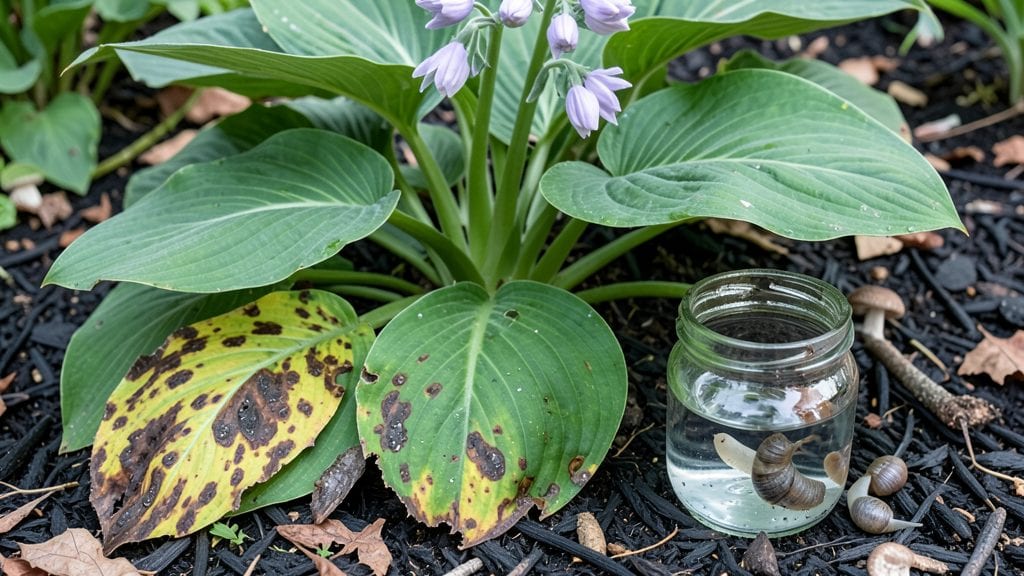
Hosta plant diseases can turn your lush foliage into a sad, spotted mess—unless you catch them early. 🌿 I’ve spent years watching my hostas go from vibrant green to sad and slimy, and I’ve learned the key is spotting the first signs fast.
The most common culprits are fungal infections like leaf spot and bacterial rot, but even pests like slugs can mimic disease symptoms.
Here’s the thing—most hosta diseases start with too much moisture or poor airflow. Overhead watering, crowded plants, and thick mulch create the perfect breeding ground for fungus.
My biggest mistake? Ignoring the first brown spots until they spread. Now I check my hostas weekly, especially after rain, and remove infected leaves immediately.
You’ll save your plants by acting fast: prune infected leaves, improve drainage, and space plants properly. Organic sprays like neem oil or copper fungicide can stop fungal spread, while keeping slugs off prevents bacterial rot. Within weeks, your hostas will bounce back with stronger, healthier growth.
This works for all hosta varieties, from tiny ‘Blue Angel’ to giant ‘Francee.’ The secret is consistency—preventative care beats scrambling to fix a full-blown infection. Let’s get those hostas thriving again.
Root Causes of Hosta Struggles
Hostas are beloved for their lush foliage and hardiness, but when diseases strike, they often do so because of avoidable—or easily managed—conditions. Understanding why these issues arise is the first step to protecting your plants.
Below, we break down the science behind the most common triggers, so you can address them with confidence.
Fungi thrive in moist, shaded, and stagnant conditions, making hostas—especially those in crowded, damp gardens—prime targets. Here’s why fungal diseases like leaf spot, rust, and crown rot become problematic:
- Poor Air Circulation 🌬️ Fungal spores need still air to settle and infect leaves. When hostas are planted too closely together, humidity lingers, creating the perfect breeding ground. Actionable fix: Space plants 12–18 inches apart and prune neighboring foliage to improve airflow.
- Overhead Watering 💦 Wet leaves for extended periods give fungi a foothold. Unlike roots, which need moisture, leaves should stay dry. Actionable fix: Water at the base using drip irrigation or soaker hoses, and avoid late-day watering to allow foliage to dry overnight.
- Organic Debris Buildup 🍂 Fallen leaves, mulch, or old plant material trap moisture and harbor fungal spores. Actionable fix: Clear debris around hostas in autumn and avoid thick mulch layers (2–3 inches max). Sterilize tools between cuts to prevent spreading spores.
- Temperature & Humidity Sweet Spots 🌡️ Fungi like Alternaria and Septoria (causing leaf spot) flourish in warm (70–80°F), humid (75%+) conditions. Actionable fix: If your garden is prone to these conditions, choose disease-resistant hosta varieties (e.g., ‘Halcyon’ or ‘Francee’) and apply fungicides preventatively in spring.
Bacteria like Xanthomonas (causing bacterial leaf blight) and Pseudomonas (linked to soft rot) exploit wounds, splashing water, or contaminated tools. Unlike fungi, bacteria multiply rapidly, often within days. Key triggers include:
- Mechanical Damage ⚔️ Cuts from pruning, hail, or pests create entry points for bacteria. Actionable fix: Use sterilized pruners (soak in 10% bleach solution for 10 minutes) and avoid heavy-handed handling of leaves.
- Splashing Water 🌊 Rain or irrigation splashing from soil to leaves can spread bacterial cells. Actionable fix: Install a rain guard over hostas or use a nozzle with a gentle spray pattern to minimize splash.
- Contaminated Soil or Compost 🌱 Old plant debris or unsterilized compost can harbor bacterial pathogens. Actionable fix: Solarize soil in late summer (cover with clear plastic for 4–6 weeks) or use pasteurized compost to reduce risks.
- Stress from Overcrowding or Poor Nutrition 😵 Weakened hostas are more susceptible. Actionable fix: Test soil pH (ideal: 6.0–7.5) and amend with compost. Avoid over-fertilizing with nitrogen, which promotes soft, bacterial-friendly growth.
Hostas under stress—whether from extreme heat, cold, or improper care—become vulnerable to diseases. Common stress factors include:
- Temperature Fluctuations 🌡️ Sudden freezes or heatwaves shock hostas, lowering their resistance. Actionable fix: Mulch with straw or shredded leaves (4–6 inches) to insulate roots in winter and provide shade in summer (use shade cloth if needed).
- Improper Watering 🚰 Alternating between drought and overwatering stresses roots, making them prone to rot. Actionable fix: Water deeply 1–2 times per week (adjust for clay soil) and ensure pots have drainage holes.
- Nutrient Imbalances 🍽️ Too much salt (from tap water or fertilizer) or deficiencies (like magnesium) weaken plants. Actionable fix: Use rainwater or filtered water for irrigation and conduct a soil test every 2–3 years.
- Pest Pressure 🐜 Insects like slugs and snails create wounds, while aphids excrete honeydew (a fungal buffet). Actionable fix: Set up beer traps for slugs, introduce ladybugs for aphids, and remove pests manually in early morning.
Even well-meaning gardeners can unintentionally fuel disease outbreaks. Common mistakes include:
- Reusing Contaminated Tools 🔪 Pruners or knives carrying fungal/bacterial cells can infect healthy plants. Actionable fix: Clean tools with rubbing alcohol (70%+) between uses.
- Ignoring Early Signs 🚨 Yellow spots or wilting are often dismissed as "normal." Actionable fix: Inspect hostas weekly and remove affected leaves immediately (bag and discard them).
- Planting Susceptible Varieties in High-Risk Zones 🌿 Some hostas (e.g., blue varieties) are more prone to fungal issues in humid climates. Actionable fix: Research disease-resistant cultivars or grow hostas in drier, sunnier spots (they tolerate partial sun!).
Pro Tip: 💡 Rotate crops—if you grow hostas in the same spot yearly, soil-borne pathogens build up. Move them every 3–4 years to fresh ground.
Fixing Fungal and Bacterial Threats
Once you’ve identified the trouble plaguing your hostas, it’s time to act—before the damage spreads. Below, we break down practical, step-by-step solutions for the most common hosta diseases, paired with prevention tips to keep your plants thriving. Think of this as your emergency repair guide—no green thumb required!
Fungi thrive in damp, shaded conditions, so the key is drying out the plant, improving airflow, and applying targeted treatments.
🔥
Powdery Mildew: Scrub and Spray Cause: White, powdery patches on leaves (often from poor airflow or overhead watering). Fix: 1. Prune infected leaves 🔪—remove them immediately and dispose of them in the trash (not compost).
- Clean leaves with a mild soap solution (1 tsp dish soap + 1 quart water) using a soft cloth or spray bottle.
- Apply a fungicide like neem oil (1 tbsp per quart of water) or baking soda spray (1 tsp baking soda + 1 quart water + a drop of soap).
- Water at the base (never overhead) and space plants to improve airflow.
💡 Prevention Tip: Plant hostas in morning sun (not deep shade) and mulch with gravel to reduce humidity.
🌡️ Slime Mold
Scrape and Dry Cause: Slimy, grayish patches on leaves (harmless but unsightly). Fix: 1. Scrape off the mold with a damp cloth or soft brush—don’t tear leaves.
- Increase airflow by thinning nearby plants or pruning dense foliage.
- Water in the morning so leaves dry quickly.
- Avoid overhead watering—use a soaker hose instead.
💡 Prevention Tip: Avoid wet mulch—keep it dry and well-draining.
🍳
Leaf Spot (Alternaria, Septoria): Sterilize and Treat Cause: Dark spots with yellow halos (often from splashing water). Fix:
- Remove infected leaves and sterilize pruners with rubbing alcohol.
- Apply a copper fungicide (like Bordeaux mixture) or organic fungicide (e.g., Serenade Garden).
- Space plants 12–18 inches apart to prevent humidity buildup.
- Water early in the day and avoid wetting leaves.
💡 Prevention Tip: Rotate fungicides yearly to prevent resistance.
Bacteria spread quickly—act fast, sterilize tools, and remove infected plants.
👨🍳 Bacterial Leaf Blight
Cut and Quarantine Cause: Water-soaked spots that turn brown/yellow (often from contaminated tools or rain). Fix: 1. Excise infected leaves (cut at least ½ inch below the spot) and dispose of them.
- Sterilize pruners with bleach or rubbing alcohol between cuts.
- Apply a copper-based bactericide (like Copper Soap).
- Isolate infected plants until symptoms disappear.
💡 Prevention Tip: Disinfect tools before and after pruning—bleach water (1:10 ratio) works great!
⏰
Crown Rot: Dig, Disinfect, and Revive Cause: Mushy, discolored stems at the base (from overwatering or poor drainage). Fix:
- Dig up the plant and trim away mushy roots with sterilized shears.
- Replant in fresh, well-draining soil (mix in perlite or sand).
- Water deeply but less often—let the top 1–2 inches of soil dry out.
- Apply a systemic fungicide (like Subdue) to prevent recurrence.
💡 Prevention Tip: Raise hostas in containers if your soil drains poorly.
- Boost plant health with balanced fertilizer (10-10-10) in early spring.
- Improve drainage—amend heavy clay soil with compost or organic matter.
- Rotate crops—don’t plant hostas in the same spot year after year.
- Monitor regularly—catch issues early before they spread!
Final Thought: Most hosta diseases are preventable with good hygiene and smart watering. Once treated, your plants should bounce back—stronger and more resilient** than before! 🌿✨
Frequently asked questions about hosta plant diseases
What are the first signs of fungal infections in hostas?
Look for powdery white patches (powdery mildew), dark spots with yellow halos (leaf spot), or orange rust-like pustules on leaves. These appear first on older foliage in damp, shaded areas. Remove infected leaves immediately and improve airflow to prevent spread.
Can I save a hosta with bacterial leaf blight?
Yes, but act fast! Prune infected leaves at least ½ inch below the brown/yellow spots, sterilize tools with bleach, and isolate the plant. Apply a copper-based bactericide and improve drainage. Severe cases may require removing the entire plant to prevent spread.
Why do my hostas get slime mold even with good care?
Slime mold thrives in high humidity and organic debris—it’s harmless but unsightly. Scrape it off with a damp cloth, increase airflow, and avoid wet mulch. This mold spreads via spores in damp conditions, not poor plant health.
Are there disease-resistant hosta varieties?
Yes! Varieties like 'Halcyon', 'Francee', and 'Patriot' are bred for better resistance to fungal diseases. Look for cultivars labeled "disease-resistant" when shopping. Pair them with proper spacing and airflow for best results.
How often should I inspect my hostas for diseases?
Check your hostas weekly during growing season (spring-fall), focusing on undersides of leaves. Early detection is key—remove any suspicious spots immediately. After rain or high humidity, inspect more frequently.