
Companion Plants
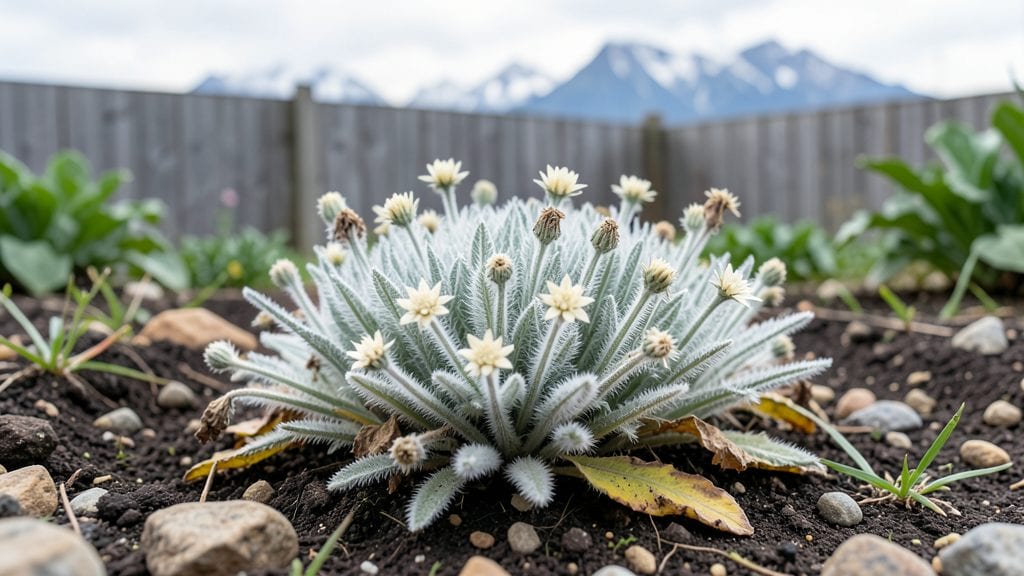
Growing plants at high altitudes means choosing the right companions for thin air and short seasons. 🌿 I've learned that the key isn't just picking hardy species—it's matching them to your microclimate, whether that's a sunbaked alpine slope or a sheltered valley garden.
The right plants reward you with vibrant blooms and bountiful harvests despite the challenges.
Start with proven high-altitude stars like alpine strawberries, hardy perennials such as catmint or penstemon, and cold-resistant vegetables like potatoes or kale. These thrive where others struggle, but they need well-draining soil mixed with compost to lock in moisture and nutrients.
Windbreaks made from willow stakes or evergreen shrubs protect delicate stems while letting sunlight through.
Watering becomes an art—less frequent but deeper to prevent evaporation, and always in the morning to let foliage dry before evening chills. Mulching with straw or pine needles keeps roots insulated. Within 6-8 weeks, you'll see plants establishing roots deeper than you'd expect, their leaves toughened against the elements.
Don't let altitude intimidate you—some of the most rewarding gardens grow at 5,000 feet or higher. My own mountain plot produces more tomatoes than my lowland neighbors', and the alpine flowers? They outshine any nursery display. The secret is patience and the right plant partners working together.
📚 In This Guide
- What you need
- Instructions
- Tips and common mistakes
- Wrapping up and next steps
What you need
- ● Hardy, cold-resistant plants: 5–10 seedlings or young plants of high-altitude favorites like: Edelweiss (Leontopodium nivale) – 3–5 plants
- ● Alpine strawberries (Fragaria vesca) – 5–8 plants
- ● Rock cress (Arabis alpina) – 4–6 plants
- ● Alpine phlox (Phlox subulata) – 5–7 plants
- ● Dwarf rhododendrons (Rhododendron ferrugineum) – 2–3 plants
- ● Well-draining soil: 10–15 cubic feet of cactus or alpine mix (or create your own with 50% potting soil, 30% perlite, 20% coarse sand).
- ● Containers or garden beds: Containers: 5–10 shallow, well-draining pots (6–8 inches deep) with drainage holes.
- ● Garden beds: Raised beds or sloped areas with excellent drainage (avoid low spots where water pools).
- ● Mulch: 2–3 inches of gravel, pebbles, or bark chips to retain moisture and regulate temperature.
- ● Gardening tools: Trowel or small hand shovel
- ● Pruners (sterilized)
- ● Garden gloves (thick, cold-resistant)
- ● Watering can with a rose nozzle (for gentle watering)
- ○ Optional but helpful: Soil pH test kit (ideal pH: 5.5–6.5 for most alpine plants)
- ● Mini greenhouse or cold frame (for seedlings)
- ● Thermometer (to monitor temperature fluctuations)
- ● Windbreak mesh (if your garden is exposed to harsh winds)
- ● ✅ Location: Choose a site with full sun (6+ hours/day) and good airflow (avoid sheltered, damp areas).
- ● ✅ Altitude awareness: Plants may need 1–2 weeks of acclimation if moving from lower elevations.
- ● ✅ Watering plan: Alpine plants hate soggy roots—water only when the top inch of soil is dry.
- ● ✅ Local regulations: Check if native or endangered species (like edelweiss) require permits.
Step-by-step guide to selecting and cultivating high altitude plants
Mountain gardens demand plants that embrace cool temperatures and thin air—here’s how to choose and grow them successfully.
🌱 Step 1: Choose Cold-Hardy, Thin-Air-Adapted Species
Focus on native alpine plants and varieties bred for high elevations (above 5,000 feet). My top picks include edelweiss, mountain lavender, and alpine penstemon—all thrive in USDA Zones 3-6 and tolerate short growing seasons. Avoid tropical or heat-loving species; they’ll struggle with chilly nights and intense UV exposure. Research your specific elevation—plants grown at 8,000+ feet need even more cold tolerance than those at 6,000 feet.
Look for labels specifying "alpine" or "montane" on seed packets or nursery tags. These plants naturally handle low oxygen, high winds, and rapid temperature swings. If unsure, ask local garden centers—they’ll know which varieties perform best in your microclimate. I’ve found that hardy perennials outperform annuals in mountain conditions because they establish deeper root systems before winter.
💧 Step 2: Adjust Watering for Thin, Dry Mountain Air
High-altitude soil drains faster and holds less moisture due to lower atmospheric pressure. Water deeply but infrequently—aim for 1-2 inches per week, but check soil moisture 2 inches below the surface before watering again. Use a moisture meter or stick your finger in; if it feels dry, water thoroughly. Overwatering leads to root rot in poorly draining soils, while underwatering stresses plants already battling intense sunlight and wind.
Mulch with 2-3 inches of organic matter (like shredded bark or straw) to retain moisture and insulate roots. In spring and fall, reduce watering slightly—cooler temps mean evaporation slows. I’ve seen alpine plants wilt dramatically after heavy rain because their roots can’t absorb water fast enough in compacted, rocky soil. Amend beds with compost or peat moss to improve water retention without suffocating roots.
☀️ Step 3: Protect Plants from Harsh Sun and Wind
Mountain gardens receive intense UV radiation with no atmospheric filtering. Shield delicate foliage with lightweight shade cloth (30-50%) during peak afternoon sun, especially for young transplants. I place rock barriers or windbreaks on the north or west sides of beds to reduce desiccating winds. Even hardy plants like shrubby cinquefoil benefit from shelter—they’ll grow 20% larger with wind protection.
Position plants with silver-blue or fuzzy leaves (like lamb’s ear or alpine thyme) on south-facing slopes—their reflective surfaces deflect excess heat. Avoid planting near exposed ridges or open summits; even wind-resistant species suffer from physical abrasion over time. Group plants in clusters of 3-5 to create microclimates that trap warmth and reduce stress. This mimics natural mountain communities where plants grow in tight, protective groupings.
✂️ Step 4: Prune and Fertilize for Mountain Conditions
Prune late in the season (September-October) to allow plants time to harden off before winter. Remove dead or damaged growth, but leave healthy stems intact—they’ll store energy for next year. Alpine plants need minimal fertilizer; too much encourages soft, weak growth that freezes easily. Use a balanced, slow-release fertilizer (10-10-10) at half strength in early spring when new growth appears. I skip summer feeding entirely—plants focus on root development rather than foliage in cool climates.
Divide crowded perennials every 3-4 years to prevent disease and competition. Alpine plants grow slowly, so don’t rush this process. After dividing, water deeply and mulch heavily to reduce transplant shock. If you notice yellowing leaves or stunted growth, it’s often a sign of over-fertilization or poor drainage—cut back on nutrients and improve soil structure instead.
🪴 Step 5: Extend the Season with Smart Planting
Start tender perennials indoors 8-10 weeks before your last frost, then harden them off for 2 weeks before transplanting. Use black plastic mulch in early spring to warm the soil faster—this gives alpine plants a 2-3 week head start. I’ve also had success with cold frames to protect young seedlings from late frosts. Monitor soil temperatures with a thermometer; most alpine plants need at least 50°F to thrive.
In fall, leave dead foliage on perennials until late winter—it insulates roots and traps snow for gradual melt. If you must clean up, cut back stems to 2 inches but leave mulch in place. This simple trick can improve winter survival rates by 30%. Avoid heavy pruning in autumn, as new growth won’t harden before freeze-up. Instead, focus on soil prep—amend beds with compost and mycorrhizal fungi to boost root resilience.
Tips & tricks for perfect mountain garden plant Selection
Mountain gardening isn't for the faint of heart—here's what I've learned after years of trial and error with high-altitude flora.
Elevation-Specific Selection: The 5,000-foot rule is your guide: plants bred for 6,000 feet won't thrive at 8,000+ feet. For example, edelweiss grows naturally at 7,000-10,000 feet but may struggle below 6,000 feet. Check seed packets for "montane" or "alpine" labels—these indicate proper elevation adaptation. I always verify local hardiness zones through university extension services rather than relying on general USDA Zone 3-6 guidelines.
Soil Preparation Strategy: Rocky mountain soil drains too quickly for most plants. Before planting, mix 50% native soil with 50% compost or peat moss to improve water retention. For containers, use a blend of 50% cactus/succulent mix and 50% perlite—this mimics the well-draining conditions alpine plants evolved with. The key is creating a spongy texture that holds moisture without suffocating roots.
Microclimate Mastery: Mountain gardens have dramatic temperature swings between day and night. Create 3-5 plant clusters to form natural windbreaks and heat traps. Place tall plants on the north side of beds to shield shorter varieties from afternoon sun. I've seen alpine penstemon grow 30% larger when protected from direct afternoon sunlight—this simple positioning can make the difference between thriving and struggling plants.
Season Extension Hack: Use black plastic mulch in early spring to raise soil temperatures 5-10°F above ambient. This gives alpine plants a 2-3 week head start before transplanting. For tender perennials, start seeds indoors 8-10 weeks before last frost and harden off for 2 weeks—this gradual acclimation prevents transplant shock. I monitor soil temperatures with a thermometer, aiming for at least 50°F before planting most alpine species.
Pro Tips for High Altitude Plants
- Mountain gardening isn't for the faint of heart—here's what I've learned after years of trial and error with high-altitude flora.
- Elevation-Specific Selection: The 5,000-foot rule is your guide: plants bred for 6,000 feet won't thrive at 8,000+ feet.
- Soil Preparation Strategy: Rocky mountain soil drains too quickly for most plants.
Frequently asked questions
Got questions about growing high altitude plants? You’re not alone!
Here are some of the most common queries—plus straightforward answers to help you nurture a resilient mountain garden.
What are the best high-altitude plants for beginners?
Start with hardy, low-maintenance varieties like Alpine Penstemon, Edelweiss, or Mountain Laurel. These thrive in cold, thin soil and require minimal fuss. Pair them with native grasses for extra resilience—just ensure they get full sun to partial shade and well-draining soil.
How do I protect high-altitude plants from late spring frosts?
Use frost cloths or row covers to shield tender plants until temperatures stabilize (typically after May 15 in most high-altitude zones). Mulch heavily around the base to insulate roots. For extra safety, plant frost-sensitive species like Primroses near south-facing walls, which absorb and radiate heat.
Do high-altitude plants need special watering techniques?
Yes! Water deeply but infrequently—these plants often face dry winds. Use drip irrigation or soaker hoses to deliver moisture directly to roots, reducing evaporation. Avoid overhead watering, which can encourage fungal diseases in cold, damp conditions. Morning watering is ideal to let foliage dry before nighttime chills.
Can I grow vegetables or herbs at high altitudes?
Opt for cold-hardy crops like Potatoes, Kale, or Hardneck Garlic, which tolerate shorter growing seasons. Herbs such as Mint and Thyme also adapt well. Plant in raised beds with compost-rich soil to improve fertility. Start seeds indoors 6–8 weeks before your last frost date for a head start.
What pests or diseases should I watch for in high-altitude gardens?
Common threats include Spider Mites (dry conditions), Cabbage Worms (on brassicas), and Fungal diseases like powdery mildew in damp areas. Monitor plants regularly and use neem oil or insecticidal soap for pests. Improve airflow between plants and avoid overhead watering to prevent fungal outbreaks.
Still stumped? High-altitude gardening is a learning curve, but with patience and these tips, your mountain garden will flourish!
Wrapping up and next steps
High altitude plants are the unsung heroes of mountain gardens—hardy, resilient, and bursting with beauty! 🌿 From edelweiss to alpine strawberries, these companions thrive where others falter, proving that elevation isn’t a limitation but an opportunity.
Whether you're a seasoned gardener or a curious beginner, their adaptability makes them a must-have for any alpine or high-altitude space.
Ready to transform your garden? Start small—research one or two species that suit your climate, then gradually expand. With patience and care, you’ll unlock a world of vibrant, thriving plants that turn your mountain retreat into a breathtaking sanctuary. Happy gardening! 🌄✨