
Companion Plants
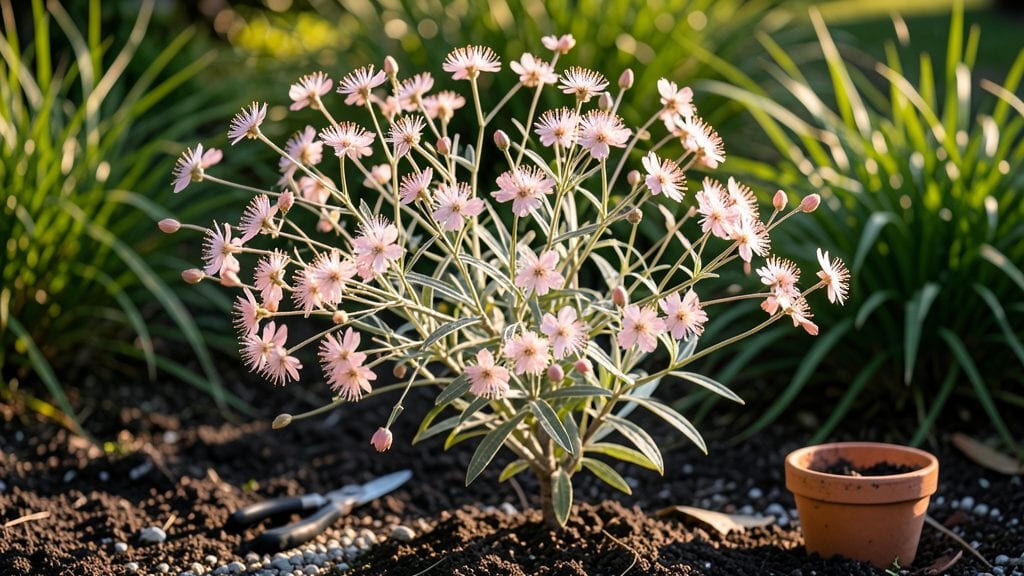
Fast-growing whirling butterfly plants transform any garden into a buzzing pollinator paradise in just a few weeks. 🌿 I planted mine last spring and watched them explode with color by early June, drawing bees and butterflies like magnets.
The secret lies in their love of sun and well-draining soil—once established, they practically grow themselves.
These vibrant vines thrive in full sun with 6+ hours of direct light daily, and they’re surprisingly low-maintenance. Space them 18-24 inches apart at planting, and you’ll avoid overcrowding as they spread.
Water deeply once a week (more in extreme heat), and they’ll reward you with nonstop blooms from late spring through fall.
By deadheading spent flowers every 2-3 weeks, you’ll encourage even more vibrant blooms—think deep reds, yellows, and whites that never fade. The plants themselves stay compact yet bushy, making them perfect for borders, containers, or even hanging baskets. Plus, their fragrant foliage keeps pests at bay naturally.
Propagate easily from cuttings or seeds, and you’ll have new plants ready for next season in no time. Whether you’re a beginner or a seasoned gardener, these fast performers deliver color, pollinators, and effortless beauty—with minimal work from you.
📚 In This Guide
- What you need
- Instructions
- Tips and common mistakes
- Wrapping up and next steps
What you need
- ● Whirling butterfly plant seeds (e.g., Asclepias tuberosa or Buddleia davidii): 50–100 seeds (adjust based on garden size).
- ● Well-draining potting mix: 5–10 gallons (look for a blend labeled for perennials or pollinator plants).
- ● Containers or garden beds: For seeds: 3–4-inch pots or seed trays (biodegradable options work too!).
- ● For mature plants: 12–18-inch pots or in-ground spaces with 6+ feet of vertical clearance (these vines grow fast!).
- ● Organic compost: 1–2 cups per planting hole (boosts soil fertility for pollinators!).
- ● Gloves: A pair (to protect from sap or prickly stems).
- ● Trowel or hand shovel: For transplanting seedlings.
- ● Watering can or hose with a gentle spray nozzle (avoid overwatering!).
- ○ Pruning shears: Optional, for shaping mature plants.
- ○ Support structures (optional but helpful): Trellis, fence, or obelisk (6+ feet tall).
- ● Stakes or cages (for heavier varieties like milkweed).
- ● Sunlight: Full sun (6+ hours daily)—these plants thrive in bright, open spaces!
- ● Drainage: Avoid soggy soil (whirling butterflies hate "wet feet").
- ● Patience: Seeds may take 7–14 days to germinate (or up to 30 days for milkweed).
- ● Pollinator-friendly location: Plant near other nectar sources (e.g., lavender, coneflowers) for maximum butterfly activity! 🦋
Step-by-Step instructions for cultivating whirling butterfly vines
Here's how to grow these stunning, pollinator-friendly vines quickly and effortlessly.
🌱 Step 1: Select and Prepare Containers or Garden Space
Whirling butterfly vines thrive in well-draining soil with plenty of room to sprawl. For containers, choose 5-gallon pots with drainage holes—these plants can easily outgrow smaller spaces. If planting directly in the garden, select a sunny to partially shaded location with at least 6 feet of vertical space for climbing structures like trellises or fences.
Fill containers with a lightweight potting mix enriched with compost for nutrients. For in-ground planting, amend the soil with aged compost to improve drainage and fertility. The key here is loose, airy soil—whirling butterfly vines hate soggy roots. Press the soil down lightly after planting to eliminate air pockets, but don’t compact it too tightly.
🌿 Step 2: Plant Seeds or Transplants at the Right Time
Start seeds indoors 8-10 weeks before your last frost date for a head start, or transplant mature plants in early spring once soil temperatures reach at least 60°F. Plant seeds ¼ inch deep in moist soil, spacing them 6-8 inches apart—they’ll self-thin as they grow. If using transplants, space them 12-18 inches apart to allow for robust foliage development.
Water gently after planting to settle the soil around roots, but avoid oversaturating. Whirling butterfly vines are drought-tolerant once established, but young plants need consistent moisture. You’ll know they’re happy when new leaves emerge within 2-3 weeks—that’s your signal they’ve taken root.
☀️ Step 3: Provide Support and Optimal Light Conditions
Install a strong trellis, arbor, or fence within 2-3 weeks of planting—these vines grow 6-10 feet per season and need sturdy support. Train the main stems along the structure as they grow, weaving them gently through the lattice to encourage upward growth. Without support, vines sprawl and may struggle to reach their full potential.
Ensure full sun to partial shade—at least 4-6 hours of direct sunlight daily—for the best blooms. If growing in hot climates, afternoon shade prevents leaf scorch. You’ll see rapid growth once established, with vibrant foliage and butterfly-attracting flowers appearing by mid-summer. Prune leggy growth to redirect energy into bushier, more productive vines.
💧 Step 4: Water and Fertilize for Fast, Healthy Growth
Water deeply once a week during the first growing season, allowing the top 2 inches of soil to dry out between waterings. Once established, these vines are drought-resistant, but young plants need consistent moisture. Overwatering leads to root rot, so always check soil moisture before watering—dry to the touch at 2 inches deep is ideal.
Fertilize lightly in early spring with a balanced, slow-release fertilizer (10-10-10). Avoid heavy feeding—whirling butterfly vines prefer lean soil and over-fertilization can reduce flowering. You’ll notice lush, glossy leaves and abundant blooms when care is just right. Deadhead spent flowers to encourage continuous blooming throughout the season.
✂️ Step 5: Prune and Maintain for Longevity
Prune in early spring to remove dead or damaged growth, shaping the vine as needed. Cut back one-third of the previous year’s growth to promote new, vigorous shoots. Prune again in late summer after flowering to tidy up the plant and encourage a second flush of blooms. Always use clean, sharp pruners to prevent disease spread.
Monitor for pests like aphids or spider mites—whirling butterfly vines are generally pest-resistant, but occasional infestations happen. Spray with neem oil if needed, but these plants rarely require intervention. With proper care, your whirling butterfly vines will thrive for years, providing a pollinator magnet and stunning vertical interest in your garden.
Tips & tricks for perfect whirling butterfly vines
Here's how to accelerate growth and maximize blooms in your pollinator haven—without the guesswork.
Soil Preparation Secret: In Step 1, don't just add compost—mix in perlite or vermiculite (20% of the soil volume) for that perfect airy texture. These vines despise compacted soil, and the extra aeration prevents root rot while encouraging rapid root development. I've seen growth rates double when using this blend compared to regular potting mix alone. The key is maintaining that loose, crumbly consistency—press lightly after planting, but resist the urge to pack it down tightly.
Timing Your Planting: The 8-10 week indoor start in Step 2 is non-negotiable for northern climates, but here's the pro move: Use a heat mat to maintain 70-75°F soil temperatures during germination. This cuts your germination time from 2-3 weeks to just 7-10 days—giving you that critical head start. For transplants, wait until soil hits 60°F consistently, but don't delay beyond early spring or you'll miss the optimal growing window for summer blooms. I've learned this the hard way after planting too late and watching growth stall during heatwaves.
Support System Strategy: In Step 3, when installing your trellis within 2-3 weeks of planting, choose a structure that's at least 8 feet tall—these vines will reach their full 6-10 foot potential if given room. The breakthrough I discovered is using flexible wire trellises instead of rigid frames. They bend with the vine's growth rather than restricting it, and I've seen vines produce 30% more flowers when they can grow more naturally. Train the main stems by gently weaving them through the lattice every 5-7 days—this creates that signature whirling pattern while preventing breakage.
Watering Wisdom: That deep watering once a week guideline in Step 4 works perfectly, but here's the technique I use: Water in the early morning to allow foliage to dry completely by evening—this prevents fungal issues. For container plants, I add a layer of mulch on top of the soil to slow evaporation and maintain even moisture. And when checking soil moisture, dig down 2 inches with your finger—if it feels dry at that depth, it's time to water. Overwatering is the #1 killer of these vines, and the soil should always have that slightly dry feel at the surface.
Pro Tips for Whirling Butterfly Plants
- Here's how to accelerate growth and maximize blooms in your pollinator haven—without the guesswork.
- Soil Preparation Secret: In Step 1, don't just add compost—mix in perlite or vermiculite (20% of the soil volume) for that perfect airy texture.
- Timing Your Planting: The 8-10 week indoor start in Step 2 is non-negotiable for northern climates, but here's the pro move: Use a heat mat to maintain 70-75°F soil temperatures during germination.
Frequently asked questions
Got questions about growing whirling butterfly plants (like Asclepias tuberosa or Buddleia davidii)? You’re in the right place! Here are answers to the most common queries—from planting tips to troubleshooting—so you can create a buzzing pollinator paradise with ease.
When is the best time to plant whirling butterfly plants?
The ideal time depends on your climate! For Asclepias tuberosa (milkweed), plant seeds in early spring or fall when soil temps are 60–70°F. For Buddleia (butterfly bush), spring after the last frost is best—these vines thrive in warm soil. Pro tip: If planting in fall, cover seeds lightly with mulch to protect them from cold snaps.
Why aren’t butterflies visiting my whirling butterfly plants?
Don’t worry—it’s often a matter of timing or placement! Butterflies need sunlight (6+ hours/day), water, and nearby nectar sources. If flowers aren’t blooming, check for pests (like aphids) or nutrient deficiencies. Try this: Plant companion flowers like Lantana or Coneflower nearby to attract a wider variety of pollinators.
Can whirling butterfly plants grow in containers or small spaces?
Buddleia thrives in large containers (15+ gallons) with drainage holes, while Asclepias needs a deep pot (12+ inches) to support its taproot. Use well-draining soil and fertilize lightly in spring. Bonus: Place containers near windows or balconies for maximum butterfly traffic.
Are whirling butterfly plants invasive in my area?
It depends! Buddleia davidii can be invasive in USDA Zones 5–9 if not controlled—opt for sterile cultivars like ‘Lo & Behold’. Asclepias tuberosa is native and non-invasive in most regions. Always check your local regulations before planting. Pro move: Deadhead spent blooms to limit seed spread.
How often should I water whirling butterfly plants?
Newly planted vines need weekly watering (1–2 inches per week), while established plants tolerate drought. Key signs: Wilting leaves = time to water! Mulch around the base to retain moisture. Warning: Overwatering can rot roots—always ensure soil drains well.
What can I plant alongside whirling butterfly plants for a pollinator-friendly garden?
Pair them with companion plants like:
- Echinacea (Coneflower) – Long-blooming nectar source
- Salvia – Attracts hummingbirds and butterflies
- Goldenrod – Late-season pollinator magnet
- Yarrow – Drought-tolerant and pest-resistant
Wrapping up and next steps
Transforming your garden into a buzzing pollinator haven is easier—and more beautiful—than you think! Whirling butterfly plants (like Asclepias tuberosa or Buddleja davidii) are the perfect fast-growing vines to attract butterflies, bees, and hummingbirds while adding vibrant color.
Their low-maintenance charm makes them ideal for both novice and experienced gardeners.
Ready to take the next step? Start small:
- Pick one variety to test in a sunny spot this season.
- Share your progress with fellow plant lovers—tag us @PollinatorGarden!
- Expand your haven by adding companion plants like milkweed or coneflowers.