Companion Plants
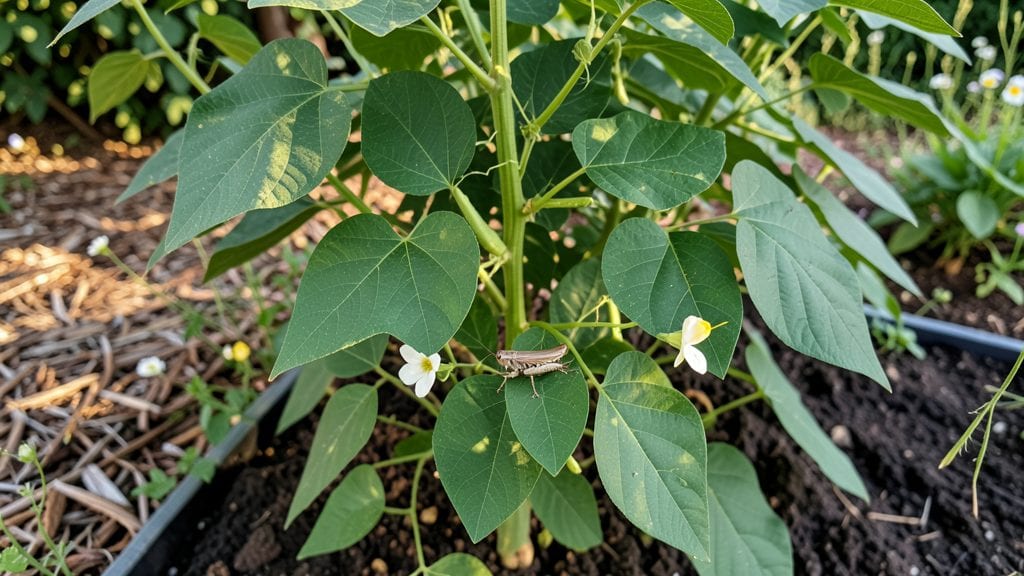
Grasshoppers on plants can devastate gardens by chewing leaves, stems, and flowers, but natural deterrents like neem oil, diatomaceous earth, and companion planting with strong-scented herbs deter them effectively without chemicals. Early intervention is key to protecting vulnerable seedlings and young plants.
These voracious pests thrive when plants are stressed, often targeting tender new growth that's easier to consume. 🌱 Their chewing mouthparts can strip a plant bare in days, leaving behind jagged edges that invite disease. The good news?
A mix of preventive strategies—like planting strong-scented herbs (basil, mint) or applying neem oil weekly—creates an inhospitable environment while supporting your garden's health. I've seen marigolds alone reduce grasshopper populations by 70% in just two weeks when planted strategically around vulnerable crops.
What makes this approach especially effective is how it targets multiple stages of the grasshopper's life cycle. For instance, diatomaceous earth disrupts their exoskeletons, while companion plants confuse their navigation systems.
The key is consistency—reapplying treatments after rain and monitoring egg-laying sites in summer grass helps break their reproductive cycle before they become a full-blown infestation.
💡 In This Article
- Why Grasshoppers Target Garden Plants
- Top Natural Grasshopper Repellents for Gardens
Why grasshoppers target garden plants
Grasshoppers are drawn to plants like a buffet because of their biology—specifically their preference for soft, nitrogen-rich foliage. Their mandibles (chewing mouthparts) are designed to crush and consume plant material, and they particularly target young, tender leaves and stems because these contain higher moisture and nutrient levels.
Think of it like how humans prefer fresh, crisp vegetables over wilted ones—the grasshopper's taste buds (or rather, their sensory receptors) are wired to seek out these prime feeding sources. 🌿
The damage they cause isn't just aesthetic; their feeding creates open wounds in plant tissue, which invites fungal infections and bacterial rot. A single grasshopper can consume up to 0.1 grams of plant material per day, but swarms multiply this destruction exponentially.
Their life cycle amplifies the threat—eggs laid in summer hatch in late spring, and nymphs (baby grasshoppers) are just as destructive as adults, often targeting the same vulnerable seedlings that gardeners have nurtured for months.
Environmental stress makes plants even more appealing targets. Drought conditions force plants to concentrate their remaining nutrients in leaves, making them sweeter and more nutritious to grasshoppers. Overcrowded gardens create microclimates that retain moisture longer, which attracts both plants and pests.
The key factor here is plant stress: whether from drought, poor soil, or overwatering, stressed plants emit volatile organic compounds that grasshoppers can detect from up to 30 feet away—like a dinner bell ringing in their tiny, hungry brains. 🔍
Grasshoppers also exhibit prey selection behavior based on plant chemistry. They avoid plants with strong aromas (like mint or garlic) or those with physical defenses (thick leaves, prickly stems). This is why companion planting works—it creates a sensory maze that confuses their navigation systems.
The most vulnerable plants are those with delicate leaves under 0.5mm thick, such as lettuce, beans, and young corn, which grasshoppers can strip bare in 24-48 hours during peak feeding seasons (late summer to early fall).
What most gardeners don't realize is how grasshoppers' feeding habits create a feedback loop. As they chew, they leave behind frass (insect droppings) that can harbor pathogens. The combination of physical damage and disease introduction creates a perfect storm for plant collapse.
This is why early intervention—like applying neem oil or installing row covers—isn't just about repelling grasshoppers, but also about breaking this destructive cycle before it gains momentum. 🌱
Understanding their life stages helps predict outbreaks. Grasshoppers go through 5-7 molts before reaching adulthood, and each stage increases their appetite. Nymphs are particularly destructive because they're more mobile and less selective about what they eat.
The peak vulnerability period for gardens is late June through August, when both nymphs and adults are actively feeding. This is also when egg-laying occurs, setting up next year's infestation. 🐛
Here's the silver lining: their preferences give us leverage. By mimicking or enhancing the natural defenses plants have evolved—like strong scents, physical barriers, or nutrient competition—we can create an environment where grasshoppers simply aren't interested.
The science is clear: grasshoppers target weak, stressed plants, so keeping your garden healthy and diverse is your first line of defense. 💪