
Plants
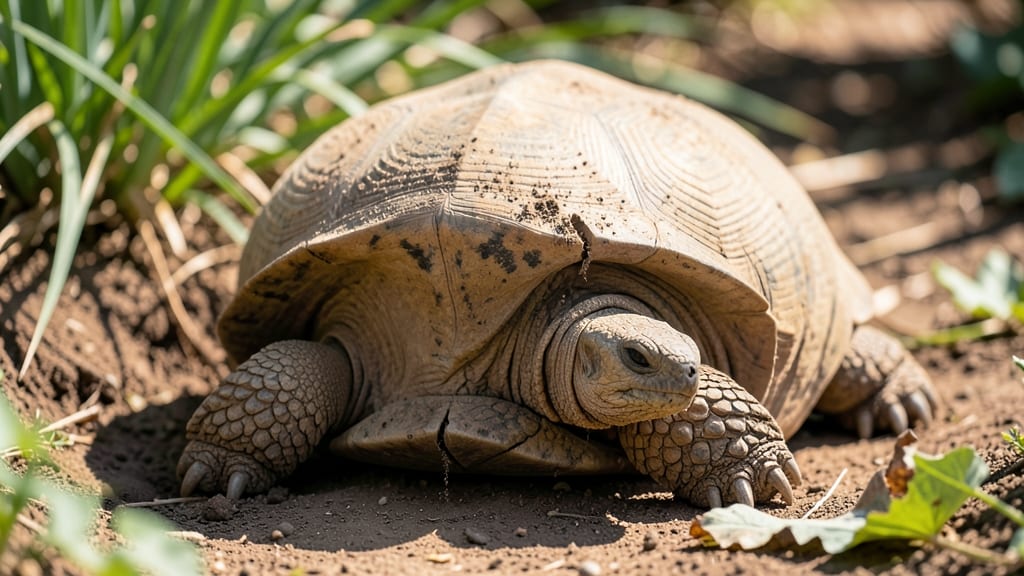
Caring for a gopher plant means you’ll have a lush, fast-growing friend that thrives even when you forget to water it. 🌱 This plant is the ultimate beginner’s dream—it tolerates low light, irregular watering, and even the occasional dry spell without throwing a fit.
The secret lies in mimicking its natural jungle habitat with just a few simple tweaks.
Start with a well-draining potting mix and a pot with drainage holes—this plant hates soggy roots. Place it in bright, indirect light, like a few feet from an east-facing window, where it gets morning sun but avoids harsh afternoon rays.
Water only when the top inch of soil feels dry, and you’ll never have to worry about overwatering. A little neglect won’t kill it; it’ll just slow down and bounce back.
You’ll notice its vibrant purple-green leaves growing thicker and fuller within weeks, especially if you give it a light trim every few months to encourage bushier growth. The best part? It’s nearly impossible to mess up, making it perfect for busy gardeners or anyone who’s killed plants in the past.
Just keep it happy with minimal effort, and it’ll reward you with year-round color.
If the leaves start yellowing or stretching too much, it’s just begging for a little more light or a trim to keep it compact. With these simple steps, your gopher plant will stay thriving for years—no green thumb required. Let’s get yours growing confidently!
📚 In This Guide
- What you need
- Instructions
- Tips and common mistakes
- Wrapping up and next steps
What you need
- ○ Pot: A 4-6 inch container with drainage holes (terracotta or ceramic works best). Optional: A hanging planter for a trailing look!
- ● Well-draining potting mix: A blend of peat moss, perlite, and vermiculite (or a cactus/succulent mix). Pro tip: Add 10-20% coarse sand to improve drainage!
- ● Gopher plant (Tradescantia spp.): Start with a healthy cutting or nursery-grown plant (e.g., Tradescantia zebrina or Tradescantia pallida).
- ● Watering can or spray bottle: A gentle spray helps avoid overwatering.
- ○ Fertilizer (optional but helpful): A balanced liquid fertilizer (10-10-10) or diluted fish emulsion (use every 4-6 weeks during spring/summer).
- ● Humidity tray: A pebble tray with water to boost humidity (great for dry climates!).
- ● Grow lights: A LED full-spectrum bulb (6-8 hours/day) if natural light is limited.
- ● Plant supports: A small trellis or moss pole if you want your gopher plant to climb.
- ● Pruning shears: For trimming leggy stems to encourage bushiness.
Step-by-Step gopher plant care for a lush, low-maintenance indoor garden
Here’s how to keep your gopher plant thriving with minimal effort—just follow these simple, foolproof steps!
🌱 Step 1: Choose the Right Spot for Bright, Indirect Light
Gopher plants adore bright, indirect light—think 4-6 hours daily near an east-facing window or a few feet from a south-facing one. Avoid harsh afternoon sun, which can scorch the glossy leaves. I place mine on a side table where morning light bathes them without the intense midday glare.
If your space is dim, supplement with a grow light 12-18 inches away for 10-12 hours daily. You’ll notice leaves darken or stretch toward light if they’re not getting enough—this is your cue to move them closer or adjust the lamp.
💧 Step 2: Water When the Top 1-2 Inches of Soil Feel Dry
Gopher plants hate soggy roots, so I water deeply but only when the top 1-2 inches of soil are dry to the touch. Stick your finger in—if it comes out clean, it’s time. Water until it drains freely from the bottom, then empty the saucer to prevent root rot.
Overwatering is the #1 killer, so I use the "soak-and-drain" method: water until moisture runs out the bottom, then wait until the soil dries before repeating. Yellowing leaves? You’re probably overdoing it. Droopy but firm leaves? It’s thirsty but not desperate.
☀️ Step 3: Dust Leaves and Prune for Bushier Growth
Every 2-3 weeks, wipe the leaves with a damp microfiber cloth to remove dust—this keeps them photosynthesizing efficiently. I do this while watering, so it’s a quick two-step routine. Gopher plants respond well to a light trim too: pinch back leggy stems just above a leaf node to encourage fuller growth.
If your plant gets too tall and sparse, cut back the top 1/3 of the stem in spring. New growth will sprout from below, giving you a bushier, more compact plant. Just avoid heavy pruning in winter when growth slows.
🪴 Step 4: Repot Every 2-3 Years for Fresh Soil and Space
When roots circle the pot or soil drains too quickly, it’s time to upgrade. Choose a container just 1-2 inches wider than the current one—gopher plants prefer being slightly root-bound. I repot in early spring using fresh potting mix with a little perlite for drainage.
Gently loosen the roots before placing in the new pot, then water thoroughly. The first few weeks after repotting, keep it in bright, indirect light to reduce stress. You’ll see new leaves forming within 3-4 weeks as it settles into its new home.
⏰ Step 5: Watch for Pests and Adjust Care Seasonally
Check leaves weekly for spider mites or mealybugs—common pests that love gopher plants. Wipe leaves with soapy water or spray with neem oil if you spot any. I also rotate the pot quarter-turn weekly so all sides get even light, preventing lopsided growth.
In winter, reduce watering slightly since growth slows. If leaves drop, it’s usually from cold drafts—keep your gopher plant away from AC vents or icy windows. With these tweaks, it’ll stay lush year-round with almost no effort!
Tips & tricks for perfect gopher plant care
These game-changing tips will help your gopher plant stay vibrant and healthy with almost no effort—once you know the secrets!
Lighting Hack: For that perfect 4-6 hours of bright, indirect light in Step 1, place your plant near a window with sheer curtains. If you notice leaves stretching toward the light (called etiolation), it’s begging for more brightness! I also rotate my plant quarter-turn weekly to ensure even growth all around—this prevents lopsided, leggy plants that look like they’re reaching for the sky.
Watering Wisdom: The "soak-and-drain" method in Step 2 is your best friend! Water until you see moisture flowing freely from the bottom, then empty the saucer immediately. Pro tip: Use room-temperature water—cold water can shock the roots. If the top 1-2 inches of soil feel damp after watering, wait a day before checking again. Overwatering is sneaky—it often shows up as yellowing leaves, not drooping!
Pruning Pro Move: When you prune that 1/3 of the stem in Step 3, don’t toss those cuttings! Place them in water—many gopher plants will root and grow into new plants. Spring is the ideal time for this, but you can prune lightly year-round to encourage bushier growth. Just avoid heavy cuts in winter when the plant is already slowing down its growth cycle.
Repotting Rescue: If you see roots circling the pot during your 2-3 year repotting in Step 4, gently tease them apart before placing in the new container. This prevents root binding and helps your plant establish itself faster. After repotting, keep it in bright, indirect light for those first 3-4 weeks—this reduces stress and helps it recover more quickly. Add a handful of perlite to the fresh potting mix for better drainage!
Pro Tips for Gopher Plant Care
- These game-changing tips will help your gopher plant stay vibrant and healthy with almost no effort—once you know the secrets!
- Lighting Hack: For that perfect 4-6 hours of bright, indirect light in Step 1, place your plant near a window with sheer curtains.
- Watering Wisdom: The "soak-and-drain" method in Step 2 is your best friend!
Frequently asked questions
Got questions about keeping your Tradescantia zebrina (aka gopher plant) thriving? Here are the most common ones—plus quick fixes for when things go wrong!
How often should I water my gopher plant?
Water your gopher plant when the top 1-2 inches of soil feel dry. Overwatering is the #1 killer—stick your finger in the soil first! These plants store water in their leaves, so they prefer drought-like conditions over soggy roots. In winter, reduce watering to every 2-3 weeks.
Why are my gopher plant’s leaves turning yellow?
Yellow leaves usually mean overwatering or poor drainage. Let the soil dry out completely between waterings, and ensure the pot has drainage holes. If the yellowing spreads, trim affected leaves with clean scissors to redirect energy to healthier growth. Pro tip: Yellow at the tips? It’s often a calcium deficiency—try a balanced fertilizer.
Can gopher plants survive low light?
Yes! Gopher plants are low-light champions and thrive in bright, indirect light—but they’ll also tolerate medium to low light (like north-facing windows or offices). Avoid direct sun, which can scorch their delicate leaves. If growth slows, a grow light for 4-6 hours/day can revive them.
How do I propagate my gopher plant?
Propagation is easy and fast! Snip a healthy stem just below a leaf node, remove the lower leaves, and place it in water or moist soil. Roots grow in 2-3 weeks. For soil propagation, use a well-draining mix and keep it slightly damp. Bonus: You’ll end up with a jungle of gopher plants in no time!
Are gopher plants toxic to pets?
Yes, they’re toxic to cats and dogs if ingested. The plant contains oxalates, which can cause mouth irritation, vomiting, or drooling. Keep them out of reach or opt for pet-safe alternatives like Spider Plants or Parlor Palms if you have curious pets.
Wrapping up and next steps
Caring for a gopher plant is simpler than you think—just a little light, water, and patience go a long way! With its striking foliage and adaptable nature, this plant thrives even in low-light spaces, making it a perfect pick for busy plant parents.
Now that you’re armed with the right tips, watch your gopher plant flourish and bring that lush, green energy into your home.
Ready to level up your plant game? Try propagating your gopher plant or explore other low-maintenance varieties to expand your indoor jungle! 🌿