Companion Plants
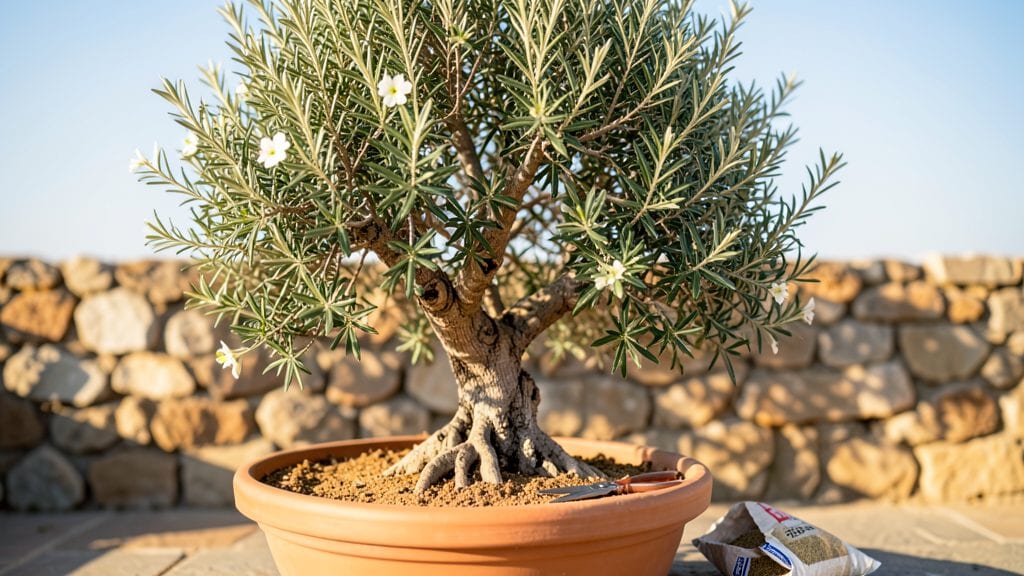
Caring for olive plants means unlocking their sunlight secrets—the Mediterranean glow they crave to produce those glossy leaves and eventual fruit. 🌞 I’ve watched my olive tree go from struggling to thriving by mimicking its natural habitat, and the key isn’t complicated: full sun, well-draining soil, and patience.
Most people overwater or underestimate how much light these plants need, but once you get it right, you’ll see new growth within weeks.
The right setup starts with 6+ hours of direct sunlight daily, whether outdoors in a warm climate or indoors near a south-facing window. Outdoor olives love sandy, rocky soil that drains fast—think coastal Mediterranean conditions. For containers, a mix of potting soil and perlite keeps roots happy.
Water deeply but only when the top inch of soil is dry; olives hate soggy roots. Prune in late winter to shape the tree and encourage airflow, which cuts down on pests.
By summer, you’ll notice thick, silvery-green leaves and maybe even tiny olives forming if your plant is mature. The real magic happens in seasonal care: reduce watering in winter (olives need dormancy), and protect young plants from frost.
Even indoors, a grow light can help maintain that sun-drenched growth. The payoff? A tree that lives for decades, producing fruit and shade—if you give it what it truly needs.
This works for both container olives on patios and in-ground trees in zones 8-11. Whether you’re starting with a cutting or a nursery plant, the basics stay the same. Let’s get your olive thriving—no guesswork, just results.
📚 In This Guide
- What you need
- Instructions
- Tips and common mistakes
- Wrapping up and next steps
What you need
- ● Olive plants: Choose between seeds (slower, less predictable) or young saplings (faster, more reliable). For seeds, start with 5–10 seeds (germination rates are low!); for saplings, 1–3 plants per container.
- ● Well-draining soil mix: Combine 60% potting soil, 30% coarse sand or perlite, and 10% compost. Olive plants hate soggy roots!
- ● Containers: Use pots with drainage holes (minimum 12-inch diameter for saplings; 6-inch for seeds). Terracotta or fabric pots work best.
- ● Watering can or hose with a gentle spray nozzle: Avoid overwatering—olives prefer dry conditions.
- ● Fertilizer: A balanced, slow-release fertilizer (10-10-10) or organic options like fish emulsion or compost tea. Apply every 4–6 weeks during growing season.
- ● Pruning shears: Sharp, sterilized shears for trimming dead or overgrown branches.
- ● pH testing kit: Olive plants prefer slightly alkaline soil (pH 6.0–8.0). Adjust with lime (to raise pH) or sulfur (to lower it) if needed.
- ○ Mulch (optional): Use gravel or pine bark to retain heat and deter weeds (but avoid organic mulch—it retains too much moisture).
- ● Grow lights (indoor setups): LED grow lights (12–16 hours/day) if your olive lacks natural sunlight.
- ● Rooting hormone (for cuttings): Speeds up propagation success if starting from olive branches.
- ○ Sunlight meter (optional): Ensures your plants get the 6+ hours of direct sunlight they crave!
Step-by-step instructions for olive tree care
Here's how to keep your olive tree thriving with the right sunlight and care.
☀️ Step 1: Position for Maximum Sunlight
Olive trees crave full sun, so place yours in a spot with at least 6-8 hours of direct sunlight daily. A south-facing window or balcony works best, but if you're indoors, supplement with a grow light for 14-16 hours per day. You'll see leaves yellowing or dropping if it's not getting enough light—this is your olive tree's way of saying, "I need more sun!"
Outdoors, choose a sheltered location to protect it from harsh winds, which can stress the tree. If you're in a hot climate, provide afternoon shade during peak summer months to prevent leaf scorch. Watch for signs like crispy leaf edges—that means it's getting too much intense sun.
💧 Step 2: Water Deeply but Sparingly
Olive trees are drought-tolerant, so let the top 2-3 inches of soil dry out completely between waterings. Stick your finger in the soil—if it feels dry, it's time to water. When you do water, soak the soil deeply until it drains from the bottom of the pot. This encourages strong root growth and prevents shallow, weak roots.
Overwatering is the biggest mistake with olive trees. Yellowing leaves or mushy stems are red flags—cut back on water immediately. In winter, reduce watering significantly, as growth slows and the tree needs less moisture. A good rule of thumb: water once every 2-3 weeks in cooler months.
🌱 Step 3: Fertilize for Healthy Growth
Feed your olive tree with a balanced, slow-release fertilizer in early spring, just as new growth begins. Use a 10-10-10 or 20-20-20 formula diluted to half strength to avoid burning the roots. Apply fertilizer every 4-6 weeks during the growing season (spring and summer), then stop in fall and winter when growth slows.
You'll notice new leaves and stems emerging more vigorously after fertilizing. If the leaves turn brown or crispy at the edges, you're overdoing it—flush the soil with water to dilute excess salts. Olive trees don’t need heavy feeding, so less is often more. A light hand now means fewer problems later.
✂️ Step 4: Prune for Shape and Airflow
Prune your olive tree in late winter or early spring before new growth starts. Remove any dead, diseased, or crossing branches first—these can harbor pests or block sunlight. Cut back to a healthy bud or branch junction, using clean, sharp pruners. This keeps the tree looking tidy and encourages airflow, which reduces the risk of fungal diseases.
Shape the tree by trimming back overgrown branches to maintain its natural form. Avoid heavy pruning, as olive trees respond poorly to drastic cuts. A little shaping now prevents a messy, unruly tree later. You'll see new, vibrant growth filling in where you pruned, making the tree look fuller and healthier.
🪴 Step 5: Protect from Pests and Cold
Olive trees are generally pest-resistant, but watch for spider mites or scale insects, especially if the leaves start yellowing or dropping prematurely. Wipe leaves with a damp cloth or spray with neem oil if you spot any pests. This gentle approach keeps the tree healthy without harsh chemicals.
If you live in a cold climate, bring potted olive trees indoors before temperatures drop below 20°F. Place them near a sunny window or under grow lights. Outdoor trees need protection too—mulch around the base in winter to insulate roots and prevent freezing. With the right care, your olive tree will reward you with silvery-green leaves and, eventually, delicious fruit.
Tips & tricks for perfect olive tree care
Here's what I've learned after keeping olive trees for years—these tricks make all the difference between a struggling plant and a thriving one.
The Light Factor: Those 6-8 hours of direct sunlight are non-negotiable for olive trees. If you're indoors, position your tree within 2 feet of the brightest window—south-facing is ideal. For grow lights, place them 6-12 inches above the tree and use a timer to maintain those 14-16 hours per day. I've seen olive trees near north-facing windows turn leggy and pale because they weren't getting enough light.
Soil Test Tip: Before watering, stick your finger 2-3 inches deep into the soil. If it feels completely dry, that's your cue to water deeply until it drains from the bottom. I use a moisture meter for my outdoor trees—it's worth the investment to avoid overwatering. Remember, olive trees store water in their trunks, so they can handle dry spells better than most plants.
Fertilizer Timing: The 4-6 week schedule during growing season is perfect, but I've found that applying fertilizer right after pruning gives your tree a nice boost. Just make sure to dilute that 10-10-10 or 20-20-20 formula to half strength—over-fertilizing can burn roots and cause leaf damage. I always water thoroughly before and after fertilizing to help distribute the nutrients evenly.
Pruning Secrets: When shaping your tree, always cut back to just above a leaf node or outward-facing bud. This encourages new growth in the right direction. I prune in stages over a few weeks rather than all at once—this gives the tree time to recover. And here's a pro tip: save your pruned branches! You can propagate new olive trees from healthy cuttings if you have the patience.
Pro Tips for Olive Plants Care
- Here's what I've learned after keeping olive trees for years—these tricks make all the difference between a struggling plant and a thriving one.
- The Light Factor: Those 6-8 hours of direct sunlight are non-negotiable for olive trees.
- Soil Test Tip: Before watering, stick your finger 2-3 inches deep into the soil.
Frequently asked questions
Got questions about keeping your olive plants thriving?
Here are answers to the most common ones—so you can enjoy healthy, sun-loving greenery (and maybe even olives!) without the guesswork.
How much sunlight do olive plants really need daily?
Olive plants are sun-worshippers! Aim for 6–8 hours of direct sunlight daily. In hot climates, they tolerate full sun all day, but in cooler areas, morning sun + afternoon shade prevents stress. Pro tip: Yellowing leaves? They’re begging for more light!
How often should I water an olive plant, and what’s the trick?
Water deeply but infrequently—about once every 1–2 weeks (adjust for heat/drought). Let the top 2–3 inches of soil dry out between waterings to mimic their Mediterranean roots. Overwatering = root rot! Drainage is key—use pots with holes or sandy soil.
Why are my olive plant’s leaves turning brown or dropping?
Brown edges or leaf drop usually mean overwatering, underwatering, or sunburn. Check soil moisture (stick your finger in!), adjust watering, and gradually acclimate plants to full sun. Yellow leaves? Could be nutrient deficiency—feed with a balanced fertilizer in spring.
Can I grow olive plants indoors, or do they need outdoor conditions?
Olive plants thrive outdoors but can survive indoors near a south-facing window with supplemental grow lights. However, they’re slow-growing and may struggle indoors long-term. If you must keep them inside, rotate them weekly for even growth.
How cold can olive plants tolerate before they suffer?
Most olive varieties handle down to 15–20°F (-9 to -7°C), but young plants or tender types need protection below 25°F (-4°C). Mulch the base, cover with frost cloth, or move potted plants to a sheltered spot. Evergreen leaves may drop in extreme cold—but the plant often recovers!
What’s the fastest way to revive a struggling olive plant?
Start with pruning dead/diseased branches, then check roots for rot. Repot in well-draining soil if needed, and reduce watering until new growth appears. Place in bright, indirect light for a week to recover. Patience is key—olives are tough but slow to bounce back!
Wrapping up and next steps
Caring for olive plants is all about understanding their love for sunlight, well-draining soil, and patience—but the rewards of lush, fruitful growth are totally worth it! 🌿 With the right balance of watering, pruning, and companion planting, your olive tree will thrive and even produce delicious olives over time.
Don’t let challenges discourage you; every gardener starts somewhere, and your green thumb is growing stronger with each step.
Ready to take the next leap? Start small—whether it’s planting a single olive tree or expanding your companion garden. Celebrate progress, not perfection, and watch your hard work bloom into a bountiful harvest. Happy gardening! 🌞