Watering
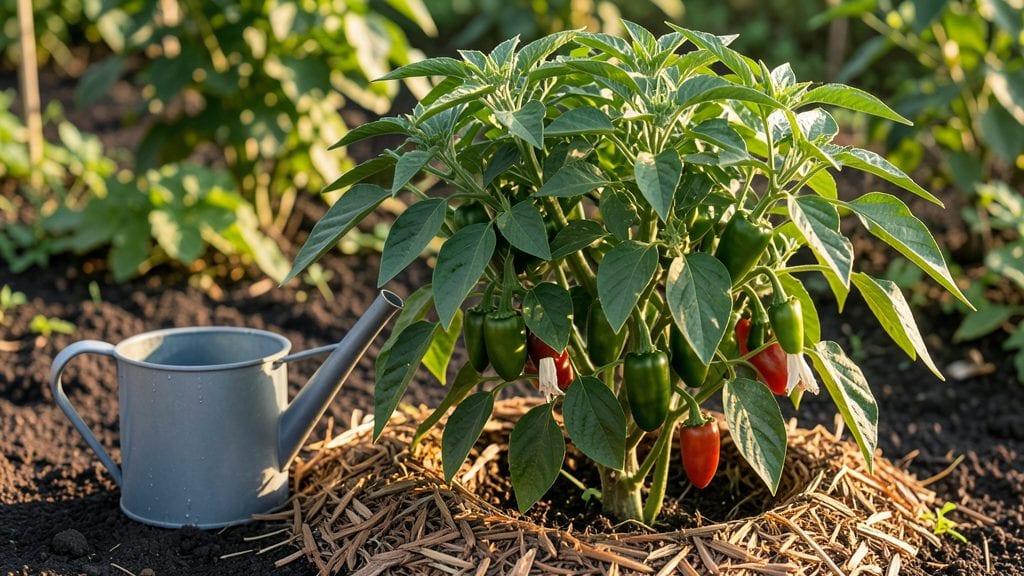
Watering jalapeno plants isn't just about keeping the soil damp—it's about mastering the rhythm that turns wilting leaves into vibrant green bushes loaded with peppers. 🌱 I learned this the hard way when my first batch of jalapeños turned into sad, droopy plants because I was either drowning them or letting them dry out like desert sand.
The key? Deep, consistent watering that matches their growth stages.
Jalapeños hate soggy roots but also panic when their soil turns to dust. You need a moisture balance: water deeply—about 1-1.5 inches per week—so the roots grow strong, not shallow. Stick your finger in the soil; if the top 1-2 inches feel dry, it's time to water.
Mulch helps too—it keeps moisture in and weeds out, saving you time and stress. And here's the secret: water in the morning to let foliage dry before nightfall, cutting down on fungal trouble.
When your plants start flowering and fruiting, that's when you need to pay extra attention. Too little water, and your peppers turn bitter or crack. Too much, and you risk root rot or blossom-end rot. The goal is steady moisture—think of it like a steady heartbeat, not a rollercoaster.
You'll know you're doing it right when your plants stand tall, leaves stay glossy, and those little green peppers swell up like they're ready for harvest.
This method works for container-grown jalapeños too—just adjust the watering frequency since pots dry out faster. And don't worry if you've killed a few plants along the way; even the best gardeners learn by trial and error.
Once you nail this, you'll be growing bold, flavorful jalapeños that make your neighbors jealous. Ready to give it a try?
📚 In This Guide
- What you need
- Instructions
- Tips and common mistakes
- Wrapping up and next steps
What you need
- ● Jalapeño plants: 1–3 healthy seedlings or transplants (choose disease-resistant varieties if possible).
- ● Containers or garden bed: Containers: 5–10 gallon pots (at least 12 inches deep) with drainage holes.
- ● Garden bed: Well-draining soil in a sunny spot (6+ hours of sunlight daily).
- ● Potting mix: 1 bag of high-quality, well-draining pepper-specific soil or a mix of 60% potting soil + 30% perlite + 10% compost.
- ● Watering can or hose with a gentle spray nozzle: For precise hydration without damaging leaves.
- ○ Moisture meter (optional but helpful): To check soil moisture levels (aim for 1–2 inches deep).
- ○ Mulch (optional): 1–2 inches of straw or shredded leaves to retain moisture and regulate temperature.
- ● Sunlight: Ensure your plants get full sun (6+ hours/day). Partial shade can lead to weak growth.
- ● Temperature: Jalapeños thrive in 70–90°F (21–32°C) during the day and 55–65°F (13–18°C) at night.
- ● Water quality: Use room-temperature, chlorine-free water (let tap water sit for 24 hours if chlorinated).
Step-by-Step guide to watering jalapeno plants for healthy growth
Mastering the right watering technique keeps your peppers thriving and prevents common issues like wilting.
💧 Step 1: Water Deeply at the Base
Jalapenos need 1-1.5 inches of water per week, delivered directly at the soil line. Use a watering can or hose with a gentle stream to avoid disturbing roots. Water until moisture reaches 6 inches deep—you’ll know it’s enough when water flows from the drainage hole. This deep soaking encourages strong root growth and prevents shallow, weak roots that cause wilting.
Water in the early morning to allow foliage to dry by evening, reducing fungal risks. Avoid overhead watering, which can splash soil onto leaves and invite disease. If your soil feels dry just below the surface, it’s time to water again—don’t wait until the leaves start drooping.
☀️ Step 2: Adjust for Heat and Sun Exposure
Jalapenos in full sun (6+ hours daily) will dry out faster, so monitor soil moisture closely. Stick your finger 1-2 inches deep—if it feels dry, water immediately. Mulch with 2-3 inches of organic mulch (like straw or shredded leaves) to retain moisture and keep roots cool. This simple step can cut watering needs by 30% while preventing soil crusting.
During extreme heat (above 90°F), increase watering frequency to every 2-3 days instead of weekly. Watch for yellowing leaves or drooping plants—these are signs of underwatering in hot weather. A quick check of the soil moisture will confirm if it’s time to water again.
⏰ Step 3: Establish a Consistent Schedule
Stick to a regular watering routine rather than sporadic deep waterings. Jalapenos thrive on predictability—watering at the same time daily (like 7 AM) helps roots develop efficiently. Use a moisture meter or your finger to check soil moisture before watering; if the top ½ inch feels damp, hold off until it dries slightly.
Overwatering is just as harmful as underwatering. If the soil stays soggy for more than 24 hours, roots suffocate and rot sets in. Ensure pots or garden beds have proper drainage—water should flow freely through the soil. If your jalapenos start wilting despite wet soil, this could signal root rot.
🌿 Step 4: Revive Wilting Plants Quickly
If leaves start wilting, don’t panic—it’s often a temporary moisture issue. Water deeply at the base and check for even wilting (underwatering) vs. one-sided drooping (overwatering or root damage). If the soil is dry, give it a thorough soak and watch for recovery within 24 hours. If wilting persists, inspect roots for rot or pests.
For severe wilting, trim 10-20% of the foliage to reduce water demand while roots recover. Keep the plant in partial shade for a few days to prevent further stress. Most jalapenos bounce back within a week if the root system is healthy—just adjust your watering approach moving forward.
Tips & tricks for perfect jalapeno plant care
Here's what nobody tells you about keeping your jalapenos thriving—these tricks make all the difference.
The Deep Watering Secret: When you water to that 6-inch depth in Step 1, focus on the soil's texture—not just the surface. The top inch might feel damp, but that's not enough. Press your finger down 2 inches—if it's bone dry, keep watering until you see moisture at that level. This prevents the shallow root syndrome that causes wilting. I learned this the hard way after watching plants struggle despite regular watering.
Mulch Like a Pro: That 2-3 inches of organic mulch in Step 2 isn't just decorative—it's a game-changer. Spread it evenly around the base (but not touching the stems) to create a moisture barrier. In my hot climate (where temps often hit 90°F), mulched plants need watering 30% less frequently. Plus, it keeps soil temps stable, which jalapenos love. Just refresh it every few months as it breaks down.
Heatwave Strategy: When temperatures climb above 90°F, switch to the every-2-3-days schedule from Step 2—but here's the trick: water in the late afternoon instead of morning. This gives roots time to absorb moisture during the hottest part of the day. I noticed my plants handled heat better when I made this shift, especially during those brutal summer afternoons. Watch for that soil dryness at 1-2 inches deep as your guide.
Wilting Rescue Protocol: If you see even wilting (not one-sided), follow Step 4's thorough soak—but here's the extra step: After watering, gently squeeze the stems. If they feel firm, roots are absorbing water. If they're still limp, the issue might be deeper. I've revived plants this way even when they looked completely done, as long as the roots weren't rotting. Just give them that 24-hour recovery window and keep them in partial shade during the day.
Pro Tips for Water Jalapeno Plants
- Here's what nobody tells you about keeping your jalapenos thriving—these tricks make all the difference.
- The Deep Watering Secret: When you water to that 6-inch depth in Step 1, focus on the soil's texture—not just the surface.
- Mulch Like a Pro: That 2-3 inches of organic mulch in Step 2 isn't just decorative—it's a game-changer.
Frequently asked questions
Got questions about keeping your jalapeño plants thriving with the perfect watering routine?
Here are answers to the most common ones to help you grow spicy success!
How often should I water jalapeño plants?
Water jalapeños deeply but infrequently—about 1-2 inches per week, adjusting for heat or rain. Let the top 1-2 inches of soil dry out between waterings to prevent root rot. Morning watering is best to reduce evaporation and fungal risks.
Why are my jalapeño leaves turning yellow or wilting?
Yellow leaves often signal overwatering, while wilting can mean underwatering or stress. Check soil moisture—if it’s soggy, reduce water; if dry, hydrate deeply. Ensure well-draining soil and avoid letting plants sit in standing water.
Can I use tap water for my jalapeño plants?
Tap water is usually fine, but if it’s high in chlorine or salts, let it sit out for 24 hours before using. Rainwater or filtered water is ideal for sensitive plants. Avoid fluoridated or heavily treated water if possible.
What’s the best way to revive an underwatered jalapeño plant?
Give it a slow, deep soak until water drains from the bottom. Trim any severely wilted leaves to redirect energy. Mulch around the base to retain moisture and reduce future stress. Recovery may take a few days—be patient!
Are there alternatives to frequent watering for jalapeños?
Yes! Try drip irrigation or self-watering pots for consistency. Mulching with straw or wood chips locks in moisture, and container gardening lets you control water access. Group plants together to create microclimates that retain humidity.
Wrapping up and next steps
Growing thriving jalapeño plants is all about balance—especially when it comes to water! 💧 By now, you know how to diagnose underwatering, adjust your watering routine, and even troubleshoot common issues like yellowing leaves or root rot.
The key takeaway? Consistency and observation are your best friends—whether you’re using the finger test, checking soil moisture, or adjusting for climate.
Ready to see those green, vibrant jalapeños take over your garden? Start by implementing one or two tips from this guide this week, then observe your plants closely. Over time, you’ll master the art of watering like a pro—and soon, you’ll be harvesting spicy, homegrown goodness! 🌶️✨