
Companion Plants
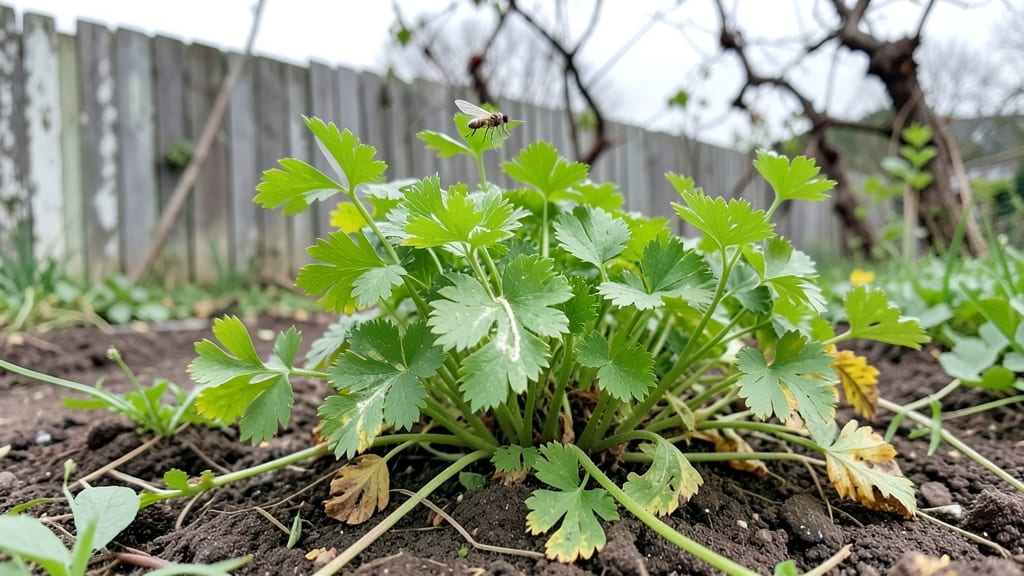
Flies around plants aren't just annoying—they're a sign your garden's ecosystem is out of balance. 🌿 I've battled fungus gnats in my seedling trays and fruit flies in my compost pile, and I learned the hard way that ignoring them leads to stunted plants and wasted harvests.
The good news? Most fly problems have simple, natural fixes that don't involve toxic sprays.
These pests thrive where plants are stressed—whether from overwatered soil, rotting organic matter, or crowded roots. Fungus gnats love damp seedling mixes, while fruit flies flock to fermenting fruit or spoiled veggies left too long.
The key is breaking their life cycles by improving drainage, removing attractants, and introducing their natural predators through companion plants like basil or marigolds.
You'll see results fast with targeted solutions: sticky traps for adults, beneficial nematodes for larvae, and strategic plant pairings that disrupt fly breeding. My pepper plants, previously swarmed by whiteflies, now thrive next to alyssum, which confuses the pests' navigation system.
The best part? These methods work just as well for indoor herb gardens as they do for outdoor vegetable beds.
Even better, once you implement these fixes, you'll notice fewer flies and healthier plants. The secret weapon? A mix of prevention (like using sand in potting mixes) and intervention (like releasing ladybugs). Let's get your garden back to being a sanctuary, not a smorgasbord for flies.
The Real Culprits Behind Plant-Flying Pests
Flies buzzing around your plants aren’t just a nuisance—they’re often drawn by specific conditions that make your garden an all-you-can-eat buffet. Understanding why these pests target your plants is the first step to outsmarting them naturally.
Below, we break down the science-backed reasons behind their behavior, so you can address the root cause and keep your garden fly-free.
Flies—especially fruit flies, fungus gnats, and houseflies—are attracted to rotting plant debris, fallen leaves, and compost piles because they’re drawn to the yeasts, bacteria, and sugars produced during decomposition. These microbes release volatile organic compounds (VOCs), which act like a dinner bell to flies.
- Why it happens:
- Decomposing matter emits ethanol, acetic acid, and other byproducts that mimic fermenting fruit—an irresistible signal to flies.
- Fungus gnats specifically thrive in overly moist soil where organic matter decomposes, creating the perfect breeding ground for their larvae.
- Actionable fix:
- Remove fallen leaves, dead plants, and weeds from the base of plants regularly.
- Aerate compost piles to speed up decomposition and reduce fly activity.
- Use mulch sparingly—thick layers trap moisture and attract pests.
Fruit flies (Drosophila) and houseflies are particularly drawn to overripe, fermenting, or injured fruit because these emit strong, sweet-smelling VOCs like ethyl acetate and acetaldehyde. Even a single bruised tomato or apple can trigger a fly infestation in days.
- Why it happens:
- Ethanol production in fermenting fruit signals to flies that it’s a high-energy food source.
- Wounds in fruit create entry points for bacteria and yeast, accelerating decay and increasing attractiveness to flies.
- Actionable fix:
- Harvest fruit promptly and remove any that show signs of spoilage.
- Store produce properly—refrigerate ripe fruit and keep it in sealed containers.
- Inspect plants regularly for cracked or soft fruit and prune damaged areas immediately.
Fungus gnats, shore flies, and even some moth larvae thrive in wet, soggy conditions because moisture slows decomposition and creates ideal breeding sites. Overwatering, poor drainage, or heavy dew can turn your soil into a fly nursery.
- Why it happens:
- Stagnant water in soil traps organic particles, which decompose anaerobically (without oxygen), producing sulfur compounds that attract flies.
- Fungus gnats lay eggs in moist soil, and their larvae feed on fungal growth that thrives in damp conditions.
- Actionable fix:
- Improve drainage by amending soil with perlite, sand, or coconut coir.
- Water deeply but less frequently—let the top inch of soil dry out between waterings.
- Use saucers under pots to catch excess water and prevent soil saturation.
When aphids, whiteflies, or scales infest your plants, they inject toxins and excrete honeydew—a sticky, sugary substance that ferments quickly and attracts fruit flies, wasps, and ants. This creates a secondary infestation where flies feed on both the honeydew and the weakened plant.
- Why it happens:
- Honeydew contains simple sugars and amino acids, which ferment into acetic acid and other fly-attracting compounds.
- Sooty mold (a black fungus that grows on honeydew) further signals to flies that the plant is stressed and easy prey.
- Actionable fix:
- Control sap-sucking pests first with neem oil, insecticidal soap, or beneficial insects (like ladybugs).
- Wipe off honeydew with a damp cloth to prevent fermentation.
- Prune heavily infested branches to reduce food sources for flies.
Stressed plants emit unique chemical signals (called volatile organic compounds or VOCs) that act as a distress call to predatory insects and decomposers, including flies. Drought, nutrient deficiencies, or disease trigger these signals, making your plants more appealing to pests.
- Why it happens:
- Ethylene gas (released during stress) attracts fruit flies and fungus gnats, which see the plant as an easy target.
- Damaged plant cells release green leaf volatiles (GLVs), which some flies interpret as a sign of high moisture and decay.
- Actionable fix:
- Monitor plant health—yellowing leaves, wilting, or stunted growth may indicate stress.
- Adjust watering and fertilization to meet the plant’s needs (e.g., succulents need less water than tomatoes).
- Use mulch to retain moisture and reduce stress signals in the soil.
If you’re unsure why flies are swarming your plants, set up a simple trap test: 1. Place overripe banana peels, apple cider vinegar, or a damp sponge near problem areas. 2.
If flies congregate within hours, your issue is fermentation or decay-related. 3. If they ignore the trap but still buzz around plants, check for moisture issues or sap-sucking pests instead.
By pinpointing the exact cause, you can target your pest control efforts—whether it’s cleaning up debris, adjusting watering habits, or introducing companion plants to disrupt fly life cycles. 🚀
Practical Ways to Outsmart Plant-Friendly Flies
Flies buzzing around your plants aren’t just annoying—they can damage foliage, spread disease, and even lay eggs that turn your garden into a pest buffet. But don’t reach for harsh chemicals just yet!
With a mix of preventive strategies, natural repellents, and smart companion plantings, you can keep these winged intruders at bay. Below, we’ve broken down the most effective fixes, tailored to the root causes of the problem.
Flies—especially fungus gnats and fruit flies—love moist, nutrient-rich soil where they can breed. If your plants are sitting in soggy conditions, take action fast.
🔥 Step 1: Improve Drainage
- 👨🍳 Amend the soil with perlite, sand, or coconut coir to create air pockets.
- 🥘 Elevate containers by placing them on saucers with pebbles or a wire rack to prevent waterlogging.
- ⏰ Water wisely: Only water when the top inch of soil is dry, and avoid overhead sprinkling.
💡 Pro Tip: If you’re dealing with fungus gnats, let the soil dry out completely between waterings—these flies hate dry conditions!
🌡️ Prevention:
- Use well-draining potting mixes (avoid peat-heavy blends).
- ✨ Mulch lightly with straw or wood chips to retain moisture without creating a fly paradise.
Rotting fruits, fallen leaves, and compost piles are all-you-can-eat buffets for fruit flies, house flies, and other plant pests. Clear the table before they arrive.
🔪 Step 1: Remove Debris Immediately
- 🍳 Pick up overripe produce from plant beds and fruit trees daily.
- 🥘 Compost properly: Use a sealed bin with a lid, and turn the pile regularly to speed up decomposition.
- 🌿 Clean up fallen leaves—especially under citrus trees, where fruit flies love to lay eggs.
💡 Pro Tip: If you have a compost pile, 🎯 bury fresh scraps under a layer of dry leaves or straw to deter flies.
🌡️ Prevention:
- 🔥 Harvest fruits promptly—don’t let them linger on the plant.
- ✨ Install fine mesh screens over compost bins to block adult flies.
Some plants naturally repel flies while others attract beneficial predators that keep fly populations in check. Plant these near your vulnerable crops:
| Problem Fly | Repellent Companions | Predator Attractors |
|---|---|---|
| Fungus Gnats | Basil, Marigolds, Chives | Ladybugs (plant dill or fennel) |
| Fruit Flies | Mint, Lavender, Rosemary | Parasitic wasps (plant yarrow) |
| House Flies | Lemongrass, Catnip, Garlic | Spiders (let them thrive!) |
| Whiteflies | Nasturtiums, Ageratum | Lacewings (plant dandelions) |
💡 Pro Tip: 🔥 Crush mint or basil leaves and rub them on soil surfaces for an instant fly-repelling scent.
🌡️ Prevention:
- ✨ Plant borders of repellent herbs around vegetable gardens.
- 🎯 Rotate crops to disrupt fly life cycles (they remember favorite spots!).
When prevention isn’t enough, lure and trap flies before they multiply. These DIY solutions are chemical-free and effective:
🍳 Apple Cider Vinegar Trap (For Fruit Flies)
- Fill a small bowl with apple cider vinegar + a drop of dish soap.
- Cover with plastic wrap, poke tiny holes, and place near plants.
- ⏰ Replace every 3–4 days—flies will drown in the mix!
🥘 Beer Trap (For Fungus Gnats & House Flies)
- Bury a small cup filled with beer (or wine) near infected soil.
- Flies are drawn in and drown instantly.
💡 Pro Tip: 🎯 Add a few drops of vanilla extract to vinegar traps—flies are obsessed with the scent!
🌡️ Prevention:
- 🔥 Set traps early in the season before flies establish colonies.
- ✨ Move traps regularly to prevent flies from adapting.
For greenhouse growers or high-value plants, physical barriers can be a game-changer.
🔥 Step 1: Cover Young Plants
- Use fine mesh row covers (like Agribon) over seedlings to block adult flies.
- 🍳 Secure edges tightly with soil or weights to prevent gaps.
💡 Pro Tip: 🔥 Yellow sticky traps catch adult flies before they lay eggs—place them above plant canopies for best results.
🌡️ Prevention:
- ✨ Install fan ventilation in greenhouses to disrupt fly flight patterns.
- 🎯 Use reflective mulch (like aluminum foil) to confuse and repel flies.
If flies are still winning, consider beneficial insects that hunt them naturally:
- 🐞 Ladybugs (devour fungus gnat larvae).
- 🕷️ Spiders (eat house flies and fruit flies).
- 🐝 Parasitic wasps (target whiteflies and aphids).
💡 Pro Tip: 🔥 Release beneficials in the evening when they’re most active and flies are less aggressive.
Final Thought: Flies around plants are manageable—you just need to starve them out, confuse them, or outsmart them with the right tools. Start with one or two strategies, monitor progress, and adjust as needed. Your garden will thank you! 🌱💨
Frequently asked questions
Why do I see so many flies around my houseplants?
Flies are drawn to your plants because of moist soil, rotting organic matter, or overripe fruit nearby. Fungus gnats thrive in damp potting mixes, while fruit flies flock to fermenting debris. Check for soggy soil or fallen leaves—these are their favorite breeding spots!
Will vinegar traps actually work for fruit flies?
Yes! Mix apple cider vinegar with a drop of dish soap in a small bowl, cover with plastic wrap (poke holes), and place near plants. Flies are attracted to the vinegar but get trapped in the soapy liquid. Replace every 3-4 days for best results.
Are there plants that naturally repel flies?
Try planting basil, mint, or marigolds near problem areas—their strong scents confuse and deter flies. For fungus gnats, crush basil leaves and rub them on soil surfaces. These companion plants also attract beneficial predators like ladybugs.
How do I know if my plants have fungus gnat larvae?
Check the top inch of soil—if you see tiny, pale larvae (about 1/8-inch long) or adult flies hovering near the soil surface, you’ve got fungus gnats. Let the soil dry out completely between waterings to break their life cycle.
Can I use coffee grounds to deter flies?
Yes! Sprinkle used coffee grounds around plant bases—they repel flies while adding nutrients to the soil. The strong aroma masks plant scents that attract pests. Just avoid overdoing it, as too much can make soil too acidic.