
Pests
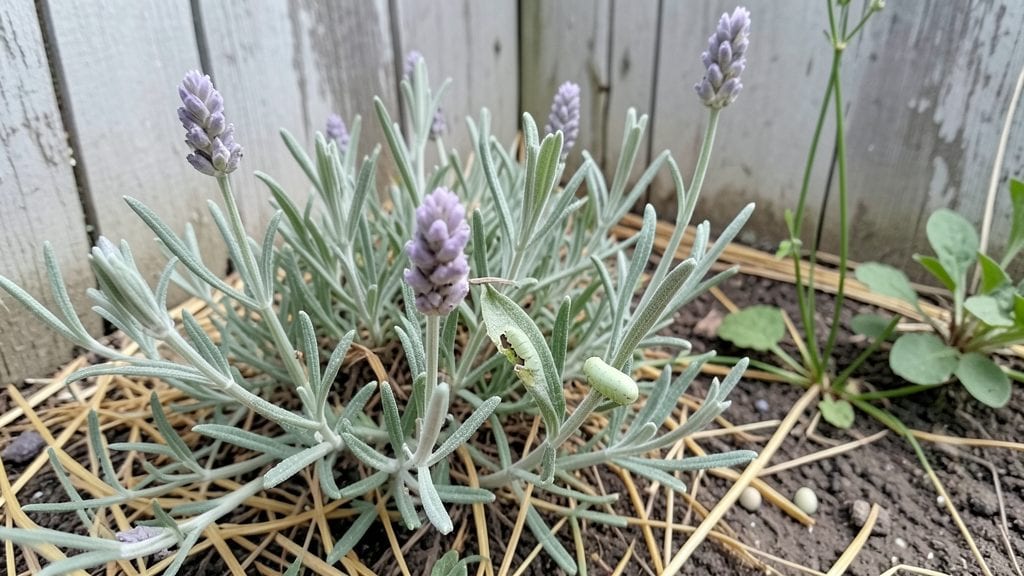
Lavender plant pests can turn your fragrant bushes into sad, stunted shadows—until you know exactly how to spot them and stop them. 🌿 I’ve watched my own lavender go from lush purple spikes to chewed leaves and brown stems, and I’ll never ignore those early warning signs again.
The key is catching problems before they spread, whether it’s aphids sucking sap or root borers tunneling beneath the soil.
Most infestations start small—tiny webs on leaves, sticky residue from aphids, or wilting despite good watering. The good news? Lavender’s natural oils often deter pests, but when they strike, organic fixes like neem oil or insecticidal soap work fast without harming bees.
I’ve also found that pruning regularly keeps plants strong enough to fight off invaders on their own.
By the time you’re done, your lavender will bounce back with vibrant blooms and that signature scent. The secret is acting early—check leaves weekly, especially under the flowers where pests hide. With the right approach, your plants stay healthy and pest-free for years.
This works for both garden beds and containers, and the methods scale from a single plant to a whole border. Let’s get those lavender bushes thriving again—naturally.
Root Causes Behind Lavender Pests
Lavender plants, with their fragrant blooms and silvery foliage, are prized for their beauty and utility—but they’re not immune to pest invasions. Understanding why these pests target lavender is the first step in protecting your garden.
Below, we break down the key factors that make your lavender a buffet for unwanted critters.
Lavender thrives in well-draining soil and full sun, but when these conditions aren’t met, the plant’s natural pest resistance falters. Stress signals—like drought, poor soil quality, or overcrowding—attract pests by making lavender easier to feed on.
- Drought stress: Lavender is drought-tolerant, but prolonged water deprivation weakens its cell walls, making it more vulnerable to sap-sucking insects like aphids and spider mites. These pests detect stressed plants through volatile organic compounds (VOCs) released into the air.
- Poor drainage: Waterlogged roots create an ideal environment for root-knot nematodes and fungal gnats. Excess moisture softens root tissues, making them easy prey.
- Nutrient deficiencies: Lavender prefers lean, alkaline soil. If your soil is too rich in nitrogen, it promotes lush (but weak) growth, inviting pests like whiteflies that thrive on tender new shoots.
💡 Pro Tip: Mimic lavender’s natural Mediterranean habitat by planting in fast-draining soil (sandy or gravelly) and avoiding heavy fertilizers. A light mulch of gravel (not organic matter) helps maintain dry roots while deterring pests.
Many lavender pests have life cycles perfectly timed to exploit the plant’s growth phases. For example:
| Pest | Peak Activity Period | Why It Targets Lavender |
|---|---|---|
| Lavender root borers | Late spring to early summer | Adult moths lay eggs in soil when lavender is actively growing, and larvae burrow into stems as new shoots emerge. |
| Spider mites | Hot, dry summers | Thrive in drought conditions, when lavender’s waxy leaves lose moisture and become easier to pierce. |
| Aphids | Spring and fall | New growth in spring is rich in sugars, attracting aphids that cluster to feed on sap. |
🎯 Actionable Insight: Monitor lavender during these high-risk windows. Use yellow sticky traps for flying pests (like whiteflies) or inspect undersides of leaves for mites and aphids with a magnifying glass.
While lavender is drought-resistant, overwatering is a common mistake that backfires by creating the perfect conditions for pests. Here’s how:
- Fungal gnats: These tiny insects lay eggs in moist soil. Larvae feed on fungal threads and root hairs, weakening the plant. Overwatering keeps soil consistently damp, accelerating their life cycle.
- Scale insects: These sap-suckers are drawn to stressed plants but also thrive in humid environments. Wet foliage (from overhead watering) traps their honeydew secretions, promoting sooty mold—a secondary issue.
- Slugs and snails: Though not insects, these pests are drawn to lavender beds that stay soggy. They chew on young shoots and leaves, leaving irregular holes.
✨ Prevention Tip: Water lavender deeply but infrequently—aim for 1 inch of water per week (less in summer). Use drip irrigation or soaker hoses to avoid wetting foliage, and plant in raised beds to improve drainage.
Your local ecosystem plays a huge role in which pests plague your lavender. For instance:
- Arid climates: Lavender grows best in dry regions, but aphids and whiteflies may still appear during rare humidity spikes. These pests hitchhike on wind or migrating birds.
- Coastal areas: High humidity encourages spider mites and thrips, while sandy soil may harbor root maggots.
- Urban gardens: Lavender near other plants (especially herbs or flowers) can attract ladybugs (which are beneficial) but also mealybugs that spread via garden tools or contaminated soil.
🔥 Regional Solution: Research common lavender pests in your USDA hardiness zone. For example, lavender root borers are more prevalent in California, while slugs dominate in Pacific Northwest gardens.
Quick Fixes for Lavender Plant Problems
Lavender’s delicate beauty can quickly turn into a pest-ridden nightmare if left unchecked, but the good news? Most issues have simple, organic solutions that require minimal effort. Below, we’ll map out the most common culprits—from aphids to spider mites—and show you how to tackle them without harsh chemicals.
Plus, we’ll share prevention tips to keep your lavender thriving long-term.
Signs: Sticky residue (honeydew), curled leaves, or tiny green/black clusters on stems.
How to Fix It
🔥 Blast Them Off Use a strong stream of water from your hose to dislodge aphids. Repeat every 2–3 days until gone.
🍳 Soapy Water Spray Mix 1 tbsp mild castile soap + 1 quart water in a spray bottle. Drench affected areas (test on a small leaf first).
👨🍳 Neem Oil Treatment (Best for stubborn infestations)
- 1 tsp neem oil + 1 tsp dish soap + 1 quart water
- Spray early morning or evening (avoid direct sun).
- Reapply every 5–7 days for 2 weeks.
💡 Prevention Tip: Plant lavender near marigolds or basil—their strong scents repel aphids naturally!
Signs: Fine webbing on leaves, yellowing, or stippled foliage (like tiny holes).
How to Fix It
🔥 Isolate & Wipe Down Remove heavily infested leaves immediately. Wipe remaining leaves with a damp cloth dipped in soapy water.
🥘 Increase Humidity Spider mites thrive in dry conditions. Mist plants daily or place a tray of water nearby.
🔪 Horticultural Oil Spray
- 2 tbsp horticultural oil + 1 tsp dish soap + 1 gallon water
- Spray thoroughly, covering undersides of leaves.
- Repeat every 5 days until mites disappear.
✨ Prevention Tip: Prune lavender for airflow—mites hide in dense, shaded spots!
Signs: Tiny white moths swarming when disturbed, sticky residue, yellow leaves.
How to Fix It
🔥 Yellow Sticky Traps Hang yellow cards coated with petroleum jelly near plants to catch adults.
🍳 DIY Trap Solution
- Fill a bowl with soapy water + a yellow dish (whiteflies are attracted to yellow).
- Place under lavender to drown them.
👨🍳 Kaolin Clay Barrier
- Mix 1 cup kaolin clay + 1 gallon water + 1 tsp soap.
- Spray to create a physical barrier they can’t cross.
💡 Prevention Tip: Avoid overwatering—whiteflies love damp soil!
Signs: White, fluffy clusters (like cotton) in leaf axils or stems.
How to Fix It
🔥 Scrape Them Off Use a soft toothbrush dipped in rubbing alcohol to wipe away bugs.
🥘 Beneficial Insects Release ladybugs or lacewings—they love eating mealybugs!
🔪 Coffee Grounds Trick Sprinkle used coffee grounds around the base (caffeine repels them).
✨ Prevention Tip: Inspect new plants before bringing them home—mealybugs hitchhike easily!
| Problem | Solution | Prevention Tip |
|---|---|---|
| Overcrowding | Thin plants, improve spacing | Plant lavender 3–4 feet apart |
| Weak Plants | Fertilize lightly (low-nitrogen) | Use compost tea 1x/month |
| Dry Soil | Water deeply but infrequently | Drip irrigation > overhead watering |
| Stress | Prune in early spring | Cut back 1/3 of growth annually |
Final Pro Tip: 🌡️ Healthy lavender = pest-resistant lavender! Keep soil well-draining, avoid excess nitrogen, and rotate plants every few years to break pest cycles.
Now grab your spray bottle and get to work—your lavender will thank you with fragrant, pest-free blooms! 🌿✨
Frequently asked questions
What are the most common lavender pests I should watch for?
The top culprits include aphids (tiny green/black clusters), spider mites (fine webbing on leaves), lavender root borers (chewed stems), and whiteflies (tiny white moths swarming when disturbed). Early detection is key—check undersides of leaves and soil bases regularly.
How do I know if my lavender has a pest problem?
Look for sticky residue (honeydew from aphids), yellowing leaves, webbing, or irregular holes in foliage. Also inspect stems for tiny white moths (whiteflies) or cottony clusters (mealybugs). Compare affected areas to healthy lavender growth nearby.
Can I use chemical pesticides on lavender?
While chemical pesticides work, they can harm pollinators like bees and disrupt lavender’s natural oils. Opt for organic solutions first: neem oil, insecticidal soap, or horticultural oil. If chemicals are unavoidable, use them early morning when bees are less active and avoid flowering periods.
Why do my lavender plants attract so many pests?
Pests target lavender when it’s stressed—whether from overwatering, poor drainage, or nutrient overload. Mimic lavender’s natural habitat: plant in well-draining soil, avoid rich fertilizers, and space plants 3–4 feet apart for airflow. Prune regularly to reduce hiding spots.
How often should I treat lavender for pests?
For mild infestations, treat every 5–7 days for 2 weeks. If pests persist, increase to weekly treatments until they’re gone. Always apply solutions early morning or evening to avoid harming beneficial insects. Prevention (like companion planting) reduces long-term treatment needs.