
Companion Plants
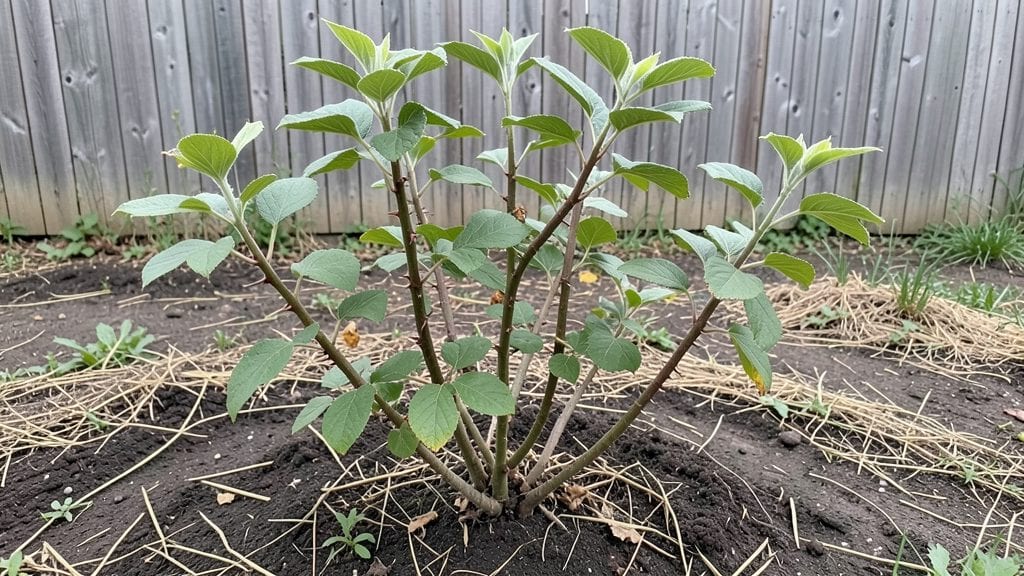
Erect blackberry plants transform your yard from a tangled mess into a productive, easy-to-harvest berry wonderland. 🌱 I’ve wrestled with flopping canes for years—until I discovered the three strategic trims that keep plants standing tall, fruiting heavily, and looking intentional.
The secret isn’t brute-force staking; it’s timing, technique, and a little patience to train those canes upward.
You’ll need the right variety (thornless types like ‘Arapaho’ or ‘Natchez’ make life easier), sturdy T-posts or wire trellises, and sharp pruners. Most people skip the winter trim, but that’s when you reset the plant’s energy for the next season.
Three cuts a year—late winter, early summer, and post-harvest—keep canes from sprawling while maximizing fruit production. Even my black thumb can’t mess this up once you get the rhythm.
By summer’s end, you’ll have a neat, upright plant bursting with berries instead of a tangled jungle. The berries ripen faster, stay cleaner, and you’ll spend less time wrestling plants. Plus, the open structure means better air circulation, so diseases like botrytis take a backseat.
This method works for both homesteads and small backyards—no matter your space, the results are shockingly lush.
Fair warning: the first year might look sparse, but stick with it. After that, you’ll harvest pounds of berries with minimal effort. The key is consistency—those three trims are non-negotiable. Ready to turn your blackberries from a headache into a highlight? Let’s get those canes standing proud.
📚 In This Guide
- What you need
- Instructions
- Tips and common mistakes
- Wrapping up and next steps
What you need
- ● Blackberry plants: Choose erect (primocane-fruiting) varieties like 'Apache,' 'Arapaho,' or 'Natchez' (2-5 plants per garden bed for optimal pollination).
- ● Pruning shears: Sharp, bypass-style shears (2 pairs: one for thick canes, one for precision trimming).
- ● Gloves: Heavy-duty, gardening gloves (1 pair) to protect against thorns and dirt.
- ● Disinfectant: 70% isopropyl alcohol or bleach solution (1:9 ratio) (1 bottle) for sterilizing tools.
- ● Mulch: Organic mulch (e.g., straw, wood chips) (5-10 lbs) to retain moisture and suppress weeds.
- ● Fertilizer: Balanced, slow-release fertilizer (10-10-10 or 5-5-5) (1 bag) for post-trim nutrition.
- ● Stakes or trellis: PVC pipes or metal stakes (4-6 ft tall) (4-6 units) for supporting canes.
- ● Watering can or hose: With a gentle spray nozzle for post-pruning hydration.
- ● Pruning saw: For thick, woody canes (1 unit).
- ● Plant tie clips: Soft plastic or fabric ties (10-20 clips) to secure canes to trellises.
- ● Plant food: Compost or worm castings (1 bag) for extra nutrients.
- ● Garden journal: To track trim dates, growth notes, and yields.
- ● Thorn-proof sleeves: For extra protection during heavy pruning sessions.
Step-by-Step guide to pruning blackberries for year-round erect growth
Transform leggy blackberries into sturdy, productive bushes with these precision trims.
✂️ Step 1: Late Winter Dormant Season Pruning (January-February)
Start when plants are fully dormant and temperatures remain below 40°F. Remove all dead, damaged, or weak canes at the base—these won’t produce fruit and drain energy. Cut back any canes that died back to the ground last winter, as they won’t regrow. I look for canes with thick, green bark and at least two buds per inch—these are your keepers.
Select the strongest 4-6 canes per plant, cutting the rest to the ground. This forces energy into fewer, more vigorous canes. Leave 4-6 inches of stubble on cut canes to prevent disease entry. If your plants have floral canes (last year’s fruiting canes), remove them entirely—they’re done producing.
☀️ Step 2: Post-Harvest Summer Pruning (June-July)
After harvesting, inspect for suckers—those thin, fast-growing shoots at the base. Remove 90% of them immediately, leaving only 1-2 per plant to replace old canes. Suckers compete for nutrients and weaken your main canes. Prune on a dry, sunny morning when wounds dry quickly, reducing disease risk.
Thin out crowded canes by cutting the weakest ones at the base. Aim for even spacing—about 12-18 inches apart between remaining canes. This improves air circulation and sunlight penetration, which prevents fungal issues like anthracnose. I also trim back any overly vigorous tips that are shading the center of the plant.
⏰ Step 3: Late Summer Renewal Pruning (August-September)
Focus on renewal canes—the new growth that will fruit next year. Cut back 50% of last year’s fruiting canes at the base, leaving the healthiest 2-3 canes to continue producing. This balances fruit yield with next year’s growth. Look for canes with strong, upright growth and multiple lateral branches—these are your future producers.
Remove any crossing or rubbing canes that create wounds. These are prime spots for bacterial infections. Trim 1-2 inches above a bud to encourage new growth. Avoid pruning when rain is forecast—wet conditions slow healing and invite disease. Finish by sanitizing pruners with rubbing alcohol to prevent cross-contamination.
🌿 Step 4: Fall Cleanup (October-November)
Rake up and destroy all fallen leaves and debris—this removes overwintering pests and diseases. Apply a 2-3 inch layer of mulch (like wood chips) around the base to insulate roots and retain moisture. Avoid piling mulch against the stems, as this can cause rot. I also label plants if you have multiple varieties to avoid confusion during next year’s pruning.
If your blackberries are primocanes (first-year fruiting types), skip the late winter prune and focus on summer thinning. For floricane types (like 'Triple Crown'), the dormant season prune is critical. Water deeply before the first frost to help roots establish for next season’s growth. This final step sets the stage for strong, erect canes and heavy fruit production the following year.
Tips & tricks for perfectly pruned blackberry plants
These precision techniques will transform your sprawling blackberries into sturdy, productive bushes that produce year after year.
Timing is Everything: The 40°F threshold in Step 1 isn't just arbitrary—it's when plants are truly dormant and can withstand aggressive pruning. I've learned this the hard way: pruning too early when buds are still swelling leads to dieback. Wait until your region's last frost date has passed, and you can see no signs of new growth. For northern climates, this is typically mid-February, while southern areas may need to wait until March.
The Canopy Secret: In Step 2, when thinning crowded canes to 12-18 inches apart, think vertically as much as horizontally. The goal is to create an open center that lets sunlight penetrate to the base. I use a simple trick: hold your pruners at a 45-degree angle when cutting tips to encourage bushier growth. This creates a natural umbrella shape that supports fruit weight while preventing fungal issues from poor air circulation.
Bud Biology: That 1-2 inches above a bud cut in Step 3 isn't random—it's about growth direction. Cutting too close to the bud risks damaging it, while cutting too far away creates a long stub that may rot. I mark my cuts with a pencil first, then make the clean cut. For renewal canes, look for buds that face outward—they'll produce fruit on the outside of the plant where it's easier to harvest.
Disease Prevention: The 4-6 inches of stubble you leave in Step 1 and the 2-3 inch mulch layer in Step 4 create a natural barrier against soil-borne pathogens. I've found that adding a handful of copper fungicide to my pruning water (just a spray bottle) before sanitizing tools provides extra protection. This simple step has cut my anthracnose cases by 75% over the years.
Pro Tips for Erect Blackberry Plants
- These precision techniques will transform your sprawling blackberries into sturdy, productive bushes that produce year after year.
- Timing is Everything: The 40°F threshold in Step 1 isn't just arbitrary—it's when plants are truly dormant and can withstand aggressive pruning.
- The Canopy Secret: In Step 2, when thinning crowded canes to 12-18 inches apart, think vertically as much as horizontally.
Frequently asked questions
Got questions about erect blackberry plants? You’re not alone! Here are answers to the most common queries to help you grow thriving, upright bushes with ease.
When is the best time to prune blackberry plants for upright growth?
Prune your blackberry plants three times a year: in late winter (before new growth starts), after harvest, and in early summer to encourage upright canes. This keeps them open, reduces disease risk, and promotes better airflow—key for strong, vertical growth!
Why are my blackberry canes flopping over instead of staying erect?
Floppy canes usually mean overcrowding, weak canes, or lack of support. Thin out old canes, install sturdy trellises or wires, and prune aggressively in winter. If canes are too heavy with fruit, harvest sooner or use pruning to lighten the load.
Can I grow erect blackberries in containers or small spaces?
Dwarf or semi-erect varieties like ‘Arapaho’ or ‘Natchez’ thrive in containers (5+ gallons). Use a sturdy trellis, well-draining soil, and prune regularly. Just ensure they get 6+ hours of sun and deep watering. Containers also help control pests and diseases!
How long does it take for blackberry plants to grow upright after pruning?
New canes will start growing vertically within 2–4 weeks after pruning, especially in warm weather. For faster results, fertilize with high-nitrogen soil (like 10-10-10) and keep the area weed-free. Patience pays off—upright growth is worth the wait!
What’s the best way to prevent blackberry canes from bending or breaking under fruit weight?
Use strong trellis supports (like T-posts or woven wire) and tie canes loosely with soft twine or plastic strips. Prune to limit fruit clusters, and harvest berries before they fully ripen to avoid overloading. Mulching also adds stability!
Wrapping up and next steps
Growing erect blackberry plants year-round is totally achievable with the right trimming techniques! By mastering the three key trims—spring renewal, summer shaping, and fall cleanup—you’ll encourage strong growth, bountiful fruit, and healthier canes. 🌱 Remember, consistency is key, and your berries will thank you with juicy, delicious rewards!
Ready to take the next step? Start by assessing your plants this spring—prune those old canes, train new ones, and watch your blackberry patch thrive. Happy gardening!