
Pruning
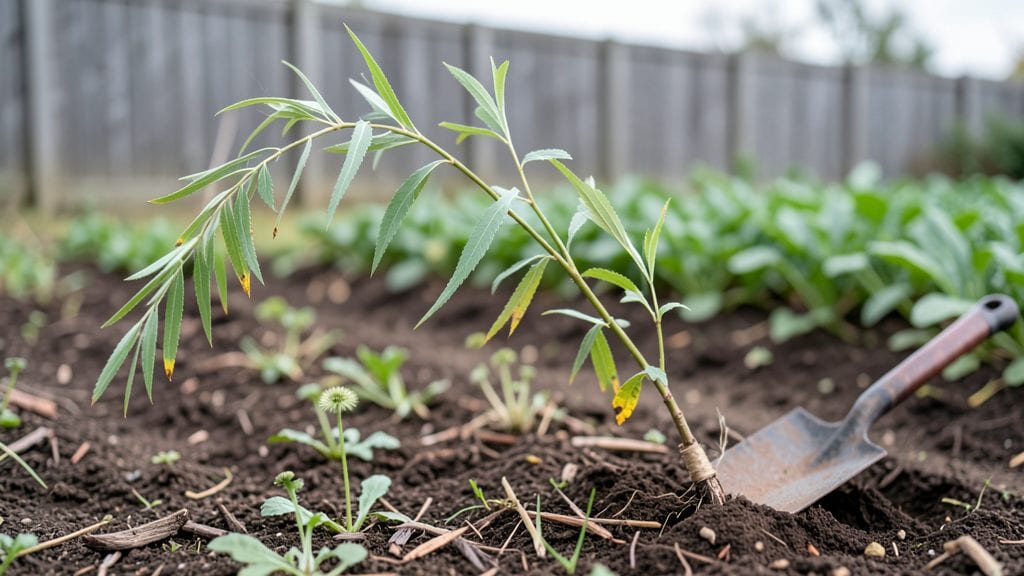
Planting willow trees unlocks a dramatic, fast-growing statement piece that thrives even when other trees struggle. 🌿 I’ve planted willows in everything from soggy backyards to dry riverbanks, and the right variety transforms any space with arching branches or fuzzy spring catkins.
The key isn’t just digging a hole—it’s matching the willow’s aggressive roots to your site’s moisture and space.
You’ll need a spot with 6+ feet of clearance (willows spread wider than they grow tall) and soil that stays damp but drains—think near ponds, rain gardens, or even urban stormwater swales.
Pussy willows handle wetter sites, while weeping willows prefer slightly drier ground. For the first year, focus on deep watering every 2-3 weeks (not daily light sprinkles) to encourage strong root systems.
By summer’s end, you’ll see 10-foot growth spikes if you prune correctly—three strategic trims (spring, summer, fall) keep the tree healthy and manageable. The trade-off? Willow roots can outcompete nearby plants, so plan for barriers if you’re not planting it as a standalone feature.
Think of it as a living sculpture with built-in privacy.
Advanced tip: Mulch heavily (3-4 inches) to suppress weeds and retain moisture, but keep mulch 6 inches away from the trunk to prevent rot. For invasive varieties, consider root barriers or regular pruning to control spread. The payoff? Year-round interest with minimal effort once established.
📚 In This Guide
- What you need
- Instructions
- Tips and common mistakes
- Wrapping up and next steps
What you need
- ● Willow tree saplings: 1–3 (bare-root or container-grown, depending on size; choose fast-growing varieties like Salix babylonica or Salix fragilis for year-round growth).
- ● Planting hole: 2–3 times wider than the root ball and equally deep (dig with a shovel or spade).
- ● Native soil or compost mix: 1–2 bags (amend heavy clay soil with sand or peat moss for better drainage).
- ● Mulch: 2–3 inches of organic mulch (straw, wood chips, or shredded bark) to retain moisture and suppress weeds.
- ● Watering can or hose: With a gentle spray nozzle for post-planting hydration.
- ● Garden gloves: 1 pair (to protect hands from thorns or rough bark).
- ○ Stakes (optional but recommended for young trees): 2–4 wooden or metal stakes + soft ties (e.g., tree straps or old T-shirts).
- ● Pruning shears: Sharp, bypass-style shears (for trimming dead branches post-planting).
- ● Trowel or hand fork: For loosening soil around roots.
- ○ Soil pH test kit (optional): Willow trees prefer slightly acidic to neutral soil (pH 6.0–7.5).
- ○ Fertilizer (optional): Slow-release, balanced fertilizer (10-10-10) if planting in poor soil.
- ○ Tree guard (optional): Protective wrap for young trunks if deer or rabbits are a concern.
Step-by-Step guide to planting a willow tree
Here's how to establish a thriving willow with minimal fuss—just follow these precise steps.
🌱 Step 1: Select the Right Willow Variety and Planting Site
Willows thrive in moist, well-drained soil with full sun to partial shade. Choose a location near a water source—willows love moisture but won’t tolerate standing water. For 4 trees, select disease-resistant varieties like Salix babylonica (weeping willow) or Salix discolor (pussy willow) for ornamental appeal.
Test your soil’s moisture retention by digging a 6-inch hole. If water drains within 10 minutes, amend with 2 inches of compost to improve water-holding capacity. Avoid low spots where water pools—willows need consistent moisture, not soggy roots.
🪴 Step 2: Prepare the Planting Hole and Acclimate the Tree
Dig a hole twice as wide as the tree’s root ball but only as deep—willows dislike being buried too deeply, which can suffocate roots. Loosen the sides of the hole with a shovel to encourage root spread. If planting in hot weather, soak the root ball in water for 1-2 hours before handling.
Gently remove the tree from its container and tease the roots outward if they’re circling. Place it in the hole so the top of the root ball sits 1-2 inches above ground level. This prevents soil from washing into the graft union over time. Fill the hole halfway with native soil, then water deeply to settle it.
☀️ Step 3: Plant and Stake for Stability
Backfill the hole with remaining soil, pressing lightly to eliminate air pockets but not compacting too firmly. Create a 2-inch-high berm around the base to direct water toward the roots. Insert 2 wooden stakes on opposite sides of the tree, 6 inches from the trunk, and secure with flexible ties—willows grow fast and need support.
Water immediately after planting to encourage root contact with soil. Use 5 gallons of water to saturate the root zone. Mulch with 3 inches of organic mulch (like wood chips) within the dripline, keeping it 6 inches away from the trunk to prevent rot.
✂️ Step 4: First Pruning and Initial Care
Prune only to remove any broken or crossing branches—willows grow aggressively and don’t need heavy pruning early on. Focus on shaping the tree’s natural form. Water deeply once a week for the first 2 months, then reduce to every 10-14 days once established, unless drought occurs.
Fertilize lightly in spring with a balanced 10-10-10 fertilizer (use ½ cup per tree). Willows fix nitrogen naturally but benefit from phosphorus for root growth. Avoid over-fertilizing—too much nitrogen encourages weak, fast growth prone to breakage.
⏰ Step 5: Year-Round Maintenance for Healthy Growth
Willows grow 3-6 feet per year, so plan for regular trims. In late winter, prune to remove 20% of the previous year’s growth to maintain shape and encourage branching. In summer, trim any suckers or unwanted shoots at the base to redirect energy to the main trunk.
Monitor for pests like aphids or willow sawfly larvae—treat with neem oil if needed. Willows are generally low-maintenance but reward consistent care with lush foliage and rapid growth. With these steps, your willow will establish strong roots and thrive for decades.
Tips & tricks for perfect willow tree planting
These game-changing strategies will help you establish a willow tree that grows strong and healthy for decades—no guesswork required.
Soil Preparation Secret: The 10-minute water drainage test in Step 1 is your best indicator of soil readiness. If water drains too quickly, your willow won't get enough moisture—amend with compost to improve water retention. I've seen willows fail in sandy soil because they couldn't hold moisture long enough, even with regular watering.
Root Ball Acclimation: That 1-2 hour soaking in hot weather (Step 2) isn't just about hydration—it's about preventing transplant shock. The roots need time to absorb water before handling. I learned this the hard way when a willow I planted in summer wilted because the roots were still dry from the container. Always check if the root ball feels heavy with moisture before planting.
Staking Strategy: The 6-inch distance from trunk when staking (Step 3) might seem arbitrary, but it's crucial. Too close and you'll girdle the trunk as it grows; too far and the stakes won't provide proper support. Use flexible ties that won't cut into the bark—willow bark is delicate. I recommend updating these ties annually as the trunk grows.
Pruning Precision: When removing 20% of last year's growth in late winter (Step 5), focus on branches growing inward or crossing others first. Willow wood is brittle when dry, so make clean cuts just outside the branch collar. I've seen willows develop weak crotches from improper pruning—always cut at the right angle to promote healthy regrowth.
Pro Tips for Willow Tree Planting
- These game-changing strategies will help you establish a willow tree that grows strong and healthy for decades—no guesswork required.
- Soil Preparation Secret: The 10-minute water drainage test in Step 1 is your best indicator of soil readiness.
- Root Ball Acclimation: That 1-2 hour soaking in hot weather (Step 2) isn't just about hydration—it's about preventing transplant shock.
Frequently asked questions
Got questions about planting willow trees?
Here are answers to the most common ones—whether you're a beginner or just looking to refine your approach.
When is the best time to plant a willow tree?
The ideal time is early spring or fall when temperatures are mild. Willow trees thrive in moist soil, and planting during these seasons gives roots time to establish before extreme heat or frost. Avoid planting in winter (risk of freeze damage) or peak summer (drought stress).
How much water does a willow tree need after planting?
Willows are water-loving! Keep soil consistently moist (not soggy) for the first 2–3 weeks by watering deeply 2–3 times per week. After that, aim for 1–2 inches of water per week, especially in dry climates. Mulch around the base to retain moisture.
Can I plant a willow tree in a small yard or container?
Willows need space—most varieties grow 20–30 feet tall with sprawling roots. For small yards, choose dwarf varieties like Weeping Willow (Salix babylonica 'Tortuosa') or opt for container planting (use a large pot with drainage and repot every 2–3 years). Roots can damage pipes or foundations, so avoid planting near structures.
Why is my willow tree’s leaves turning yellow?
Yellow leaves often signal overwatering, nutrient deficiency, or fungal issues. Check soil moisture—willows hate "wet feet." If roots are waterlogged, improve drainage. Yellowing can also mean iron deficiency (common in alkaline soil); test soil and amend with chelated iron if needed. Fungal diseases (like leaf spot) may require fungicide.
How fast do willow trees grow, and do they need staking?
Willows are fast growers—some species add 3–6 feet per year! Young trees (under 2 years) may need staking in windy areas to prevent toppling. Use 3–4 stakes tied loosely with soft material (like tree ties) to avoid girdling. Remove stakes once the tree is stable (usually by year 2).
Wrapping up and next steps
Planting a willow tree is a rewarding way to add beauty, privacy, and year-round growth to your landscape—and with the right trims, you’ll keep it thriving all season long! 🌿 Whether you’re a seasoned gardener or just starting, willows are adaptable and forgiving, making them a fantastic choice for both beginners and pros.
Now that you’ve got the tools, timing, and techniques down, why not take the next step?
🌱 Ready to Plant?
Start by choosing your perfect spot, gathering your supplies, and scheduling those three key trims to keep your willow healthy and lush. Happy planting—your future shady oasis awaits! 🌳✨