
Companion Plants
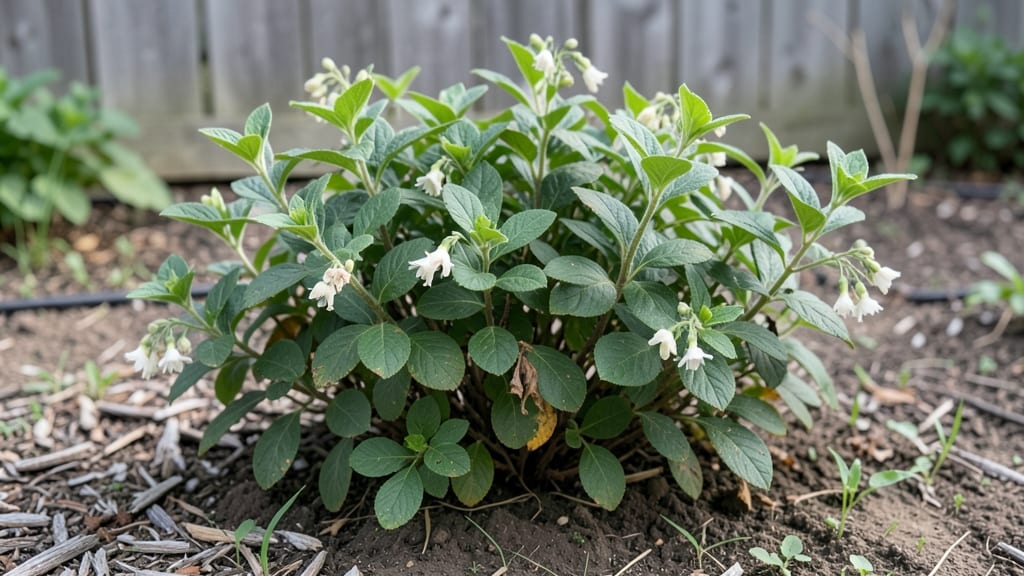
Growing Dimeo blueberry plants means foolproof harvests with bushes that practically take care of themselves. I planted mine last spring, and within two seasons, I was drowning in sweet, firm berries—no fussing with heavy pruning or finicky pollination.
The secret lies in their compact growth habit and cold-hardy roots, which let them focus energy on fruit instead of sprawling branches.
These bushes thrive in zones 4-8, making them one of the most adaptable varieties for northern gardeners. You’ll need well-draining soil with a pH between 4.5 and 5.5—think of it as mimicking their natural bog habitat.
A 5-gallon pot works for containers, while in-ground plants spread about 3-4 feet wide, leaving plenty of room for companion plants like ferns or strawberries. The real game-changer? They produce 2-3 pounds of berries per bush with almost no pruning after the first year.
Watering is the only regular task—keep the soil consistently moist but not soggy, especially during fruit set. Once established, they handle drought better than most varieties, but the first two years are critical. You’ll taste your first berries in 2-3 years, and the flavor?
A perfect balance of sweet and tart, with skin that stays intact through picking. The bushes even resist common diseases like botrytis, so you spend less time spraying and more time enjoying the harvest.
Here’s where it gets interesting—Dimeo bushes are self-pollinating, meaning you don’t need a second plant for a full crop. That’s a huge win for small spaces or urban gardens. Pair them with companion plants like thyme or comfrey to boost soil health and deter pests naturally.
The only real mistake I’ve seen? Over-pruning young bushes, which delays fruiting. Let them grow naturally, and you’ll have a low-maintenance berry producer for decades.
📚 In This Guide
- What you need
- Instructions
- Tips and common mistakes
- Wrapping up and next steps
What you need
- ● Dimeo blueberry plants: 1–3 bare-root or potted plants (choose based on garden space)
- ● Well-draining soil: 1–2 cubic yards of acidic soil mix (pH 4.5–5.5) or peat moss/perlite blend
- ● Compost or organic matter: 5–10 gallons to enrich soil fertility
- ● Fertilizer: Acid-loving plant fertilizer (e.g., 10-10-10 or organic options like cottonseed meal)
- ● Mulch: 2–3 inches of pine bark, wood chips, or pine needles (keeps roots cool and acidic)
- ● Watering can or hose: With a gentle spray nozzle for hydration
- ● Gloves & pruning shears: Sterilized shears for minimal pruning (if needed)
- ● pH test kit: To monitor soil acidity (critical for blueberry health!)
- ● Drip irrigation system: For consistent moisture (especially in hot climates)
- ● Blueberry companion plants: Rhododendrons, azaleas, or ferns (they thrive in similar conditions!)
- ● Row cover or netting: Protects from birds if growing in fruit-bearing stages
Instructions for planting and maintaining Dimeo blueberry bushes
Here’s how to establish healthy, low-maintenance Dimeo blueberry bushes that produce abundant fruit with minimal pruning.
Choose the Perfect Planting Location and Soil Conditions
Dimeo blueberries thrive in acidic soil with a pH between 4.5 and 5.5. Before planting, test your soil—if it’s too alkaline, amend it with sulfur or peat moss to lower the pH. These bushes also need full sun exposure, meaning at least 6 to 8 hours of direct sunlight daily. If your yard is shaded, consider planting them near a south-facing wall or fence to maximize light.
Dig a hole twice as wide as the root ball but no deeper. This encourages roots to spread outward rather than settling too low, which can lead to poor drainage. Loosen the sides of the hole with a garden fork to help roots penetrate the surrounding soil more easily. If your native soil is heavy clay, mix in 20% perlite or coarse sand to improve drainage.
Plant with Care to Ensure Strong Root Establishment
Remove the Dimeo blueberry bush from its container and gently loosen the roots if they’re circling. Place the plant in the hole so the top of the root ball sits level with the surrounding soil—burying it too deep can suffocate the plant, while planting too shallow exposes roots to drying out. Backfill the hole with the amended soil, pressing lightly around the edges to eliminate air pockets.
Water deeply right after planting to settle the soil and eliminate air gaps. Use 1 to 2 gallons of water per plant, enough to soak the root zone thoroughly. Mulch around the base with 2 to 3 inches of pine bark or wood chips, keeping the mulch 6 inches away from the trunk to prevent rot. This mulch layer helps retain moisture and gradually acidifies the soil as it breaks down.
Water Consistently During the First Growing Season
Dimeo blueberries are drought-tolerant once established, but young plants need consistent moisture to develop strong roots. Water deeply once a week, providing 1 to 1.5 gallons per plant, unless rainfall exceeds 1 inch. Overwatering is just as harmful as underwatering—soil should feel moist but not soggy when checked 1 inch below the surface. A soaker hose or drip irrigation system works best to deliver water directly to the root zone without wetting the foliage.
Monitor the soil moisture closely during the first two growing seasons. If leaves begin to curl or yellow, it’s a sign of either underwatering or overwatering. Adjust your watering schedule based on rainfall and seasonal temperatures—hotter weather will require more frequent watering, while cooler, cloudy days may reduce the need.
Apply Fertilizer and Monitor for Nutrient Needs
Dimeo blueberries benefit from acid-loving plant fertilizer applied in early spring before new growth begins. Use a balanced, slow-release fertilizer with a 10-10-10 or 8-3-9 ratio, but reduce the nitrogen slightly if your soil is already rich in organic matter. Spread 1 to 2 pounds of fertilizer per 100 square feet around the drip line of the plant, then water deeply to help it dissolve into the soil.
In late summer or early fall, incorporate 2 to 3 inches of compost or well-rotted leaf mold into the soil around the base of the plant. This adds organic matter and slowly releases nutrients, improving soil structure and acidity over time. Avoid high-nitrogen fertilizers in the fall, as they encourage late-season growth that won’t harden off before winter.
Prune Strategically to Encourage Fruit Production
Dimeo blueberries require minimal pruning compared to other varieties, but strategic cuts promote better air circulation and fruit production. In late winter or early spring, remove any dead, diseased, or crossing branches at the base. Cut back to a healthy bud or branch junction, using clean, sharp pruners to prevent tearing the bark. Avoid heavy pruning—never remove more than one-third of the plant’s canopy in a single season.
Focus on thinning out overcrowded branches to improve sunlight penetration. Older canes (those more than 5 years old) can be removed entirely to rejuvenate the bush. Prune just after the harvest season if needed, but avoid heavy cuts in late summer, as new growth won’t harden off before winter. A lightly pruned Dimeo bush will produce abundant, high-quality berries with minimal effort.
Tips & tricks for perfect Dimeo blueberry plant care
These essential insights will help you cultivate thriving Dimeo blueberry bushes that require minimal pruning while maximizing fruit production.
Soil Preparation Insight: When amending your soil with sulfur or peat moss to achieve that critical pH of 4.5-5.5, test your soil first using a simple home test kit. I've found that many garden soils need more sulfur than expected—sometimes up to twice the recommended amount—to reach the proper acidity level. The goal is gradual adjustment over several weeks rather than sudden pH shifts that can stress the plant roots.
Root Establishment Technique: The key to successful planting lies in that all-important root ball positioning. After placing your Dimeo bush in the hole, press the surrounding soil firmly but gently—this eliminates air pockets that can suffocate roots. I've discovered that using your hands to gently compress the soil around the edges creates better contact than simply shoveling backfill. This simple technique can make the difference between a struggling plant and one that thrives from day one.
Watering Strategy: The one-week watering schedule in Step 3 works beautifully, but I've learned to adjust based on seasonal conditions. During summer heatwaves, I increase to twice-weekly watering while maintaining the 1-1.5 gallon per plant guideline. The secret is checking soil moisture at that crucial 1-inch depth—if it's dry, water; if it's damp, wait. This approach prevents both underwatering and overwatering, both of which can cause leaf curling and yellowing.
Pruning Precision: When pruning in late winter or early spring, focus on creating an open center rather than just removing dead branches. I've found that cutting back to the first outward-facing bud rather than just any bud encourages better fruit production. This technique opens up the canopy for better air circulation and sunlight penetration, which directly translates to higher-quality berries. Remember, you're shaping the plant's future growth pattern with each cut.
Pro Tips for Dimeo Blueberry Plants
- These essential insights will help you cultivate thriving Dimeo blueberry bushes that require minimal pruning while maximizing fruit production.
- Soil Preparation Insight: When amending your soil with sulfur or peat moss to achieve that critical pH of 4.5-5.5, test your soil first using a simple home test kit.
- Root Establishment Technique: The key to successful planting lies in that all-important root ball positioning.
Frequently asked questions
Got questions about growing Dimeo blueberry plants? You’re not alone!
Here are the most common queries—plus straightforward answers—to help you cultivate thriving bushes with ease.
What’s the best climate for Dimeo blueberry plants?
Dimeo blueberries thrive in USDA Zones 5-9 and prefer cool summers (ideal temps: 60–85°F). They tolerate light frost but need 6+ hours of sunlight daily. If you’re in a hotter zone, provide afternoon shade to prevent stress.
How long does it take for Dimeo blueberries to bear fruit?
Patience is key! With proper care, expect berries in 2–3 years for container-grown plants or 3–5 years for in-ground bushes. Early blooms may need frost protection—cover plants if temps dip below 28°F.
Can I grow Dimeo blueberries in containers? If so, what size pot?
Use a 15–20 gallon pot with drainage holes and acidic soil (pH 4.5–5.5). Ensure the container is at least 18 inches deep—shallow pots stunt root growth. Repot every 2–3 years for optimal health.
Why aren’t my Dimeo blueberries pollinating? Do I need a second plant?
Dimeo is self-pollinating, but cross-pollination boosts yield. Plant a second variety (like ‘Duke’ or ‘Top Hat’) nearby for better fruit set. Poor pollination can also stem from lack of bees—plant companion flowers (like lavender) to attract them!
How do I prune Dimeo blueberries with minimal effort?
Focus on removing dead wood and crowded stems in late winter/early spring. Skip heavy pruning—Dimeo bushes handle light trimming better. Aim to keep the center open for airflow and sunlight. Never prune after harvest to avoid stress.
What pests or diseases should I watch for?
Common issues include blueberry maggots (use row covers) and fungal diseases (like botrytis). Prevent problems with mulch, proper spacing, and copper fungicide if needed. Avoid overhead watering to keep foliage dry.
Wrapping up and next steps
Growing Dimeo blueberry plants is a rewarding journey that blends ease with delicious results! These low-maintenance bushes thrive with minimal pruning, making them perfect for both novice and seasoned gardeners. Whether you’re aiming for a bountiful harvest or simply enhancing your garden’s beauty, Dimeo blueberries deliver without the fuss.
Ready to get started? Plant your Dimeo blueberries today—your future self (and taste buds!) will thank you. 🌱💙 Explore our full guide for step-by-step planting and care tips to ensure your bushes flourish year after year!