
Pruning
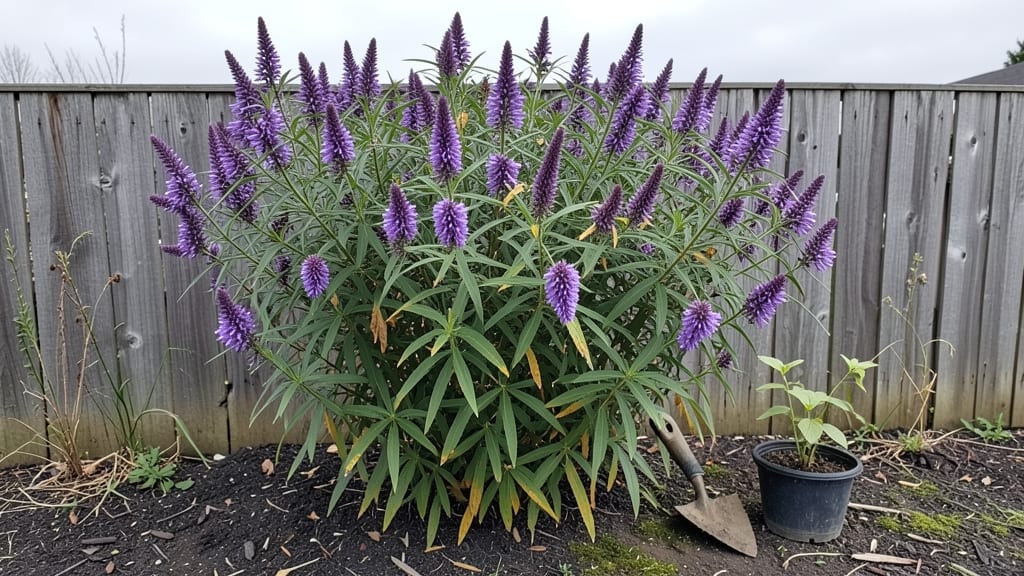
Mastering butterfly bush planting and care turns your yard into a pollinator paradise overnight—watch these hardy shrubs bloom into a buzzing, fluttering haven for butterflies, bees, and hummingbirds with minimal effort. The secret lies in understanding their three key seasons: planting, growth, and dormancy.
You’ll need well-draining soil, full sun (at least 6 hours daily), and a spot with room to grow—these shrubs can reach 6-10 feet tall. Water deeply after planting, then let the roots establish before cutting back on moisture.
Pruning in late winter or early spring keeps them bushy and blooming reliably, while avoiding fall cuts prevents winter dieback.
By summer, you’ll see waves of fragrant purple, pink, or white flowers that never stop attracting wildlife. The foliage stays lush even in heat waves, and with minimal pest issues, these shrubs reward patience with years of effortless beauty.
The real magic happens when monarchs and swallowtails descend—it’s like hosting a free, living show every afternoon.
Works in zones 5-9, from city patios to rural fields, and thrives with almost no maintenance once established. Here’s how to make yours a pollinator powerhouse without the guesswork.
📚 In This Guide
- What you need
- Instructions
- Tips and common mistakes
- Wrapping up and next steps
What you need
- ● Butterfly bush plants: 1-3 nursery-grown plants (choose Buddleia davidii or hybrid varieties like 'Lo & Behold®' for low-maintenance growth).
- ● Well-draining soil: Mix 1 part native soil with 1 part compost (avoid heavy clay—amend with perlite or sand if needed).
- ● Organic fertilizer: 5-10-5 or 10-10-10 NPK ratio (slow-release granules or liquid feed).
- ● Mulch: 2-3 inches of shredded bark or wood chips (retains moisture and regulates soil temp).
- ● Watering can or hose: With a gentle spray nozzle (avoid blasting roots).
- ● Gloves and pruning shears: Bypass pruners (sharp, clean) for trimming.
- ● Trowel or spade: For digging holes (depth = 2x wider than root ball).
- ○ Staking (optional): 3-4 bamboo stakes + twist ties if planting in windy areas.
- ○ Soil pH tester (optional): Butterfly bushes thrive in slightly alkaline soil (pH 6.0-7.0).
- ○ Drip irrigation system (optional): For consistent moisture (especially in dry climates).
- ○ Plant support cage (optional): For heavy bloomers like 'Black Knight' variety.
Step-by-step instructions for planting and caring for butterfly bushes
Here's how to establish a vibrant butterfly magnet that thrives through all seasons with minimal fuss.
Select and Prepare the Planting Site
Butterfly bushes thrive in full sun—choose a location receiving at least 6-8 hours of direct sunlight daily. They tolerate a range of soil types but perform best in well-draining soil with a pH between 6.0 and 7.0. If your soil is heavy clay, amend it with 2-3 inches of compost mixed into the top 12 inches of soil to improve drainage and fertility.
Dig a hole twice as wide as the root ball but only as deep. This encourages roots to spread horizontally rather than settling too low, which can cause waterlogging. Gently loosen the roots of container-grown plants before placing them in the hole to prevent circling, which restricts growth. Backfill with the native soil, firming it lightly around the base to eliminate air pockets.
Plant and Water for Initial Establishment
Position the butterfly bush so the top of the root ball sits 1 inch below the soil line—this prevents stem rot while allowing roots to access moisture. Water deeply immediately after planting to settle the soil and eliminate air gaps. Use 5-7 gallons of water to thoroughly moisten the root zone, ensuring water drains freely from the bottom of the hole.
Mulch around the base with 2-3 inches of organic mulch, keeping it 6 inches away from the stem to prevent rot. Water 2-3 times per week for the first 4-6 weeks to encourage strong root development. Avoid overhead watering, which can spread fungal diseases. You'll know the plant is establishing well when new leaves emerge within 2-3 weeks and stems begin to elongate.
Prune for Shape and Seasonal Health
Prune butterfly bushes in early spring, just as new growth begins, to shape the plant and encourage dense flowering. Remove dead, damaged, or crossing branches first, then cut back the previous year’s growth by one-third to promote bushier growth. Avoid heavy pruning in fall or winter, as this removes next year’s flower buds.
After the first flush of blooms fades in mid-summer, trim back one-third of the oldest stems to stimulate a second round of flowering. This keeps the plant compact and productive. Use clean, sharp pruners to make cuts at a 45-degree angle just above a leaf node or bud. Disinfect your tools with rubbing alcohol between cuts to prevent disease transmission.
Fertilize and Monitor for Pests
Apply a balanced, slow-release fertilizer (10-10-10) in early spring and again in mid-summer to support vigorous growth and abundant blooms. Follow package instructions for application rates, typically 1 pound per 100 square feet. Over-fertilizing can lead to excessive leafy growth at the expense of flowers, so avoid heavy applications in fall.
Watch for aphids, spider mites, or Japanese beetles, which commonly target butterfly bushes. Treat infestations early with neem oil or insecticidal soap, applying in the early morning or evening to avoid harming beneficial pollinators. Healthy plants are less susceptible to pests, so prioritize proper watering, pruning, and soil health to maintain resilience.
Prepare for Winter Dormancy
Butterfly bushes are hardy in USDA zones 5-9, but young plants or those in colder microclimates benefit from winter protection. Apply a 3-4 inch layer of mulch around the base in late fall to insulate roots and retain moisture. Avoid heavy mulching in spring, as it can delay soil warming and slow early growth.
Prune lightly in late winter to remove any dead or weak stems before new growth begins. This keeps the plant tidy and prepares it for the growing season. Resist the urge to prune heavily in winter, as the plant relies on dormant buds to produce spring blooms. With proper care, your butterfly bush will reward you with vibrant flowers and fluttering visitors for years to come.
Tips & tricks for perfect butterfly bush planting and care
Transforming your garden into a butterfly haven starts with these essential insights that will ensure your butterfly bush thrives from planting through winter dormancy.
Sunlight is Non-Negotiable: While the instructions specify 6-8 hours of direct sunlight, I've found that southern exposures often receive more intense light than northern exposures. If your location gets less than 6 hours, consider supplementing with a nearby reflective surface like a light-colored wall or decorative stones to maximize sunlight exposure. This subtle adjustment can make a noticeable difference in bloom production, especially in the first growing season.
Soil Amendments That Make All the Difference: When preparing your planting site, I recommend testing your soil pH before amending. If your soil tests below 6.0, you'll need to raise the pH by mixing in lime according to package instructions. For heavy clay soils, I've had success using a combination of compost and perlite (1 part perlite to 3 parts compost) to improve drainage while maintaining moisture retention. This blend creates an ideal environment for root development during that critical first 6-week establishment period.
Watering Wisdom for Long-Term Health: The instructions specify watering 2-3 times per week for the first 4-6 weeks, but I've learned that timing matters just as much as frequency. Water in the early morning to allow foliage to dry completely before evening, which significantly reduces the risk of fungal diseases. For container-grown plants, I increase watering to daily during the first week to prevent transplant shock, then gradually reduce to the recommended schedule once new growth appears.
Pruning Precision Pays Off: When pruning in early spring, I recommend using a permanent marker to label branches before making cuts. This helps you visualize the plant's structure and ensures you're cutting back the correct stems. For the mid-summer pruning, focus on removing stems that are woody or have lost their vigor - these are typically the oldest stems that have already produced flowers. This selective approach maintains the plant's natural shape while encouraging that second flush of blooms without sacrificing next year's flower buds.
Pro Tips for Butterfly Bush Planting And Care
- Transforming your garden into a butterfly haven starts with these essential insights that will ensure your butterfly bush thrives from planting through winter dormancy.
- Sunlight is Non-Negotiable: While the instructions specify 6-8 hours of direct sunlight, I've found that southern exposures often receive more intense light than northern exposures.
- Soil Amendments That Make All the Difference: When preparing your planting site, I recommend testing your soil pH before amending.
Frequently asked questions
Got questions about keeping your butterfly bush thriving? Here are some of the most common ones—plus quick answers to help you garden with confidence!
When is the best time to plant a butterfly bush?
The ideal time to plant is in early spring (after the last frost) or early fall (4-6 weeks before frost). This gives roots time to establish before extreme temperatures. If you must plant in summer, water deeply and mulch to retain moisture.
Why aren’t butterflies visiting my butterfly bush?
Butterflies love nectar-rich blooms—ensure your bush is in full sun (6+ hours/day) and well-watered. Deadhead spent flowers to encourage new blooms. If pests (like aphids) are present, they may avoid the plant. Try companion planting with milkweed or coneflowers to attract more pollinators!
How often should I prune my butterfly bush?
Prune twice a year: Late winter/early spring (before new growth) to shape and remove dead wood, and mid-summer (after flowering) to promote bushier growth. Avoid heavy pruning in fall—it can stunt winter hardiness.
How much water does a butterfly bush need?
Young plants need 1-2 inches of water weekly, while established bushes are drought-tolerant. Water deeply 1-2 times per week in dry spells, but avoid soggy soil. Mulch around the base to retain moisture and regulate soil temperature.
What’s a good alternative if I don’t want a butterfly bush?
Try these pollinator-friendly alternatives:
- Butterfly weed (Asclepias tuberosa) – Drought-resistant and attracts monarchs.
- Russian sage (Perovskia atriplicifolia) – Low-maintenance with long-lasting blooms.
- Coneflower (Echinacea) – Hardy and loved by bees and butterflies.
Wrapping up and next steps
Planting and caring for a butterfly bush is a rewarding journey that brings vibrant color and life to your garden while supporting pollinators! 🌸 With the right location, seasonal pruning, and maintenance, your bush will thrive year-round, offering stunning blooms and a haven for butterflies.
Whether you’re a beginner or a seasoned gardener, these steps will set you up for success.
Ready to transform your space? Start by choosing your variety and marking your planting spot—then grab your tools and get growing! For extra tips, explore our guide on seasonal butterfly bush care to keep your garden flourishing all year.