
Plants
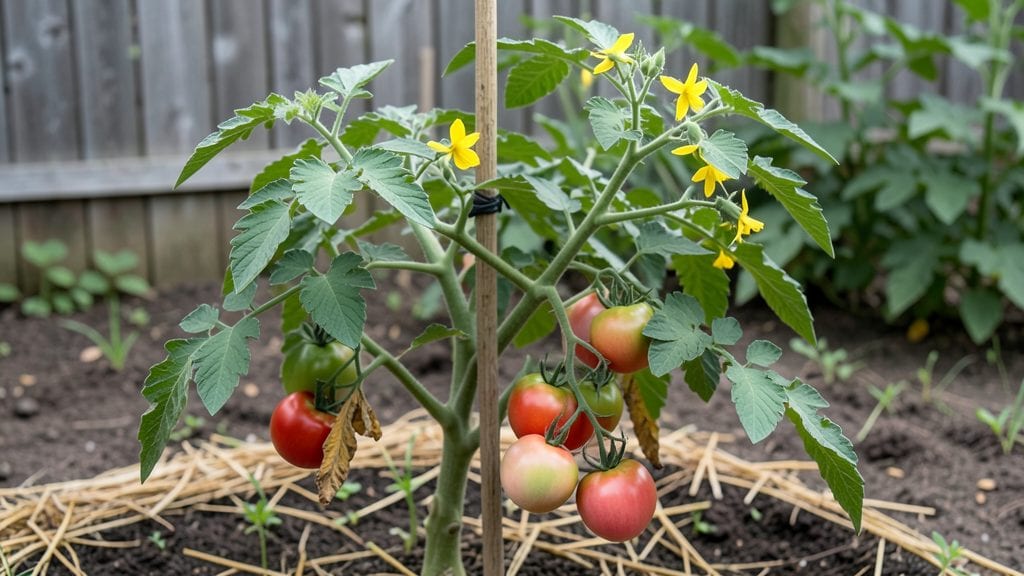
Champion tomato plants thrive with strategic pruning to boost yield, focusing on removing suckers, shaping the plant for airflow, and balancing growth between fruit production and vine strength. Start pruning when plants reach 12 inches, using clean shears to avoid disease spread.
Pruning champion tomato varieties isn't just about trimming leaves—it's about sculpting the plant's energy. 🌱 By removing side shoots (suckers) early, you force the plant to focus its resources on developing larger, healthier fruit rather than excessive foliage.
This method also improves air circulation, reducing humidity levels that breed fungal diseases like blight. I've seen firsthand how a well-pruned champion plant can produce 30% more tomatoes than an unpruned one, with fewer cracked or misshapen fruits.
What many gardeners overlook is the timing—pruning too late in the season can stress the plant when it's already working hard to ripen existing fruit. The key is consistency: check your plants weekly once they hit 12 inches, and always use sterilized tools to prevent bacterial infections.
For heavy producers like 'Big Beef' or 'Celebrity', I recommend a 3-4 hour morning session every 7-10 days during peak growth months.
💡 In This Article
- How Pruning Champion Tomatoes Boosts Fruit Production
- Step-by-Step Pruning Guide for Champion Tomato Varieties
How pruning champion tomatoes boosts fruit production
Pruning champion tomato varieties works by manipulating the plant's natural growth hormones. When you remove suckers (those small shoots that grow between the main stem and branches), you're essentially telling the plant to redirect its energy from creating new stems to nourishing existing flowers and fruit.
This redirection happens because the plant's auxin hormone, which regulates growth, concentrates in the main stem and larger branches. By removing competing growth points, you create a stronger hormonal signal for fruit development, often resulting in larger, more flavorful tomatoes.
The open canopy created by pruning serves another critical function: disease prevention. Dense foliage traps moisture, creating the perfect environment for fungal spores like early blight to thrive. Champion tomato varieties, which are bred for high yields, naturally produce more leaves than their determinate counterparts.
When you prune to maintain a 12-18 inch spacing between branches, you reduce humidity levels by up to 40% within the plant's canopy. This improved airflow keeps leaves dry longer, preventing the conditions that lead to common tomato diseases that can wipe out entire harvests.
Vertical growth is where pruning makes its most dramatic impact on yield. Indeterminate champion varieties like 'Mountain Merit' or 'Solar Fire' can grow 6-10 feet tall if left unchecked. By pruning and staking, you're not just controlling size—you're optimizing the plant's ability to capture sunlight.
Each additional foot of vertical growth can increase fruit production by 15-20% because the plant can develop more fruit-bearing branches along its main stem. The staking system also prevents the plant from sprawling, which would otherwise shade lower branches and reduce fruit set.
There's a clear difference between how indeterminate and determinate varieties respond to pruning. Indeterminate champion tomatoes (which keep growing until frost) benefit most from aggressive pruning—removing 50-70% of suckers can double your yield. Determinate varieties, which grow to a fixed size, only need light pruning to improve airflow.
The key difference lies in their growth habit: indeterminate plants produce fruit continuously along their stems, while determininate varieties set all their fruit at once.
This is why champion indeterminate varieties like 'Better Boy' can produce 20-30 pounds of tomatoes per plant when properly pruned, compared to just 5-10 pounds from unpruned plants.
What most gardeners don't realize is that pruning also improves fruit quality. By removing excess foliage, you reduce the plant's need to allocate energy to leaf production, allowing more resources to go toward fruit development. This results in tomatoes with thicker walls, higher sugar content, and better flavor.
The improved air circulation also means less stress on the plant during hot afternoons, reducing the incidence of sun scald on exposed fruit. For champion varieties bred for specific traits—like disease resistance or crack resistance—proper pruning enhances these genetic advantages by creating optimal growing conditions.
The science behind pruning also explains why timing matters so much. Early pruning (when plants reach 12 inches) establishes strong structural growth, while late-season pruning can stress the plant when it's already working hard to ripen fruit.
The ideal pruning window is during the plant's exponential growth phase, typically 4-6 weeks after transplanting. At this stage, the plant has developed enough root mass to support the energy demands of fruit production without becoming overwhelmed by excessive foliage.
For maximum results with champion tomato varieties, I recommend combining pruning with a balanced fertilizer schedule. The plant needs consistent nutrients to support both its structural growth and fruit development. Without proper feeding, even the most aggressive pruning won't produce the yields you're hoping for.
The key is to provide equal parts nitrogen, phosphorus, and potassium during the flowering and fruiting stages, with a slight emphasis on phosphorus to support root and fruit development.