
Pruning
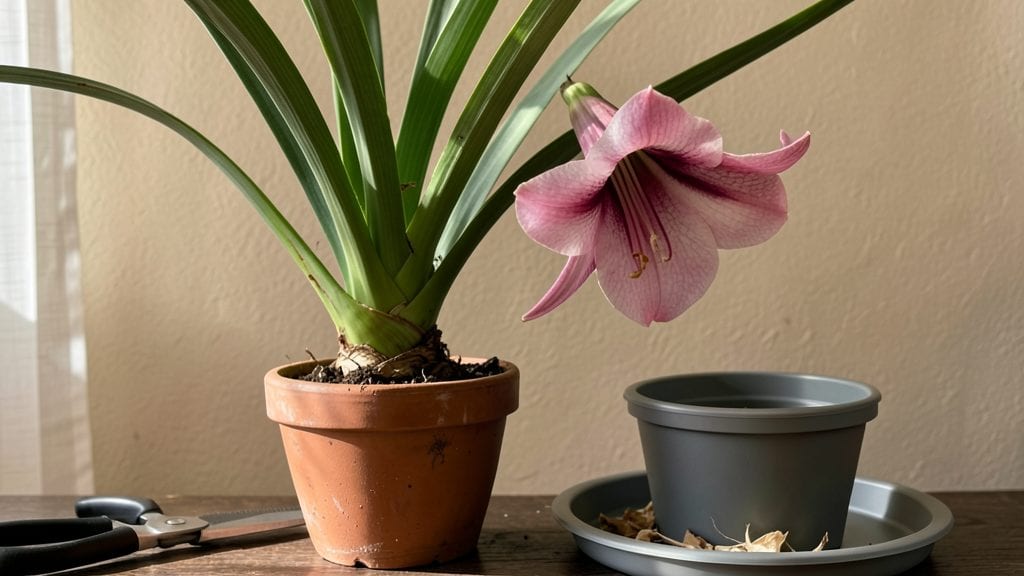
Pruning amaryllis plants after blooms is the secret to stronger stems and bigger flowers next year. ✨ I’ve watched my own amaryllis go from sad, leafless bulbs to dramatic 3-foot spikes by simply cutting back the right way—and it only takes 10 minutes.
The key is patience: you’re not killing the plant, you’re redirecting its energy into next season’s showstopper blooms.
You’ll need sharp scissors or pruners, a clean cutting surface, and a little confidence. Most people overdo it by cutting too much foliage, but amaryllis stores energy in its leaves—keep them until they yellow naturally.
After blooms fade, trim the flower stalk at the base, but leave the leaves alone until they’re completely crispy. This simple approach turns a one-time bloomer into a reliable seasonal performer.
By late summer, you’ll see new growth pushing through the soil, and those leaves will be working overtime to fatten up the bulb for next spring’s blooms. The plants stay healthier, bloom more reliably, and even handle indoor conditions better.
Just avoid the urge to prune too early—the timing makes all the difference between a thriving plant and a struggling one.
Works for both potted amaryllis and those in the ground, though container plants give you more control over water and light. The same principles apply whether you’re dealing with a single bulb or a whole collection. Here’s exactly how to do it without a single guess.
📚 In This Guide
- What you need
- Instructions
- Tips and common mistakes
- Wrapping up and next steps
What you need
- ● Clean, sharp pruning shears or scissors – Sterilized with rubbing alcohol to prevent disease.
- ● Disposable gloves – Protects your hands from sap and dirt.
- ● Rubbing alcohol (70% or higher) – 1 small bottle (4 oz) for sterilizing tools.
- ● Newspaper or paper towels – 1-2 sheets for cleanup and catching debris.
- ● Well-draining potting mix – 1 small bag (5-10 lbs) if repotting is needed.
- ● Amaryllis plant – Healthy or overgrown (the star of the show!).
- ● Rooting hormone – Small packet to encourage faster regrowth if cutting foliage for propagation.
- ● Small pots (3-4 inches wide) – 1-2 pots if propagating from cuttings.
- ● Plant food (balanced fertilizer) – 1 small bottle to nourish post-pruning.
- ● Spray bottle with water – For misting foliage if your home is dry.
Step-by-Step instructions for pruning amaryllis plants
Here's how to revive your amaryllis and set it up for stunning blooms next season.
✂️ Step 1: Wait Until the Right Time
Prune your amaryllis only after the blooms have fully faded and the flower stalk has turned brown or yellow. This usually happens about 6-8 weeks after the flowers appear. Cutting too early removes the plant's energy storage system, while waiting too long can leave it vulnerable to pests.
Use clean, sharp pruning shears or scissors to make your cuts. I like to sterilize my tools with rubbing alcohol first—this prevents spreading any hidden diseases between plants. Look for the spot where the flower stalk meets the base of the bulb, and cut about ½ inch above it.
🌱 Step 2: Trim the Foliage Strategically
Once the flower stalk is removed, focus on the leaves. Wait until they start turning yellow or brown before cutting them back. Healthy green leaves continue photosynthesizing, which feeds the bulb for next season's growth. Only remove one-third of the leaves at a time if they're still vibrant.
For yellowed or damaged leaves, cut them back to about 2-3 inches above the bulb. This prevents the plant from wasting energy maintaining dead foliage. I usually do this in stages over a few weeks, giving the plant time to adjust. Never remove all the leaves at once—this shocks the bulb and reduces next year's blooms.
💧 Step 3: Reduce Watering and Fertilize Lightly
After pruning, reduce watering to about once every 2-3 weeks until new growth appears in spring. Overwatering during dormancy causes bulb rot. Let the top 2-3 inches of soil dry out completely between waterings—stick your finger in the soil to check.
Apply a balanced, water-soluble fertilizer (like 10-10-10) at half-strength once a month during the dormant period. This gives the bulb a gentle nutrient boost without overstimulating growth. I like to fertilize right after watering to ensure the nutrients are absorbed properly.
☀️ Step 4: Provide Proper Light and Temperature
Place your pruned amaryllis in a spot with bright, indirect light—like an east or west-facing window. Direct sunlight can scorch the leaves, while too little light weakens the bulb. If your home is dim, a simple grow light for a few hours daily keeps the plant happy.
Keep the plant in a cool, dry spot with temperatures between 55-65°F during dormancy. Avoid drafts or sudden temperature swings, which stress the bulb. If you notice new growth starting in late winter, it's time to move the plant to a warmer spot and increase watering.
⏰ Step 5: Prepare for Next Season’s Growth
In early spring, when you see new shoots emerging, resume regular watering and fertilizing. Increase watering to once a week and fertilize every 2-3 weeks with a balanced fertilizer. This jumpstarts the bulb's energy reserves for another round of stunning blooms.
Repot your amaryllis every 2-3 years or when the bulb outgrows its container. Choose a pot just 1-2 inches larger in diameter than the bulb, and use fresh, well-draining potting mix. This gives the roots room to grow without overcrowding, which leads to fewer but larger flowers.
Tips & tricks for pruning amaryllis plants
Reviving your amaryllis after blooming takes patience, but these key strategies will ensure your plant thrives for next season's spectacular flowers. Here's what I've learned from years of growing these stunning plants.
Timing is Everything: The 6-8 week window after blooming is critical for amaryllis health. I've seen beginners cut too soon and end up with weak bulbs that never rebloom. Look for the flower stalk to turn completely brown and crispy before pruning—this signals the plant has redirected energy back to the bulb. If you're unsure, wait a few extra days rather than cutting too early.
Leaf Trimming Technique: When you're ready to trim leaves in Step 2, focus on removing only the yellowed or damaged ones. I make the mistake of cutting too much at once, which stresses the bulb. Instead, trim back to just 2-3 inches above the bulb and leave the rest—those green leaves are working hard to feed the bulb for next year's blooms. Think of it like a plant spa: you're removing the dead weight while keeping the healthy parts working.
Dormancy Care: During the reduced watering phase in Step 3, the top 2-3 inches of soil should feel completely dry between waterings. I test this by sticking my finger in the soil—if it feels damp, wait another week. This dry period mimics the plant's natural dormancy and prevents bulb rot. You can also move the pot to a cooler spot (55-65°F) to signal the plant it's time to rest.
Spring Revival: When you see those first green shoots in Step 5, it's time to bring your amaryllis back to life! I increase watering gradually—starting with once a week—and fertilize lightly to avoid shocking the emerging roots. The key is patience: don't rush the process by overwatering or overfertilizing. Your plant will thank you with bigger, more vibrant blooms next season.
Pro Tips for Pruning Amaryllis Plant
- Reviving your amaryllis after blooming takes patience, but these key strategies will ensure your plant thrives for next season's spectacular flowers.
- Timing is Everything: The 6-8 week window after blooming is critical for amaryllis health.
- Leaf Trimming Technique: When you're ready to trim leaves in Step 2, focus on removing only the yellowed or damaged ones.
Frequently asked questions
Got questions about pruning your amaryllis? You’re not alone! Here are some of the most common concerns—and their simple solutions—to keep your plant thriving.
When is the best time to prune amaryllis after blooming?
Prune your amaryllis after the flowers fade but before the foliage turns yellow. This usually means cutting the flower stalk (scape) at the base once blooms drop, while leaves stay green. Wait to trim leaves until they’re fully brown or wilted—this ensures energy is stored for next season’s growth! Pro tip: Never prune in the middle of the growing season.
Should I cut the leaves off my amaryllis after blooming?
No! Leaves are essential—they photosynthesize and feed the bulb for next year’s blooms. Only remove leaves when they’re completely yellow and crispy. If you cut them too soon, you’ll weaken the plant. Think of it like a hibernating bear: the leaves are its winter food stash!
What if my amaryllis doesn’t bloom after pruning?
No blooms? Don’t panic! Amaryllis often need 6+ weeks of 60°F+ temps and bright, indirect light to trigger flowering. Check for these red flags:
- Underwatering: Let soil dry slightly between waterings (but don’t drown it!).
- Temperature shock: Keep it away from drafts or cold windows.
- Lack of dormancy: Some bulbs need a short dry rest period (like 4–6 weeks) to rebloom.
Can I prune amaryllis stems while they’re still in bloom?
Yes, but only if the flower stalk is drooping or deadheaded blooms are unsightly. Cut the stalk just above a leaf node (the bump where leaves grow) to encourage a new bloom or leaf. Avoid trimming healthy stems—this can stress the plant. Bonus: Save cut blooms in water for a vase!
What’s the difference between pruning amaryllis indoors vs. outdoors?
Indoor amaryllis need gentler pruning—focus on deadheading and leaf cleanup. Outdoors (in zones 9–11), you can cut back foliage after the first frost, but mulch the bulb to protect it. Key difference: Outdoor plants often get a natural dormancy cycle, while indoor ones rely on you to mimic seasons with light/temperature tweaks.
Wrapping up and next steps
Pruning your amaryllis isn’t just about tidying up—it’s the secret to longer, healthier blooms and a stronger plant for next season! By following the right steps, you’ll encourage new growth, prevent pests, and keep your amaryllis thriving.
Now that you’re armed with the know-how, roll up your sleeves and give your plant the care it deserves—your future floral displays will thank you!
🌱 Next step: Schedule your pruning session after blooms fade, and watch your amaryllis reward you with vibrant, repeat performances!