
Companion Plants
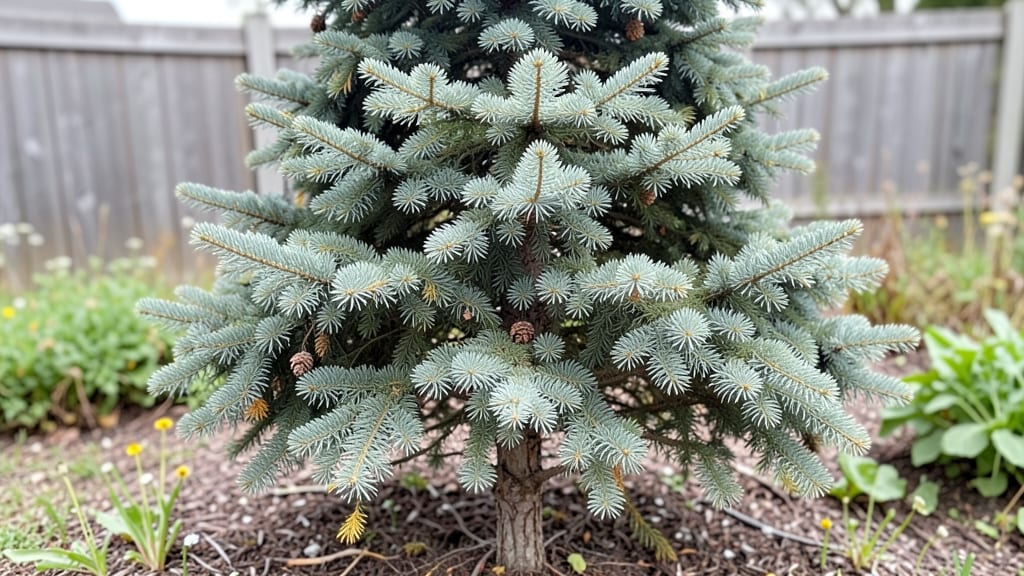
Planting cedar trees transforms your yard into a lush, year-round privacy shield that never loses its charm. 🌲 I’ve grown Eastern Red Cedar and Western Red Cedar for years, and the difference between a sparse hedge and a thick, fragrant wall comes down to the right species, soil, and sunlight.
These trees aren’t just tough—they’re the backbone of low-maintenance landscapes.
The key to success starts with matching your cedar to your space: Eastern Red Cedar thrives in full sun and dry soil, while Western Red Cedar handles shade and moisture better.
You’ll need well-draining soil, a spot with at least 6 feet of space for mature growth, and patience—these trees grow slowly but steadily. Once established, they need minimal watering and almost no fertilizer.
What you’ll end up with is a dense, aromatic barrier that stays green even in winter. The foliage smells like a forest walk, and the birds love nesting in them.
Pruning is simple: just shape in early spring to keep them tidy. By year three, your privacy screen will be full and thriving.
Works in zones 3-9, from deserts to rainforests, with adjustments for soil and water. Let’s get those roots in the ground the right way—here’s how to plant them for long-term success.
📚 In This Guide
- What you need
- Instructions
- Tips and common mistakes
- Wrapping up and next steps
What you need
- ● Cedar Tree Plants: 1–3 Western Red Cedar (Thuja plicata) or Eastern Red Cedar (Juniperus virginiana) saplings (depending on desired height and spacing).
- ● OR 1 lb of high-quality cedar tree seeds (if starting from scratch).
- ● Soil: 5–10 bags (2–3 cubic feet each) of well-draining, slightly acidic soil (pH 5.0–7.0). Mix with compost (1 part compost to 3 parts soil) for fertility.
- ● Planting Site: Full sun to partial shade (6+ hours of sunlight for best growth).
- ● Space 3–6 feet apart for mature height (check species guidelines).
- ● Tools: 1 shovel or trowel (for digging holes).
- ● 1 garden fork (to loosen soil).
- ● 1 wheelbarrow (for mixing soil/amendments).
- ● 1 hose with nozzle or watering can (for hydration).
- ● 1 mulch (e.g., pine straw or shredded bark, 2–3 inches thick).
- ● Fertilizer: Slow-release balanced fertilizer (10-10-10) or organic options like fish emulsion (apply sparingly in early spring).
- ● Root Stimulator: Mycorrhizal fungi or rooting hormone (for seedling success).
- ● Erosion Control: Landscape fabric (if planting on slopes).
- ● Protective Barriers: Tree guards (to shield young saplings from critters).
- ● Pruning Tools: Bypass pruners (for shaping as they grow).
Step-by-step guide to planting cedar trees for privacy
Here's the straightforward method I use to establish a lush, evergreen hedge that thrives in any light condition.
🌱 Step 1: Choose and Prepare Planting Sites
Cedar trees adapt well to both sun and shade, but spacing matters most. For a 4-plant privacy screen, dig 4 holes that are twice as wide as the root balls but only as deep as the containers. This prevents burying the trunk too deep, which can suffocate the plant.
I always test the soil moisture first by digging a small hole nearby. If it's dry after a few days without rain, you'll need to water deeply after planting. For clay soil, mix in 2 inches of compost at the bottom of each hole to improve drainage—cedars hate soggy roots.
🪴 Step 2: Remove Plants and Loosen Roots
Gently slide each cedar plant from its container, supporting the root ball with one hand to avoid breaking stems. Tap the sides of the root ball lightly to loosen any circling roots—this encourages outward growth instead of girdling. If roots are tightly bound, use your fingers to tease them apart.
I like to trim any broken or overly long roots with clean pruners, but only if they're clearly damaged. Healthy roots should look white or light tan, not dark or mushy. Place each plant in its hole so the top of the root ball sits 1 inch above ground level—this prevents settling over time.
💧 Step 3: Backfill and Water Thoroughly
Fill each hole with native soil, pressing gently around the edges to remove air pockets. Avoid compacting the soil too firmly—cedars need loose, well-draining soil to establish roots. For the first watering, use 2 gallons per plant to settle the soil and eliminate air gaps.
Watch for water pooling around the base—this means the hole is too deep. If you see this, add a handful of soil to raise the plant slightly. Mulch with 2-3 inches of wood chips (keeping it 6 inches away from the trunk) to retain moisture and suppress weeds. Never let mulch touch the bark.
☀️ Step 4: Prune and Maintain for First Year
After planting, trim any broken branches and shape the plant lightly to encourage fuller growth. I remove no more than 1/3 of the foliage in the first year—cedars grow slowly and need all their energy for root establishment. For a 4-plant screen, space them 4-6 feet apart to allow room for mature width.
Water weekly during the first growing season, providing 1-2 gallons per plant when the top 2 inches of soil feel dry. Cedar trees are drought-tolerant once established, but young plants need consistent moisture. Avoid overhead watering to prevent fungal diseases—always water at the base.
⏰ Step 5: Monitor Growth and Adjust Care
Check plants monthly for signs of stress: yellowing needles or wilting indicate either overwatering or underwatering. Cedar trees thrive in well-draining soil and partial shade to full sun, but they won’t tolerate soggy conditions. If your area gets heavy rain, ensure the soil drains quickly by amending with compost if needed.
After the first year, you can reduce watering to every 2-3 weeks unless there's prolonged dry weather. Fertilize only if the soil is poor—cedars generally don’t need extra nutrients. By year three, your 4-plant screen will start forming a dense, evergreen barrier that blocks wind and provides year-round privacy.
Tips & tricks for perfect cedar tree planting
A few key strategies will help your cedar privacy screen thrive from day one.
Soil Preparation: Before planting, test your soil's drainage by digging a small hole nearby and filling it with water. If it drains within an hour, your soil is fine. If water remains after 24 hours, you'll need to amend the planting holes with 2 inches of compost to prevent soggy roots. This is especially important for clay soil, which can suffocate cedar roots. Remember, cedars hate wet feet—proper drainage is non-negotiable!
Root Care: When removing plants from containers, gently tap the root ball to loosen any circling roots—this prevents girdling, where roots grow around the trunk and strangle the plant. If roots are tightly bound, use your fingers to tease them apart rather than forcing them. Place each plant so the root ball sits 1 inch above ground level—this prevents settling over time and keeps the trunk healthy.
Watering Wisdom: The first watering is critical—use 2 gallons per plant to eliminate air pockets and settle the soil. Watch for water pooling around the base, which means the hole is too deep. If you see this, add a handful of soil to raise the plant slightly. Mulch with 2-3 inches of wood chips (keeping it 6 inches away from the trunk) to retain moisture, but never let mulch touch the bark to prevent rot.
Pruning Strategy: In the first year, limit pruning to removing only broken branches and shaping lightly. Never remove more than 1/3 of the foliage—cedars grow slowly and need all their energy for root establishment. Space your 4-plant screen 4-6 feet apart to allow room for mature width, which can reach up to 12 feet for some varieties.
Pro Tips for Cedar Tree Plants
- A few key strategies will help your cedar privacy screen thrive from day one.
- Soil Preparation: Before planting, test your soil's drainage by digging a small hole nearby and filling it with water.
- Root Care: When removing plants from containers, gently tap the root ball to loosen any circling roots—this prevents girdling, where roots grow around the trunk and strangle the plant.
Frequently asked questions
When is the best time to plant cedar trees?
Plant cedar trees in early spring or fall when soil is moist but not soggy. Avoid extreme heat or frost—root establishment is key! For container-grown cedars, plant anytime (just water deeply afterward).
How far apart should I space cedar trees for privacy?
Space cedar trees 3–6 feet apart for a dense hedge (closer = faster growth). For tall privacy screens (15+ ft), allow 8–10 feet between plants. Thinning later may be needed if branches overlap.
Are cedar trees invasive? Will they spread uncontrollably?
Most cultivated cedars (like Thuja or Juniperus varieties) are non-invasive, but eastern red cedars (Juniperus virginiana) can self-seed aggressively. Opt for sterile cultivars or prune seed cones promptly if this concerns you.
Can cedar trees grow in full shade? What if my yard is shady?
Cedars thrive in full sun to partial shade—but growth slows in deep shade. For shady spots, choose ‘Emerald Green’ arborvitae or ‘Green Giant’ cedar, which tolerate lower light better. Avoid planting under dense trees with shallow roots.
Why are my cedar tree leaves turning brown? Is it a pest or disease?
Brown tips often mean drought stress or bagworms (check for silk bags on branches). Fungal issues (like cedar blight) cause dark spots. Prune affected areas, water deeply, and apply neem oil if pests are suspected. Pro tip: Mulch to retain moisture!
What’s a good alternative if cedar trees aren’t available?
Try arborvitae (Thuja), leucothoe, or holly for similar evergreen privacy. For faster growth, consider ‘Green Giant’ arborvitae (3+ ft/year) or bamboo (clumping varieties) if you need quick coverage.
Wrapping up and next steps
Planting cedar tree plants is a fantastic way to add timeless beauty and natural privacy to your landscape—whether in sun-drenched yards or cozy shaded spots! 🌲 These hardy evergreens offer year-round charm, low maintenance, and even wildlife benefits.
Now that you’re armed with the right knowledge, why not take the next step? Start by choosing the perfect cedar variety for your space, then roll up your sleeves and plant one today. Your future self (and neighbors!) will thank you.
🌱 Ready to Grow?
- Check local nurseries for healthy cedar saplings.
- Mark your planting spots and prep the soil.
- Plant with confidence—your green privacy shield awaits!