
Planting
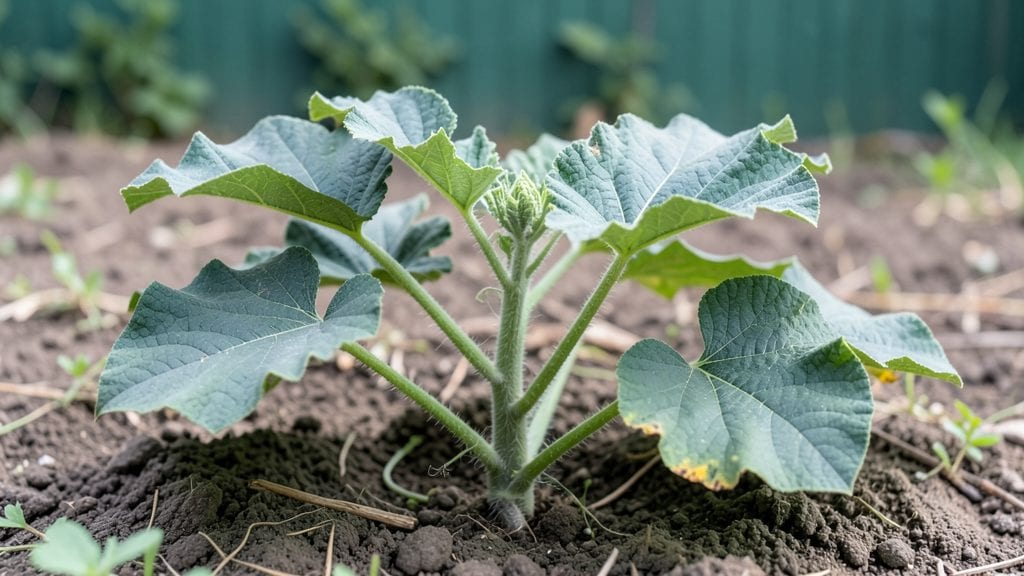
Your cantaloupe plant sprouts will pop up in just 3-5 days when you nail the soil temperature and moisture—something I learned the hard way after weeks of waiting. The secret isn’t fancy equipment but getting the bed warm enough (75°F+) and keeping it consistently damp, not soggy.
Most beginners overwater at this stage, and that’s when roots rot before they even get started.
Start with a 6-inch-deep bed of loose, well-draining soil mixed with compost—no heavy clay here. Plant seeds 1 inch deep and 3 inches apart, then cover with a thin layer of mulch to lock in warmth.
A clear plastic dome or row cover speeds things up even more, especially if your spring is still chilly. I’ve seen sprouts break through in 2 days with this trick.
Once those first green hooks appear, move them to bright light immediately—even a sunny windowsill works for a few days. Thin to the strongest sprout per spot, and watch them grow 2 inches in a week if conditions are right.
The key is consistency: too much water drowns them, too little stalls growth, and cold soil keeps them waiting.
This method works for container gardens too—just use a 5-gallon pot and keep it near a south-facing wall. By the time you’re harvesting, you’ll wonder why you ever bought store-bought melons. Let’s get those seeds in the ground!
📚 In This Guide
- What you need
- Instructions
- Tips and common mistakes
- Wrapping up and next steps
What you need
- ● Cantaloupe seeds: 5–10 seeds (non-GMO, heirloom, or hybrid varieties like ‘Athena’ or ‘Hale’s Best’ for best results).
- ● Seed-starting mix: 2–3 cups of lightweight, sterile potting soil (avoid garden soil—it can compact and hinder sprouts!).
- ● Containers: Small seed trays (with drainage holes) or
- ● Biodegradable peat pots (2–3 inches deep) or
- ● Yogurt cups or egg cartons (if repurposing).
- ● Watering can or spray bottle: With a fine mist setting to avoid disturbing seeds.
- ○ Plastic wrap or dome lid: To create a mini greenhouse effect (optional but highly recommended for humidity).
- ○ Heat mat (optional but ideal): Set to 70–85°F (21–29°C) to speed up germination.
- ● Grow lights or sunny windowsill: 6–8 hours of light daily (south-facing window or LED grow lights work best).
- ● Fertilizer: Balanced, water-soluble fertilizer (5-10-5 NPK ratio) or compost tea (once sprouts appear).
- ● Warmth: Cantaloupe seeds love heat—ideal soil temp for germination is 70–90°F (21–32°C). Use a heat mat if your home runs cooler.
- ● Patience (but not too much!): Sprouts typically emerge in 3–10 days—soil warmth is key!
- ● Space for transplanting: Cantaloupes need room! Plan for 3–4 feet of space per plant in your garden or containers.
- ● Seedling heating pad for extra warmth.
- ● Humidity dome or plastic bag to retain moisture.
- ● pH testing kit (aim for soil pH 6.0–6.8 for optimal growth).
- ● Organic mulch (straw or grass clippings) for transplanting outdoors.
Step-by-Step instructions for fast cantaloupe germination
Here’s how to get those first green sprouts in just 5-7 days—no waiting weeks for stubborn seeds.
Prepare the Warm Soil Bed
Cantaloupe seeds need soil at 80-90°F to germinate quickly. Spread the 10 feet of black plastic mulch over your planting area to absorb heat. If you’re using raised beds, place them on the south side of your yard to maximize sunlight exposure. Mark planting rows with a stick or string every 2 feet—this gives vines room to sprawl later.
Loosen the top 6 inches of soil with a garden fork, breaking up any compacted layers. Mix in the 5 pounds of compost evenly—this improves drainage and provides nutrients without overwhelming young roots. Avoid fresh manure; it can burn tender seedlings. Once mixed, rake the soil smooth so it’s level and free of clumps.
Plant Seeds at the Right Depth and Spacing
Press 2 seeds per hill into the soil ½ inch deep—no deeper, or they’ll struggle to reach the surface. Space hills 3 feet apart in rows 5 feet apart to allow for vigorous vine growth. Use your finger to make small indentations for each seed, then cover lightly with soil. Avoid pressing down too hard; cantaloupe seeds need gentle contact to sprout.
Water the area gently with a fine-mist spray nozzle until the soil is damp 1 inch deep. You’ll know it’s right when moisture reaches that depth without puddling. Overwatering now can cause seeds to rot before they sprout. Place a row cover over the bed to trap heat and moisture—this speeds germination by 2-3 days in cooler conditions.
Monitor for Sprouts and Maintain Ideal Conditions
Check the soil daily starting on day 4. You’ll see the first sprouts as tiny green loops breaking through the soil—this is your signal to remove the row cover immediately. Leave it on too long, and seedlings will develop fungal issues. Once sprouts appear, water lightly every 2-3 days, keeping the soil consistently moist but never soggy.
If temperatures drop below 60°F, cover the bed with clear plastic sheeting for a few hours each day to warm the soil. Cantaloupe seeds won’t germinate below 50°F, so plan this step for late spring when nights are reliably above that mark. Thin seedlings to one per hill when they’re 2 inches tall, snipping the weaker sprout at the base with clean scissors.
Transition to Outdoor Growth
After 10-14 days, when seedlings have 2-3 true leaves, remove the black plastic mulch and replace it with straw mulch to retain moisture and suppress weeds. This is also when you’ll start seeing the first tendrils—those are your vines preparing to climb. Train the main vine along a trellis or wire support if space is limited, but cantaloupes thrive when given room to sprawl.
Fertilize with the 1 cup of 10-10-10 fertilizer dissolved in water, applied 2 weeks after thinning. You’ll notice new leaves emerging within 3-5 days—this confirms the plants are establishing roots. From here, focus on consistent watering at the base and watch for those first blossoms in 4-6 weeks.
Tips & tricks for fast cantaloupe germination
Here's how to accelerate those first green sprouts while avoiding the most common pitfalls that slow down germination.
Soil Temperature is Non-Negotiable: The 80-90°F soil temperature range in Step 1 is critical—cantaloupe seeds simply won't germinate below 50°F. I've seen gardeners rush this step by planting too early, only to wait weeks for sprouts. Use a soil thermometer to verify temperatures before planting, especially in cooler climates. If your soil runs cooler than 60°F at night, consider using a cloche or cold frame to maintain that crucial warmth during the critical first 5-7 days.
Precision Planting Technique: In Step 2, those ½-inch seed depths and 2 seeds per hill aren't arbitrary—they create optimal conditions for quick germination. I recommend using a small wooden dowel or pencil to make consistent planting holes rather than trying to judge depth by hand. The gentle soil contact you create by pressing seeds lightly (not compacting) mimics natural conditions where seeds are covered by loose soil rather than packed earth.
Row Cover Timing Matters: The row cover in Step 2 speeds germination by 2-3 days, but removing it at the first sign of sprouts (around day 4) is crucial. I've seen fungal issues develop when gardeners leave covers on too long—look for those tiny green loops breaking through as your cue. Once sprouts appear, remove the cover immediately to prevent condensation buildup that can lead to damping-off disease.
Watering Strategy for Quick Sprouts: The fine-mist spray nozzle in Step 2 isn't just about gentle watering—it's about creating the perfect moisture environment. I recommend watering in the morning so soil has time to dry slightly before nightfall, which helps prevent fungal growth. Aim for that 1-inch dampness mark without puddling, and always water at the base rather than overhead to maintain soil integrity around the seeds.
Pro Tips for Cantaloupe Plant Sprout
- Here's how to accelerate those first green sprouts while avoiding the most common pitfalls that slow down germination.
- Soil Temperature is Non-Negotiable: The 80-90°F soil temperature range in Step 1 is critical—cantaloupe seeds simply won't germinate below 50°F.
- Precision Planting Technique: In Step 2, those ½-inch seed depths and 2 seeds per hill aren't arbitrary—they create optimal conditions for quick germination.
Frequently asked questions
Got questions about growing cantaloupe from sprouts? You're not alone! Here are some of the most common queries—and their answers—to help you get started on the right foot.
How long does it take for cantaloupe sprouts to germinate?
Cantaloupe seeds typically sprout within 3 to 10 days when planted in warm soil (at least 70°F or 21°C). Keep the soil consistently moist but not soggy, and place the container in a sunny spot or under grow lights. Patience is key—some seeds may take longer, especially in cooler conditions.
What’s the best soil temperature for cantaloupe sprout growth?
Cantaloupe thrives in warm soil, ideally between 70°F and 90°F (21°C–32°C). If your soil is cooler, try using a black plastic mulch or a seedling heat mat to speed up germination. Avoid planting too early—cold soil can stunt growth or cause rot.
Why aren’t my cantaloupe sprouts coming up?
If your seeds aren’t sprouting, check these common issues:
- Too cold: Cantaloupe needs warmth to germinate—wait until soil temps are ideal.
- Dampness or rot: Overwatering can suffocate seeds; ensure good drainage.
- Old seeds: Store-bought seeds lose viability after 1–2 years—test a few in a damp paper towel first.
- Depth issues: Plant seeds ½ inch deep—too deep, and they won’t break through.
Can I grow cantaloupe indoors from sprouts?
Yes, but it’s tricky! Start seeds indoors 4–6 weeks before the last frost in pots with well-draining soil. Use a grow light (12–16 hours/day) and transplant seedlings outdoors after all frost risk has passed. Cantaloupes need lots of space and sunlight, so a sunny windowsill won’t cut it long-term.
What can I plant with cantaloupe sprouts to improve growth?
Cantaloupe benefits from companion planting! Try these pairings:
- Nasturtiums: Repel pests like cucumber beetles.
- Marigolds: Deter nematodes and attract pollinators.
- Bush beans: Fix nitrogen in the soil, boosting cantaloupe health.
Wrapping up and next steps
Growing cantaloupe from sprouts is a rewarding journey that starts with patience and warmth! With the right soil, seed placement, and care, you’ll soon be harvesting sweet, juicy melons. Don’t let a few setbacks discourage you—every gardener faces challenges, and yours will soon turn into triumphs!
Now that you’re armed with tips and answers, it’s time to take action. Grab your gardening tools, prep that warm soil bed, and plant those sprouts. Watch your cantaloupe plants thrive—and soon, you’ll be enjoying homegrown fruit straight from your garden! 🌱🍉